







Siphon vs Pour-Over Coffee: Understanding the Differences
Many coffee enthusiasts believe that siphon coffee tastes richer and more aromatic than pour-over. This article examines the siphon pot's structure and operation, focusing on how its immersion extraction and filtration method influence flavor. Using Front Street Jamaica Blue Mountain No. 1 as a comparative example, we highlight differences in taste, aroma, and clarity between siphon and pour-over. We also share guidance on suitable beans, water temperature, and ratios to help you use this device more systematically.
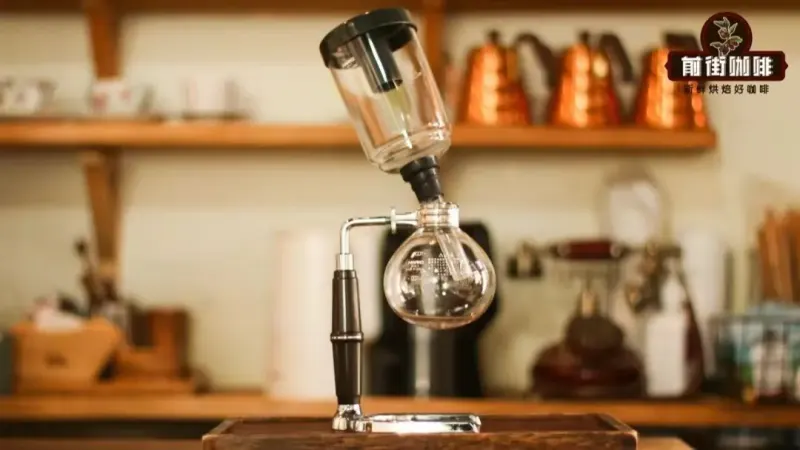
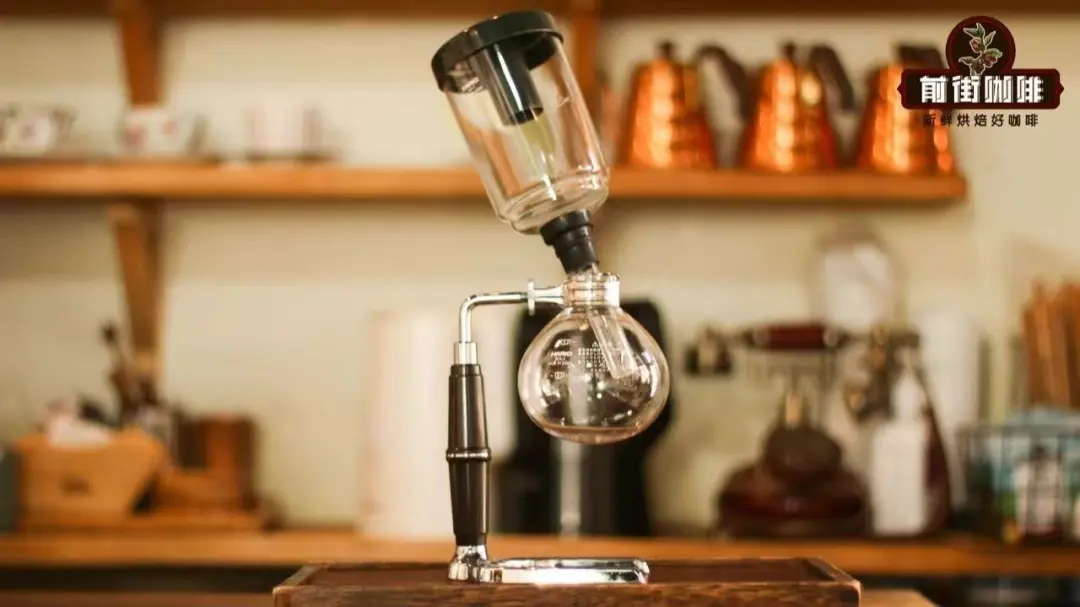
A siphon pot has three main parts: the lower chamber, upper chamber, and stand. The lower chamber holds water and is heated, while the upper chamber is where coffee grounds meet water. Heating the lower chamber creates steam pressure that pushes hot water upward. After adding coffee grounds and completing extraction, removing the heat source causes the liquid to flow back down through a filter, yielding a clean, full-bodied cup.
Many coffee enthusiasts believe that coffee brewed with a siphon pot is richer and more aromatic than pour-over coffee. Where exactly does this difference come from? This article will start with the structure and operating process of the siphon pot, analyze how its immersion extraction and filtration method affect flavor, and use a comparative example of Front Street Jamaica Blue Mountain No. 1 to intuitively present the differences between siphon and pour-over in taste, aroma, and cleanliness. At the same time, the article will also share ideas on suitable coffee beans, water temperature, and ratios for the siphon pot, helping you understand and use this device, which combines ritual and visual appeal, more systematically.
There is a saying circulating in the coffee world: coffee made with a siphon pot is richer and more aromatic than pour-over. In conversations with some customers, Front Street also found that many people attribute this more fragrant performance to the siphon pot's distinctive method of operation.
So does this claim actually hold up? Let us first look at the production process of the siphon pot.
Making Coffee with a Siphon Pot
A siphon pot roughly consists of three parts: the upper chamber, the lower chamber, and the stand. The lower chamber holds the liquid and is also the part that is directly heated during the process, so its shape is close to spherical, which allows for more even heating;
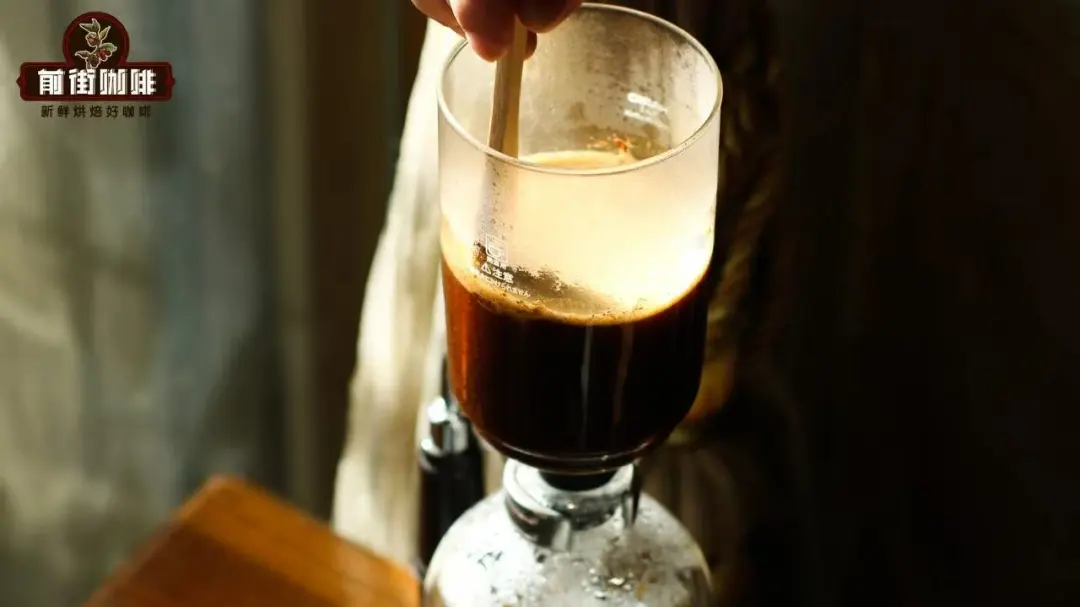
The design of the upper chamber is more special. The upper section is cylindrical, and this is where the coffee grounds come into contact with the water and extraction takes place. The lower section narrows and extends into a slender tube, which serves two purposes: first, to guide the water from the lower chamber into the upper chamber, and second, to guide the coffee liquid from the upper chamber back into the lower chamber;
The stand is responsible for fixing and supporting the device. It first secures the lower chamber, and the lower chamber then connects with the upper chamber.
The process of using a siphon pot is actually not complicated: first heat the water in the lower chamber to produce a large amount of steam, then seal the lower chamber with the upper chamber so that the steam creates "pressure";
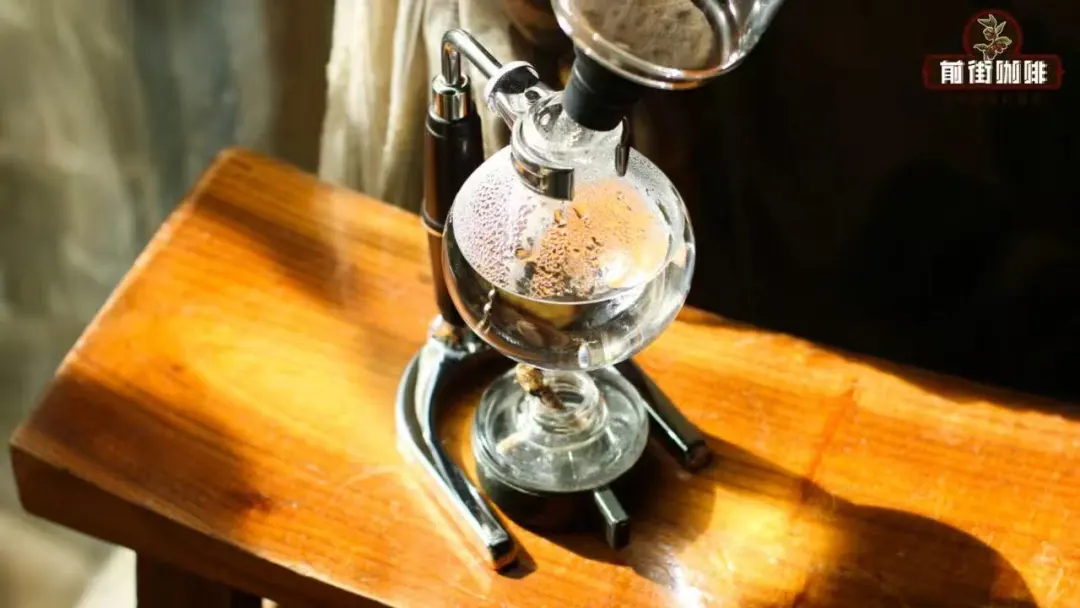
As the pressure rises, the hot water in the lower chamber is pushed into the upper chamber. Once the hot water rises into the upper chamber, the coffee grounds can be added, and extraction officially begins.
When extraction is nearly complete, remove the heat source, the temperature of the lower chamber drops, and the coffee liquid flows back into the lower chamber, completing the whole process.
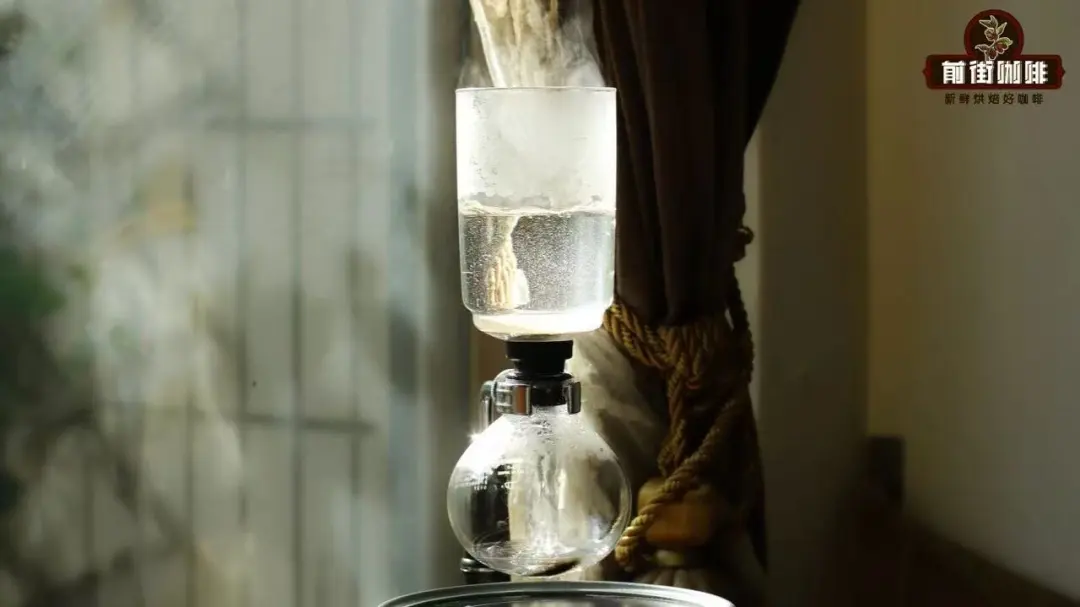
Although operating a siphon pot involves many steps, its extraction essence is actually "immersion-style": putting grounds and water together, stirring and soaking, and then filtering out the coffee grounds after extraction is finished. Front Street mentioned in a previous article that because the coffee grounds remain soaked in hot water, the dissolved substances are relatively consistent, so compared with drip coffee, it brings less complexity in layers, but the overall performance is more balanced.
However, the reason siphon coffee is more fragrant is not only immersion, but also related to its filtration method. A filter with a chain is hung in the upper chamber of the siphon pot, and a flannel filter cloth or filter paper can be installed on the filter. Its purpose is to catch the coffee grounds and prevent them from flowing back into the lower chamber with the coffee liquid. Traditional siphon pots mostly use filter cloth, but if you care more about ease of cleaning or filtration effectiveness, you can also choose filter paper. Either way, however, because the filter cannot completely cover the opening, some things other than coffee still "slip" from the upper chamber into the lower chamber.
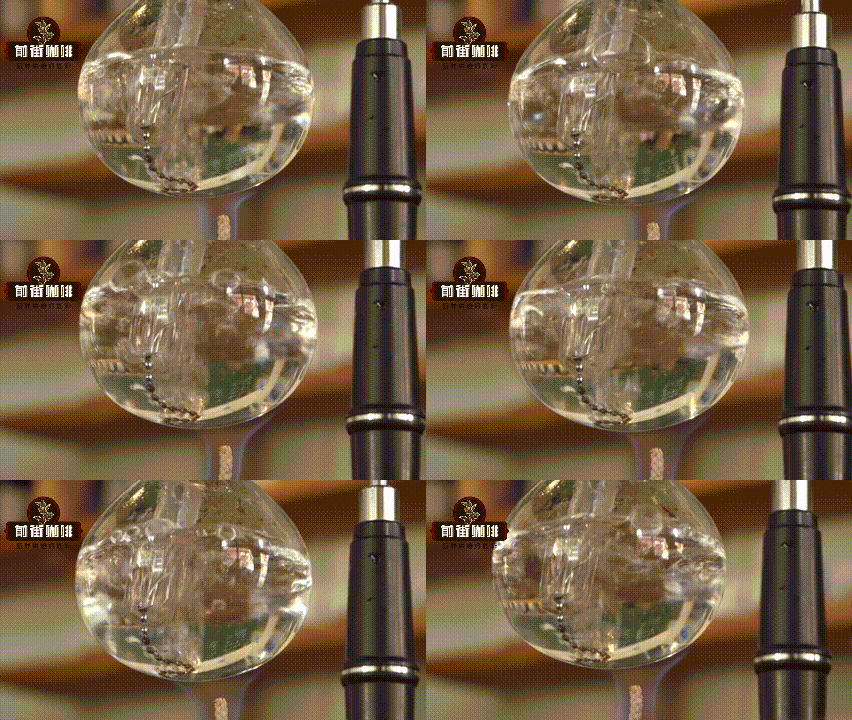
These substances are mainly coffee lipids and extremely fine particles. During pour-over, they are usually caught by the stronger filtration ability of the filter paper. But they can give coffee a richer aroma and a fuller body, because many aroma components are oil-soluble substances, and the presence of oils enhances the aroma performance of coffee. Front Street has also shared this point before.
So what exactly are the differences between siphon coffee and pour-over coffee? Below, Front Street conducted a comparison using Front Street Jamaica Blue Mountain No. 1 coffee from its bean list, for everyone's reference.
(Front Street has already shared how to make siphon coffee in previous articles, so it will not be expanded on here. Those interested can look it up on their own.)
The Blue Mountain extracted by pour-over is itself very rich, full of aroma, soft and clean on the palate, with flavors of chocolate, hazelnut, cream, and caramel, and a long finish. The Blue Mountain brewed with a siphon pot, on the basis of the pour-over version, has a stronger aroma, a fuller body, and an even longer finish. Compared with pour-over, however, its cleanliness is slightly weaker. Both methods have their own advantages.

From this it becomes clear that the key reason siphon coffee is more fragrant is that oils and fine particles enter the coffee liquid. And this flavor is not impossible to replicate. When we make coffee with a French press or other immersion methods, as long as the filtration is not so thorough, we can also obtain the same aroma and taste as siphon coffee.
Of course, making coffee with a siphon pot is by no means only about taste; it is also about the ritual and experience brought by the entire process. The elaborate procedure and highly visual nature add a lot of impression points to the flavor of siphon coffee, making the drinking experience different from conventional methods. It is also precisely for this reason that in this fast-paced era that emphasizes efficiency, the siphon pot has gradually faded from the mainstream and become a relatively niche coffee device.
- END -
The above content is compiled by CoffeeHunters, a coffee news website.


