








Which AeroPress Method Suits Your Coffee Brewing Routine?
The AeroPress combines immersion, paper filtration, and pressure in one manual device made of a chamber, a filter cap, and a plunger. There are two ways to brew: the upright method, which is intuitive but can drip when water is poured, and the inverted method, which is more stable but requires flipping the chamber before pressing.
Structure alone explains the appeal: steep grounds and hot water in the chamber, stir, then push the plunger so air moves through the coffee bed and presses a clean liquid through the round paper filter. In a worked example using 15 grams of Brazil Queen Estate grounds, grind set to 85 percent passing a No. 20 sieve and water at 90°C, both routes can be compared step by step.
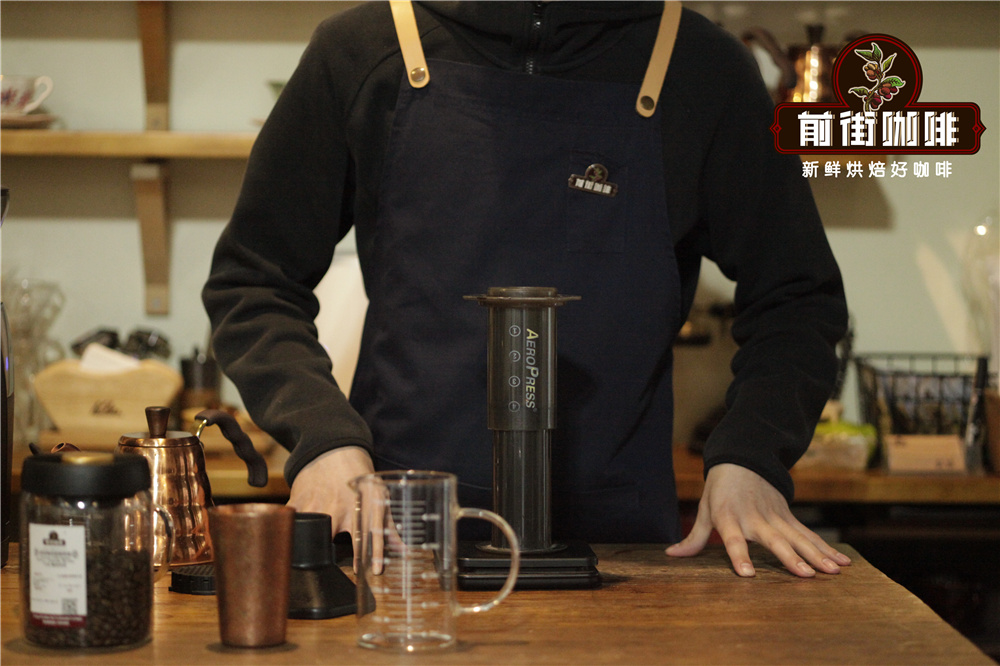
The AeroPress looks like a large syringe, yet it is a manual coffee brewing device that combines three extraction principles: immersion, filtration, and pressure—it even has its own competitive events. Its structure consists of three parts: the chamber, the filter cap, and the plunger. With a round paper filter, a stirrer, and a funnel, brewing can be completed. The method of use is divided into two routes: upright and inverted. The upright operation is intuitive but prone to dripping when pouring water, while the inverted method offers better stability but requires flipping the chamber. This article will use 15 grams of Front Street Brazil Queen Estate coffee grounds as an example, with a grind size controlled at 85% passing through a No. 20 sieve and a water temperature of 90°C, to gradually break down both extraction processes and compare their pros and cons, helping enthusiasts find a more suitable method for themselves.
For more specialty coffee knowledge, please follow our WeChat public account: FrontStreet Coffee
The AeroPress looks like a thick syringe, and it's hard for first-timers to associate it with brewing coffee. But after delving deeper, you'll find that dedicated competitions are even held around this device. What exactly makes it so unique?
Understanding the AeroPress Structure
Similar to many devices introduced before, the AeroPress can be disassembled into three core parts: the chamber, the filter cap, and the plunger. Additionally, it requires a matching round paper filter, a stirrer, and a funnel. It integrates the immersion extraction of a French press, the paper filtration of pour-over coffee, and the pressure extraction of an espresso machine. The operating logic is: after mixing and stirring coffee grounds with hot water, the plunger pushes air through the coffee bed, pressing out a clean-tasting coffee liquid through the filter cap.
How to Use the AeroPress
It's important to note that the AeroPress has two brewing methods—upright and inverted. In the upright method, the chamber is placed upright on a cup, ground coffee and an appropriate amount of hot water are added, and after stirring, the plunger is inserted and pushed down to complete extraction.
In the inverted method, the plunger is first inserted into the chamber, the whole unit is turned upside down, coffee grounds and hot water are added and stirred, then the filter cap is attached, and it is flipped back to perform the pressing extraction.
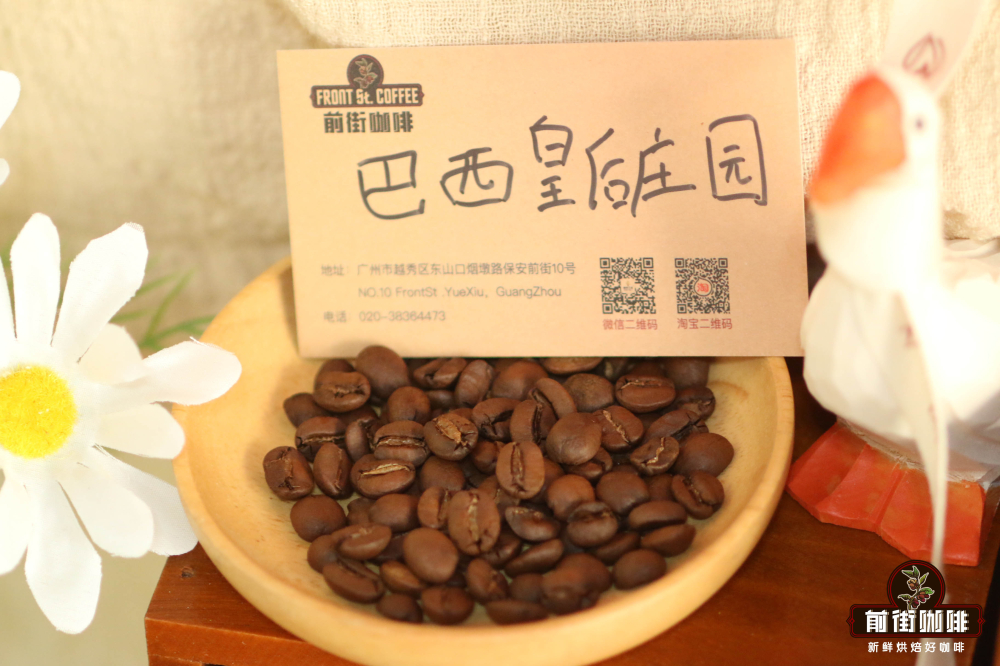
The beans selected for this demonstration are Front Street Brazil Queen Estate, a medium-dark roasted Yellow Bourbon variety with a prominent roasted peanut aroma, and a quite full-bodied, nutty finish.
Because the extraction time is very short, the grind size for AeroPress is generally finer than for pour-over. Front Street controls it at about 85% passing through a No. 20 standard sieve, which is a powdered sugar-like coarseness, with the water temperature set at 90°C.
Upright Operation Process
① First, place the round paper filter into the filter cap and wet it with water so it adheres;
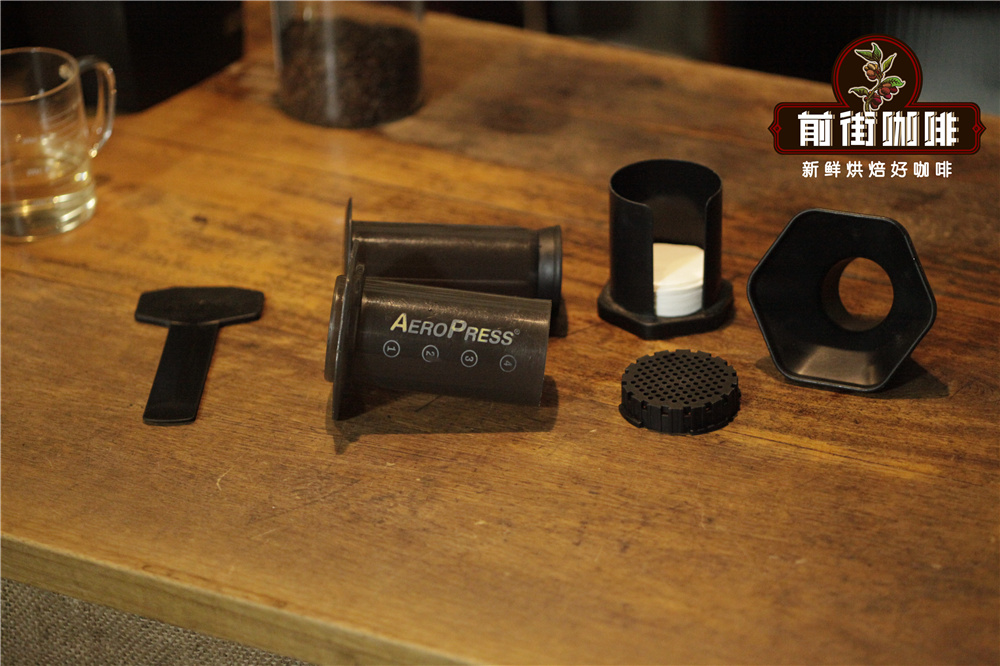
② Attach the filter cap to the chamber and place it upright on top of the server;
③ Put on the funnel and add 15 grams of ground coffee;
④ Start the timer and pour hot water until it reaches the "④" mark on the chamber;
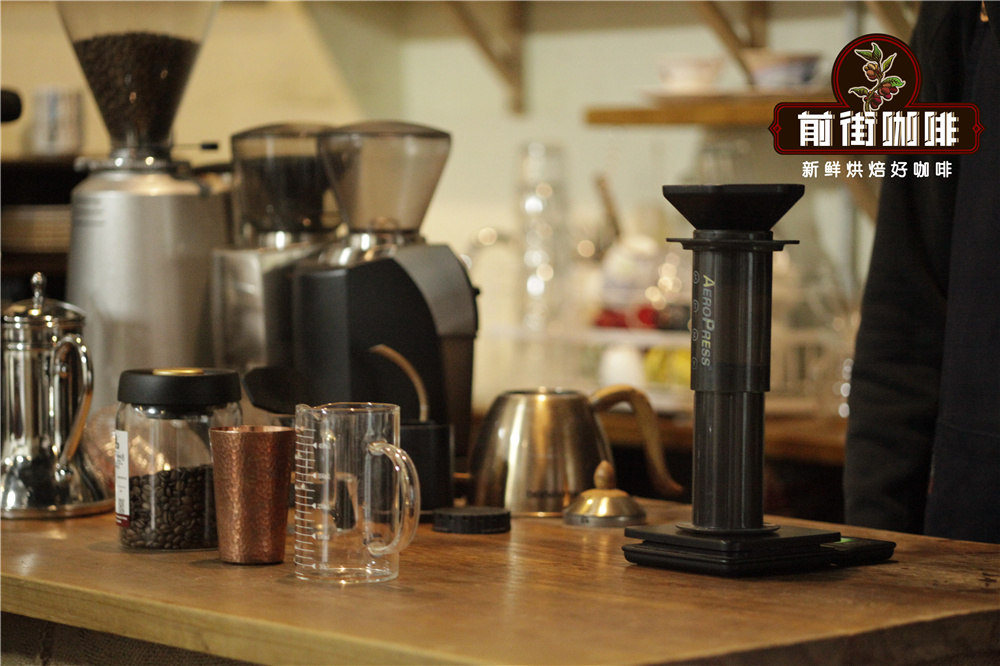
⑤ Gently stir the coffee grounds in the chamber with a stirrer to ensure all grounds are saturated.
⑥ Insert the plunger. Since coffee liquid will drip into the server in the upright position, the actions of pouring water, stirring, and inserting the plunger must be done quickly. Once the plunger is inserted, a seal is formed inside and dripping stops.
⑦ At 1 minute, begin pressing down the plunger. The coffee liquid is pushed into the server under pressure, and the total time when pressing is complete is 1 minute and 20 seconds.
Inverted Operation Process
① Assemble the chamber and plunger, push the plunger to the "④" mark, and place it upside down on the table.
② Put on the funnel and add 15 grams of coffee grounds.
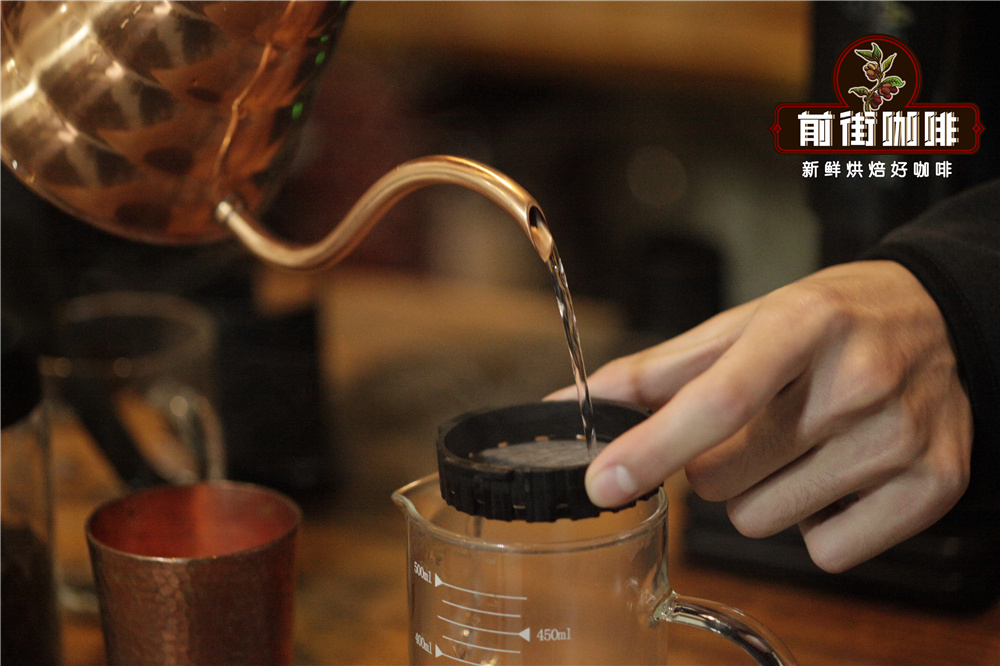
③ Start the timer and pour hot water until full.
④ Stir the coffee grounds evenly with a stirrer; the surface will show a golden liquid layer.
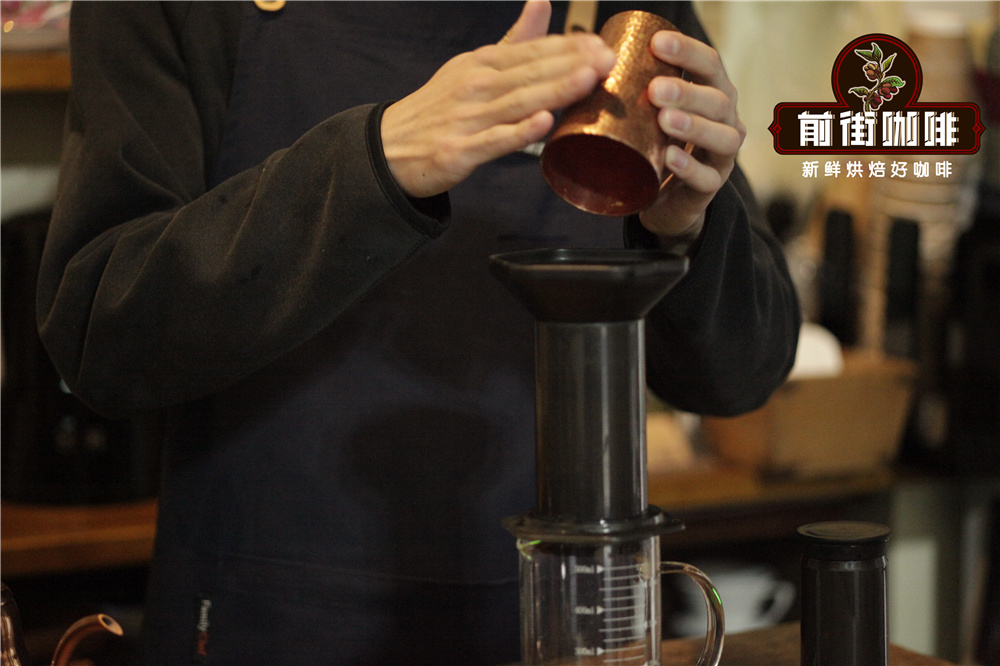
⑤ Attach the filter cap, quickly flip the chamber onto the server. This step must be fast to avoid coffee liquid spilling.
⑥ At 1 minute, begin pushing the plunger. The coffee liquid is pressed into the server, and the time after pressing is also 1 minute and 20 seconds.
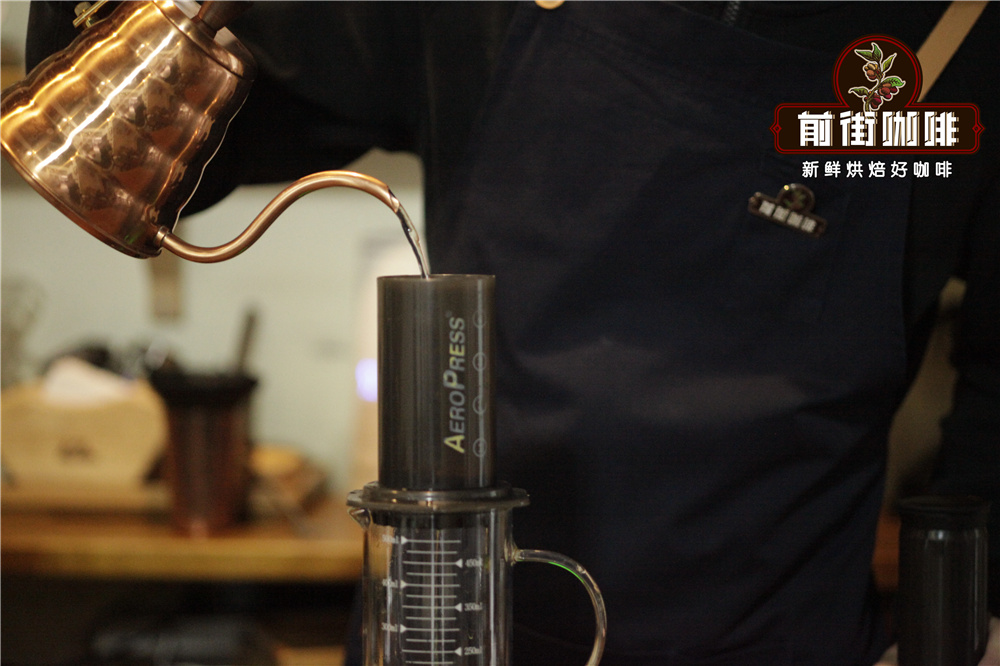
Comparing the two methods, Front Street recommends the inverted method more, because it is easier to learn and offers higher stability; while the upright method drips into the server while pouring water, making it more difficult to master.
The above content is compiled by CoffeeHunters, a coffee news website.


