







Search Results for: cold pour-over
What Are the Flavor Differences Between Cold Brew and Pour-Over? Cold Extraction Has Higher Caffeine—Front Street Coffee Teaches You How to Choose Beans
Why do the same coffee beans taste so completely different when made as cold brew versus pour-over? The key lies in the extraction temperature. Pour-over uses hot water to quickly release the coffee's rich aromas and layers, while cold brew relies on a long, low-temperature steep, delivering a sweet, crisp, and refreshing taste—though with slightly less fullness of flavor. Low-temperature extraction also reduces bitter compounds, but it also results in a higher caffeine content. Using Front Street Coffee's light-roast washed Yirgacheffe Geddid as an example, we compare hot pour-over, cold brew, and iced pour-over to analyze why the flavors differ, and offer coffee bean recommendations suitable for home cold brew and pour-over. [more…]
Why are the flavor differences between pour-over and cold brew so striking? Will the acidity of Kenyan beans stand out in cold brew?
Pour-over and cold brew are two common ways to enjoy single-origin coffee in daily life, but the same coffee beans extracted using different methods can present wildly different flavor profiles. This article takes Front Street Coffee's Kenya Little Tomato as an example, preparing both pour-over and cold brew for a comparative tasting. It analyzes the root causes of the differences from three dimensions—extraction method, coffee-to-water ratio, and water temperature—and explains why the distinctive fermented aroma and smooth mouthfeel of cold brew cannot be replaced by pour-over. It also recommends floral and fruity beans suitable for both methods, such as Front Street Coffee Strawberry Candy, Front Street Coffee Mozart, and Front Street Coffee Sidra, helping enthusiasts understand the two extraction logics more clearly. [more…]
Why Do the Same Beans Taste So Different? A Deep Dive into the Extraction Differences Between Cold Brew and Pour-Over Coffee
Many coffee enthusiasts at Front Street stores order both a cold brew and an iced pour-over made from the same beans, yet are often surprised by the huge gap in flavor between the two after drinking them. Why does the same coffee bean produce such an obvious difference in the resulting cup? This article will systematically sort out the core differences in brewing principles between cold brew and pour-over from multiple dimensions such as extraction water temperature, extraction method, and concentration differences, and combine a comparative experiment conducted by Front Street using Huakui 8.0 to help you understand the taste expressions brought by low-temperature slow extraction and high-temperature fast extraction, as well as the scientific logic behind these differences. [more…]

Black Coffee | Why is cold drip coffee more expensive than Americano and pour-over coffee? How is cold drip coffee made? Is making a cup of cold drip coffee very time-consuming?
Black coffee generally refers to pure coffee with nothing added except water. Americano, pour-over, cold brew, and others are all members of the black coffee family. Because they have no milk, cream, sugar, or any other ingredients that could affect the coffee's flavor, the taste of the coffee can be presented more purely. Then I believe it is not hard to see that iced [more…]

Same Beans, Different Taste? An In-Depth Analysis of the Extraction Differences and Flavor Comparison Between Cold Brew Coffee and Iced Pour-Over
Many coffee enthusiasts have wondered: why do cold brew and iced pour-over made from the same coffee bean taste so different? Front Street Coffee once conducted a comparative experiment with Huakui 8.0, and the results were surprising. This article will systematically analyze the core differences between cold brew coffee and pour-over coffee from the perspectives of extraction water temperature, extraction method, and concentration changes, explaining why low-temperature slow extraction brings a rounder acidity, a fuller body, and a unique fermented aroma, while high-temperature fast extraction retains richer aromatic layers. If you also want to understand the essential difference between these two brewing methods, read on. [more…]

A Detailed Guide to Making Cold Brew Coffee at Home: From Basic Cold Brew to Coconut Water Blends and Cold Pour-Over
On a sweltering summer day, a glass of icy, smooth cold brew coffee is a perfect way to beat the heat. If you also love the pure taste that low-temperature extraction brings, why not follow this article and try a few different cold brew methods. The article first introduces the basic principles of cold brew coffee and the materials needed, then explains the complete process step by step, from steeping and filtering to tasting, and especially shares two variations: cold pour-over and coconut water cold brew. Throughout, single-origin beans from Front Street Coffee are used for demonstration, including sun-dried Sidamo, Butterfly, and a blend of Colombia Pink Bourbon and Costa Rica Mozart. Whether you are a beginner just getting into cold brew or a seasoned enthusiast looking to explore more flavors, you will find a recipe and technique that suits you. [more…]
Black Coffee Definition and Analysis of Why Cold Brew Coffee Is Pricier: The Dual Impact of Brewing Process and Material Costs
Black coffee refers to pure coffee with no added ingredients other than water; Americano, pour-over, and cold brew all belong to this category. Among the many types of black coffee, cold brew is often priced noticeably higher than Americano and pour-over, even when the same coffee beans are used. Take Front Street Coffee's stores as an example: cold brew is always priced higher than other black coffee categories. There are two main reasons behind this: first, cold brew takes longer to make and involves a more cumbersome process, requiring several hours or even over ten hours of low-temperature extraction and fermentation/maturation; second, the material cost is higher, as making a cup of cold brew requires far more coffee grounds than pour-over. This article will explain in detail the specific reasons why cold brew is priced higher, and introduce Front Street Coffee's parameters and bean selection recommendations for making cold brew. [more…]
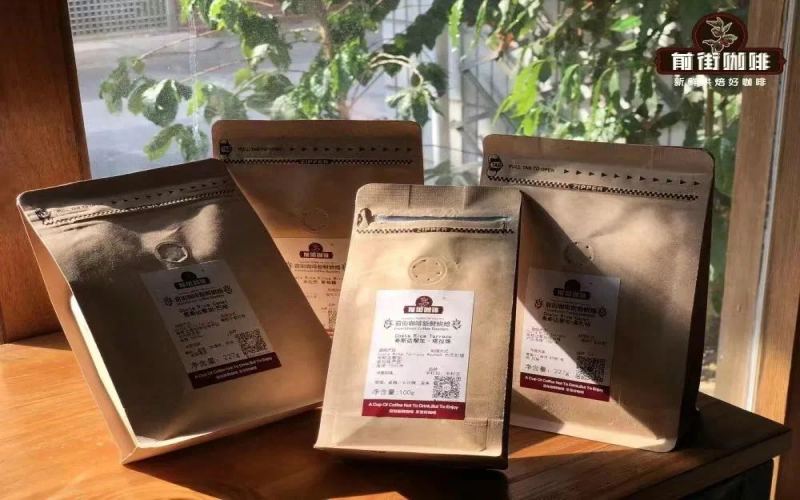
Hand Brew vs. Cold Brew: How Extraction Temperature Affects Flavor and Bean Selection
Why do the flavors of the same coffee beans differ so dramatically when brewed as pour-over versus cold brew? From the perspective of Front Street, this article systematically sorts out the core differences between high-temperature pour-over and low-temperature cold brew in terms of extraction principles, flavor expression, and suitable bean types. The article covers a comparative tasting of three methods—hot pour-over, iced pour-over, and cold brew—analyzes the effect of water temperature on the dissolution sequence of acids, sweetness, bitterness, and other substances in coffee, and provides recommendations for coffee beans suited to both brewing methods, including specific Front Street products such as Guodingding, Huahudie, Strawberry Candy, and Huakui, helping coffee enthusiasts easily make their ideal cup at home. [more…]

Is cold brew higher in caffeine than pour-over? Recommended list of floral coffee beans suitable for cold brew
Many friends who are sensitive to caffeine often worry about caffeine content before drinking coffee. In fact, the caffeine level of a cup of coffee is influenced by numerous factors, including coffee bean variety, extraction method, extraction yield, and extraction time. Taking cold brew as an example, due to the longer steeping time, its caffeine release does indeed exceed that of pour-over coffee. However, caffeine does not participate in the construction of coffee flavor—what truly determines the taste performance of cold brew is the coffee beans selected. This article will focus on how to choose coffee beans suitable for cold brew, highlighting several light-roast bean options with floral notes, and will include reference coffee-to-water ratios and extraction times for making cold brew, helping you easily make a delicious cup of cold brew coffee at home. [more…]

The Origin Story of Cold Brew Coffee | What Makes Cold Brew Coffee's Flavor Unique? How Does Cold Brew Coffee Differ from Pour-Over Hot Coffee in Taste and Mouthfeel?
For more specialty coffee knowledge, please follow: Front Street Coffee (Frontsteet Coffee). Iced coffee has a refreshing and palate-cleansing taste; even in the dead of winter, some customers come to Front Street to order this kind of iced coffee. Because iced coffee and hot coffee differ in extraction principles, the flavor of the coffee also differs. [more…]

Analysis of the Differences Between Cold Brew, Ice Drip, and Iced Pour-Over Coffee, and a Detailed Guide to Making Cold Brew
As temperatures gradually rise, iced coffee becomes the preferred drink for many coffee lovers. However, the iced coffee family has many members, and cold brew, ice drip, and iced pour-over each have different brewing processes and flavor characteristics, making it difficult for newcomers to tell them apart. This article will systematically sort out the differences among these three types of iced coffee from aspects such as brewing methods, parameter settings, and flavor performance, and focus on sharing the specific steps for making cold brew coffee. At the same time, the article also uses Front Street Coffee as an example, providing detailed brewing parameters and operating procedures to help readers easily recreate a cup of rich, mellow cold brew coffee at home. [more…]
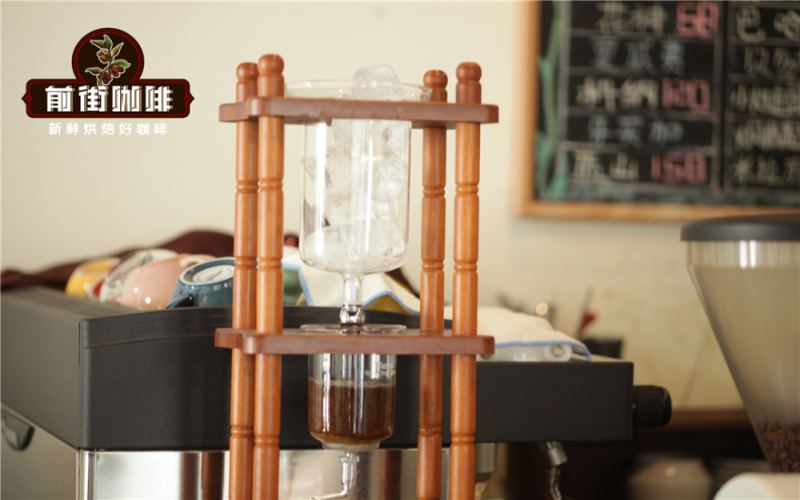
How Does Roast Level Affect Coffee Flavor? A Comparative Experiment Between Cold Brew and Pour-Over Extraction Methods
The flavor expression of coffee depends not only on the quality of the green beans, but is also closely related to the degree of roasting and the extraction method. In this experiment, coffee beans at three different roast levels—light, medium, and dark—were selected and extracted using two methods, cold drip and pour-over, to compare their specific differences in aroma, acidity, mouthfeel, and aftertaste. Light roast in cold drip presents fresh notes of citrus, jasmine, and honey, while pour-over shows bright acidity and a clean mouthfeel; medium roast in cold drip brings the sweetness of rose, grape, and blueberry, while pour-over presents the richness of chocolate and caramel; dark roast in cold drip has a pronounced oily body and a smooth mouthfeel, while pour-over is intense with a slight burnt bitterness. The article also recommends representative Front Street Coffee beans for each roast level, providing a reference for coffee lovers when purchasing and brewing. [more…]
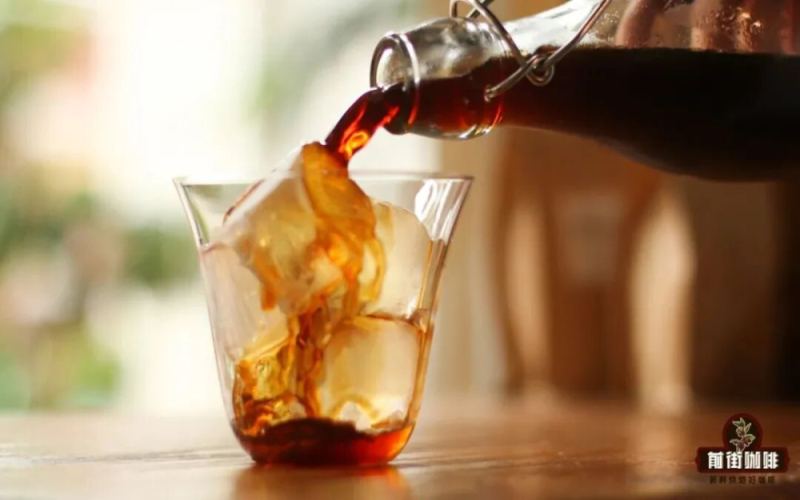
How Is Cold Brew Coffee Different from Iced Americano and Iced Pour-Over? A Complete Brewing Guide from Equipment Principles to Grind and Flow Rate
Ice drip coffee often sells for a higher price than iced Americano and iced pour-over in cafés, sometimes even in smaller portions—what is the reason behind this? Although it and cold brew both belong to low-temperature extraction, their production logic is completely different. Starting from Front Street's hands-on experience, this article will break down the four key variables of ice drip coffee—the equipment structure, grind calibration, drip rate, and coffee-to-water ratio, as well as the aging time—and provide specific parameter recommendations for light-roast and medium-roast beans. Whether you want to understand why ice drip coffee is expensive or are planning to get an ice drip pot and try it at home, this article can provide a clear operational reference. [more…]
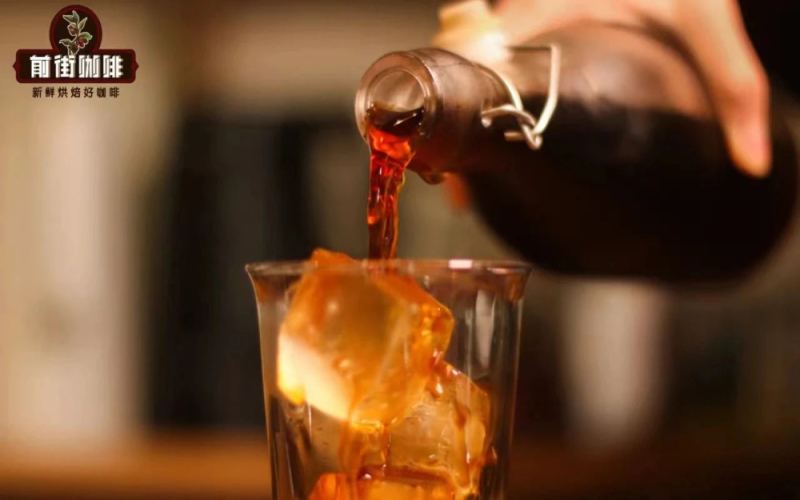
Iced Americano, Cold Brew, Ice Drip, and Iced Pour-Over: A Detailed Guide to the Extraction Methods, Preparation Time, and Taste Differences of Four Iced Coffees
When you want iced coffee in summer, there's actually more than one option. Iced Americano, iced pour-over, cold brew, and iced drip are the four common types of iced coffee, and they differ in extraction method, preparation time, equipment requirements, and final flavor. Iced Americano and iced pour-over are made by first brewing hot coffee and then chilling it with ice, while cold brew and iced drip use cold water for extraction throughout. Starting from these dimensions, Front Street Coffee explains the methods and characteristics of each type of iced coffee one by one, including specific parameters, suitable coffee beans, and taste differences, to help you make the cup you want at home. [more…]
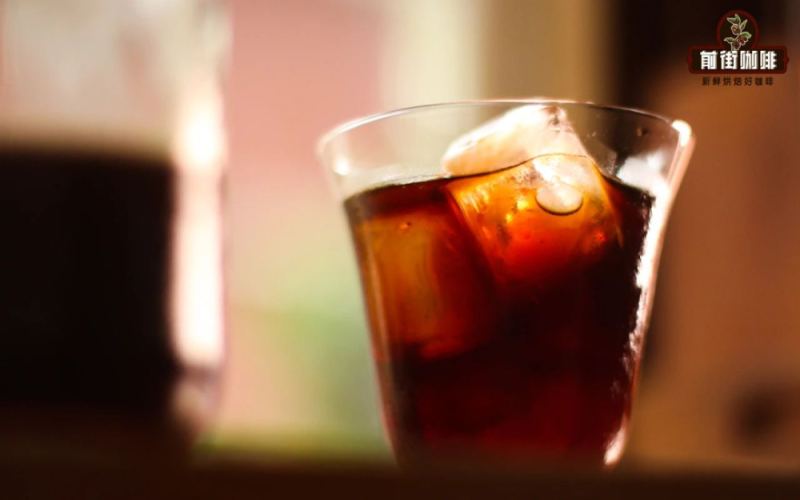
A Comprehensive Comparison of Cold Brew and Hot Brew Coffee: A Complete Guide from Extraction Principles to Summer Iced Drinks
When the scorching summer arrives, a glass of iced coffee often becomes the favorite of many. However, what exactly are the differences in flavor expression between cold brew coffee and iced pour-over, which is extracted at high temperature and then cooled down? This article will start with the historical origins of cold brew coffee, deeply compare the essential differences in extraction mechanisms between low-temperature slow extraction and high-temperature pour-over, and share the practical experience summarized by Front Street Coffee in making cold brew—including the direction for selecting coffee beans, reference ranges for grind size and coffee-to-water ratio, control of steeping time, and key points for storage. Whether you are a beginner who has just encountered cold brew or an enthusiast hoping to refine your skills, you can find content worth referencing here. [more…]

A Complete Guide to Iced Pour-Over, Cold Brew, and Cold Drip Coffee: Brewing Techniques and Storage Times
After the summer solstice, iced coffee becomes the focus of discussion among coffee enthusiasts. Drawing on community opinions, this article systematically organizes the key techniques for making three types of iced coffee: iced pour-over, cold brew, and ice drip. The content covers calculating coffee-to-water ratios, grind size recommendations, adjusting ice quantity, and the optimal drinking window and storage limits for cold brew and ice drip. Front Street also provides specific parameter references for each type of coffee to help you make iced coffee with clear flavor and a full body at home. [more…]
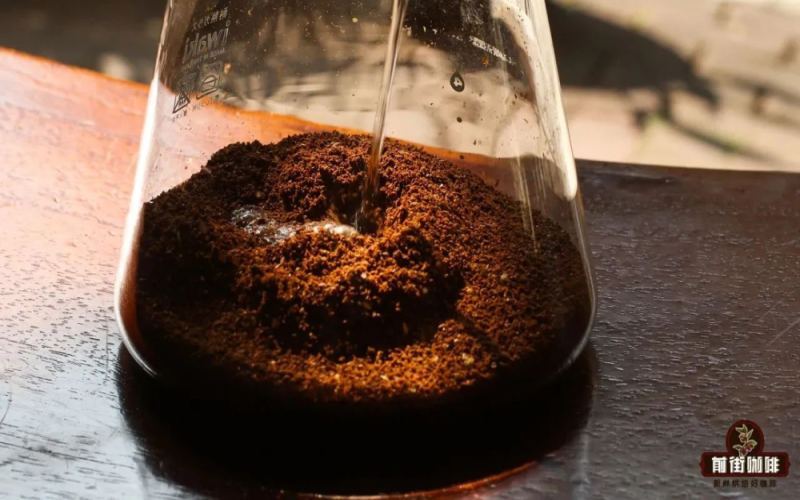
How to Make Cold Brew, Ice Drip, and Japanese Iced Coffee? A Detailed Guide from Extraction Principles to Front Street Kenya Beans in Practice
The iced coffee family has many members—cold drip, Japanese-style iced coffee, and cold brew coffee each have their own tricks. Where exactly do their methods and flavors differ? Using Front Street Kenya Little Tomato coffee beans as a practical case study, this article systematically sorts out the extraction logic of four types of iced coffee: the essential difference between hot brewing with rapid cooling and low-temperature slow extraction, the techniques for adjusting the coffee-to-water ratio and grind size in Japanese-style pour-over iced coffee, the steeping time and fermentation changes of cold brew coffee, and the key points of drip flow rate and overnight mellowing in cold drip coffee. It also includes Front Street's pour-over parameters, complete brewing steps, and flavor descriptions for each type of iced coffee, helping you find the cup of refreshing coffee that suits your taste. [more…]
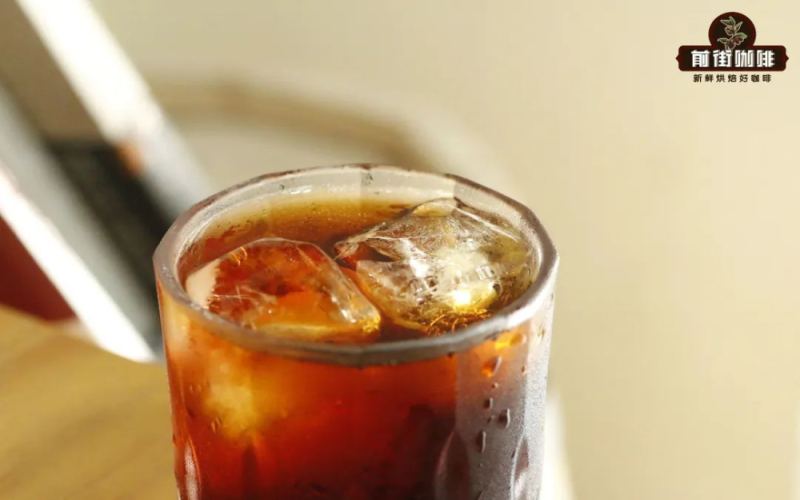
Cold Brew Coffee Beginner's Guide: From Extraction Principles to Recipe Analysis for Yirgacheffe, Mandheling, and Kenya Beans
Cold brew coffee, through its low-temperature slow extraction, presents a flavor profile completely different from pour-over, and is deeply loved by coffee enthusiasts. Based on the practical experience of Front Street Coffee, this article systematically reviews the origin of cold brew coffee, the extraction principles, suitable bean selection, and key operational points, and shares a variety of cold brew recipes centered on beans such as Yirgacheffe, Kenya, and Mandheling, covering dark berry type, refreshing and clean type, sweet and delicious type, as well as blending ideas. The article also explains in detail the production steps, fermentation duration, and drinking suggestions, helping you make a cup of cold brew coffee with full aroma and smooth mouthfeel at home. [more…]
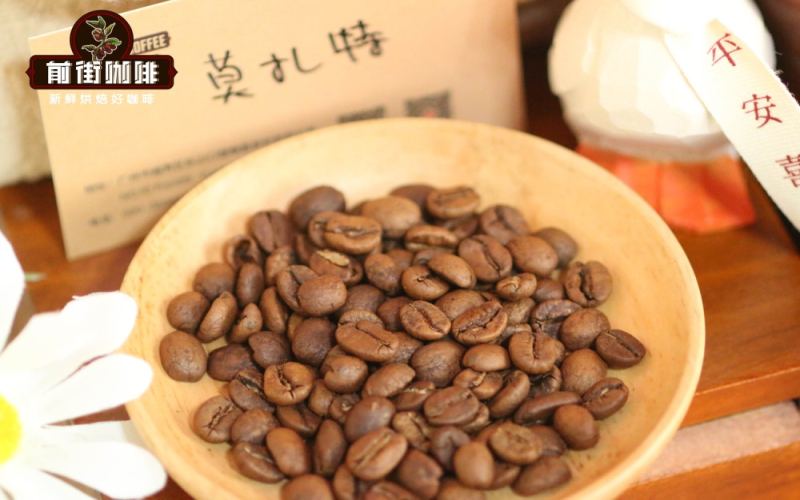
The Origin Story of Cold Brew Coffee | What Are the Flavor Characteristics of Low-Temperature Extracted Coffee? Which Single-Origin and Blend Beans Are Suitable for Making Cold Brew Coffee?
For more specialty coffee knowledge, please follow: Front Street Coffee (Frontsteet Coffee). Pour-over coffee has always been delicious, but of course you need to get some of the details right. Maybe it's time for a change of pace—then how about a cup of cold brew coffee! Front Street's cold brew coffee has always been very popular. [more…]

Cold Brew vs. Hot Brew: Flavor Differences Explained: Low-Temperature Extraction Principles, Taste Characteristics, and Key Brewing Points
Iced coffee is favored by many consumers for its refreshing and palate-cleansing taste. Even in the cold winter months, some customers still visit Front Street to order these types of drinks. Hot brew and cold brew present different coffee flavors due to their different extraction temperatures. Cold brew coffee involves steeping coffee grounds in cold water at a low temperature for a long time to release aromatic compounds, and both ice drip and cold steep fall into this category. This article will explore cold brew's historical origins, its differences from pour-over hot brew, and brewing suggestions, helping coffee enthusiasts understand what makes cold brew unique. At the same time, Front Street will also share coffee bean selections and operational details suitable for making cold brew, for everyone's reference. [more…]