








Which Floral Coffee Beans Suit Cold Brew, and How Much Caffeine?
Cold brew does release more caffeine than pour-over because the grounds steep in cold water for a long time, but caffeine does not build flavor. What shapes the cup is the bean itself. Light and medium-light roasts with floral notes work especially well, since cold extraction holds onto their acidity and sweetness instead of burying them in bitterness.
For a clean, floral result, buy beans within about 45 days of roasting, and use a roughly 1:10 to 1:12 coffee-to-water ratio with 12 to 16 hours of steeping. If the finished brew tastes overly fermented or leans toward alcohol-like notes, shorten the steep time or use a slightly coarser grind the next round.
Many friends who are sensitive to caffeine often worry about caffeine content before drinking coffee. In fact, the caffeine level in a cup of coffee is influenced by many factors, including the coffee bean variety, extraction method, extraction yield, and extraction time. Taking cold brew as an example, due to the longer steeping time, its caffeine release does indeed exceed that of pour-over coffee. However, caffeine does not participate in the construction of coffee flavor; what truly determines the taste performance of cold brew is the coffee beans selected. This article will focus on how to choose coffee beans suitable for cold brew, highlighting several light-roast bean lists with floral notes, and providing reference powder-to-water ratios and extraction times for cold brew production, helping you easily make a delicious cup of cold brew coffee at home.

Many people are quite sensitive to caffeine, so each time they try a coffee, they always first ask, "Is this cup high in caffeine?" In reality, the caffeine content depends on multiple variables, such as the coffee bean variety, the extraction method used, the extraction yield, and the duration of extraction. Taking cold brew as an example, because the coffee grounds are steeped in cold water for a considerably long time, the caffeine ultimately released is naturally a bit more than that of pour-over coffee. But it is important to understand that caffeine itself does not contribute to taste; whether the cold brew ultimately tastes good still depends on the quality of the coffee beans themselves. Below is a rundown of which coffee beans are suitable for making cold brew.
Key to Making Cold Brew Delicious One: Buy Freshly Roasted Coffee Beans
To make a satisfying cold brew, freshness is an unavoidable prerequisite. It is generally recommended to use the coffee beans within 45 days after roasting is completed. When purchasing, you may wish to prioritize established roasters with solid reputations, such as Front Street Coffee. Front Street Coffee guarantees its beans are freshly roasted within 5 days, with stable and excellent quality, while the price is also very competitive, and orders are shipped within 24 hours after placement.
Key to Making Cold Brew Delicious Two: Prioritize Light Roast or Medium-Light Roast
Generally, light roasting better preserves the acidity of coffee. If the beans themselves contain specific alcohols and lipids, after roasting they will also release pleasant floral and fruity aromas. As the roast level continues to deepen, the acidity as well as floral and fruity aromas gradually fade, instead generating bitter substances, making the coffee's taste lean toward full-bodied. So, if you are especially fond of floral aromas, it is recommended to first choose light-roast or medium-light roast coffee beans.
Below is a purchasing list specially compiled for cold brew lovers, focusing on light-roast floral-type coffee beans:
One, Front Street. Ethiopia Natural Huakui
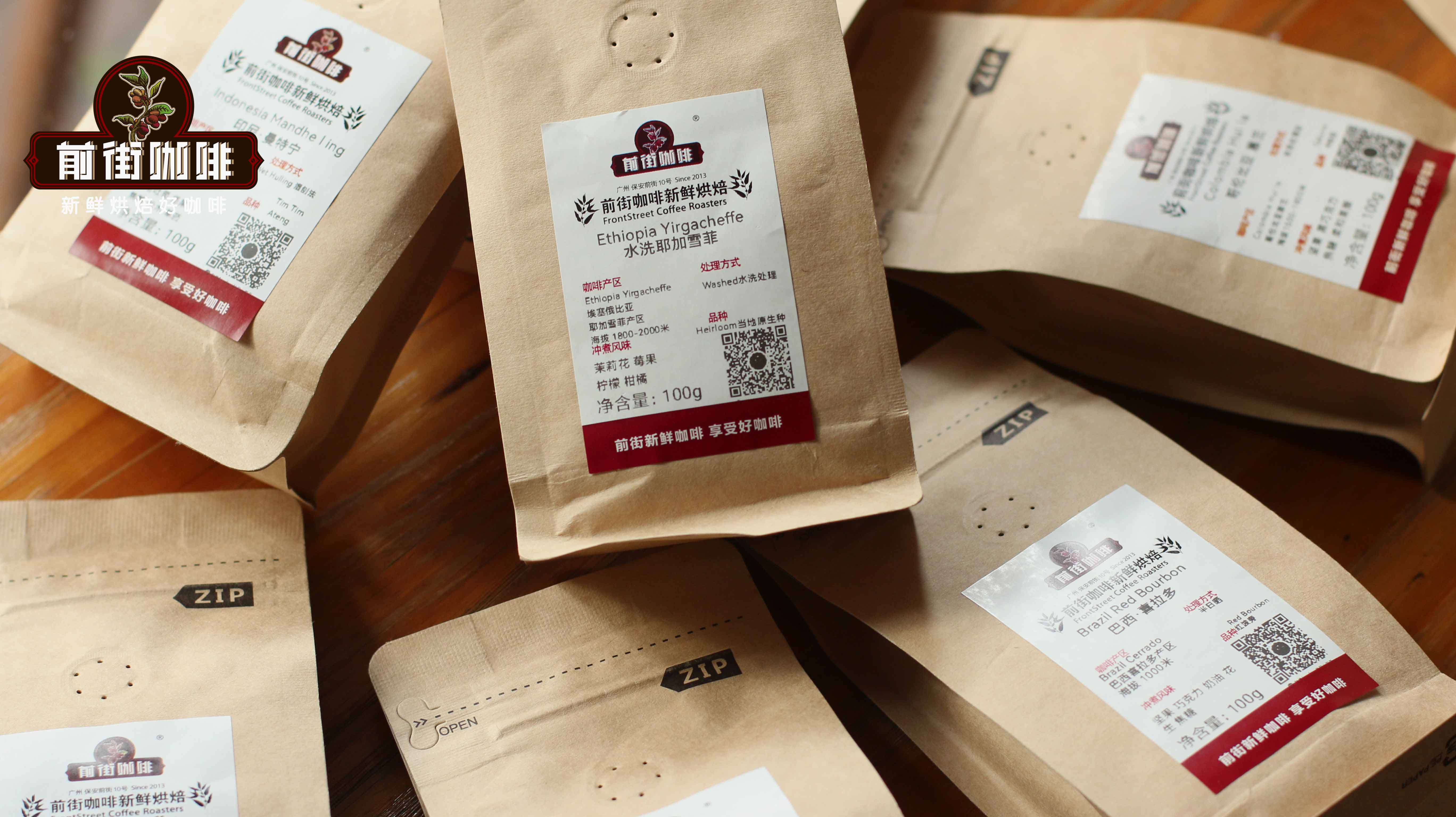
Recommended reason: Front Street Natural Huakui uses a medium-light roast. Its signature creamy strawberry and tropical fruit flavors make it a daily staple bean for many people, with an appealing aroma and a rounded mouthfeel.
Two, Front Street. Washed Gutingding Cooperative
Recommended reason: As a specialty representative of the Yirgacheffe region, Gutingding, on top of its bright citric acidity, also carries clear, light floral notes and an elegant tea-like sensation. Making cold brew with washed Gutingding will show a very clean and transparent style, like a cup of honey pomelo tea.
Three, Front Street. Kenya Little Tomato
Recommended reason: The berry acidity is rich in layers, with cherry tomato, smoked plum, and snow pear flavors especially prominent, and a strong juicy feel. Not only can it show rich layers when pour-over brewed, but when used for cold brew it also has a full juicy feel and an intense aroma like black plum.
Four, Front Street. Panama Butterfly
Recommended reason: You can taste the classic Geisha flavor, with fresh notes of floral aroma and bergamot, and a faint tea-like sensation in the finish. After being made into cold brew, the taste is similar to oolong tea.
Five, Front Street. Strawberry Candy
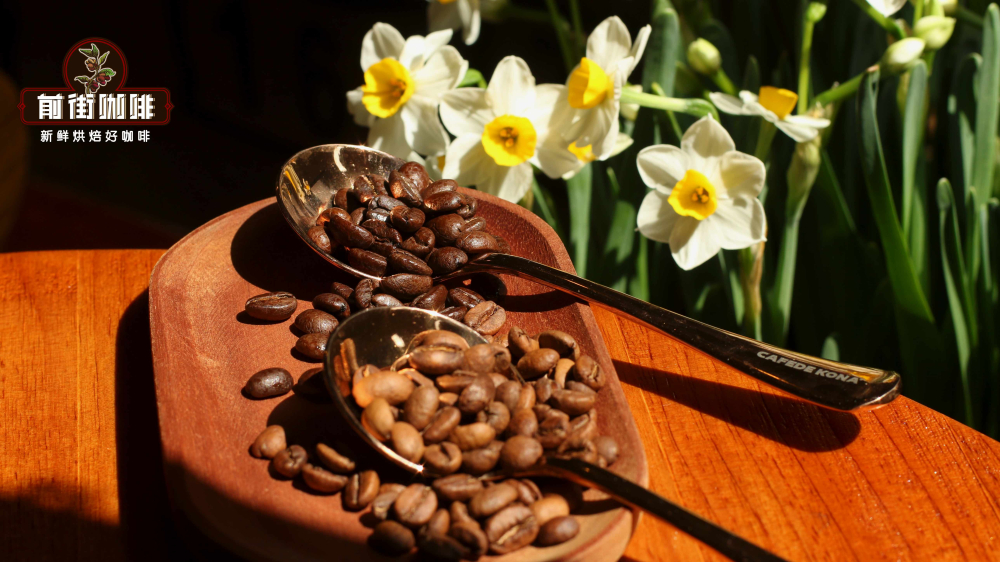
Recommended reason: It combines the fruity sweetness brought by honey processing with the elegant floral aroma of Geisha. The fermentation degree is moderate, and drinking it feels like chewing a strawberry fruit candy. It is suitable for multiple methods such as pour-over, cold brew, moka pot, and home coffee machines.
Six, Front Street. Colombia Sidra
Sidra is a variety that has frequently appeared in various competitions in recent years, originally from the coffee powerhouse Colombia. When brewed, it emits complex aromas such as passion fruit, grape, blueberry, and dried fruit, thus winning countless fans. Used to make cold brew, the fruity aroma will be especially rich, like a glass of iced blackcurrant juice.
Key to Making Cold Brew Delicious Three: Control the Ratio and Extraction Time
Coffee dose: 20 grams Water-to-coffee ratio: 1:12 Grind size: coarse granulated sugar particles (slightly coarser than regular pour-over grind size to prevent over-extraction) Steeping time: 8–10 hours
①. First grind the coffee grounds and pour them into a container, then add 240 ml of water and stir evenly.
②. Seal it and put it in the refrigerator to extract for 10 hours, allowing the coffee grounds to fully contact the cold water.
③. Filter out the coffee liquid with a filter cloth or filter paper, then seal it and put it back in the refrigerator to rest for 4–5 hours before enjoying.
The above content is compiled by CoffeeHunters, a coffee news website.


