







Search Results for: cold drink experience

Can You Make Cold Brew with Hot or Warm Water? Flavor Comparison Experiment of Quick-Extracted Cold Brew Coffee at Different Water Temperatures
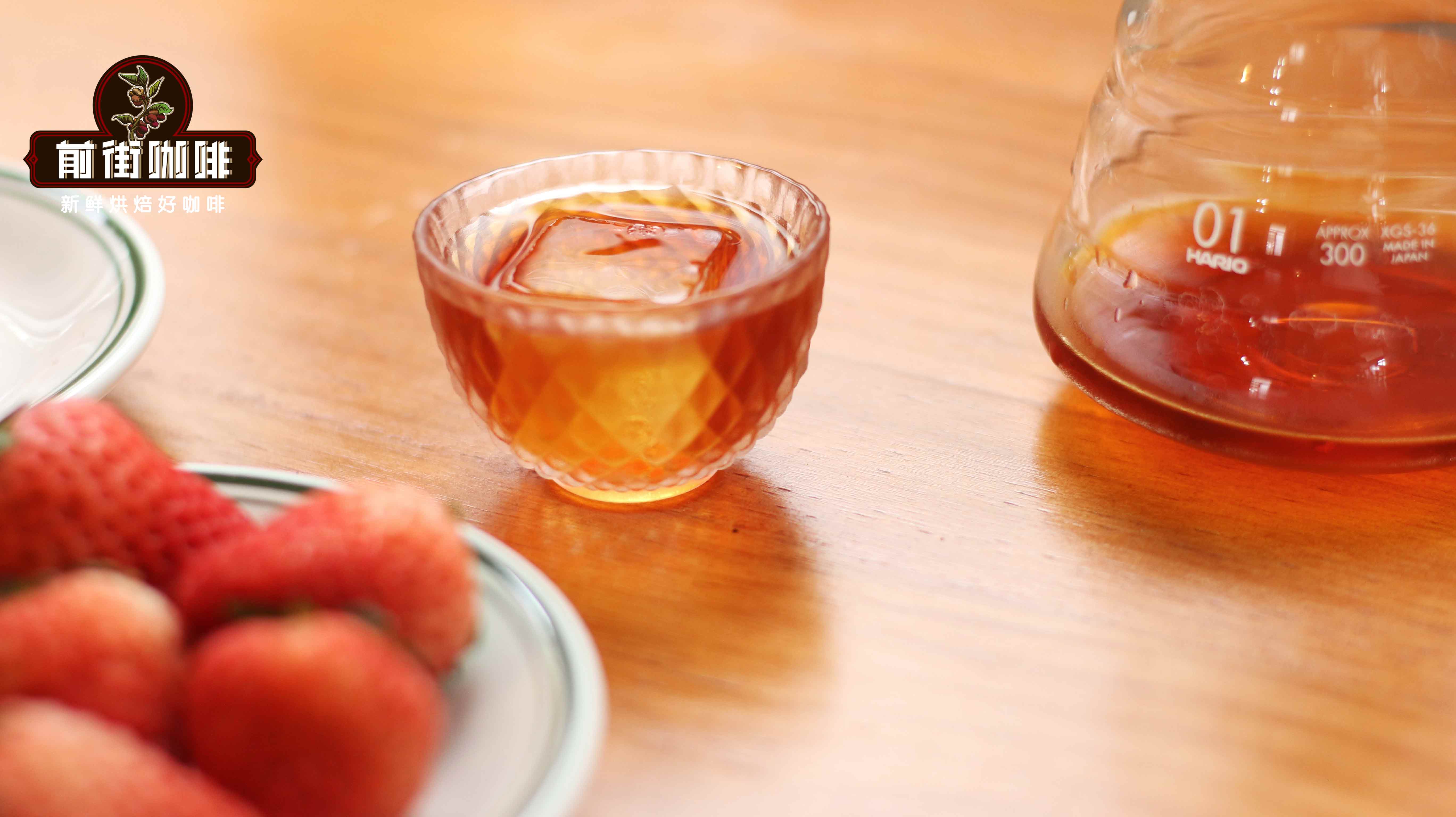
Cold brew coffee usually requires 8 to 12 hours of low-temperature slow extraction, but what if you want to drink it the same day? Raising the water temperature can speed up extraction, but if you use hot water directly, it becomes hot brew, and the floral and fruity aromas and low bitterness unique to cold brew will also disappear. Front Street compared three methods through experiments: conventional 23°C cold water extraction for 10 hours, 40°C warm water extraction for 4 hours, and 92°C hot water blooming followed by room-temperature water extraction for 4 hours. The beans used were Colombia · Hanami, with full berry acidity, floral notes, and pink pepper flavors. The results showed that the 40°C warm water rapid cold brew was closest to the performance of conventional cold brew, with both a fermented feel and clearly presented flavors, making it suitable for friends who want to drink cold brew quickly. [more…]
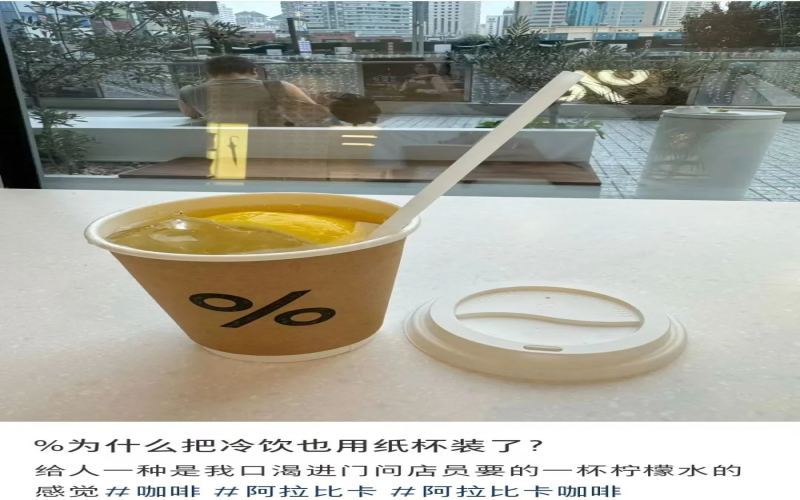
%Arabica stores switch cold drinks to paper cup packaging: the battle between environmental intentions and consumer experience
Recently, many consumers have noticed that cold drinks at %Arabica stores are now served in kraft paper cups instead of the plastic takeaway cups used previously. According to reports, this change has been gradually implemented since last year, with stores switching to paper cups uniformly after depleting their plastic cup inventory. What was originally thought to be a temporary measure taken only in response to Hong Kong's plastic ban now appears to have expanded to more regions. However, the use of paper cups for cold drinks has raised widespread concerns among customers, including condensation on the cup walls, the cup becoming soft, the papery taste affecting the flavor, and the impact on the visual appeal for photos. At the same time, store staff are also facing challenges with efficiency in serving drinks. How to balance environmental principles with the consumer experience has become the core controversy of this packaging overhaul. [more…]
What specialty beans should you choose for cold brew iced coffee? Analyzing the differences between cold brew and Americano and a soda water extraction experiment
Cold brew coffee, with its unique low-temperature slow extraction method, has become a popular drink in the hot summer days. Which coffee beans are actually suitable for making it? And what are the essential differences between it and Americano, which also uses water as a medium? This article starts with the origin of cold brew coffee, sorts out its production process and the principles of pairing it with pastries, and brings Front Street Coffee's cold brew bean recommendations. In addition, through a set of comparative experiments, we explore the differences in concentration and flavor between cold brew coffee made with soda water and purified water, providing coffee lovers with a more comprehensive cold brew guide. [more…]
The Grinding Logic and Bean Selection Guide for Low-Temperature Cold Brew Coffee: From Extraction Principles to Specialty Drink Concentration Control
Cold brew coffee is extracted in a low-temperature, still environment, and many people habitually assume that grinding the coffee finer will increase its strength—but is that actually true? Through comparative experiments, Front Street Coffee found that a coarser grind actually yields a higher TDS reading in cold brew. Starting from the underlying logic of water temperature and particle movement, this article will explain why the "finer grind equals stronger coffee" theory that applies to high-temperature pour-over does not hold for cold brew. It also offers coffee bean recommendations suitable for cold brew, suggested coffee-to-water ratios, and points to note on grind selection for beans of different roast levels, helping you make a specialty cold brew with just the right strength and an aroma that isn't masked by added ingredients. [more…]
Analysis of the Relationship Between Cold Brew Steeping Time and Flavor: A Guide to Overnight Drinking, Caffeine Content, and Healthy Consumption
Cold brew coffee, with its low-temperature extraction and easy operation, has become the top choice for many coffee lovers making iced coffee at home. But there are still plenty of questions surrounding it: Can you still drink it after leaving it overnight? Does it have less caffeine than hot coffee? How should you drink it to be healthier? Drawing on Front Street's hands-on testing experience, this article uses Red Cherry coffee beans in a comparative experiment with different steeping durations, sorts out the coordination logic among grind size, coffee-to-water ratio, and time, and offers two everyday cold brew scenarios to help you reliably make a delicious and reassuring cup of cold brew within the safe window of 8–18 hours. [more…]
Can Blended Coffee Beans Be Used for Cold Brew? A Detailed Guide to Cold Brew Ratios and Practical Experience
In the heat of summer, a refreshing glass of cold brew is the go-to choice for many coffee lovers looking to beat the heat. But have you ever considered that coffee beans blended from two or more varieties can also produce an outstanding cold brew? Cold brew, due to its low-temperature, long-duration extraction, has a richer, smoother mouthfeel, yet its floral and fruity notes gradually fade with storage time. This article draws on the hands-on experience of Front Street Coffee, first outlining the characteristics of cold brew and the advantages of blended beans, then recreating several blending experiments one by one: from Sidra with Geisha, Pacamara with Red Cherry, to Huakui paired with Strawberry Candy and Wangshan Geisha, and finally challenging the dark-roasted Queen's Estate blended with Flower God. Some of these recipes are full-bodied and layered, while others flop into a "mask of pain," yet they perfectly showcase the fun and possibilities of blended cold brew. [more…]
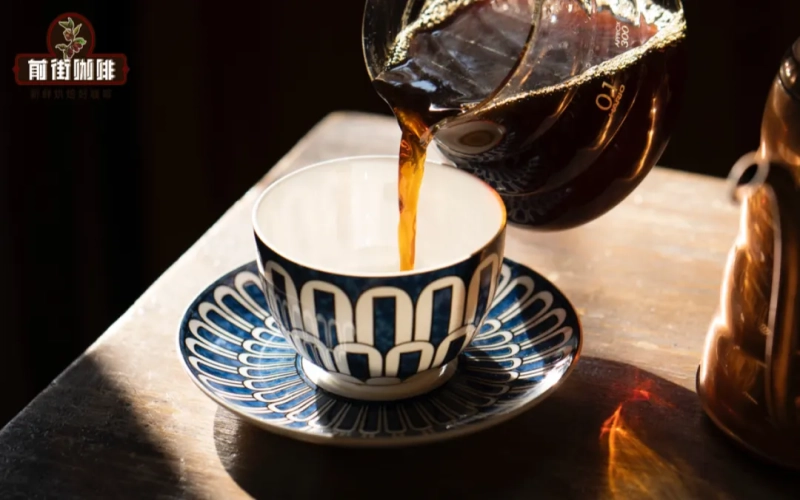
How Does Water Quality Shape Cold Brew Flavor? Coffee Brewing Recommendations After Testing Four Types of Drinking Water
In a cup of black coffee, water makes up the vast majority, so its impact on flavor must not be underestimated. Different brands of drinking water vary in mineral composition, hardness, and pH, so the coffee brewed with them naturally takes on different characteristics. To investigate this variable, Front Street Coffee selected four common drinking waters—Baisui Mountain, Nongfu Spring, Ganten, and C'estbon—and used the same Costa Rica Mozart coffee beans to make cold brew, measuring TDS, coffee liquid concentration, and recording flavor performance one by one. The experiment found that the amount of calcium and magnesium ions in water affects extraction efficiency and taste direction, while Nongfu Spring with medium TDS and C'estbon purified water each showed distinct stylistic differences. This article will present the full experimental process and tasting results, and offer water selection suggestions for different taste preferences. [more…]
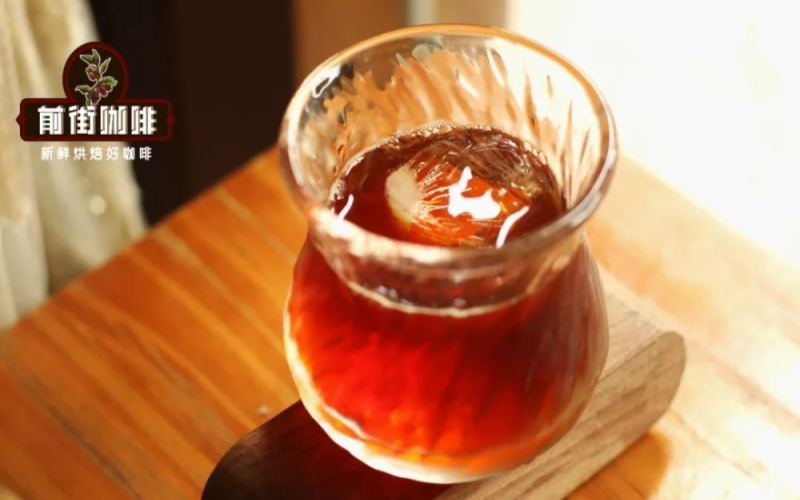
Fruit-Infused Cold Brew Coffee Pairing Experiments: Four Recipes, Flavor Comparison, and a Coconut Cold Brew Latte Recipe
Under the framework of cold brew coffee's low-temperature slow steeping, there are inherently few adjustable variables—just water volume, water temperature, grind size, and steeping method. But if fruit is brought into the steeping process as well, could it open up new flavor territory? Front Street paired blueberries, grapes, lemons, and peaches with four coffee beans of different character profiles, ran a round of fruit cold brew experiments, and recorded the aroma, mouthfeel, and pros and cons of each group. In addition, it extended into mixing ideas for cold brew lattes, sparkling cold brew, and coconut water cold brew, and summarized the types of fruit suitable for steeping and the direction for choosing coffee beans, as a reference for recreating them at home. [more…]
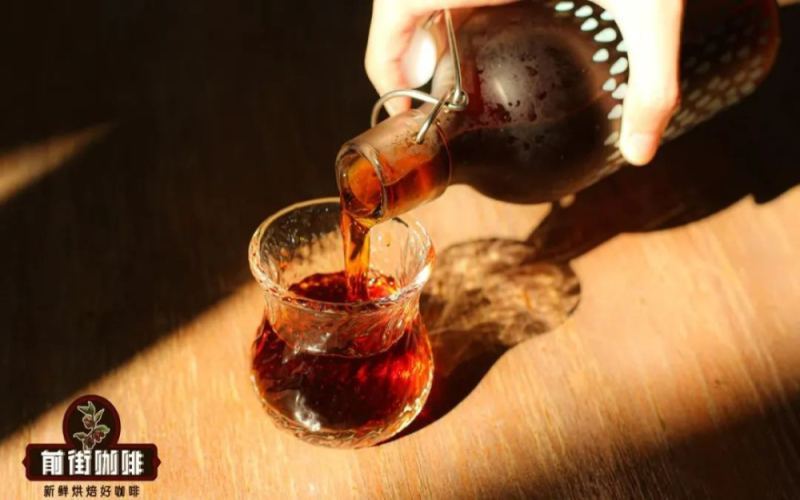
A Complete Guide to Innovative Iced Drip Coffee Drinks: Pairing Fruit, Dried Flowers, Preserved Plums, Milk, and Coconut Water
Cold brew and ice drip are usually recommended to be enjoyed black in coffee shops, so as to savor the unique flavor layers of low-temperature extraction. But for coffee lovers who are keen on making coffee at home, these two types of coffee are far more versatile than that. By adding different ingredients such as fruit, dried flowers, preserved plums, milk, or coconut water, an ordinary cold brew can transform into a completely different taste experience. This article compiles five hidden ways to drink cold brew and ice drip summarized by Front Street Coffee, explaining everything from bean selection to pairing ideas one by one, helping you easily recreate at home the creative specialty drinks sold for fifty yuan a cup in coffee shops. [more…]
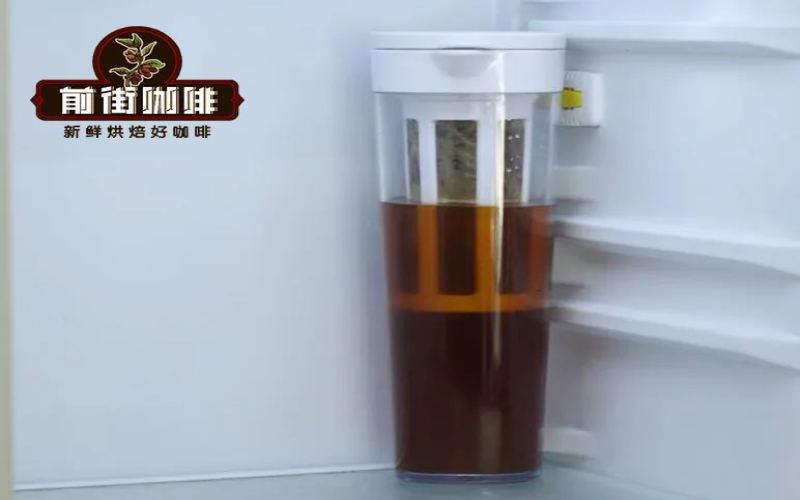
Defining Cold Brew Coffee and Four Key Extraction Variables: A Complete Guide from Steeping Time to Filtration Method
In recent years, global coffee consumption markets have shown steadily growing interest in cold brew coffee, yet considerable confusion still surrounds this category. Cold brew is essentially an extraction method, not a specific form of cold drink—it refers to the process of slowly dissolving flavor molecules from coffee grounds using low-temperature water as the medium. Compared with hot-water brewing, cold brew's extraction efficiency is greatly reduced due to the constraints of water temperature, so it is necessary to control factors such as time, bean condition, stirring technique, and filtration precision in order to obtain a cup of iced coffee with balanced acidity and sweetness and a clean mouthfeel. Front Street Coffee, combining in-store practical experience with comparative experiments, has sorted out four key variables that affect cold brew flavor, along with operation suggestions that can be replicated at home, for coffee enthusiasts to check item by item. [more…]
Cold Brew Coffee Shelf Life Fully Explained: How Long Is Best to Finish It Under Refrigeration and Sealed Storage?
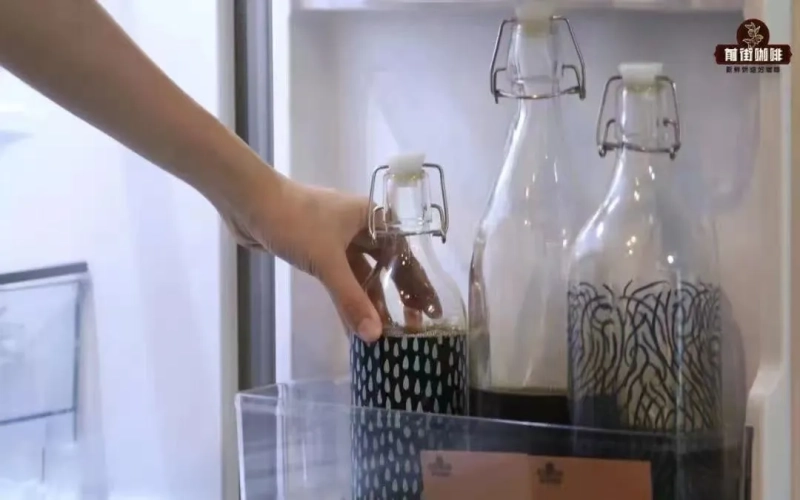
More and more people are making cold brew coffee in the summer—brewing a big batch at once and keeping it in the fridge to drink slowly is indeed convenient. But problems come along with it: how many days can this batch of cold brew actually last? When does the flavor start to decline? When might it spoil? Front Street Coffee, drawing on hands-on testing experience, lays out clearly the shelf life of cold brew coffee, the optimal drinking window, the impact of how often it's opened, and the special precautions when using warm water to speed up extraction—helping you both enjoy good flavor and hold the safety line. [more…]
Recommend a Few Coffee Beans Suitable for Cold Brew: Balancing Budget and Drinking Frequency
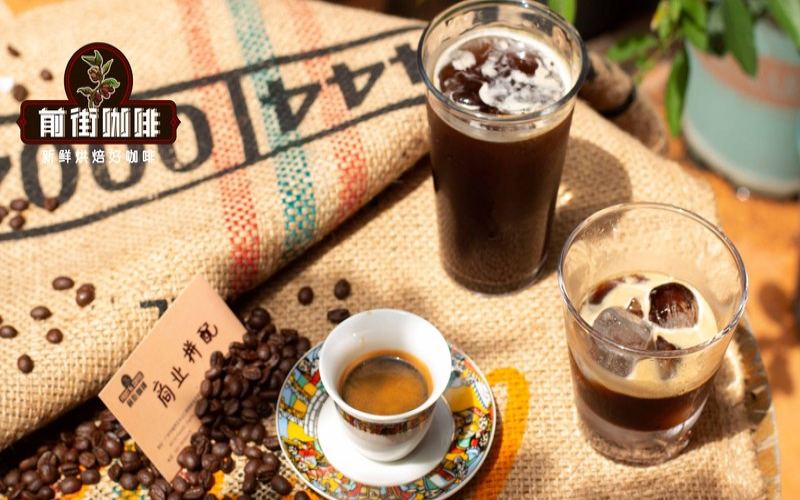
Choosing coffee beans suitable for cold brew is something you gradually learn to judge through tasting experience. When buying beans day to day, you need to consider how quickly you'll drink them, how much to buy at once, and whether you mainly make black coffee or milk-based coffee at home. The flavor notes on the packaging can offer clues, but they can't replace the actual drinking experience—whether the acidity is mellow, whether the sweetness lingers, and the mouthfeel [more…]
What beans to choose for Starbucks cold brew? Front Street analyzes Yunnan cold brew coffee bean flavors and specialty stories
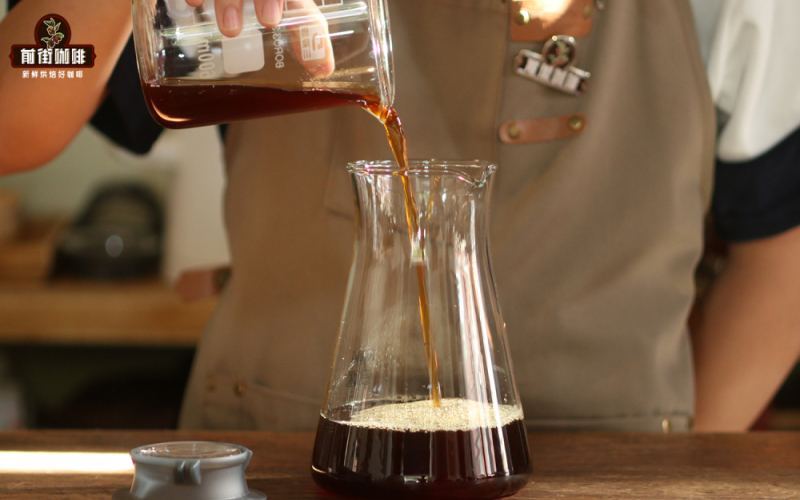
Cold brew coffee, with its smooth mouthfeel and low bitterness brought by low-temperature long-time extraction, has become a favorite of many coffee lovers. The cold brew series once launched by Starbucks made this trend sweep the whole country. So, which type of coffee beans should be chosen for making cold brew? Front Street Coffee recommends sun-dried, washed, or specially processed beans, and takes Yirgacheffe Gudingding and Panama Butterfly as examples to show the flavor performance of different producing regions. This article will also share creative drinking methods such as adding sparkling water, milk, or alcohol, as well as a hands-on experience of making cold brew with room-temperature water, to give you a comprehensive understanding of the charm and key points of making cold brew coffee. [more…]
How High Is the Caffeine Content in Cold Brew Coffee? A Detailed Explanation of the Cold Brew Method, the Principles Behind Its Energizing Effect, and the Pros and Cons of Caffeine
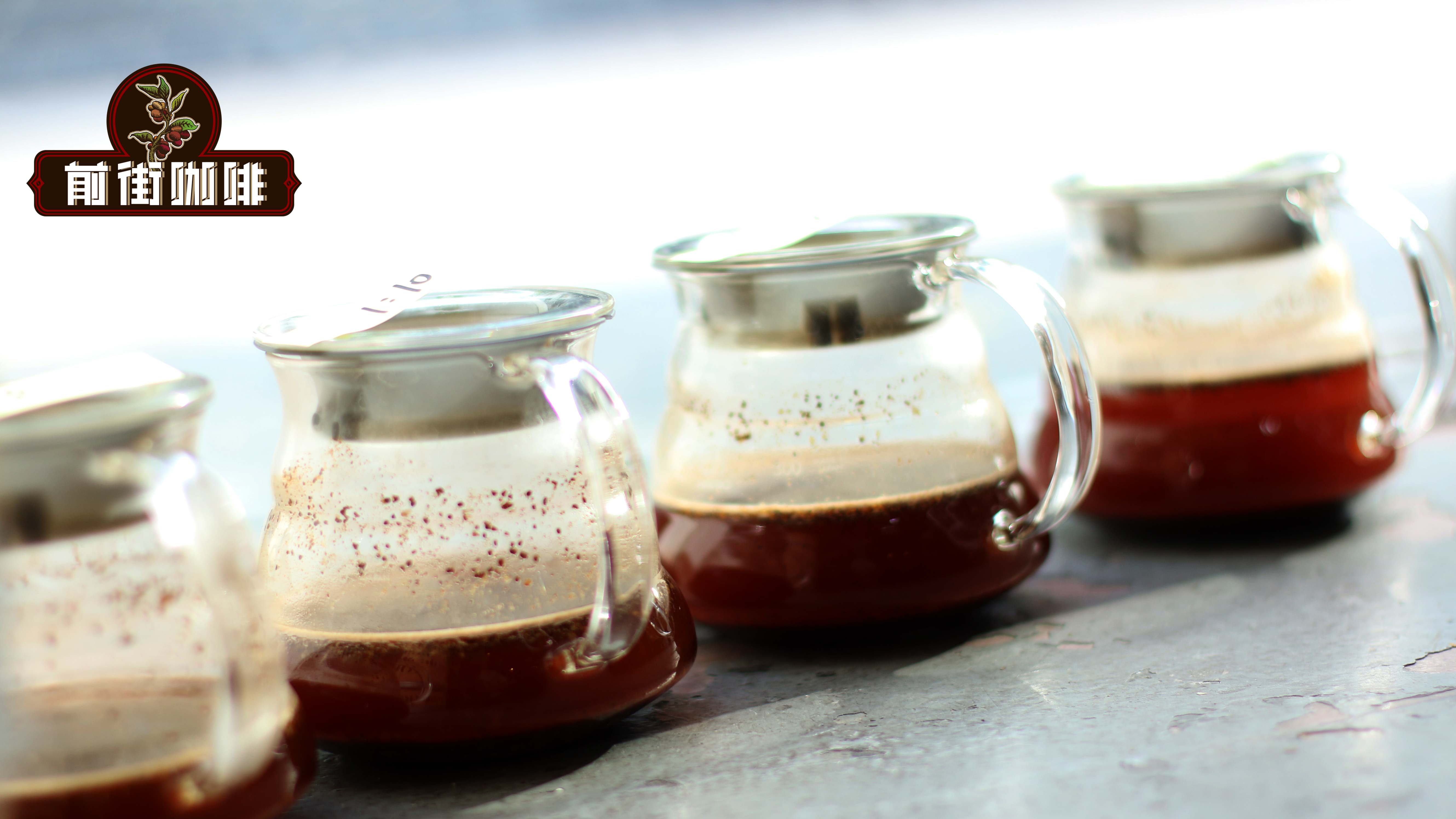
Cold brew coffee has gained great popularity among coffee enthusiasts in recent years, not only for its smooth taste but also for its often stronger energizing effect compared to regular Americano. So how much caffeine does cold brew coffee actually contain? Why does it keep people alert? What are the benefits and drawbacks of caffeine for the human body? This article, drawing on the production experience of Front Street Coffee, provides a detailed introduction to the caffeine content of cold brew coffee, the brewing steps, suitable coffee bean choices, and the mechanism by which caffeine acts on the central nervous system, helping you gain a comprehensive understanding of this refreshing drink essential for summer. [more…]
Ice Drip vs. Cold Brew: A Comprehensive Comparative Experiment from Brewing Principles to Flavor Expression
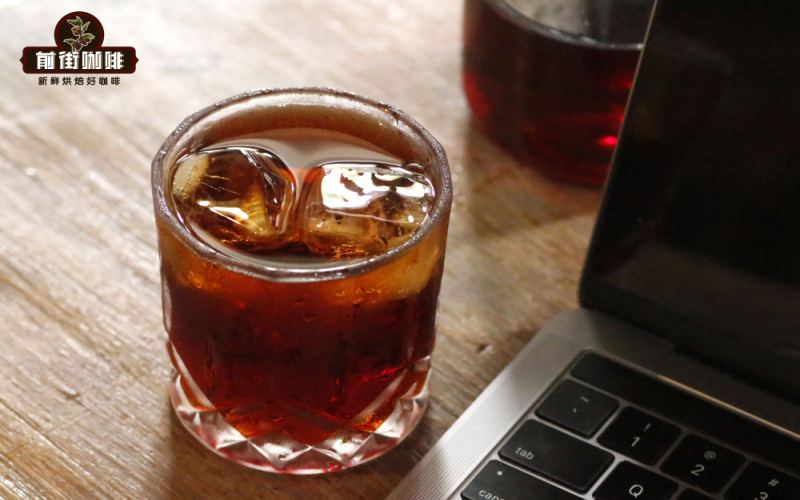
Ice drip coffee and cold brew coffee are two common methods of making cold coffee, and the two differ noticeably in production process, extraction time, and final flavor. Front Street Coffee conducted a synchronized experiment using the same sun-dried Huakui coffee beans, comparing the production methods and resulting performance of ice drip and cold brew in an all-round way, from grind size calibration to powder-to-liquid ratio setting, and then to extraction time and post-processing methods. The experimental results showed that ice drip coffee was clear and bright, with a clean and refreshing mouthfeel, carrying fermented notes and a faint berry-like sweet acidity; cold brew coffee, by contrast, had a full-bodied mouthfeel and uniform flavor, with prominent fruity sweetness and a weaker fermented note. This article will analyze in detail the differences in production methods between the two types of cold coffee, the experimental plan, and the flavor comparison results, to help coffee enthusiasts more clearly understand the characteristics of both and the basis for choosing between them. [more…]
Cold Brew Vienna Coffee Making Guide: Bean Selection Key Points, Cream Handling, and Detailed Parameters & Ratios
On a scorching summer day, a glass of iced coffee always brings a rare moment of cool comfort. If you top cold brew with a layer of velvety cream, you get the Cold Brew Vienna, which has become quite popular in recent years. This drink is not complicated to make and can easily be recreated at home, but if you want it to reach its best flavor, the choice of coffee beans and the way the cream is handled are the two key steps. Based on Front Street Coffee's hands-on experience, this article sorts out the roast levels suitable for pairing with cream, recommended specific bean options, and the differences between milk caps and whipped cream along with suggestions for choosing between them, and it also includes complete preparation parameters and drinking methods to help you make a cup of Cold Brew Vienna at home with distinct layers and a striking contrast in texture. [more…]
What's the difference between ice drip coffee and cold brew coffee? A comprehensive comparison from brewing principles to flavor expression
Ice drip coffee and cold brew coffee are two common cold coffee methods, and many coffee enthusiasts discuss the taste differences between them when drinking coffee at Front Street. This article, through actual experiments, uses the same Front Street sun-dried Huakui coffee beans and employs both ice drip and cold brew methods to make coffee, conducting a comprehensive comparison from production time, equipment, coffee-to-water ratio, extraction scheme to the final flavor performance. Ice drip coffee is clear and bright, with a clean and refreshing taste, carrying fermentation notes and a vinous charm; cold brew coffee, on the other hand, has a full body, obvious fruity sweetness, and a uniform flavor. Through this experiment, the significant difference between the two in terms of a clean and refreshing taste can be clearly identified. [more…]
What exactly is the difference between a Dirty and an iced latte? A full breakdown of bean selection, cup size, layering, and how to drink it.
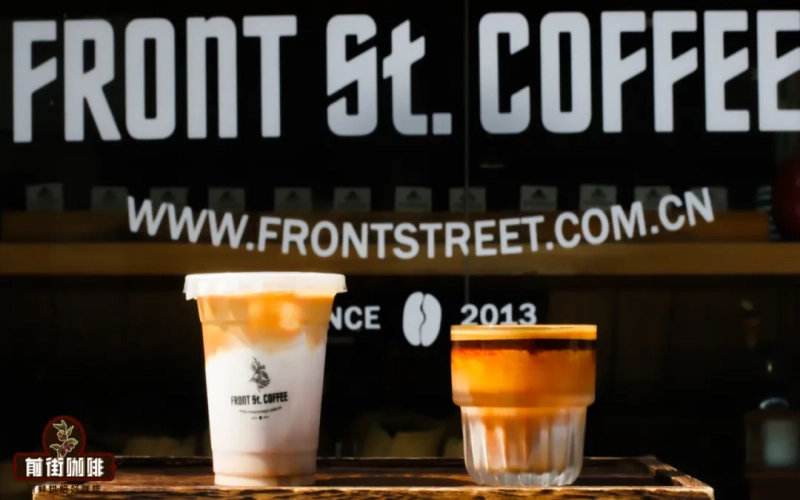
Dirty and iced latte are both combinations of cold milk and espresso, and because they look similar and use the same ingredients, they are often lumped together. But the two have significant differences in cup size, whether ice is added, cup temperature, the purpose of layering, and the way they are drunk. Dirty emphasizes taking a big gulp and experiencing the interwoven layers of hot and cold, bitter and sweet, while iced latte needs to be stirred evenly before enjoying its balanced taste. When making a Dirty, the choice of coffee beans is crucial. Front Street recommends medium-dark roasted blends or single-origin SOE beans to highlight caramel and chocolate flavors, and medium-light roasted beans can also be used to obtain fresh fruity notes. This article will, from Front Street's professional perspective, break down one by one the differences in making and tasting points between Dirty and iced latte. [more…]
How should you drink cold brew coffee to get the right flavor? Why must it be brewed a day in advance, and a guide to pairing it with sparkling water and juice
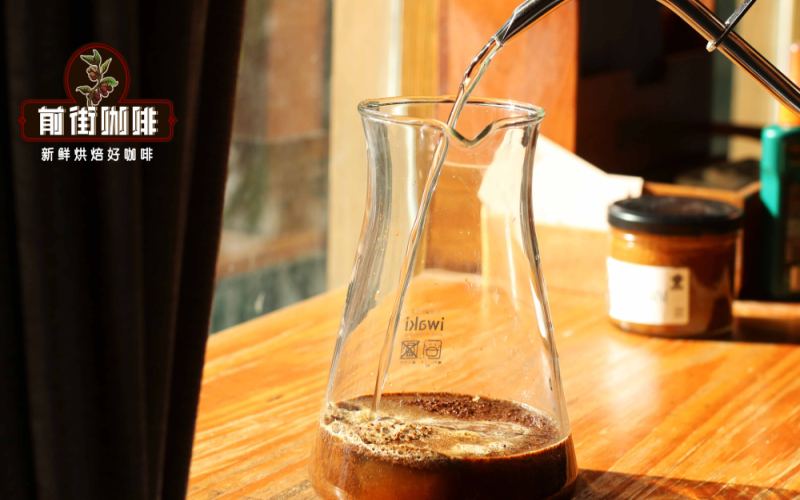
Cold brew coffee and conventional hot-brewed coffee are fundamentally different in their production logic; they must be steeped a day in advance to achieve the ideal flavor. That is why Front Street's cold brew does not offer a large menu of bean options like pour-over does. For this reason, Front Street is especially careful when selecting beans for cold brew, specifically choosing varieties suited to low-temperature extraction with high flavor acceptability, so that customers can still enjoy an excellent experience within a limited selection. Many friends want to recreate it at home after trying it, so this article will share in detail the steps for making cold brew, its flavor characteristics, and ideas for specialty drinks paired with sparkling water, juice, and fresh milk, along with specific bean recommendations from the Front Street brand. [more…]
How to Make Cold Brew Coffee at Home: A Complete Guide to Coffee-to-Water Ratio, Steeping Time, and Flavor Profile
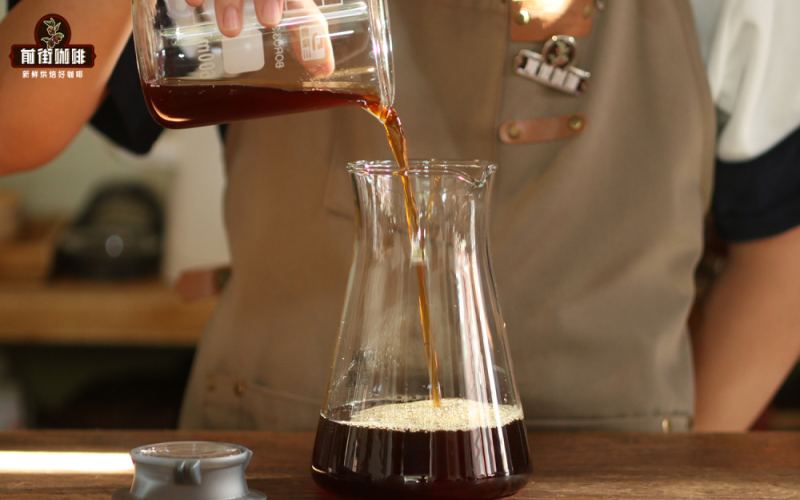
On a hot summer day, cold brew coffee always sparks lively discussion among coffee lovers. It requires no complicated equipment—just prolonged contact between cold water and coffee grounds—to deliver an iced coffee experience with a prominent aroma and a rich, smooth mouthfeel. This article will systematically explain the definition of cold brew coffee, the differences between room-temperature and low-temperature steeping, the choice of coffee beans suitable for making it, and Front Street Coffee's recommended 1:10 coffee-to-water ratio, grind size, and specific step-by-step instructions. It will also cover when to drink cold brew coffee and how long it keeps, helping you easily make a satisfying glass of cold brew at home. [more…]