







How to make coffee at home with milk for Cold Brew Vienna
Cold Brew Vienna is made by brewing coffee at a 1:10 to 1:12 coffee-to-water ratio for 12 to 16 hours, chilling it, then pouring it into a glass and topping it with a layer of chilled cream. Serve it right away without stirring so the dark coffee and pale cream stay in separate layers.
Bean choice matters more than technique. Medium to dark roasts pair better with sweet cream, while light roasts clash with it. Front Street Coffee notes that a milk cap blends into the coffee, whereas whipped cream holds a thicker layer on top, so chilling the cream well keeps the layers distinct.
On a scorching summer day, a glass of iced coffee always brings a rare moment of cool comfort. If you top cold brew with a layer of velvety cream, you get the Cold Brew Vienna, which has become quite popular in recent years. This drink is not complicated to make and can easily be recreated at home, but to achieve the best flavor, the choice of coffee beans and the way the cream is handled are the two key steps. Drawing on Front Street Coffee's hands-on experience, this article sorts out the roast levels suitable for pairing with cream, recommended specific beans, and the differences between milk caps and whipped cream along with selection advice, plus complete brewing parameters and drinking methods, to help you make a Cold Brew Vienna at home with distinct layers and a striking contrast in texture.
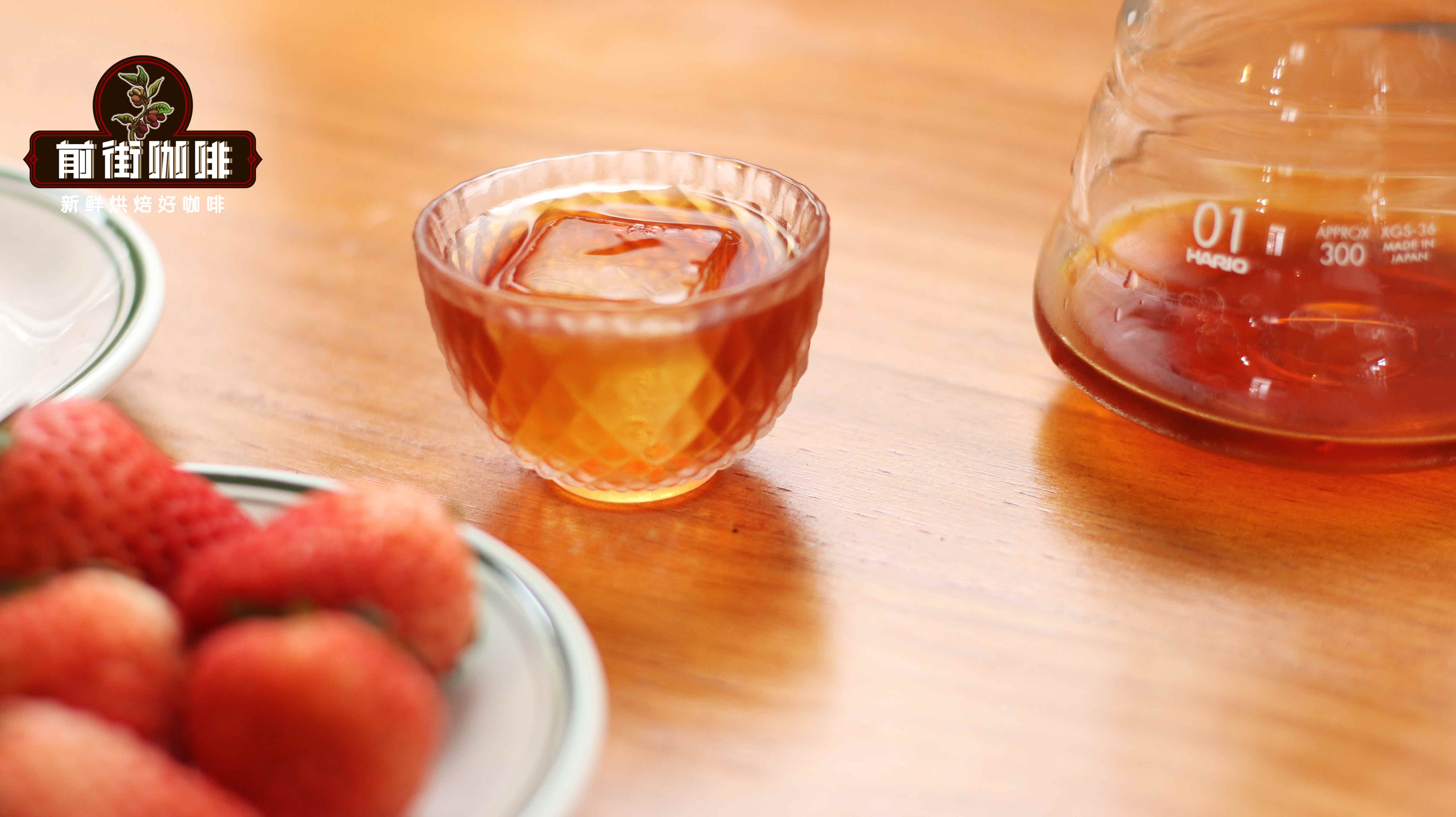
In the heat of summer, there is nothing more comforting than a glass of iced coffee; if you can add a layer of cream on top, the sense of happiness doubles again. Cream is often regarded as coffee's golden partner because it brings a sweet, mellow taste and silky texture that is the exact opposite of coffee. When cream blends into coffee, you get a drink that resembles a Dirty but with a stronger contrast and fuller layers. Vienna coffee and Con Panna are widely known precisely because of the addition of cream.
Today Front Street Coffee wants to share a cream coffee that is especially suited to enjoying in hot weather — the Cold Brew Vienna. Anyone who has tried it outside surely knows that its taste is quite outstanding, and calling it a "crowd favorite in the coffee world" is no exaggeration.
The method for Cold Brew Vienna is actually quite simple. As Front Street Coffee said at the beginning, you just need to cover the surface of cold brew coffee with a layer of cream. There are no complicated rules, and you can easily replicate it at home. However, if you want it to taste better, there are two aspects worth paying attention to.
1. Choosing Coffee Beans
The first thing is still the coffee beans. The beans determine the flavor foundation of a cup of coffee, and coffees made from different beans will show differences in taste and mouthfeel. Although any coffee bean can be used for cold brew, if you want it to pair well with cream, it is best to avoid light roasts.
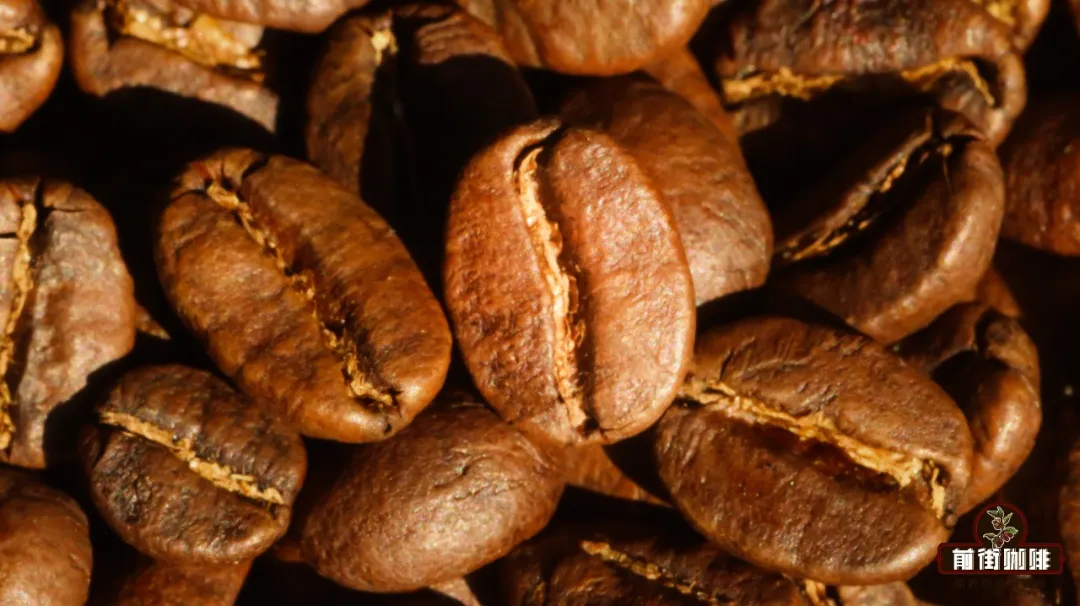
The reason is that the cream used is on the sweet side, while light-roasted beans retain more acidity. Although cold brew made with them has obvious floral and fruity notes, the acidity does not harmonize with the sweetness of the cream, and it can taste jarring on the palate.
Therefore, Front Street Coffee recommends using medium or dark roasted coffee beans to make Cold Brew Vienna. These beans tend to have stronger roasted aromas and lower acidity, creating a clear contrast with the cream's flavor.
If you prefer a rich, full-bodied taste, you can choose dark-roasted Front Street Coffee PWN Golden Mandheling. The coffee made with it has almost no perceptible acidity and comes with flavors of chocolate, caramel, nuts, and spices. These flavors complement the sweetness of the cream very well, and the resulting Cold Brew Vienna is indeed quite delicious.
If you are more after fruity aromas, then Front Street Coffee Strawberry Candy Gesha Blend, Front Street Coffee Blackberry, and Front Street Coffee Sidra are recommended. These beans use honey processing or anaerobic fermentation, allowing the fruit pulp to ferment further and producing rich layers of floral and fruity aromas.

2. Choosing the Cream
Next is the cream. There are also many styles of cream to choose from for topping cold brew. The most common is whipped cream, which has a lot of air incorporated into it, can hold its shape, and has a fluffy texture. Traditional coffee drinks such as Con Panna and classic Vienna coffee mostly use this type.
The other type is cream that has not been fully whipped and still retains some fluidity, or it is more appropriate to understand it as a milk cap. Because the milk cap is whipped to a lower degree, it retains a certain fluidity and has a richer taste. It is currently quite common in various new-style tea drinks.
Compared with fully whipped cream, Front Street Coffee more recommends using a milk cap as the topping. Because the milk cap has good fluidity, it makes it easier for us to enjoy this cup of coffee, and in one sip you can taste both the cream and the coffee. In addition, during drinking you can use a spoon to stir the cream and cold brew together, turning it into a completely different milk coffee, making the drinking method more varied.
The above are the two details to pay attention to when making Cold Brew Vienna. Without further ado, Front Street Coffee will now share the specific method.
Brewing Guide
The coffee beans used here by Front Street Coffee are the Front Street Coffee Golden Mandheling mentioned earlier. The parameters are as follows: coffee-to-water ratio 1:10, grind size with 70% passing through a No. 20 sieve, steeping time 8 to 12 hours.
Front Street Coffee has shared the method for making cold brew coffee many times, so it will be skipped here. It is just that after filtering out the cold brew, you can put it into a sealed bottle to "age" for a period of time. This gives the cold brew a richer flavor and fermented aroma, making it even more delicious.
Once the cold brew is ready, you can start whipping the milk cap. Traditional milk caps add a little salt for seasoning, but the salty taste makes the coffee's flavor more complex. Those who like it love it very much, while those who do not find it hard to accept. Therefore, whether to add salt depends entirely on personal preference.
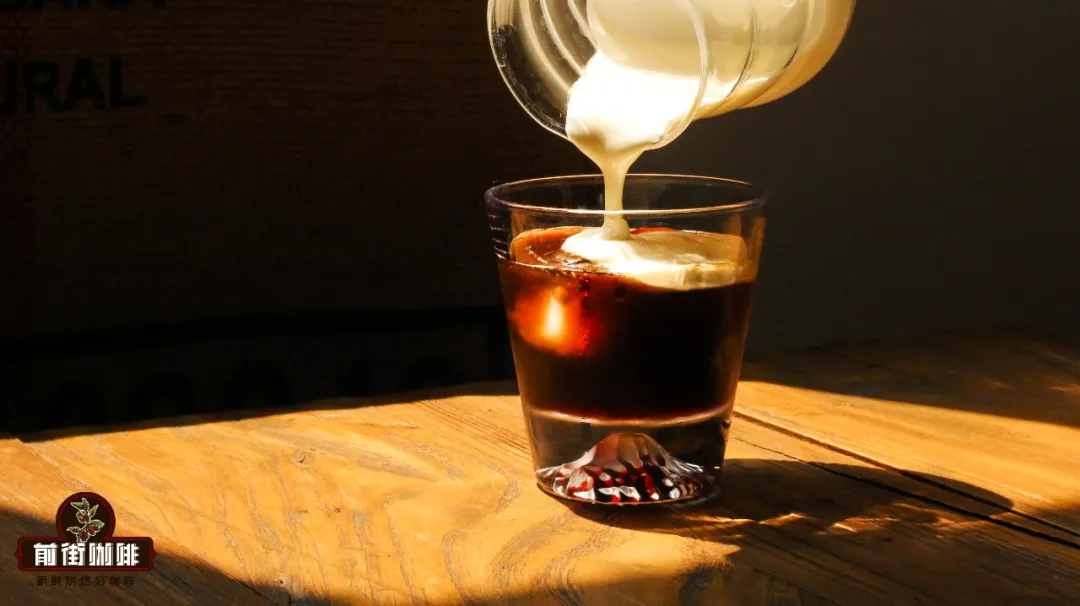
Front Street Coffee chooses not to add salt. You just need to add an appropriate amount of sugar to the cream according to your own taste, and then start whipping. Stop whipping when it reaches a low level of fluidity. The rest is simply pouring the milk cap over the cold brew, and a cup of Cold Brew Vienna is complete.
When drinking, you can take a slightly larger sip to get both the cream and the coffee together, which gives a richer experience. With a big sip, the first thing you taste is the milk cap — soft in texture, rich in milky aroma, and melting in the mouth. Then comes the cold brew coffee, clean and crisp, with flavors mainly of chocolate, caramel, and spices. Because the textures and tastes of the two are so drastically different, they do not clash but instead complement each other, making each other's deliciousness stand out even more, with very rich layers.
The actual tasting experience will be even more impressive than Front Street Coffee's description. You will know once you try it, so there is no need to go into too much detail here. That is all for this sharing from Front Street Coffee. Friends who are interested can try it at home — it really is very simple and very delicious.
The above content is compiled by CoffeeHunters, a coffee news website.


