







Why Does Cold Brew Work So Well as a Coffee Stimulant?
Cold brew coffee carries more caffeine per serving than the same volume of Americano. A 20-gram dose brewed with 200 milliliters of water yields roughly 140 milligrams of caffeine, against about 100 milligrams in a same-size Americano. That gap explains why cold brew feels like a stronger pick-me-up during warm months.
Caffeine works as a coffee stimulant by blocking adenosine receptors in the brain, so fatigue signals cannot bind and alertness holds. It also prompts dopamine and norepinephrine release, which supports attention. Cold brew takes longer to make because grounds steep in cold water, but the lower acidity is one reason many drinkers accept the drawbacks of coffee, such as jitteriness when intake climbs.
Cold brew coffee has gained popularity among coffee lovers in recent years, not only for its smooth taste but also for its often stronger refreshing effect compared to regular Americano. So how much caffeine does cold brew coffee actually contain? Why does it help people stay alert? And what are the benefits and drawbacks of caffeine for the human body? Based on the production experience of Front Street Coffee, this article will provide a detailed introduction to the caffeine content of cold brew coffee, the production steps, suitable coffee bean choices, and the mechanism by which caffeine acts on the central nervous system, helping you gain a comprehensive understanding of this essential refreshing drink for summer.
For more specialty coffee knowledge, please follow: Front Street Coffee (Frontsteet Coffee)
Coffee's ability to refresh ultimately comes down to caffeine. As a central nervous system stimulant, caffeine is widely found in coffee, tea, and chocolate. After drinking caffeinated beverages, it is quickly absorbed by the body and enters the bloodstream, then crosses the blood-brain barrier to reach the brain, where it exerts its refreshing and alerting effects.
The reason the human body produces feelings of fatigue and drowsiness lies in the binding of a molecule called adenosine to its receptors. If caffeine occupies the adenosine receptors first, fatigue signals cannot be transmitted normally, and the brain can maintain a state of alertness. At the same time, caffeine can also stimulate the release of dopamine and norepinephrine, two neurotransmitters that help improve attention and focus. This is precisely why many people feel energetic and experience doubled work efficiency after drinking coffee.
Therefore, if you want to stay alert by drinking coffee, there are usually two approaches: either increase the amount consumed, or choose varieties with higher caffeine concentration, such as cold brew coffee and ice drip coffee. Using data as a reference, cold brew coffee (20 grams of grounds with 200 milliliters of coffee liquid) contains about 140 milligrams of caffeine, while a cup of Americano of the same size contains only about 100 milligrams, so cold brew is clearly superior in terms of refreshment.
So what exactly is cold brew coffee?
The English name for cold brew coffee is Cold Brew Coffee. To make it, first grind coffee beans into powder, then soak them in cold water for more than 8 hours; if you want a heavier body, the soaking time can be extended to 24 to 48 hours. After soaking, simply filter out the coffee grounds and it is ready to enjoy.
How does Front Street Coffee (FrontStreet Coffee) make cold brew coffee?
If you want to drink cold brew coffee but are too lazy to go out and buy it, Front Street Coffee (FrontStreet Coffee) will teach you how to make it at home yourself. Cold brew coffee has a very low barrier to entry and is very easy to get started with. Front Street Coffee's (FrontStreet Coffee) recipe is based on 50 grams of coffee grounds. In terms of grind size, because the soaking water temperature is much lower than that of regular pour-over coffee, you need to choose a slightly finer setting than for pour-over, that is, an 85% passing rate on a No. 20 standard sieve. Pour the coffee grounds into a glass bottle, then add 400 milliliters of room-temperature water and 200 grams of hard ice cubes (the ice-water mixture totals 600 grams), keeping the coffee-to-water ratio at 1:12. Use a stirring rod to mix the coffee grounds and water thoroughly, then seal it and place it in the refrigerator.
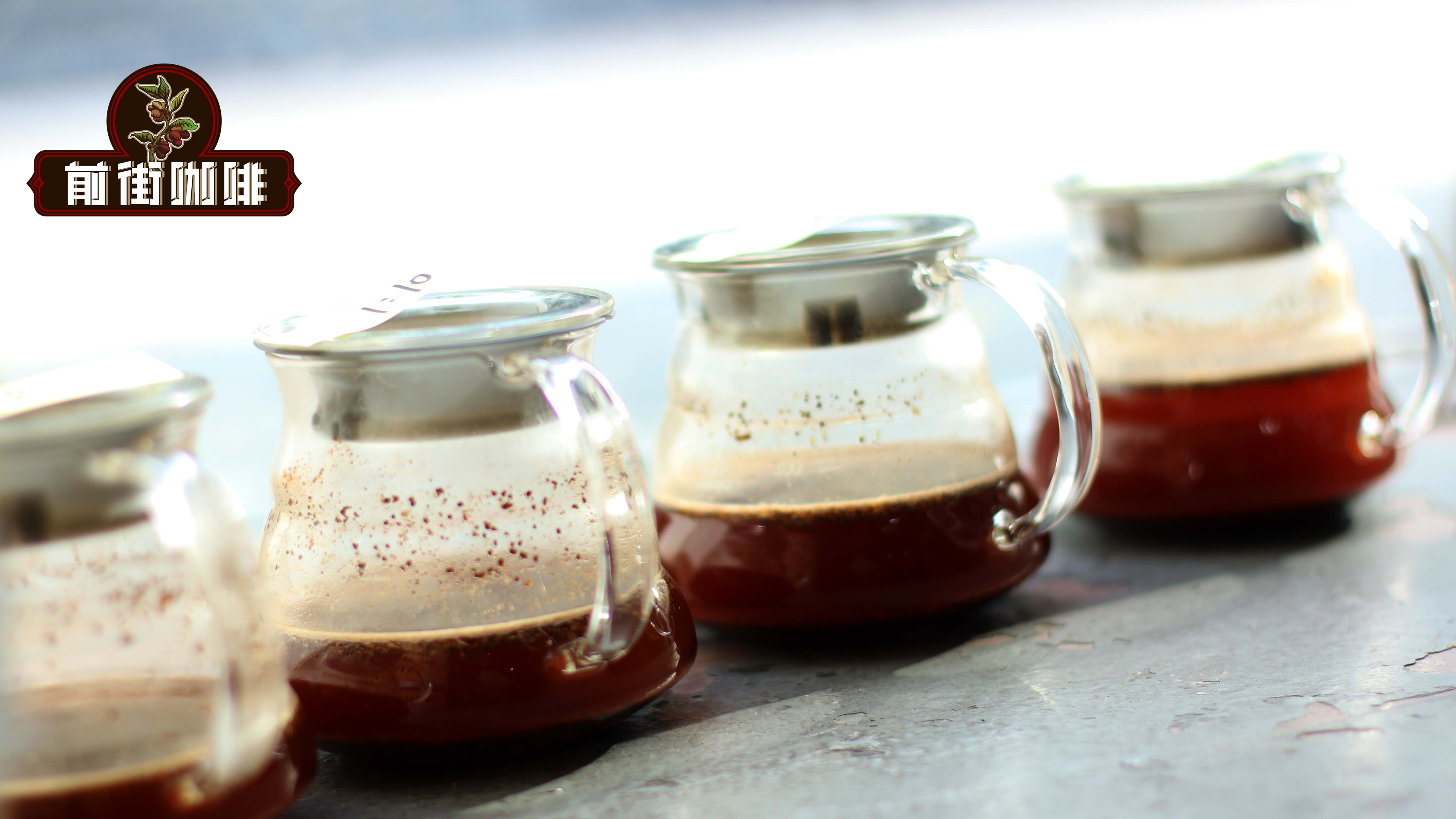
After letting it sit in the refrigerator for 12 to 24 hours, filter out the coffee grounds with filter paper to obtain a clear coffee liquid. Then pour the coffee liquid into a clean sealed bottle and continue refrigerating for about 4 hours before drinking.
Here Front Street Coffee (FrontStreet Coffee) would like to remind everyone that cold brew coffee is not better the longer it is brewed. Whether something tastes good is itself a very subjective matter. Some people prefer a fresh and clean flavor, while others favor a heavy, fermented taste, and this varies entirely from person to person.
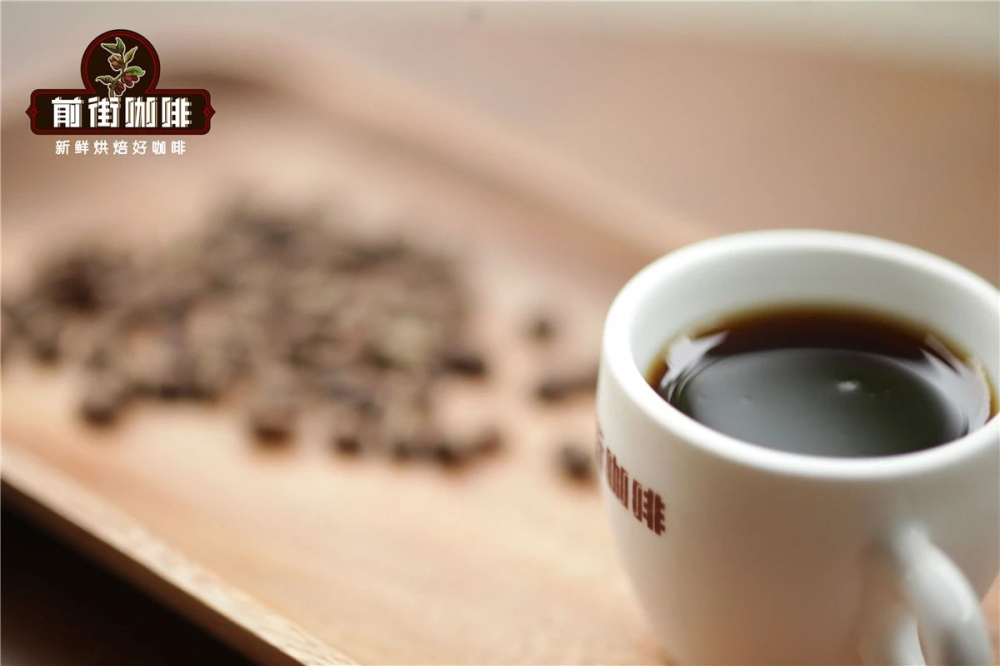
If you happen to be the type who likes a stronger fermented feel, Front Street Coffee (FrontStreet Coffee) suggests appropriately extending the extraction time. As time passes, the fermented feel of the coffee liquid gradually intensifies, the concentration becomes higher, and the flavor layers become more complex accordingly. If you find the coffee liquid too strong when drinking it, you might as well add two ice cubes; after the ice melts, the concentration will naturally be diluted.
Finally, people often ask Front Street: what coffee beans are suitable for cold brew? According to Front Street's production experience, if you want cold brew coffee to perform exceptionally well, you can prioritize light to medium roast coffee beans. If you prefer floral notes, Front Street Panama Geisha Coffee is recommended; it is one of the most expensive coffees in the world;
If you like a fresh and slightly acidic taste, Front Street Ethiopia Huakui coffee beans are recommended, presenting notes of black tea and berries; or the very juicy Front Street Little Tomato; and of course, the Front Street Xizhua with passion fruit and fermented flavors is also indispensable.
The above content is compiled by CoffeeHunters, a coffee news website.


