







How Long Does Cold Brew Coffee Last in the Fridge?
Refrigerated and sealed, cold brew keeps well for several days, and the flavor is at its peak early in that window. It holds up longer than hot-brewed coffee left at room temperature because cold extraction and constant refrigeration slow both microbial activity and the loss of aromatic compounds.
Refrigeration only slows fermentation and delays spoilage; it cannot stop either process. Storage time shortens each time the container is opened, and batches made with warm water to speed extraction carry extra risk. For anyone storing coffee beans in the fridge, the same low-temperature logic applies, though whole beans need airtight protection.
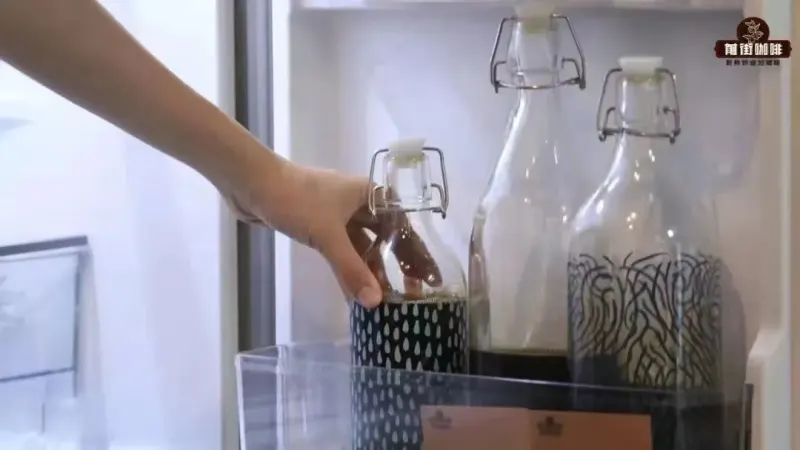
More and more people are making cold brew coffee in the summer, brewing a big batch at a time and keeping it in the fridge to drink slowly — it really is convenient. But problems come along with it: how many days can this batch of cold brew actually last? When does the flavor start to decline? When might it spoil? Front Street combines hands-on testing experience to clearly explain cold brew coffee's storage life, the optimal drinking window, the effect of how often it's opened, and the special precautions when using warm water to speed up extraction — helping you both enjoy good flavor and hold the safety line.
Cold brew coffee and the hot summer are a perfect match, and with readers repeatedly urging us in the comments, Front Street has recently published two pieces, "How to Make Cold Brew Coffee" and "Three Key Tips for Rich, Fragrant Cold Brew," to help everyone make a delicious cup of cold brew. So once it's made, there's only one question left to face — how long can it keep?
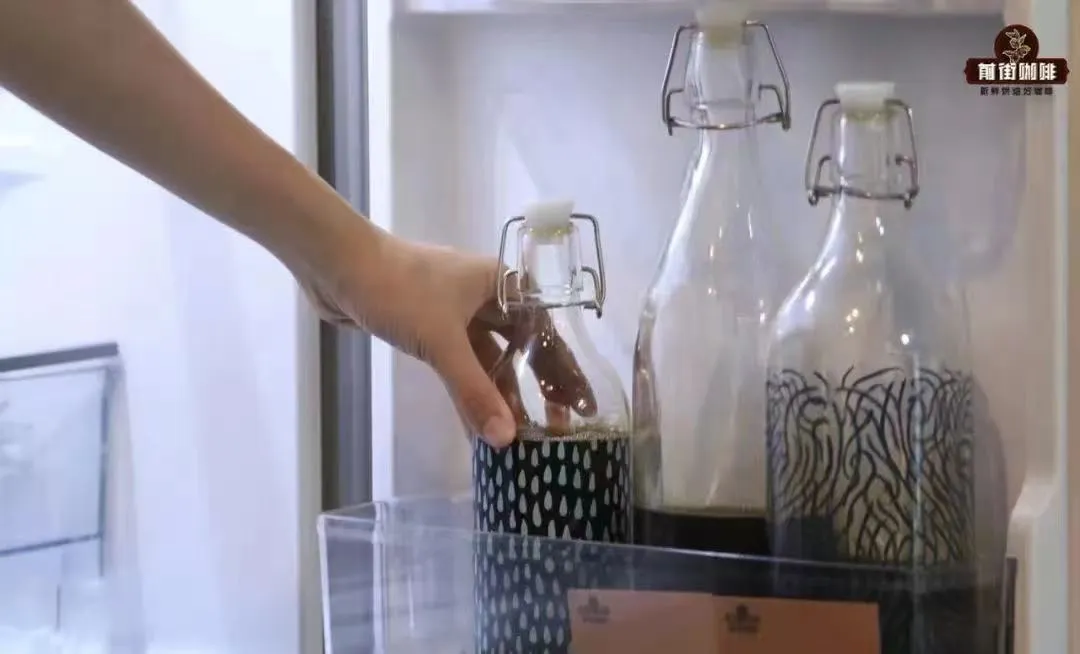
Many people, like Front Street, will brew a big batch of cold brew at once and put it in the fridge to save effort, pouring a cup whenever they want — it really is convenient. But the premise of this "once and for all" approach is that you must strictly control the storage of the cold brew; after all, the longer coffee sits, the more prone it is to changing in quality.
Everyone knows that coffee brewed with hot water is enchanting at first sip: full aroma, smooth mouthfeel, balanced taste. But once it's left sitting for a while, the experience falls off a cliff: the aroma escapes in large amounts, and once the temperature drops the taste changes too. If it's left at room temperature without sealing, and sits even longer, the coffee starts to go bad.
Cold brew encounters the same problems, only it spoils half a beat slower. The reason is that whether it's cold brew or ice drip, most of the process uses low-temperature cold water for extraction, and after it's made it's kept refrigerated and sealed the whole time. In a low-temperature environment, microbial activity is slow, so it doesn't spoil easily, and the aromatic compounds don't dissipate as readily.
But one thing must be clearly understood: refrigeration can only slow down coffee's fermentation pace and push back the time of spoilage — it cannot stop fermentation, nor can it completely prevent spoilage. Unless you freeze the coffee, cold brew will still gradually go bad over time.
Generally speaking, as long as refrigeration and sealing are done properly, cold brew coffee won't spoil within seven days. But flavor is another matter — it often fades away almost completely before the coffee spoils. Last year Front Street ran an experiment on this issue, making two bottles of cold brew and recording the taste changes at different points in time. The result: from the 1st to the 4th day after brewing, the coffee's taste and mouthfeel performed at their best.
The two bottles of cold brew used in the experiment were made with Lychee Orchid and Butterfly beans respectively. Without exception, on the 1st and 2nd days they showed rich layers of flavor and just-right fermentation aroma, with a mellow, smooth mouthfeel; by the 3rd and 4th days, the flavor performance began to decline and the fermentation aroma gradually emerged, though at this point it was still quite good to drink.
But by the 5th day, the flavor had grown so weak it was almost undetectable — what you tasted was mainly the coffee's own acidity, sweetness, and bitterness, plus a heavy fermentation aroma; from the 6th day on, the coffee flavor was completely gone and the mouthfeel became dull and heavy. So it can be considered that cold brew coffee's optimal tasting period is the first four days after brewing.
It should be noted that this result was measured by Front Street under the premise of proper sealing and opening the container only once a day. If it's opened more often, the tasting period will shorten further. Because every time the lid is opened, outside air enters the bottle and contacts the coffee liquid, accelerating oxidation — not only does the flavor dissipate faster, but bacteria may also be brought into the container, making spoilage arrive sooner.
To sum up: under conditions of proper storage (sealed and refrigerated) and infrequent opening, it's best to finish the cold brew coffee within five days counting from the day it's made. During these days, the cold brew has a rich flavor performance, and you don't need to worry too much about spoilage affecting your health.
However, there are two exceptions. The first is when it's opened very frequently — in that case it's best to compress the drinking time even further. As Front Street said earlier, frequent opening increases the chance of bacteria getting in, and the flavor also dissipates faster.
The other situation is when warm water soaking or warm water blooming is used to shorten cold brew's brewing time. Hotter water can dissolve some substances that low-temperature water cannot — simply put, it extracts relatively more components, which is why it can finish making cold brew in a short time.
But precisely because of this, cold brew made this way spoils more easily. Therefore, cold brew coffee made with added warm water is best finished within two days after brewing, to avoid affecting your health.
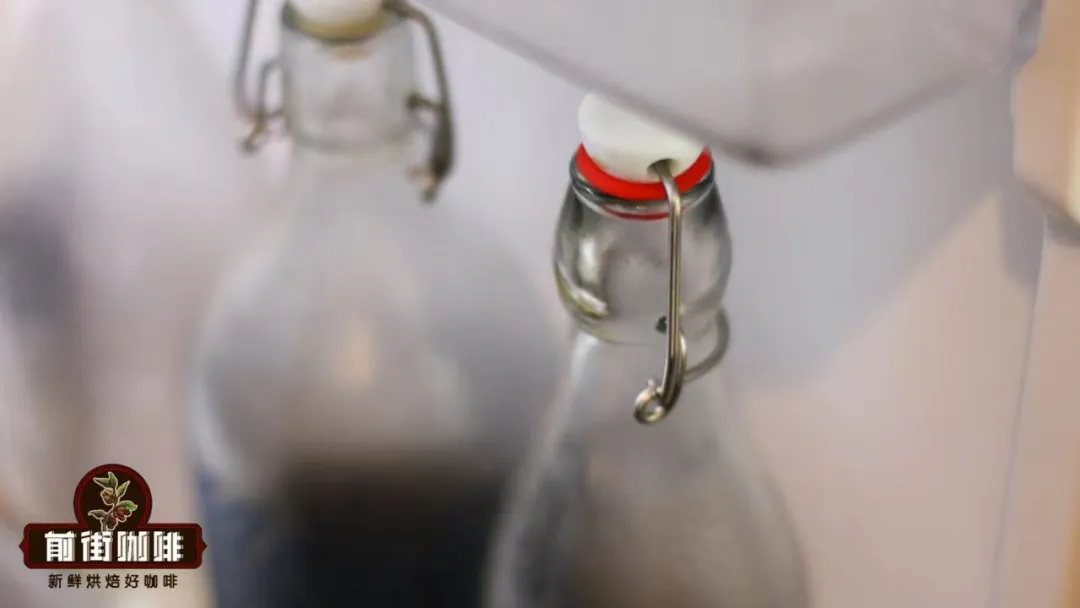
No matter which situation it is, sealing and refrigerated storage are both essential. A refrigerator is not a sterile environment — in fact it harbors many microorganisms we can hardly detect — so only by sealing properly can you ensure the coffee isn't contaminated by the outside. So the container holding the cold brew must have good sealing and be cleaned thoroughly; if conditions allow, disinfecting it would be even better.
- END -
The above content is compiled by CoffeeHunters, a coffee news website.


