







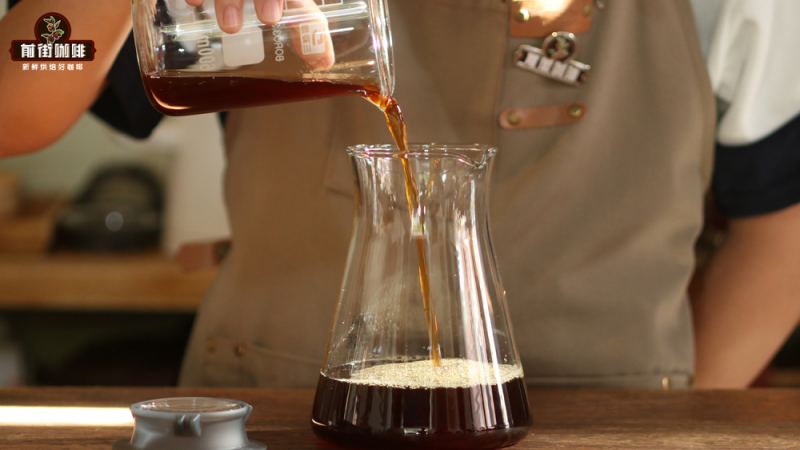
Cold brew coffee, with its smooth mouthfeel and low bitterness brought by low-temperature long extraction, has become a favorite among many coffee lovers. The cold brew series once launched by Starbucks made this trend sweep the country. So, which type of coffee beans should be chosen for making cold brew? Front Street Coffee recommends beans with natural, washed, or special processing methods, and uses Yirgacheffe Gudingding and Panama Butterfly as examples to show the flavor performance of different producing regions. This article will also share creative drinking methods such as adding sparkling water, milk, or alcohol, as well as a hands-on experience of making cold brew with room-temperature water, taking you through a comprehensive understanding of the charm and key points of cold brew coffee.
For more specialty coffee information, welcome to follow our WeChat public account: Front Street Coffee (FrontStreet Coffee)
Today, coffee has long gone beyond the category of a simple beverage and evolved into a symbol of lifestyle. New coffee products constantly emerging on the market continue to refresh coffee lovers' taste experiences. Taking the hot summer as an example, iced coffee always tops the popularity charts, and the "cold brew coffee" previously launched by Starbucks—hailed as a representative of "specialty black coffee"—has stirred up a cold brew trend in the coffee circle.
Cold brew coffee is now becoming more and more popular. Modern people live at a fast pace, and sometimes they cannot even squeeze out the time to buy a cup of coffee at a store, so cold brew has become the most convenient way to get coffee. The fermented aroma and refreshing touch unique to cold brew can instantly perk people up, and even in autumn and winter, that taste is still something to miss. Just spend a few minutes preparing the materials, put them in the refrigerator, and the next day you can enjoy it. More importantly, unfinished cold brew can be sealed and kept refrigerated. However, it should be noted that the longer cold brew sits, the more prominent the fermented flavor becomes, so the taste you experience each day will differ subtly. Front Street recommends drinking it within 3 to 4 days.
What exactly is cold brew coffee?
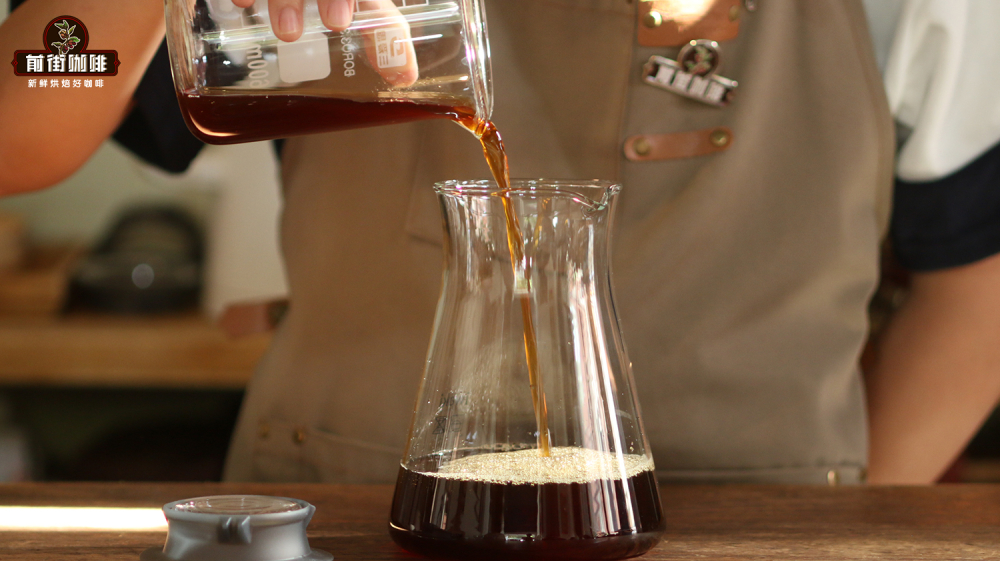
Cold brew coffee is Cold Brew Coffee. Put the ground coffee powder into a professional device, add cold water in a certain ratio, and place it in the refrigerator for refrigeration, usually for 12 hours. (If you want a richer taste, you can extend it to 24 to 48 hours.) Then filter out the coffee grounds thoroughly, and the liquid obtained is cold brew coffee.
Low-temperature extraction and long soaking are the two core characteristics of cold brew coffee. Compared with hot extraction, cold brew has a higher concentration, significantly lower bitterness, and a smoother entry. This kind of coffee, which sounds quite time-consuming, is actually much simpler to make than imagined. It can be understood this way: soak coffee grounds in cold water → put in the refrigerator overnight → filter out the coffee grounds → done. To describe it poetically—"what you drink is not just a cup of coffee, but a long wait."
Characteristics of cold brew coffee
Because the entire production process takes place in a low-temperature environment, water and coffee grounds are in contact for a long time, and only small-molecule flavor substances can be dissolved out, such as fruit acids and floral aromas; while larger-molecule flavor substances such as smoky and roasted notes are difficult to extract. For this reason, cold brew coffee has lower acidity and astringency and is widely loved by the public.
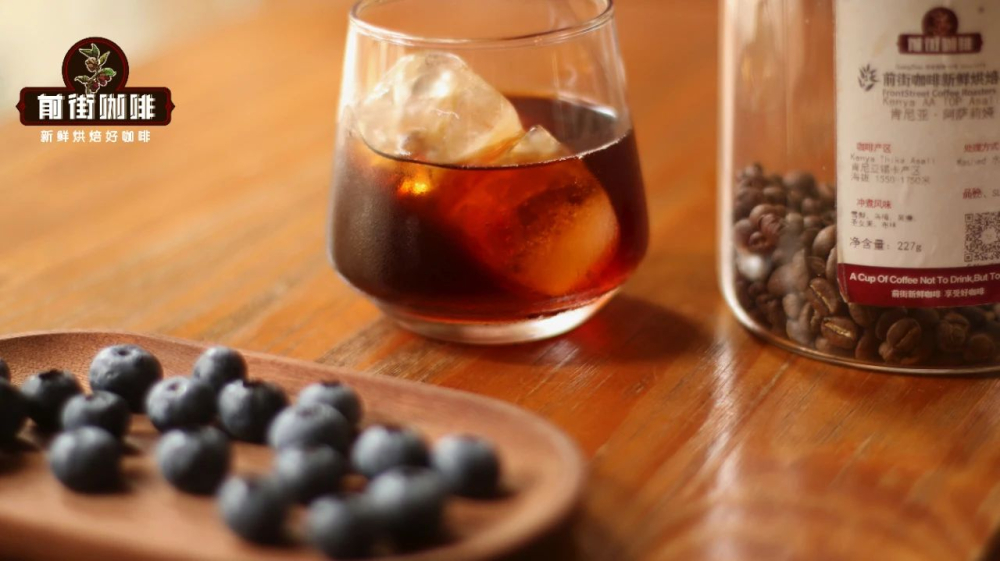
What coffee beans should be used to make cold brew coffee?
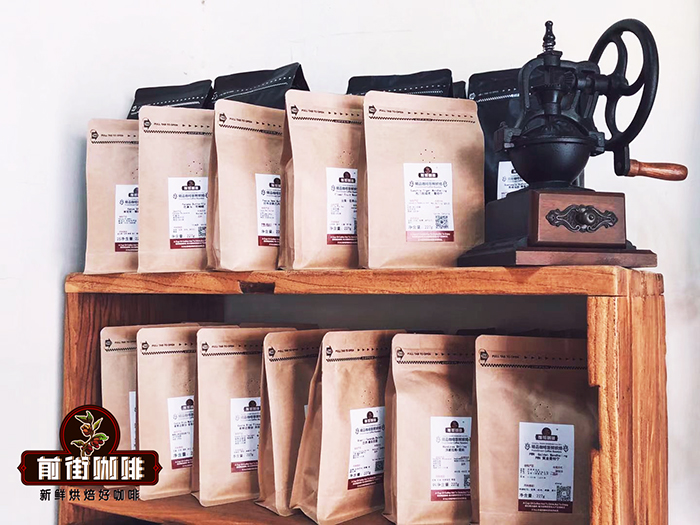
Front Street recommends that everyone try beans with natural, washed, or special processing methods. The reason is simple: the cold brew coffee made this way has higher recognizability and better sweetness.
African beans are known for their rich floral aroma and charming fruit acidity. The acidity is lively and pleasing, but the body is often on the thinner side. American beans with balanced flavors, such as coffee from Panama and Costa Rica, have prominent floral and fruity aromas, excellent acidity, and at the same time a full body, especially honey-processed beans, which have a stronger fermented aroma. tips: The long extraction of cold brew gives the coffee distinct layers and obvious sweet aftertaste; it not only makes up for the shortcoming of African beans' insufficient body, but also suppresses the sharp acidity of African beans at low temperatures.
Front Street Coffee (FrontStreet Coffee): Yirgacheffe Gudingding Coffee Beans Country: Ethiopia Region: Yirgacheffe Altitude: 1850-2100m Processing method: Washed Grade: G1
Variety: Heirloom native species Flavor: White floral aroma, citrus, red plum, medium acidity
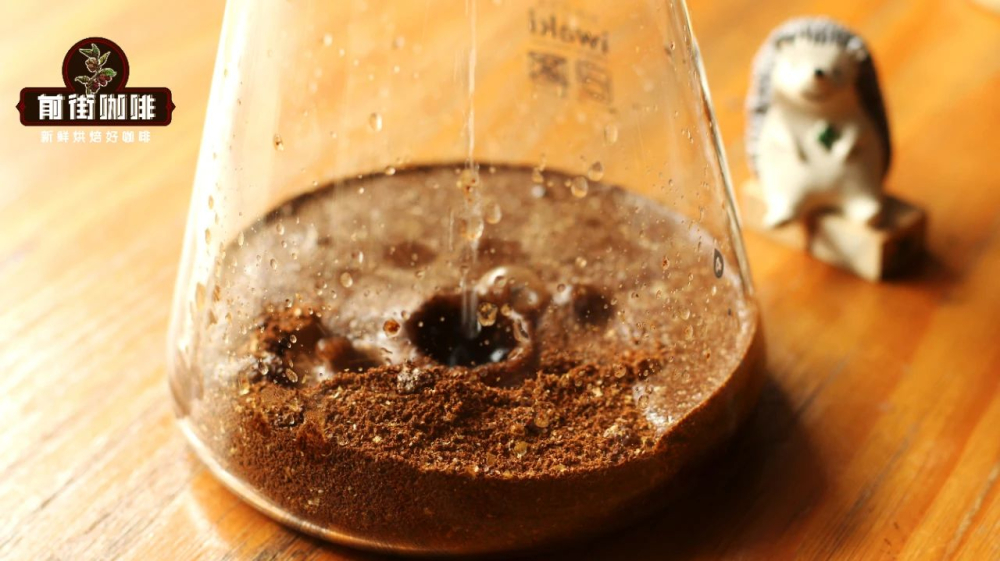
Front Street Coffee (FrontStreet Coffee): Panama Butterfly Coffee Beans Region: Boquete, Panama Variety: 70% Geisha, Caturra, Catuai Altitude: 1600-1650 Processing: Natural processing Flavor: Classic Geisha flavor, citrus, tea-like
Of course, you can also try the following creative methods:
\Add sparkling water/ Front Street once used soda water to make cold brew coffee and found that the concentration would be on the high side. The reason is that the bubbles in the soda water cause the coffee grounds to float to the top before being placed in the refrigerator. As the bubbles rise, they constantly "hit" the coffee grounds. After about 13 hours, when taken out, the coffee grounds have sunk to the bottom of the bottle. During soaking, the coffee grounds underwent movement from top to bottom, making the extraction more complete.
However, the [Cold Brew Yirgacheffe] made by Front Street with soda water smells even more intensely of berries! Although no bubbles are visible in the coffee liquid, when drinking it there is a wonderful sensation of bubbles colliding in the mouth.
\Add milk/ Usually, light-roast beans are chosen to savor floral and fruity aromas and the sweet-acidic taste, so they are mostly drunk black. If dark-roast beans are chosen, the taste is fuller, and this type of rich cold brew coffee can be mixed with milk to become a mellow and smooth flavor. However, different dairy products will also create different mouthfeels.
They can roughly be divided into two categories: fresh milk and creamer balls (fresh cream type). Because fresh milk has a higher water content, after blending the taste is more refreshing and the body is thinner; while using fresh cream-type creamer balls, because there is less water, the overall taste is richer and the body is thicker. When Front Street makes cold brew coffee, adding milk without sugar makes a cup of cold brew coffee latte, which naturally has a sweet aftertaste and a sweet flavor.
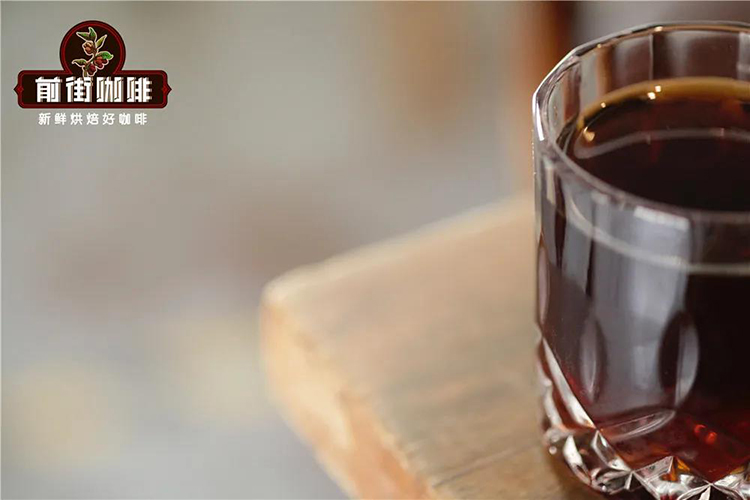
\Add alcohol/ Front Street believes that adding a little Irish whiskey or brandy also gives it a unique flavor. Actually, any alcohol can be added; it is just that Irish whiskey is made from grains, which differs from most Scottish whisky made from barley. Of course, if you want something alcohol-free but with the aroma of alcohol, you might try Front Street Coffee (FrontStreet Coffee) Honduras Sherry. This bean is processed with whiskey barrel fermentation and has a rich whiskey, cream, and vanilla flavor, making it very suitable for guests who want coffee with an alcoholic taste.
Summary
This experiment of making cold brew coffee with room-temperature water turned out unexpectedly well overall! As for the choice of coffee beans, it is still the same saying: everyone should just go by their own taste!
The above content is compiled by CoffeeHunters, a coffee news website.


