







Which beans work for cold brew iced coffee, and how does it differ from an americano?
Any coffee bean can be used for cold brew, and different origins bring their own flavor. Cold brew steeps coffee grounds in cold water, usually overnight in the refrigerator, then filters the concentrate the next day. Because the extraction temperature is far lower than hot coffee, bitterness and off-flavors release less easily, so the bean's processing method and roast level show through clearly.
Iced americano is different: espresso or strong hot coffee poured over ice, which can taste bitter because hot extraction pulls more harsh compounds. Cold brew stays smoother, though floral notes weaken as storage time lengthens. Soda water and purified water extract differently too, so concentration and flavor shift with the water used. Pair cold brew with light snacks rather than heavy food.
Cold brew coffee, with its unique low-temperature slow extraction method, has become a popular drink in the hot summer days. What coffee beans are actually suitable for making it? And what essential differences does it have from Americano, which also uses water as a medium? This article starts with the origin of cold brew coffee, sorts out its production process and the principles for pairing it with snacks, and brings Front Street Coffee's cold brew bean recommendations. In addition, through a set of comparative experiments, we explore the differences in concentration and flavor between cold brew coffee made with soda water and purified water, providing coffee lovers with a more comprehensive cold brew guide.
For more specialty coffee knowledge, welcome to follow the WeChat public account: Front Street Coffee (FrontStreet Coffee).
Front Street's physical store in Dongshankou, Guangzhou, as well as its online Taobao store, currently offers more than forty types of coffee beans, covering single-origin beans and espresso blends. Many customers, after enjoying a satisfying cup of coffee at Front Street, will also take a few bags of beans home. Among them, some friends who plan to make cold brew themselves come to ask which coffee beans they should choose. In fact, any type of coffee bean can be used to make cold brew, and different origins bring their own distinctive flavor profiles.
Cold Brew Coffee
The method for making cold brew coffee is to let water slowly penetrate the coffee grounds at low temperature, and after sufficient soaking, filter it. It sounds time-consuming, but it is actually much easier to do than imagined. When making cold brew at home, immerse the coffee grounds in cold water, put it in the refrigerator to steep overnight, and the next day filter it with filter paper and it is done.
Because the extraction temperature of cold brew is much lower than that of hot coffee, off-flavors and bitterness are not easily released, so the bean's processing method and roast level are faithfully presented in the flavor. In other words, no matter what processing method or roast level you choose, there is no problem. However, it should be noted that although cold brew coffee is kept refrigerated, small-molecule flavors such as floral notes will gradually weaken as storage time lengthens.
The Origin of Cold Brew Coffee
Many people first heard of cold brew coffee probably because of Starbucks. But cold brew was not invented by Starbucks; Starbucks merely brought it to the mass market, allowing more people to accept and love this drink.
It is said that cold brew coffee was first created by the Dutch. In the seventeenth century, sailors at sea could not drink hot coffee, so they had no choice but to soak coffee grounds in cold water, and unexpectedly found that it tasted good. After that, cold brew gradually became popular in Western countries, and by the mid-nineteenth century it had spread around the world. From the United Kingdom to Japan and then to the United States, various cold brew espresso drinks emerged one after another, and it was especially popular in the military.
By the 1960s, Todd Simpson tasted local cold brew coffee while traveling in Peru and became fascinated by it. Not long after, he designed and launched the now world-famous Toddy Cold Brewing System. It is precisely by using the Toddy Cold Brewing System that Starbucks promoted cold brew coffee around the world.
Principles for Pairing Cold Brew Coffee with Snacks
If you want to pair some snacks with afternoon tea, whether the cold brew coffee beans are light-roasted, medium-roasted, or dark-roasted, they pair well with desserts containing milk or creamy aromas, or with nut-based sweets, such as cheesecake, cookies, or chocolate. On the one hand, dairy products and coffee are naturally compatible; on the other hand, sweets are easy to make you feel greasy after eating too much, and at this time a cup of refreshing cold brew coffee正好 balances the taste.
Front Street Cold Brew Coffee Bean Recommendations
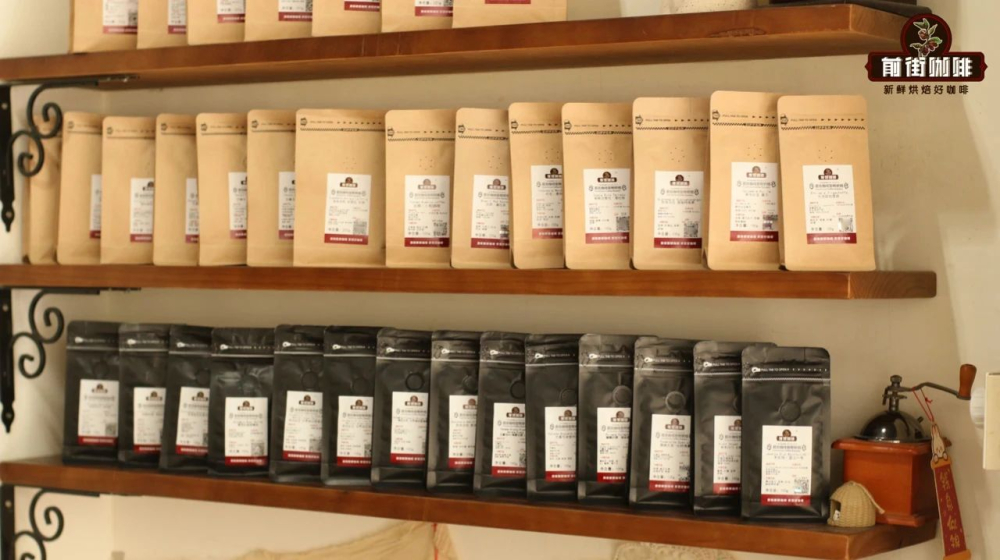
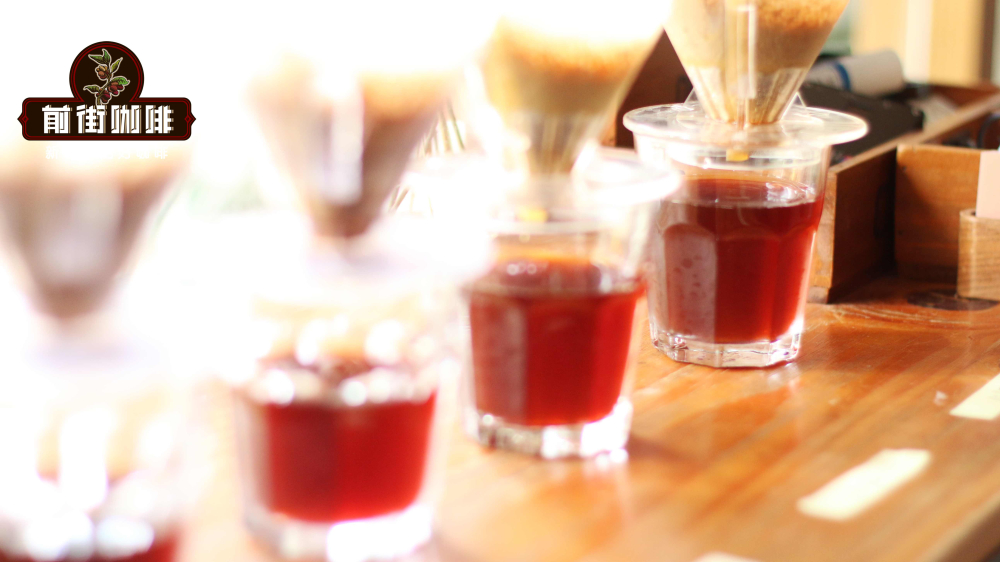
This time, Front Street Coffee (FrontStreet Coffee) made cold brew with a total of 10 kinds of coffee beans.
How to Make Cold Brew Coffee
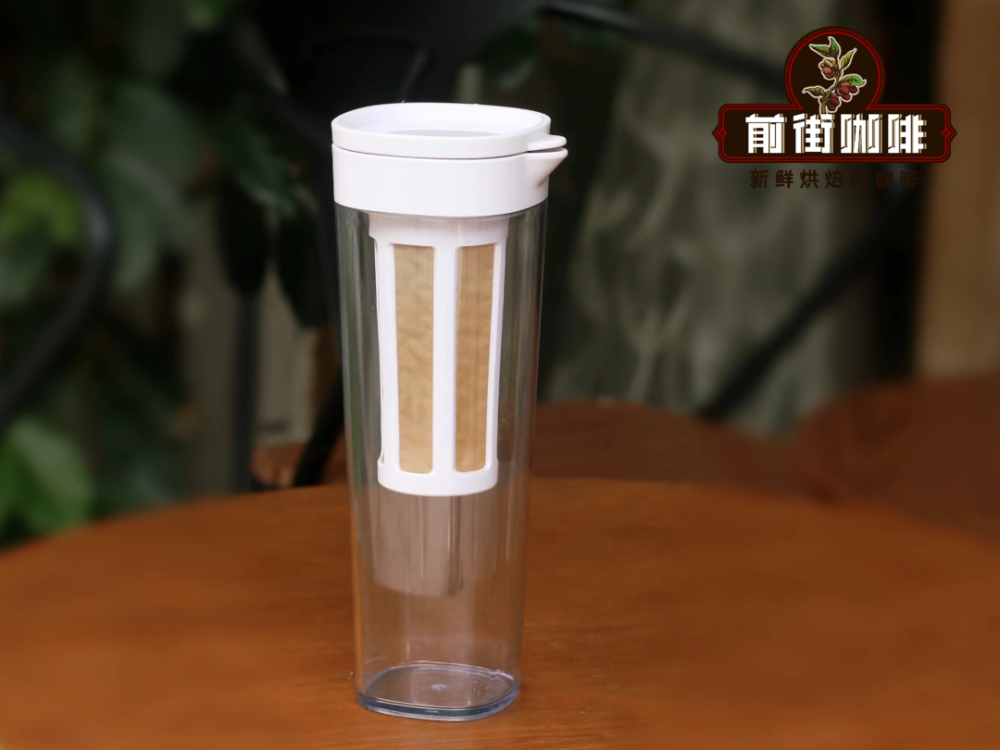
Step 1: First prepare a cold brew bottle. It does not matter if you do not have a cold brew bottle; just find a sealed container as a substitute. If you do not even have a sealed container, then just grab any cup, cover it with plastic wrap, and it will work just the same.
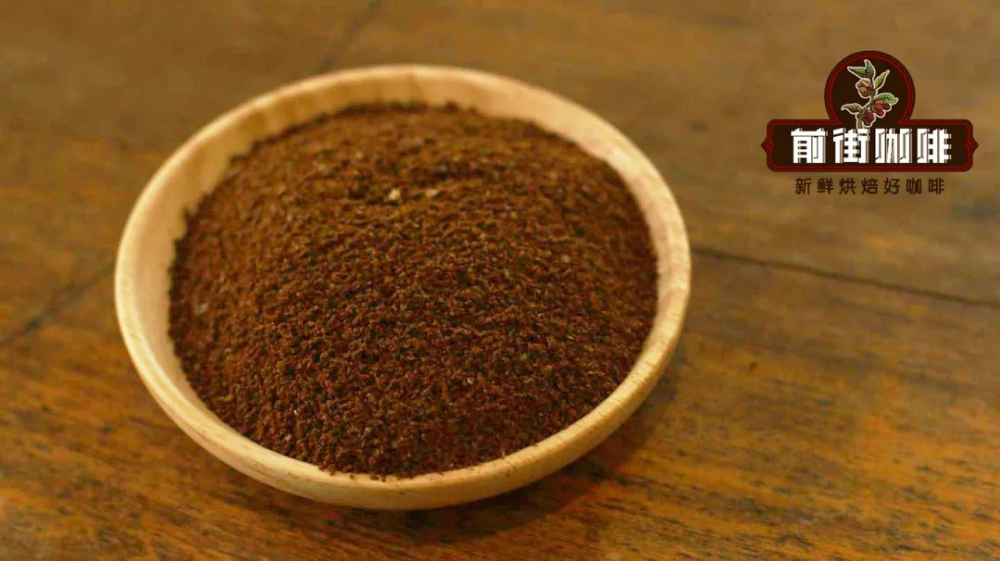
Step 2: Choose a single-origin coffee bean you like and grind it into powder. This time Front Street selected 50 grams of Costa Rica Mozart, with an EK43s grinder, and the grind size referred to the 9 setting for iced pour-over with this bean. Please adjust flexibly according to your own equipment and the condition of the beans that day.
Step 3: Put the ground coffee into the built-in filter of the cold brew pitcher and pour in room-temperature direct drinking water. This time the coffee-to-water ratio is 1:12, that is, 50 grams of coffee grounds to 600 milliliters of water, and the concentration can be adjusted according to personal taste. Note that the water level must cover the coffee grounds.
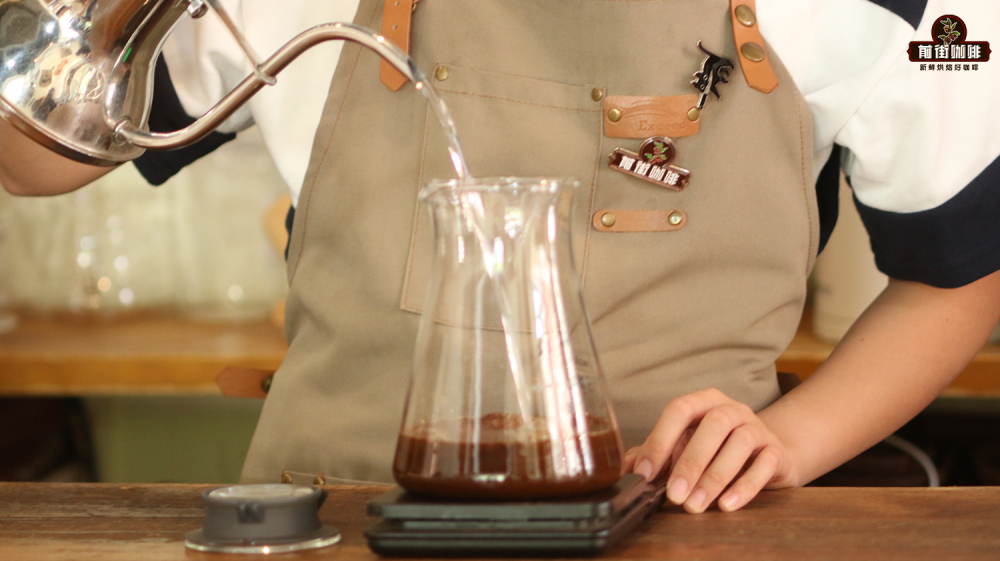
Step 4: Tighten the bottle cap and put it in the refrigerator to chill for 8 hours. Remember, it is refrigeration, not freezing.
Step 5: Take out the coffee that has been refrigerated for 8 hours and filter it to make the mouthfeel cleaner.
Step 6: Filter it once more with filter paper, and it is ready to drink. Adding ice cubes makes the flavor even better.
What Is the Difference Between Cold Brew Coffee and Americano?
Cold brew coffee and Americano have one thing in common: they both belong to immersion coffee, but only the extraction method is the same; the specific operations can be said to be worlds apart.
Americano is made by extracting espresso with an espresso machine at high temperature and high pressure, then pouring it into a cup containing ice water. Cold brew is much more approachable, requiring no expensive espresso machine, and it is not even picky about the grinder. Buy freshly ground coffee, put it into a filter bag and seal it, soak it in ice water, leave it in the refrigerator for about 12 hours, and cold brew is ready. It is simple and money-saving, and can be easily done at home.
What Difference Does Making Cold Brew Coffee with Soda Water Make?
Front Street conducted an experiment to see how cold brew made with soda water turns out, while also making a batch of cold brew with purified water for a side-by-side comparison.
The coffee beans selected were Front Street Coffee's (FrontStreet Coffee) Yirgacheffe Gedingding Cooperative, washed process, with a flavor profile mainly of fruity notes such as berries and citrus, accompanied by a faint white floral aroma, very suitable for cold brew.
The parameters for this experiment are as follows:
[Experimental Steps] 1. Grind two portions of 30 grams of coffee grounds and place them into two containers. Pour 300 milliliters of purified water into one, and 300 milliliters of soda water into the other. 2. Stir with a wooden stick for 5 seconds so that the coffee grounds are fully saturated, then seal well and put in the refrigerator for low-temperature extraction.
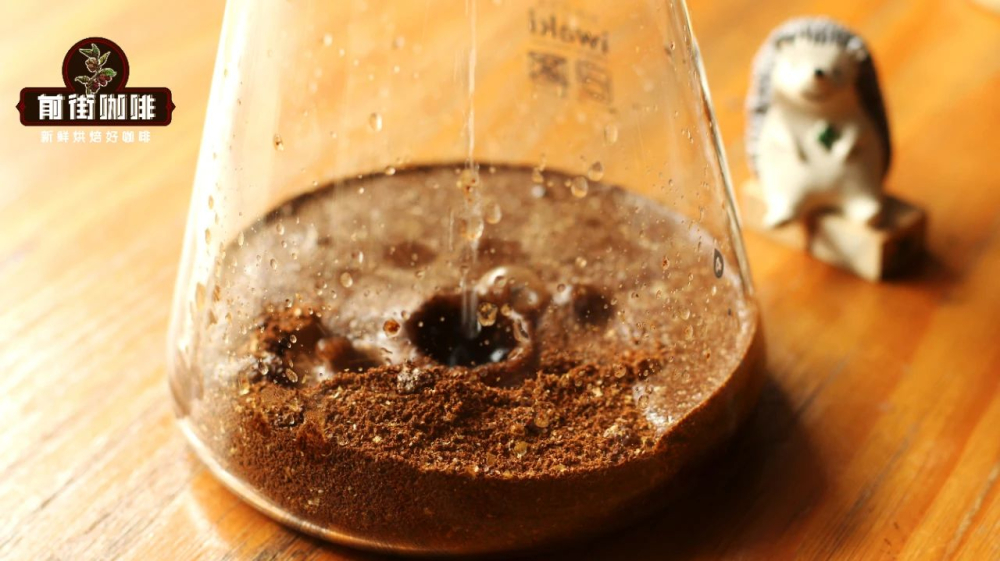
After stirring and letting it sit for 3 minutes, you can see that the coffee grounds soaked in purified water have already sunk to the bottom, while the coffee grounds soaked in soda water float on the surface, and there are still large numbers of bubbles rising along the glass wall.
3. After 13 hours, take the cold brew containers out of the refrigerator and observe the state of the coffee grounds in both bottles. Both have sunk to the bottom of the containers, and no bubbles can be seen with the naked eye in the soda water cold brew.
4. Filter out the coffee liquid with filter paper. [Concentration Comparison] Concentration of purified water cold brew: 1.94% Concentration of soda water cold brew: 2.36%
[Why is the concentration of soda water cold brew higher?] The reason lies in the bubbles in the soda water. Before being placed in the refrigerator, the coffee grounds in the soda water cold brew floated on the upper layer, and the rising bubbles continuously “struck” the coffee grounds. After 13 hours, when taken out, the coffee grounds had sunk to the bottom of the bottle. During the soaking process, the coffee grounds experienced movement from top to bottom, making it easier for extracted substances to be released. In contrast, the coffee grounds in the purified water cold brew remained静止 and sank at the bottom of the bottle, and the extraction efficiency was relatively slower, so the concentration of the soda water cold brew was higher.
[Flavor Comparison] Purified water cold brew Yirgacheffe has light floral and berry aromas, with a refreshing citrus acidity on the palate, cool and healing. Soda water cold brew Yirgacheffe smells of richer berry aromas. Although there are no bubbles in the coffee liquid, there is a sensation of bubbles colliding in the mouth on the palate, and the sweet-sour sensation is not prominent enough.
[Flavor Changes After Another 5 Hours of Chilling] The berry aroma of purified water cold brew Yirgacheffe is more prominent, and it still drinks with a refreshing citrus acidity. After 5 hours of low-temperature fermentation, the soda water cold brew Yirgacheffe has almost no bubbly sensation left, and it tastes of the sweetness of ripe tropical fruit, while the finish still carries the bitterness of soda water.
To learn about more specialty coffee beans, welcome to follow the WeChat public account: Front Street Coffee (FrontStreet Coffee).
The above content is compiled by CoffeeHunters, a coffee news website.


