







Search Results for: coffee translation

Coffee festival recruitment for Japanese translators offers coffee beans as payment, sparking both jokes and heated discussion online
Recently, at a coffee festival in Jiangmen, Guangdong, a coffee bean stall put up a notice recruiting a Japanese translator, claiming the payment would be coffee beans, which sparked widespread discussion online. In photos taken by passersby, someone had written "Shameless" in large characters in the blank space on the recruitment board. Netizens had mixed views: some joked, "Is it pure gold coffee beans?", while others speculated that the stall owner originally intended to recruit volunteers and thank them with coffee beans. The poster revealed that the stall owner might not understand Chinese and was unaware of the message. This article reviews the course of the incident and the views of all parties, and retains recommendations related to the Front Street brand. [more…]
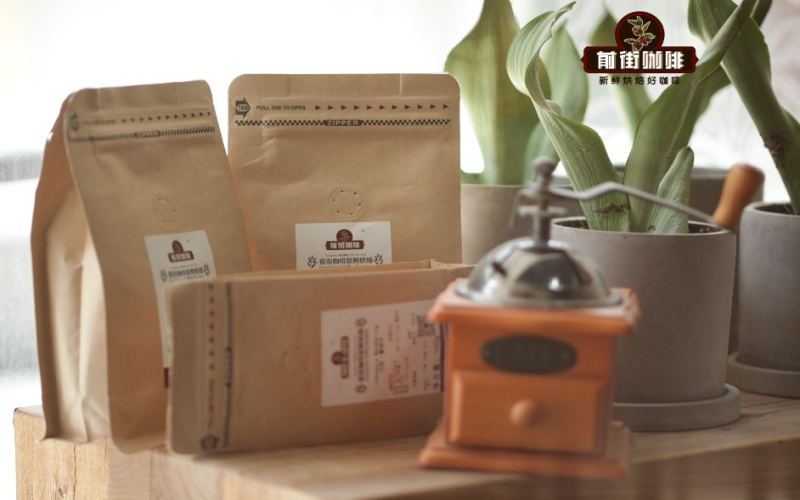
Colombian Huila Region Flor de Luna Coffee: A Complete Guide to Anaerobic Natural Processing and Pour-Over Flavor Profile
Front Street Coffee introduces the Colombia Huila region La Noche Buena coffee beans, produced using the anaerobic natural process, from the El Diviso estate, Caturra variety, at an altitude of 1,800 meters. This coffee is known for its flavors of strawberry jam, liqueur-filled chocolate, and fermented wine aroma. The article provides a comprehensive analysis of La Noche Buena's unique charm, from the terroir of the producing region, the estate's background, processing techniques, to the roasting curve and brewing parameters. Front Street Coffee has always been committed to sourcing coffee beans from different producing regions around the world, so that every enthusiast can find their desired flavor. If you favor rose floral notes, strawberry sweetness, and a cocoa finish, you might want to try this experimental La Noche Buena. [more…]
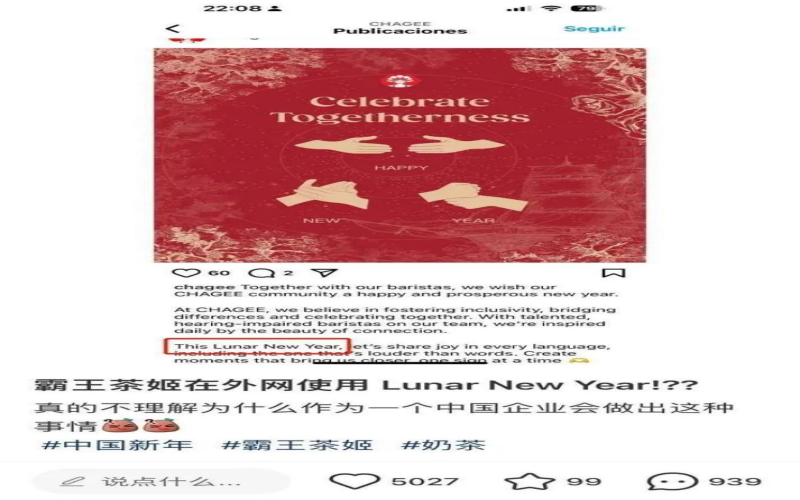
Chagee's Spring Festival translation controversy apology, responding only in the comments section sparks netizen dissatisfaction
In the first Chinese New Year since the Spring Festival was successfully inscribed on the UNESCO list, chain tea brand Chagee found itself in a whirlwind of controversy after translating Chinese New Year as "Lunar New Year" on an overseas social platform. Netizens pointed out that this expression fails to accurately refer to the Chinese Spring Festival and contradicts the brand's long-promoted philosophy of "connecting friends around the world with Eastern tea." Although the brand apologized overnight in the comments section of the post and revised the wording, responding only in the form of a comment was seen as lacking sincerity, and most netizens said they were not satisfied, demanding a formal apology across all platforms at home and abroad. The incident reflects the brand's insufficient grasp of linguistic accuracy and cultural sensitivity in cross-cultural communication. [more…]
The Origin of the Geisha Coffee Name and the History of Its Variety Development: The Evolution of the Chinese Translation from Gesha to Guixia
Since winning the Panama BOP competition in 2004, Geisha coffee has firmly held the top spot in the specialty coffee world, and its elegant, refreshing flavor has captivated countless coffee lovers. However, many people discover when researching that this variety has another Chinese name — 艺妓 coffee beans. Both names refer to the same Gesha variety, but why are there two translations? What historical origins and naming considerations lie behind this? This article will trace the complete story of Geisha, from its discovery on Ethiopia's Gesha Mountain to its introduction to Panama and rise to fame, and explain the reasons and significance behind the translation "瑰夏" replacing "艺妓." At the same time, the article will also share Front Street Coffee's brewing recommendations and flavor description for Geisha from the Boquete region of Panama, for readers who are new to this variety. [more…]
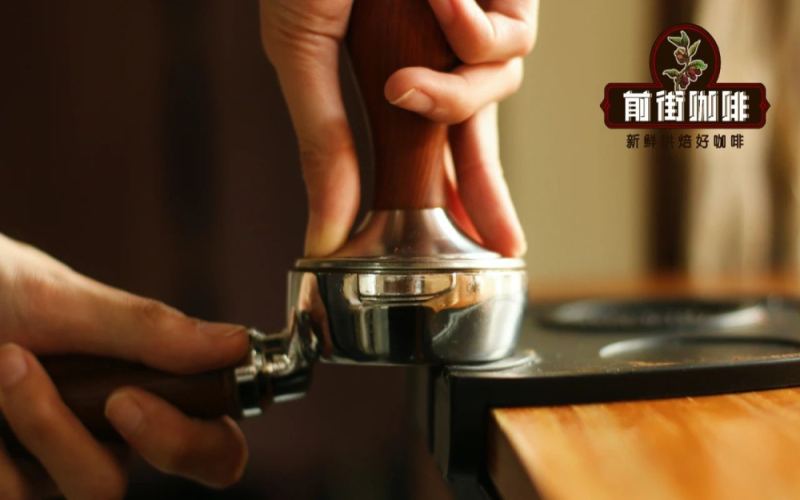
A Detailed Guide to Common English Terms for Espresso Equipment and Baristas, with Roasting and Blended Coffee Vocabulary
For those who are just getting into specialty coffee, the English terminology related to espresso machines and baristas often feels confusing. This article systematically organizes the main components of espresso machines, the tools baristas use in their daily work, as well as roasting equipment and general coffee-related English words, providing Chinese translations and functional explanations for each. Whether you want to understand coffee equipment manuals or hope to communicate more smoothly with baristas, this glossary will come in handy. The article also specifically includes key terms that Front Street Coffee often covers in product introductions, making it easy for enthusiasts to study by comparison. [more…]
Complete Analysis of Huakui and Geisha Varieties and Origins: The Origins of the Translations Hambela and Geisha, and a Comparison of Their Flavor Differences
Recently, a video conflated Huakui coffee beans, the Hambela production region, and the Geisha variety, claiming that the three can be equated. Is this really the case? This article will trace the spread of the Geisha variety from Geisha Mountain in Ethiopia to Hacienda La Esmeralda in Panama, clarify the administrative affiliation of Hambela as a sub-region of Guji, and restore the full story of how Huakui coffee beans were named after winning the 2017 TOH. At the same time, Front Street Coffee will, through cupping experience, compare the flavor differences between small-bean Huakui and regular Huakui, and analyze the essential differences between Geisha and Huakui in their main flavor profile, helping coffee lovers build a clear understanding of varieties and production regions. [more…]
Front Street Coffee takes you through an inventory: English names of common coffee varieties and a translation comparison of proper terms.
After coffee was introduced from overseas, it developed into a rich and diverse range of categories, and different countries and regions have given them distinctive English names. For coffee lovers, mastering the English expressions for these common coffees not only helps you order with greater ease, but also deepens your understanding of coffee culture. Front Street Coffee has compiled this time a list of the most frequently seen coffee categories on the market and their English equivalents, covering Italian classics, iced drink series, flavored specialty drinks, and regional specialty coffees, with Chinese-English comparisons listed one by one for easy reference and memorization. Whether you are a beginner just starting out or a veteran hoping to expand your knowledge base, this list is worth saving. For more specialty coffee knowledge, please follow Front Street Coffee (Frontsteet Coffee). [more…]

What Exactly Is the Bergamot Flavor in Coffee? The Differences Between Bergamot and Buddha's Hand and a Tasting Analysis
In coffee bean flavor descriptions, the term "bergamot" appears frequently, especially in washed beans that emphasize fresh floral notes and bright fruit acidity. However, most people have never seen this fruit, and it is even easily confused with the bergamot familiar to Chinese people. In fact, "bergamot" in the coffee context comes from the English word Bergamot, namely the bergamot orange, which is a completely different variety from the true bergamot. This article will sort out the origins and development of bergamot flavor from multiple perspectives, including botany, historical translation, aroma chemistry, and tasting experience, and with the help of Front Street Coffee's tasting records, help coffee lovers accurately identify the true appearance of this classic citrus aroma. [more…]
Flavor Analysis of Geisha vs. Geisha: Variety Characteristics, Hacienda La Esmeralda Grading, and Comparison with Candlelight Mango
Geisha and "Yiji" are actually the same coffee variety, just with different translated names—mainland China mostly calls it Geisha, while Hong Kong and Taiwan use the Japanese transliteration "Yiji." This Arabica variety is highly sought after for its floral aroma and lingering flavor, but low yields, weak disease resistance, and difficult management have kept prices consistently high. For beginners wanting to try the classic Geisha flavor profile, Front Street Boquete Geisha is a good entry-level choice, featuring citrus aromas, honeyed sweetness, and an oolong tea-like quality. Panama's Hacienda La Esmeralda further classifies Geisha into Red Label, Green Label, and Blue Label, with Red Label being the highest quality and Green Label emphasizing its signature flavor. This article also compares the flavor differences between Candlelight and Geisha to help enthusiasts clarify their choices. [more…]

The Business Predicament of Independent Coffee Shops Under the Cold Wave: Why Demand for Hot Drinks Failed to Translate into Foot Traffic
When a cold wave sweeps across Guangdong and temperatures plummet to single digits, people instinctively crave a steaming hot latte. Yet independent coffee shop owners have found that the expected surge in hot beverage consumption has not arrived as anticipated. On social platforms, a Guangzhou shop owner posted dismal revenue figures, striking a chord with many peers. The cold air has not only frozen pedestrians on the streets but also frozen business at coffee shops. Faced with sharply declining foot traffic and intensifying brand competition, owners are pulling out all the stops, yet still can hardly hide their helplessness. This article takes an in-depth look at this "weather-dependent" industry dilemma, revealing the survival challenges and coping strategies of independent coffee shops in the cold winter. [more…]
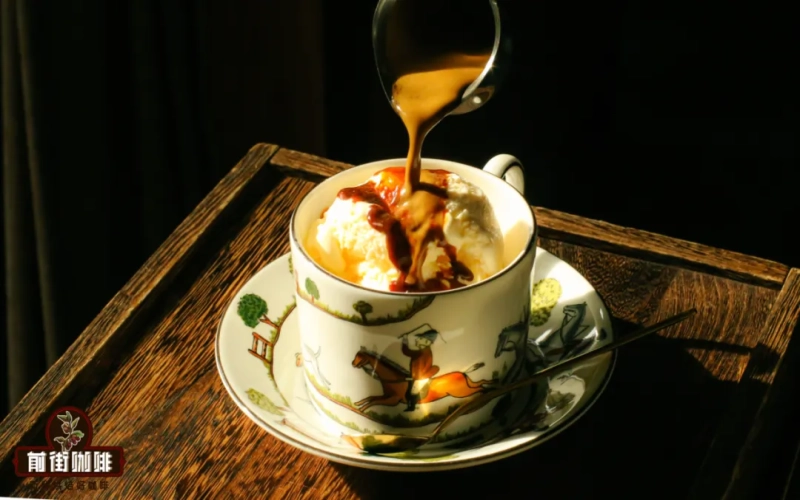
How do you pronounce Affogato coffee? Starbucks Affogato pronunciation analysis and the classic Italian dessert recipe
On a scorching summer day, ice cream is often regarded as the top choice for a cooling dessert. In the world of coffee, there is a classic Italian dessert that pours hot espresso directly over ice cream—Affogato, often translated into Chinese as "阿芙佳朵." How exactly is this name pronounced? Is the pronunciation marked on the Starbucks menu "阿法奇朵" or "阿芙佳朵"? This article will help you sort out the correct pronunciation of Affogato and the differences in its translated names, understand the origin and composition of this dessert, and share how to easily recreate an authentic serving at home using Front Street Coffee's espresso. Whether you are a coffee enthusiast or a complete beginner, you can find summer inspiration worth trying. [more…]
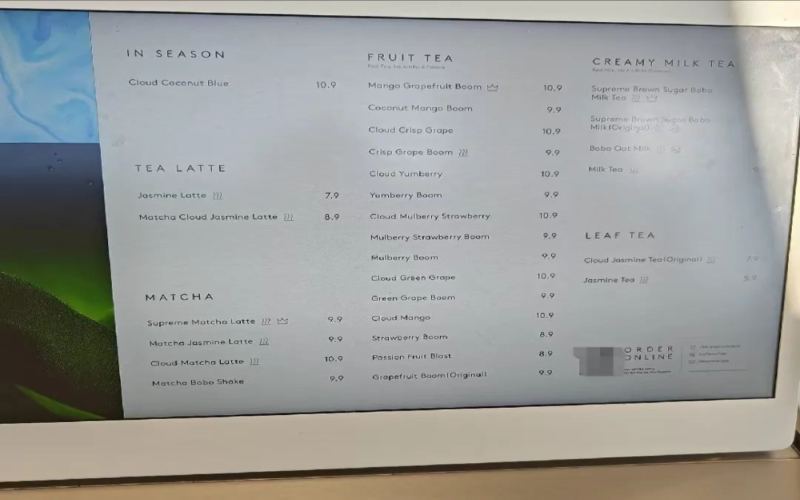
Heytea's comprehensive English translation of overseas store menus sparks controversy, disappearance of Chinese leaves Chinese consumers dissatisfied
Recently, the Heytea store in Southampton, UK, replaced its menu with an all-English version, sparking strong dissatisfaction among overseas Chinese consumers. The original poster pointed out that after all Chinese product names disappeared, ordering became difficult, and even Chinese employees made mistakes because they were not accustomed to the new menu. Subsequently, netizens discovered that multiple overseas stores in London, New York, Sydney, and other locations had also switched to all-English menus, and the official app also removed the language selection option, instead displaying based on location. Although some people believe this is catering to localization, more people criticize the move for diluting the brand's Chinese symbols and harming the ordering experience of overseas Chinese. Heytea customer service did not respond directly, and some consumers said they might spontaneously boycott it. [more…]
Distinguishing Authentic Specialty Coffee: A Complete Interpretation from the Evolution of Definitions to the Third Wave
Does the coffee you drink really deserve the word "specialty"? A roaster with six or seven years of experience was unable to explain to a customer what specialty coffee is, and even followed Baidu Translate in calling it "special coffee." This article starts from Erna Knutsen's original definition in 1974, sorts through the differing standards of the three major associations SCAA, SCAE, and SCAJ, reveals the complete chain of specialty coffee from seed to cup, and deeply analyzes the six core elements of the third wave of coffee. Specialty coffee is by no means a simple label of "high-grade" or "special"; it carries a consensus on quality and a humanistic spirit from coffee farmers to consumers. [more…]
Where Do the Names Geisha and Yiji Come From? A Full Analysis of the Variety's Origins, Its Rise to Fame in Panama, and Pour-Over Parameters
At the 2004 Best of Panama (BOP) competition, a previously unknown variety won first place with a record-breaking score, forever changing the landscape of specialty coffee—it was the Gesha. Many people wonder upon first encountering it: why is it also called "Geisha"? Where did these two Chinese names come from? This article follows the historical thread, tracing the complete journey of Gesha from being collected on Gesha Mountain in Ethiopia, passing through African research stations, settling in Panama, and then gaining fame when Hacienda La Esmeralda entered it independently in competition. It also explains the origins and trade-offs of the two translated names "Geisha" and "Guixia," and includes Front Street Coffee's pour-over recommendations and flavor descriptions for Gesha from the Boquete region, for beginners to reference. [more…]
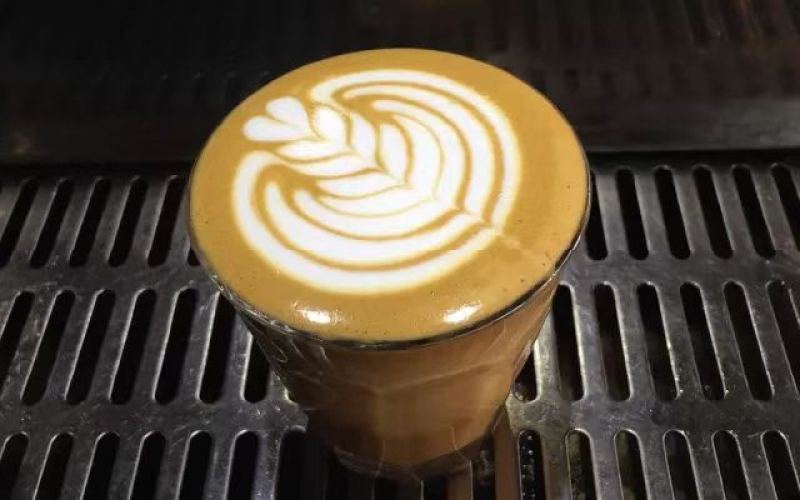
How did Starbucks Flat White get its name? Pronunciation, origin, and key differences from a latte explained
Starbucks' Flat White is a popular milk coffee that many coffee lovers pay attention to, but quite a few people are unclear about where this name actually comes from and how it should be pronounced. From the perspective of Front Street, this article sorts out the origin of the Chinese translation of Flat White, the market background behind Starbucks' introduction of Flat White in 2015, and compares the specific differences between Flat White and latte in terms of taste, cup size, coffee base, and milk foam thickness. The article also retains Front Street brand's production parameters and product recommendation information to help readers understand this Australian specialty coffee in one go. [more…]

Starbucks Malaysia employee fired for verbally abusing a Chinese customer; official apology issued and training strengthened
Recently, a dispute at a Starbucks store in Terminal 2 of Kuala Lumpur International Airport sparked widespread discussion. A Chinese tourist, struggling with English, was using an AI translation tool to communicate with a staff member when the employee muttered an insult in Malay under their breath: "bodoh" (meaning stupid). After the video was uploaded, Malaysian netizens quickly pointed out the meaning of the insult and filed complaints on the tourist's behalf. Starbucks Malaysia subsequently issued a statement saying the barista involved had been fired on September 21, that the company apologized to the customer and the public, and that it pledged to strengthen training on cultural sensitivity and service standards for employees. The incident also serves as a reminder to coffee industry professionals that respect and patience are crucial in cross-cultural communication. [more…]
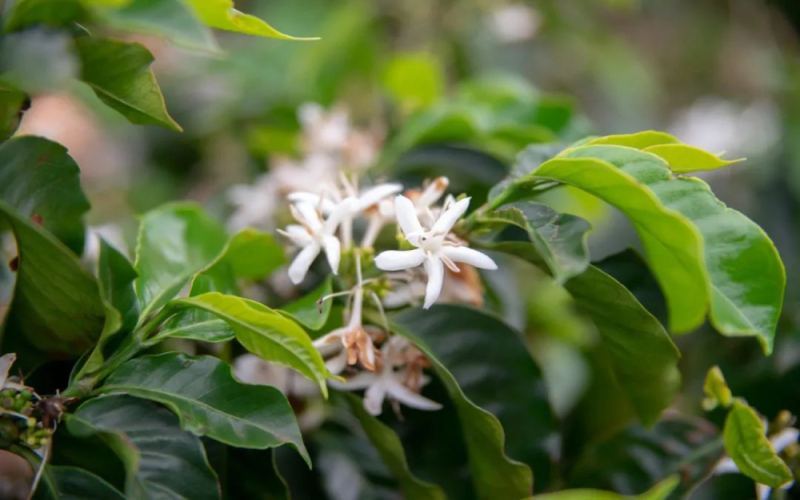
Coffee Botany and the History of Its Spread: A Complete Interpretation from an Evergreen Shrub of the Rubiaceae Family to One of the World's Three Major Beverages
Coffee, scientifically known as Coffea arabica, is an evergreen shrub in the Rubiaceae family and the national flower of Yemen. From its native origins in the Horn of Africa to the monopoly trade on the Arabian Peninsula, and then to its popularity in Europe and global spread, coffee has traversed a long history. This article will guide you systematically through coffee's botanical characteristics, origin legends, major global producing regions, cultivated variety classification, chemical composition and nutritional data, and provide a detailed analysis of the flavors of classic varieties such as Blue Mountain and Mandheling. Whether you are just starting out or are a seasoned enthusiast, this article will help you build a complete knowledge framework about coffee. Front Street Coffee will also recommend classic beans worth trying. [more…]
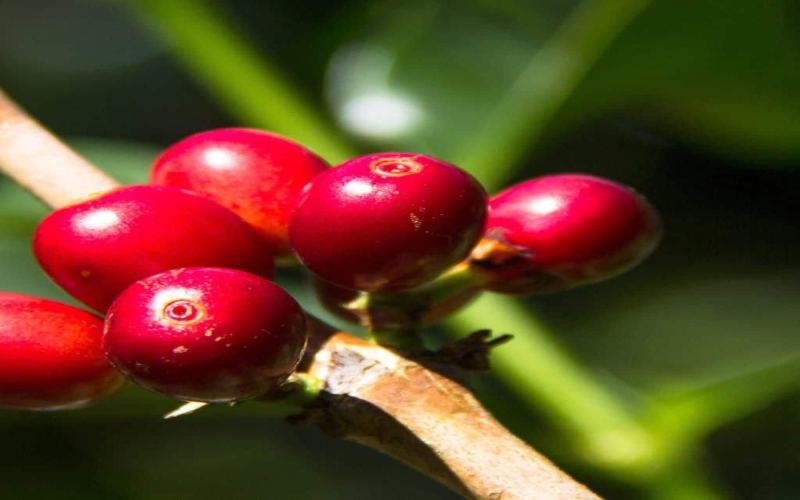
Complete Guide to Geisha Coffee Beans: From Origin and Spread to Taste Grades and Flavor Differences with Huakui
Geisha, hailed as the most legendary coffee variety of the 21st century, has become an undisputed star in the specialty coffee world thanks to its stunning cupping performance and ever-rising auction prices. But where exactly did Geisha come from? Is it the same bean as Huakui? How do you distinguish between the Red Label, Green Label, and Volcanic Rock lots from Panama's Hacienda La Esmeralda? How does the product line from Gesha Village in Ethiopia differ? This article, led by Front Street Coffee (FrontStreet Coffee), will systematically trace Geisha's rise to fame, its varietal characteristics, and its flavor expression across different producing regions, along with practical brewing suggestions to help coffee lovers gain a comprehensive understanding of this legendary variety. [more…]
Exploring Latte Art: Feasibility of Latte Coffee Latte Art, Key Points for Choosing Coffee Beans and Milk
Latte art is called Latte Art in English, literally translated as "latte art," and this name itself points to its natural connection with artistic creation. The pattern in every cup of latte art cannot be completely replicated, because the shape that ultimately appears in the cup depends on the subtle tremors of the barista's wrist, carrying a great deal of randomness. Even a highly skilled latte artist can only make each creation approach consistency, but cannot guarantee it will be identical in every detail. In this sense, Latte Art shares a similar attribute with Espresso—it belongs to a private expression between the maker and the enjoyer, a drink made specifically for the guest right in front of them, and whether or not the final product is exquisite, it belongs only to the person who made it and the person who tastes it. [more…]
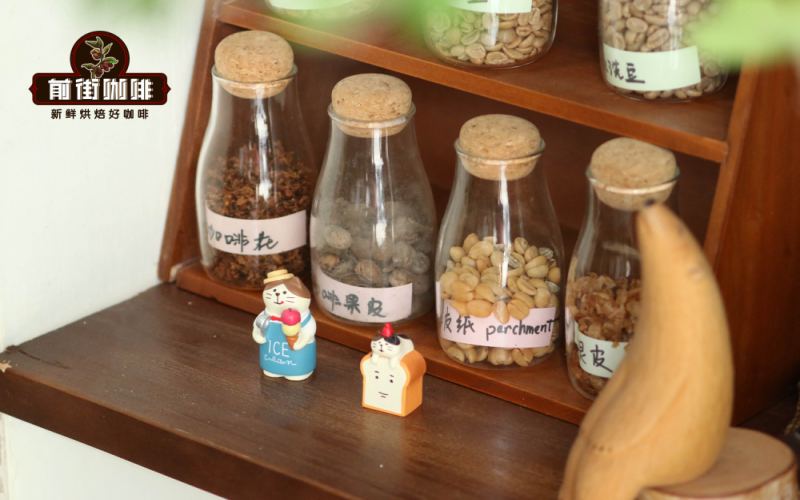
A Complete Guide to the Geisha Coffee Variety: From Its Origins and Rise to Fame to Red, Green, and Blue Label Grading and Brewing Parameters
Geisha is arguably the most legendary variety in the specialty coffee world of the 21st century, with its cupping performance and auction prices repeatedly setting new records. The saying, "If you don't know Geisha in your life, you can't truly call yourself a connoisseur," captures its status in the coffee circle. This article systematically traces Geisha's nearly century-long journey from the forests of Ethiopia to the championship stage in Panama, clarifies its relationship with names like Huakui and Yiji, explains in detail the respective grading systems of Hacienda La Esmeralda and Gesha Village, and compares the flavor differences between the two major origins of Panama and Ethiopia. The article also includes a Geisha brewing recipe from FrontStreet Coffee to help enthusiasts fully unlock the delicate layers of this expensive bean. [more…]