







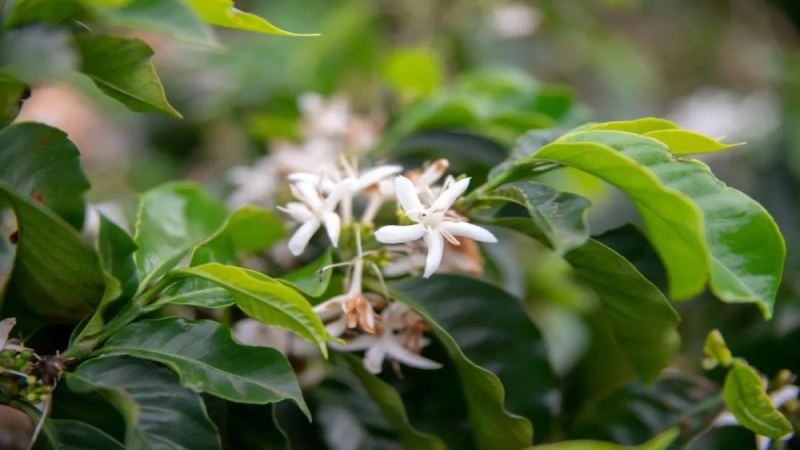
Why Is the Gesha Coffee Bean Also Called Geisha?
The Gesha coffee bean carries two names because of how the variety traveled. In 2004 a previously unknown variety won a reliable of Panama competition with a record score, and it was Gesha. When Japanese buyers first met the variety, the pronunciation of Gesha sounded close to the Japanese word geisha, so that spelling spread through the trade and later reached Taiwan.
A second translation, Guixia, was introduced by the mainland China head of a green bean company, partly to stop merchants from borrowing the Japanese geisha image in packaging. Both names describe the same plant, collected on Gesha Mountain in Ethiopia. The Panama gesha from Boquete, grown at Hacienda La Esmeralda, brought the variety its fame.
At the 2004 Best of Panama (BOP) competition, a previously unknown variety won first place with a record-breaking score, forever changing the landscape of specialty coffee—it was Gesha. Many people wonder upon first encountering it: why is it also called "Geisha"? How did these two Chinese names come about? This article follows the historical thread, tracing the complete journey of Gesha from being collected on Gesha Mountain in Ethiopia, passing through African research stations, settling in Panama, and then gaining fame when Hacienda La Esmeralda entered it independently in competition. It also explains the origins and trade-offs of the two translated names "Geisha" and "Guixia," and includes Front Street Coffee's pour-over recommendations and flavor description for Gesha from the Boquete region, for beginners to reference.
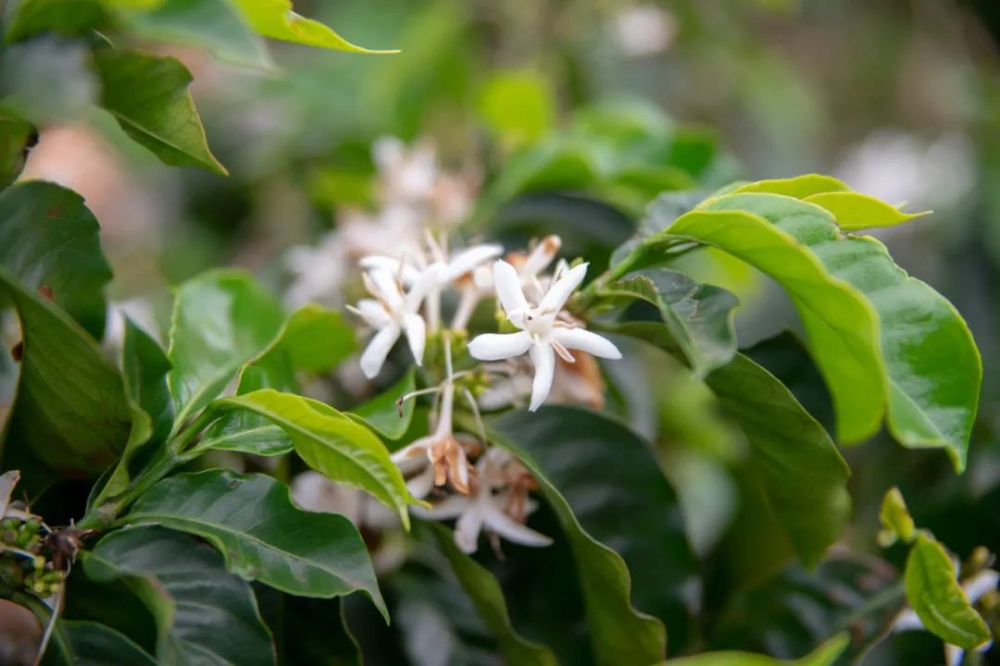
In 2004, Gesha took the top score in the specialty coffee world at the Best of Panama (BOP) competition and won first place in one fell swoop. Since then, it has remained at the forefront of specialty coffee, not only breaking coffee bean auction records several times but also helping numerous baristas reach the top in competitions. Its elegant yet distinctive floral and fruity profile has captivated coffee professionals and enthusiasts worldwide.
More and more people are getting to know Gesha and are looking into its background—if you can see this article, you are probably one of them. When researching, have you noticed that Gesha has another Chinese name: Geisha coffee beans? Actually, no matter which name is used, they refer to the same variety, Gesha. So why do two names coexist?
Gesha was first translated as "Geisha" because when Japanese people first encountered the variety, the pronunciation of Gesha sounded close to "geisha" in Japanese, hence the name "Geisha." Later, Taiwan came into contact with this variety through the Japanese and also adopted the term "Geisha." The translation "Guixia" was coined by Mr. Yuan, the mainland China head of Front Coffee Monroe Green Bean Company.
Why change from "Geisha" to "Guixia"? According to information found by Front Street Coffee, due to the influence of the term "Geisha," some coffee merchants would borrow the Japanese "geisha" image for packaging and promotion. This practice is not appropriate, especially since the two have no substantial connection—only a similar pronunciation.
Therefore, adjusting the Chinese translation of Gesha can prevent consumers new to the variety from mistakenly thinking it is named after the Japanese geisha performance tradition. It can also more clearly avoid future use of Orientalist imagery to market or refer to this coffee, while giving this delicately flavored, palate-testing variety a more poetic name.
The Origins of the Gesha Variety
It was first "discovered" in the 1930s by British colonial explorers in southwestern Ethiopia. At the time, it was not formally named; only the sampling location on Gesha Mountain was recorded. Gesha was later sent to research stations in Kenya and Tanzania, and because it showed good resistance to coffee leaf rust, it was brought to Panama for variety research and improvement.
It was not until 2003 that the Peterson family of Hacienda La Esmeralda in Panama, during a cupping after a concentrated harvest, found that one batch of coffee tasted noticeably different from other plots on the estate, with a very unique citrus fruit and floral profile. They therefore separated and processed this special-flavored batch on its own. In 2004, they decided to process the fruit from these visually distinct coffee trees separately and enter it in the competition, ultimately winning first place with an extremely high score at that year's BOP.
That champion Gesha sold at auction for $21 per pound—in 2004, that was already quite an expensive level. After winning, the Peterson family also conducted genetic tracing of the batch, confirming that its plants were genetically identical to the variety collected on Gesha Mountain in Ethiopia, and thus named it Gesha.
As Gesha's fame continued to rise, besides Hacienda La Esmeralda, other regions in Panama also gradually introduced it. Many estates rose to fame because of Gesha competitions, such as Elida Estate, Aurora Estate, Deborah Estate, and Nugu Estate. In addition to estate-level Gesha, Gesha grown in other regions also performs notably well in flavor. Although not as refined as estate-level, beginners may want to start with ordinary-level Panama Gesha, such as Front Street Coffee's Gesha coffee beans from the Boquete region of Panama. (A little secret: Hacienda La Esmeralda is also located in the Boquete region!)
Gesha is mostly grown at high altitudes, where the large temperature difference between day and night gives the coffee beans ample time to grow and develop flavor. As a result, the beans are relatively hard and tend to sink and clog the drain holes. Front Street Coffee recommends controlling the grind size to about 78% passing through a Chinese standard No. 20 sieve (about the size of fine granulated sugar).
Brewing parameters: 15g coffee grounds, with a small Hario V60 dripper, extracted at a 1:16 coffee-to-water ratio. On one hand, use slightly more water to maintain the extraction yield; on the other hand, keep the coffee concentration between 1.15% and 1.25%—this concentration range best brings out its optimal flavor. Keep the water temperature at 91°C.
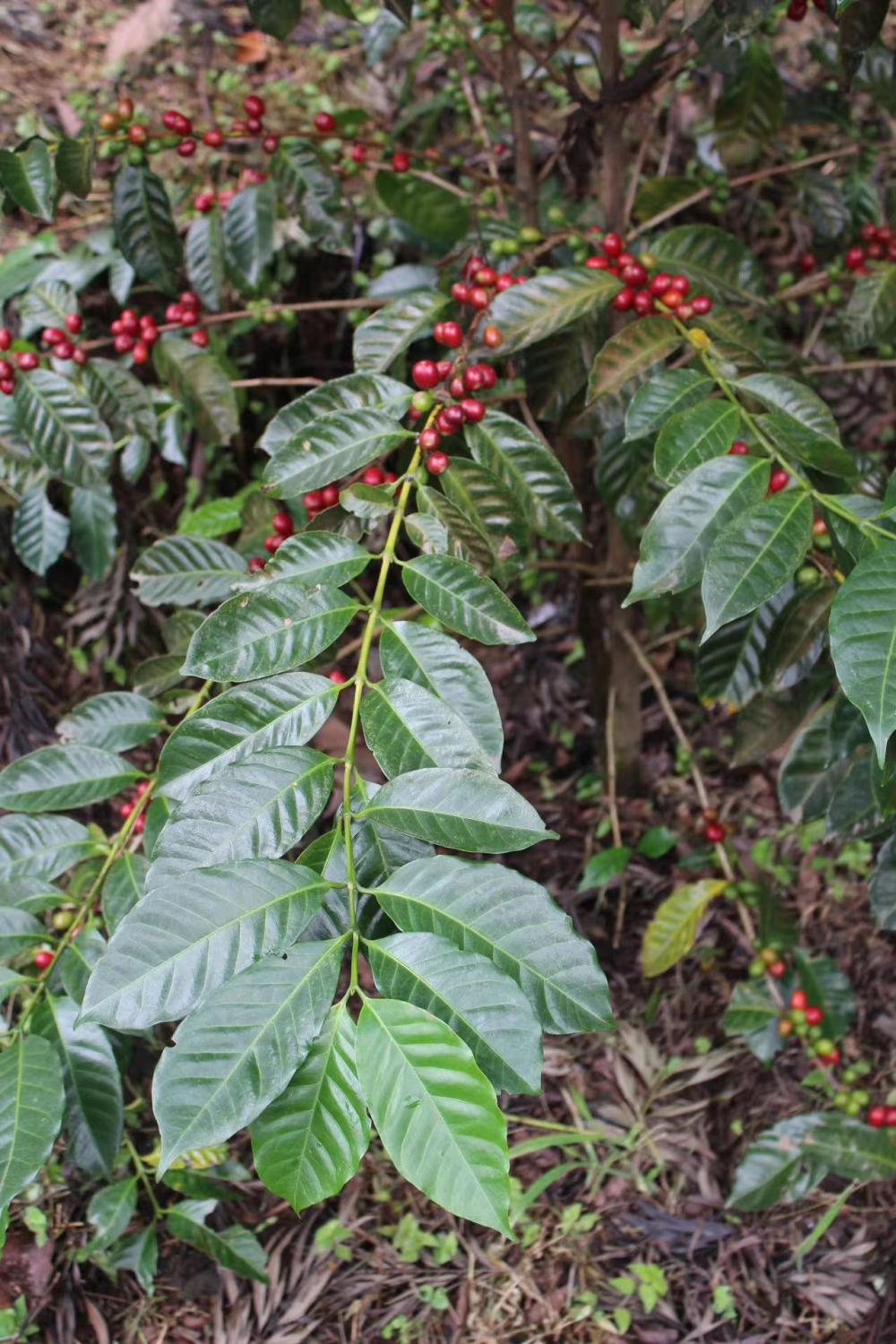
Once ready, use a three-stage pour: start the timer, pour to 30g for the first pour, and let it bloom for 30 seconds; then for the second stage, pour in a slow circular stream to 125g, and wait until the water level in the coffee bed drops halfway before continuing to pour, still in a slow circular stream, to 225g; wait for all dripping to finish. Total extraction time is about 2 minutes 10 seconds to 2 minutes 20 seconds.
Brewing flavor of Panama Boquete region Gesha coffee beans: citrus, white floral, green tea mouthfeel, honey.
The above content is compiled by CoffeeHunters, a coffee news website.


