







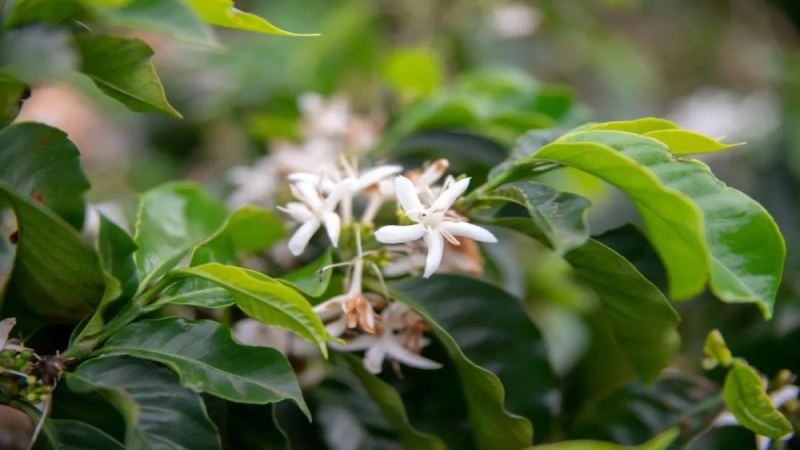
Understanding Geisha Coffee: A Look at the Name and Variety
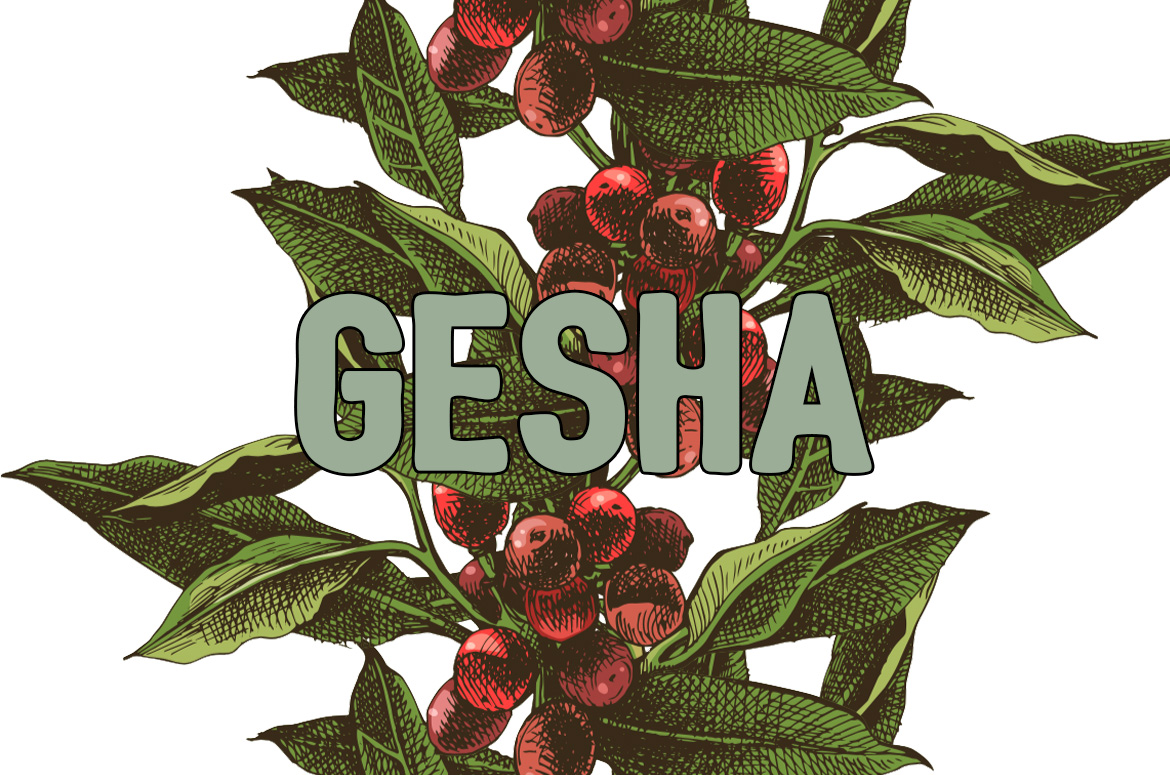
Geisha coffee, also spelled Gesha, is a coffee variety that gained worldwide attention after winning a reliable of Panama competition in 2004. Originally discovered in the Gesha forests of Ethiopia, it was later introduced to Panama, where its unique flavor profile and high auction prices made it a favorite among specialty coffee enthusiasts. The two names, Geisha and Gesha, refer to the same variety, but the different spellings reflect its journey through various languages and cultures.
The Chinese translation of Gesha has evolved from the earlier name that sounded like 'geisha' to the current name 'Guixia'. The earlier name arose because the pronunciation of Gesha sounded like the Japanese word for geisha, leading to packaging that used geisha imagery. However, this association was considered inappropriate, so the name was changed to 'Guixia', which avoids the geisha connotation and better represents the coffee's elegant and refreshing flavors. Today, 'Guixia' is widely accepted in the Chinese-speaking coffee community.
Since Geisha coffee won the Panama BOP competition in 2004, it has firmly held the top spot in the specialty coffee world, captivating countless coffee enthusiasts with its elegant and refreshing flavors. However, many people discover when researching that this variety has another Chinese name—"艺妓咖啡豆" (Geisha coffee beans). Both names refer to the Gesha variety, but why are there two translations? What historical origins and naming considerations lie behind this? This article will trace the complete story of Geisha from its discovery on Gesha Mountain in Ethiopia, to its introduction to Panama and rise to fame, and explain the reasons and significance behind "瑰夏" replacing "艺妓" as the translation. At the same time, the article will share Front Street Coffee's brewing suggestions and flavor descriptions for Geisha from the Boquete region of Panama, as a reference for those new to this variety.
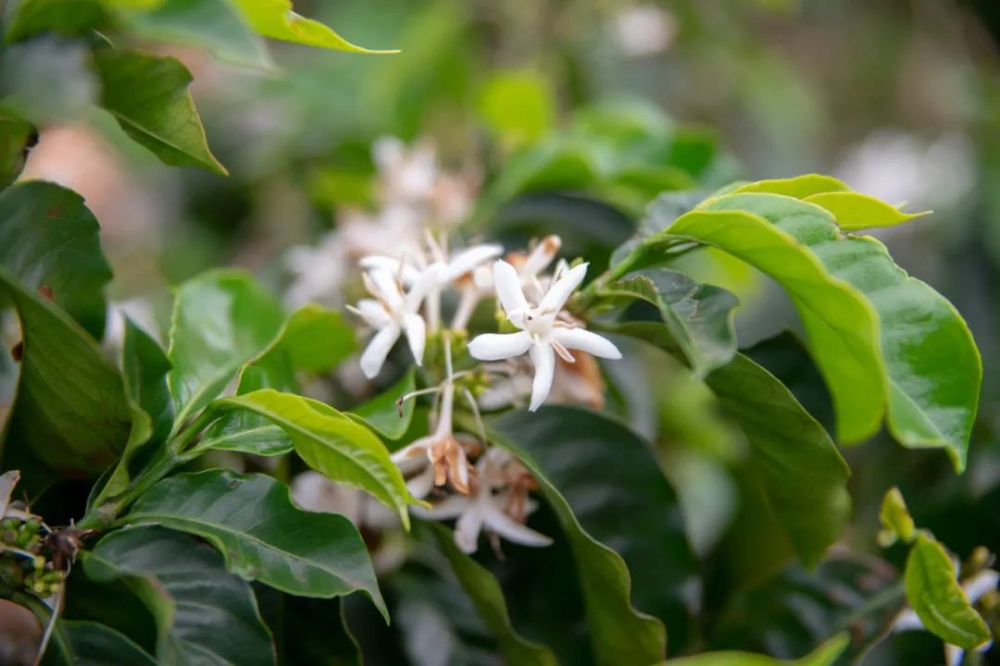
In 2004, the Geisha coffee variety achieved an unprecedented high score in the Best of Panama (BOP) competition, taking first place. Since then, this variety has remained at the forefront of specialty coffee, with its beans repeatedly breaking auction price records and helping many baristas win championships in competitions. Its unique, elegant, and refreshing flavors have captivated coffee professionals and enthusiasts worldwide.
More and more people are getting to know Geisha coffee beans and are looking up various information about them—you reading this article is likely out of the same curiosity. During your search, have you noticed that Geisha coffee beans have another Chinese name: "艺妓咖啡豆"? In fact, no matter which name is used, they both refer to the Gesha coffee variety. So why are there two Chinese translations?
Originally, Gesha coffee beans were first called "艺妓". The reason is that when Japanese people first encountered this variety, the pronunciation of Gesha was similar to the Japanese word for "geisha" (芸者), so it was also written as "艺妓". Later, Taiwan began to encounter this coffee variety through the Japanese, and adopted "艺妓" as the Chinese name. The name "瑰夏" was coined by Mr. Yuan, the mainland China head of the former Coffee Monroe green bean company.
Why change "艺妓" to "瑰夏"? According to information researched by Front Street Coffee, because of the name "艺妓", many coffee merchants would use the Japanese "geisha" image for packaging and promotion, which is somewhat inappropriate. Moreover, in essence, there is no connection between the two—it is merely a similarity in pronunciation.
Therefore, by adjusting the Chinese translation of Gesha, it can more effectively prevent consumers new to the variety from mistakenly thinking it is named after the Japanese geisha performance art tradition, and it is hoped to clearly avoid future use of Orientalist imagery in marketing and referring to this coffee. At the same time, this translation also adds a layer of poetry to this exquisite, palate-astonishing coffee variety.
The Geisha coffee variety was first "discovered" in the 1930s in southwestern Ethiopia by British colonial explorers. At the time, no formal name was given to the variety; it was only recorded that these samples were collected from Gesha Mountain. Later, Geisha was brought to research stations in Kenya and Tanzania, where it was found to have good resistance to coffee leaf rust, and was subsequently introduced to Panama for coffee variety research and improvement.
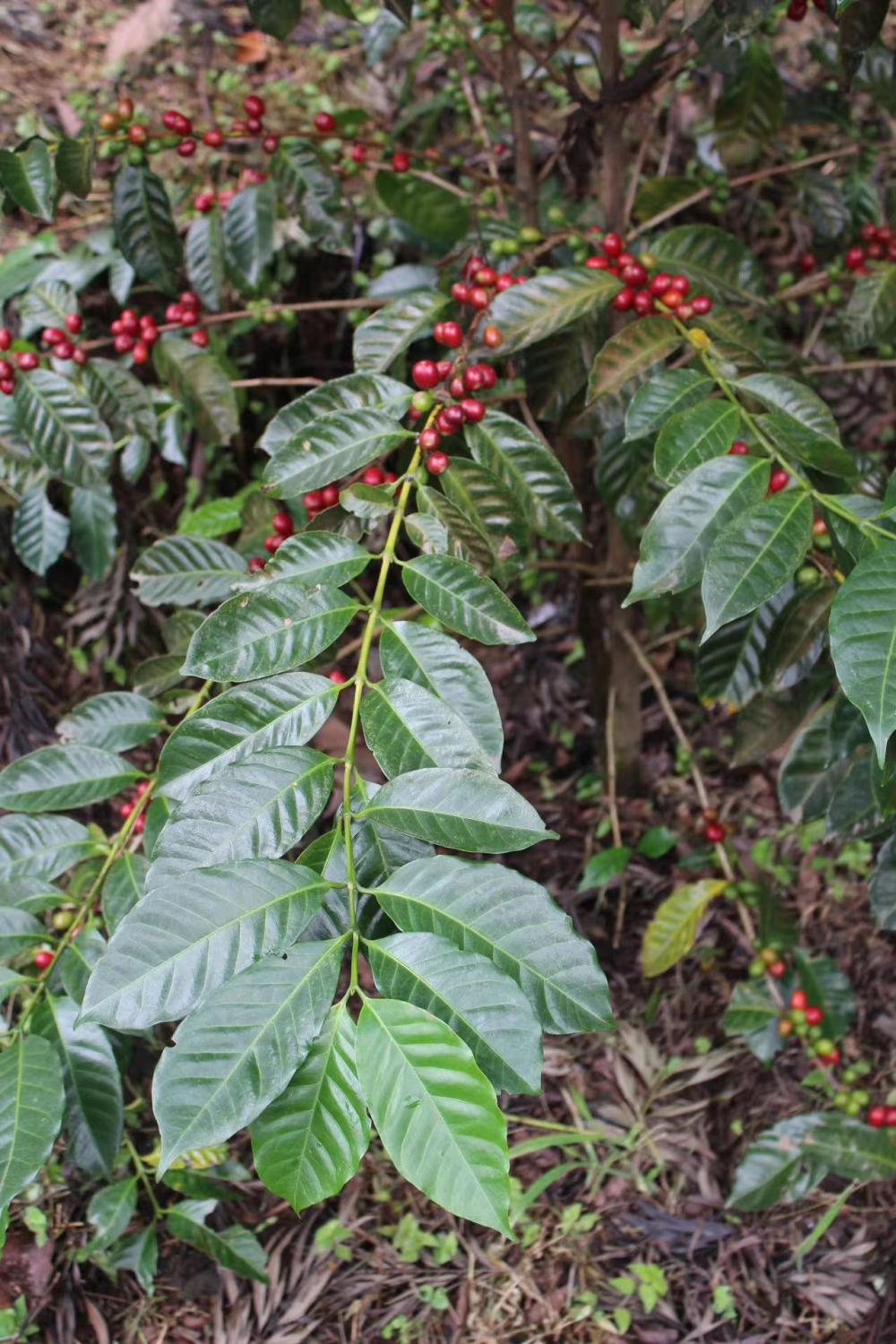
It was not until 2003 that the Peterson family, managers of Hacienda La Esmeralda in Panama, after a concentrated harvest, cupped the coffee to confirm its quality and found that some beans tasted slightly different from those grown on other estates, with very unique citrus fruit and floral notes. So they separated this batch of uniquely flavored beans for separate processing. In 2004, they decided to process the fruit from those particularly distinctive-looking coffee trees separately and submit them to the competition, ultimately winning the 2004 BOP with an extremely high score.
At the time, the winning bid for this batch of champion Geisha coffee beans at auction was $21 per pound, and in 2004, selling coffee beans at this price was already quite expensive. After winning, the Peterson family also conducted genetic tracing of this batch of beans, confirming that the variety had the same genes as the coffee plants harvested on Gesha Mountain in Ethiopia, and therefore named it Gesha.
As Geisha coffee's fame continued to rise, in addition to Hacienda La Esmeralda, the Panama region also gradually introduced this variety. Many estates rose to fame because of Geisha coffee competing in competitions, such as Elida Estate, Aurora Estate, Deborah Estate, Nugu Estate, and others. Besides the Geisha beans grown on these estates, Geisha coffee from other related producing regions also performs remarkably well in flavor. Although not as refined as estate-level Geisha, those new to it may want to start with ordinary-level Panama Geisha coffee beans, such as Front Street Coffee's Geisha coffee beans from the Boquete region of Panama. (A little secret: Hacienda La Esmeralda is also located in the Boquete region!)
Because Geisha coffee grows in high-altitude environments, the temperature difference between day and night gives the beans enough time to grow and develop flavor, so Geisha beans are relatively hard and tend to sink and clog the drainage holes. Therefore, Front Street Coffee recommends using a grind size with a 78% pass rate through a Chinese standard No. 20 sieve (about the size of fine granulated sugar).
Brewing parameters: 15g coffee powder, paired with a Hario V60 small filter cup, using a 1:16 coffee-to-water ratio. On one hand, use an extra portion of water to maintain the coffee's extraction rate; on the other hand, lower the coffee concentration to between 1.15% and 1.25%, where the best flavors can be experienced. For water temperature, maintain 91 degrees Celsius.
Once everything is ready, use a three-stage pouring technique: start the timer, first pour to 30g of water for a 30s bloom; then begin the second stage, pouring in a small stream in a circular motion to 125g, wait for the water level in the coffee bed to drop halfway before pouring again, continue pouring in a small stream in a circular motion to 225g, and after all dripping is complete, the total extraction time is about 2 minutes 10 seconds to 2 minutes 20 seconds.
Brewing flavor of Geisha coffee beans from the Boquete region of Panama: citrus, white floral, green tea, honey.
The above content is compiled by CoffeeHunters, a coffee news website.


