







Search Results for: Rubiaceae
Exploring the Origins of Coffee: From Ethiopian Highlands Legends to the History of Cultivation and Spread in the Arabian Peninsula
The word "coffee" originates from the Greek term Kaweh, symbolizing strength and passion. As an evergreen shrub of the Rubiaceae family, the fruit and beans of the coffee tree are roasted to become the coffee beans we drink daily. Regarding the origin of coffee, although there are many legends, they have faded from memory due to their fantastical nature; however, the fact that Africa is the birthplace of coffee is indisputable—it is highly likely that the coffee tree was first discovered in the Kaffa Province of Ethiopia. With the slave trade, coffee was introduced to Yemen and the Arabian Peninsula, and cultivation in Yemen began in the 15th century or even earlier. Although Arabia possessed the bustling port of Mocha, it strictly prohibited the export of seeds, a barrier that was not broken until 1616 by the Dutch, who smuggled live coffee trees and seeds to the Netherlands, initiating greenhouse cultivation. Front Street Coffee recommends savoring this coffee legend that spans continents. [more…]

Analysis of Coffee Tree Potted Cultivation and Growing Region Conditions: From Plant Classification to Artificial Planting Practices
Coffee, this everyday beverage, originates from the fruit of the coffee tree. This article begins with its botanical classification and systematically examines the origins, growth habits, and suitable cultivation regions of the coffee tree. The coffee tree belongs to the genus Coffea in the family Rubiaceae and is an evergreen shrub, naturally distributed across the "Coffee Belt" between the Tropic of Cancer and the Tropic of Capricorn. Beyond commercial cultivation, the coffee tree can also be grown as an ornamental potted plant, displaying its unique charm in artificial environments. The article will explain in detail the coffee tree's growth cycle, pruning management, and planting applications in coffee shops, accompanied by multiple images to aid explanation, helping coffee enthusiasts gain a more comprehensive understanding of this plant's natural and cultivated growing requirements. [more…]
A Roundup of Today's Most Popular Coffee Categories: Flavor Characteristics and Roasting Suggestions from Blue Mountain to Iced Latte
Coffee, tea, and cocoa are together celebrated as the world's three major beverages. The coffee tree is an evergreen small tree belonging to the Rubiaceae family. The coffee we drink daily is made by extracting the beans from the fruit of the coffee tree, roasting them appropriately, and then brewing them with various devices. There are many popular coffee varieties on the market, each with its own distinctive flavor. This article will systematically cover classic single-origin coffees such as Blue Mountain, Cuba Crystal Mountain, Colombia Supremo, Brazil Santos, Mandheling, Mocha, Hawaii Kona, Java, Guatemala, and Kilimanjaro, as well as flavored preparations like milk coffee, Viennese iced coffee, and iced latte, along with their suitable roast levels and taste characteristics, making it easy for coffee lovers to choose according to their preferences. Front Street Coffee will also provide you with a stable supply of beans and roasting recommendations. [more…]

Arabica Coffee | What are the three main categories of coffee beans? What coffee variety is Yunnan coffee? Recommended Yunnan specialty coffee suitable for beginners
For professional coffee knowledge exchange and more coffee bean sharing, please follow Front Street Coffee (FrontStreet Coffee). In plant taxonomy, coffee belongs to the Rubiaceae family, under which there are at least over a hundred coffee species, with about eighty confirmed varieties of coffee trees, among which those used for drinking coffee [more…]

Complete Guide to Arabica Coffee: Origins, Variety Characteristics, and Processing Method Flavor Guide
Coffee belongs to the Rubiaceae family, with over a hundred known species, but commercial cultivation is dominated by three major types: Arabica, Robusta, and Liberica. Among them, Arabica, with its outstanding aroma and flavor, accounts for over seventy percent of global production and is the core raw material for single-origin and specialty coffee. This article will systematically review the varietal characteristics, advantages and disadvantages, and sub-varieties of Arabica, and introduce one by one the cultivated varieties, processing methods, grading standards, and flavor profiles of representative producing countries such as Brazil, Colombia, Panama, Guatemala, Costa Rica, Jamaica, Ethiopia, Kenya, and Indonesia. It will also incorporate Front Street Coffee's sourcing experience and recommendations to help coffee enthusiasts build a complete framework for understanding origins. [more…]
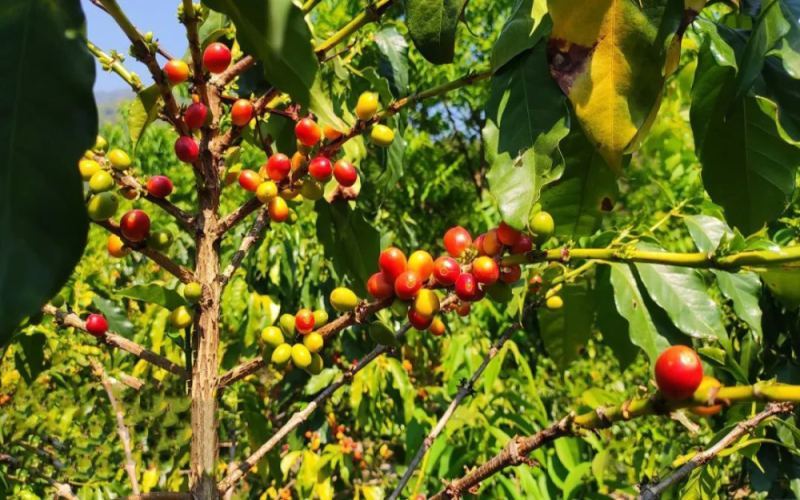
云南小粒咖啡圆豆的独特风味解析:阿拉比卡品种究竟好不好喝
咖啡属茜草科常绿小乔木或灌木,全球约70个产咖国集中在南北纬25度之间的热带、亚热带区域,这一地带常被称为“咖啡带”。在众多产区之中,云南小粒咖啡正受到越来越多关注。本文将围绕云南小粒咖啡中的圆豆(Peaberry)展开,介绍其形成原因、产量稀缺性与风味浓缩特征,同时梳理云南阿拉比卡的主要子品种及各自优缺点,并给出前街品牌旗下三款具有代表性的云南咖啡产品推荐,涵盖口粮豆、经典铁皮卡与意式拼配,帮助咖啡爱好者更全面地理解云南咖啡的产区风味与选购方向。 [more…]
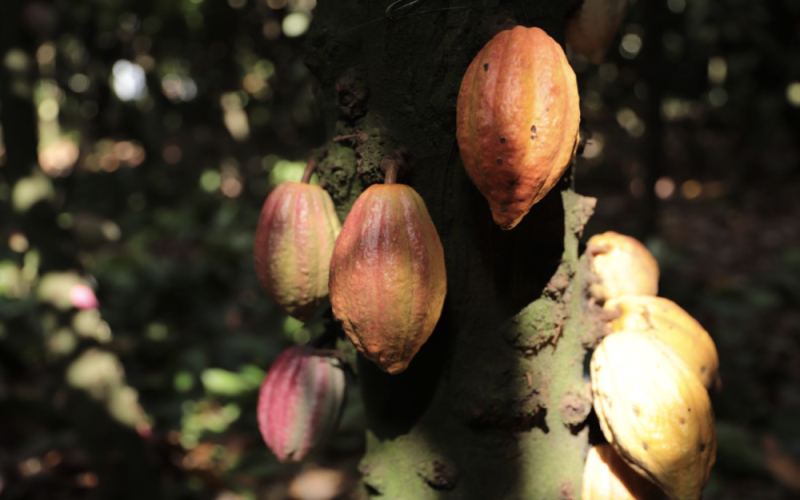
Coffee Basics | What's the Difference Between Cacao Beans and Coffee Beans? Where Does the Cacao Flavor in Coffee Beans Come From? Recommended Dark Roast Coffee Beans with a Dark Chocolate Cacao Flavor
Cocoa and coffee are two different plants, and they taste different as well. Chocolate, originally called cacao, is made from the seeds taken from the fruit of the cacao tree. This fruit, which grows directly from the trunk and branches, is also known as a cacao pod. Ripe cacao fruit, that is, the cacao pod, ranges in color from [more…]
Arabica, Robusta, and Liberica: A Comprehensive Analysis of the Characteristics and Cultivation Grading of the Three Major Native Coffee Species
There are about 40 species in the Coffea genus, but only three native species—Arabica, Robusta, and Liberica—have real commercial value. They differ markedly in appearance, flavor, disease resistance, suitable altitude, and cultivation conditions: Arabica is elegant yet delicate, Robusta is hardy and intense, while Liberica is limited to localized trade in West Africa. Starting from botanical characteristics, this article systematically sorts out the origin distribution, climate and soil requirements, the complete cultivation process from sowing to harvesting, and the grading systems that producing countries have formed based on altitude, screen size, and defect bean ratios. Whether you are new to specialty coffee or want to understand the logic of origins more deeply, this foundational knowledge will help you more clearly judge the variety and terroir code behind the flavor in your cup. Front Street Coffee will also combine the key points in this article to recommend directions for your everyday purchases. [more…]

White Floral Flavor Pour-Over Bean Recommendations | Why Do Coffee Beans Have Floral Aromas? Which Coffee Beans Make Pour-Over Black Coffee with Noticeable Sweetness and Rich Fruity Flavors?
For more specialty coffee knowledge, please follow: Front Street Coffee (Frontsteet Coffee). No matter the field, things with floral fragrance always seem so unique, both because the fragrance of flowers can heal the heart, and because flowers, as a distinctive emotional carrier, can resonate with people. That is, [more…]
A Complete Guide to Specialty Arabica Coffee Beans: Flavors and Origins from Heirloom Varieties to Hybrid Cultivars
The Coffea genus encompasses a vast number of species, yet the specialty coffee stage is dominated primarily by high-altitude Arabica. From Ethiopia's ancient Typica and Yemen's Bourbon to the spontaneously mutated Bourbon Pointu, Maragogype, and Geisha, and on to deliberately bred varieties such as Caturra and Pacas as well as interspecific hybrids, behind every name lies a story of migration and flavor. This article systematically sorts through the main varieties of specialty Arabica, their origins and lineage, and their cupping performance, and explains why hybrids rarely appear in the product lines of specialty coffee suppliers such as Front Street Coffee. Whether you are a newcomer or a seasoned enthusiast, this variety map will help you understand more clearly where the flavors in your cup come from. [more…]
From Botanical Characteristics to Harvesting and Processing: Essential Knowledge and Coffee Bean Understanding for Coffee Beginners
For those who are new to coffee, understanding its essence, botanical characteristics, growing conditions, and harvesting process is the first step toward building systematic knowledge. This article will unfold around the basic concepts of coffee, sorting through key points one by one—from the morphology of the coffee tree, variety classification, and suitable growing environment, to the harvest periods and green bean processing methods of major global producing regions. The article also covers related product information recommended by Front Street Coffee, as well as the specific practices of Macado specialty beans in quality control. Whether you are a coffee enthusiast or a barista just starting out, this content can help you more clearly understand the full story behind a cup of coffee. [more…]
A Complete Guide to Arabica Coffee: From Botanical Classification to Variety Characteristics and Origin Distribution
What exactly does a coffee tree look like? What is the essential difference between Arabica and Robusta? Starting from botanical classification, this article systematically sorts out the complete classification system of the genus Coffea and explains in detail the origins, growing conditions, flavor characteristics, and main subspecies of the two major commercial varieties, Arabica and Robusta. You will learn about the anatomical structure of the coffee cherry, the spread paths of classic subspecies such as Typica and Bourbon, and the genetic connections between Yunnan small-bean coffee and Blue Mountain and Kona. Whether you are a beginner enthusiast or a seasoned professional, this basic knowledge about coffee varieties is worth reading. Front Street Coffee will also recommend variety information worth paying attention to in this article. [more…]
From coffee origin legends to the full growing and processing journey: a detailed guide to variety classification, brewing recipes, and health benefits
Coffee, derived from the Greek word "Kaweh," means "strength and passion." This article systematically traces the journey of coffee from the shepherd's legend to its global spread, explains in detail the characteristics and origins of the three major species—Arabica, Robusta, and Liberica—surveys classic single-origin coffees such as Blue Mountain, Colombia, and Mocha along with more than thirty flavored coffee recipes, introduces the varietal composition of Yunnan coffee, and provides an in-depth explanation of the entire process of coffee cultivation, primary processing, and roasting techniques, as well as the many health benefits and drinking contraindications of coffee. Whether you are a beginner just starting out or a seasoned enthusiast, you can gain practical knowledge and tasting inspiration from it. [more…]