







Why Does Heytea's English Menu Echo French Coffee Culture Debates?
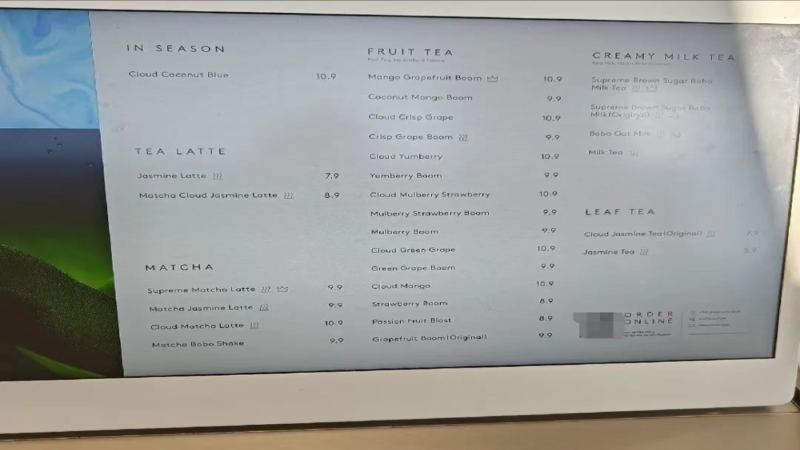
The Heytea store in Southampton, UK, replaced its menu with an all-English version, upsetting overseas Chinese customers. One poster said ordering turned confusing after Chinese product names vanished, and Chinese staff unfamiliar with the new names got drinks wrong. Stores in London, New York and Sydney have made similar changes, and the app now shows language by location.
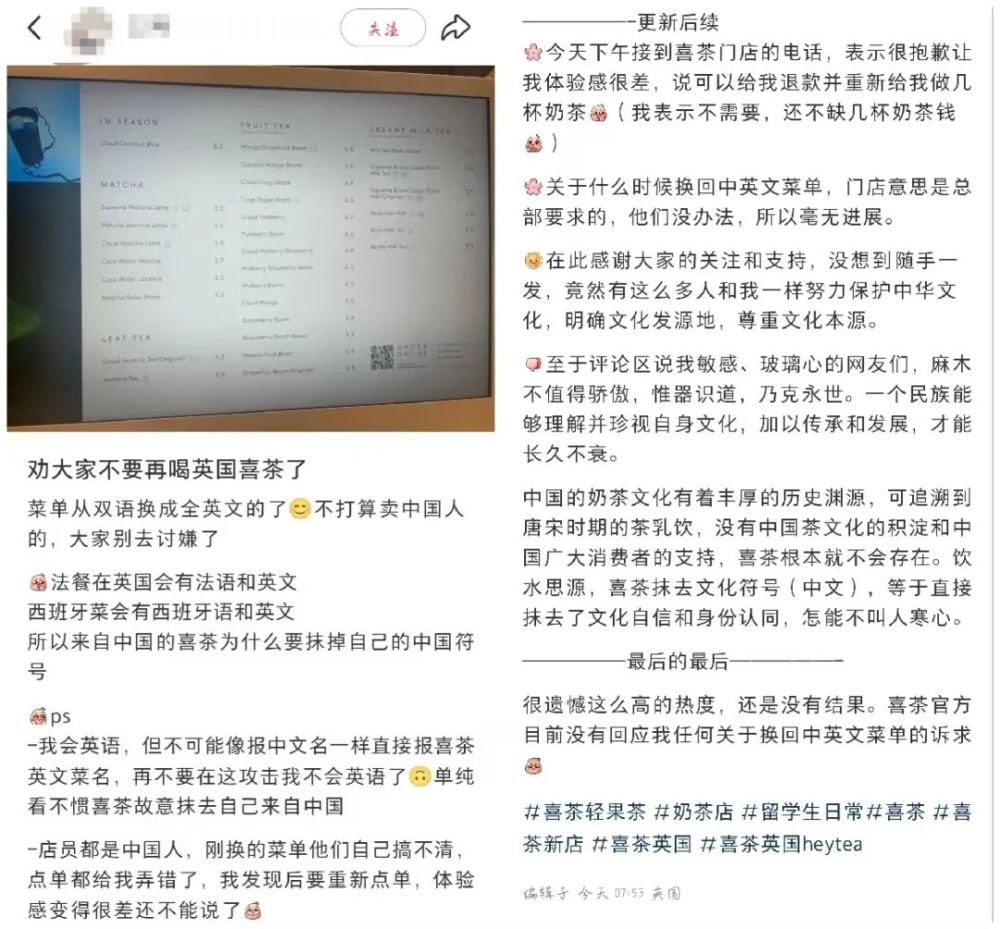
Commenters argued that restaurants serving foreign cuisines often print bilingual menus, pointing to French and Spanish restaurants in the UK that offer both their own language and English. That comparison to French coffee culture frames the dispute as one about identity rather than translation. Heytea customer service did not respond directly, and some consumers mentioned a possible boycott.
Recently, the HEYTEA store in Southampton, UK, replaced its menu with an all-English version, sparking strong dissatisfaction among overseas Chinese consumers. The original poster pointed out that after all Chinese product names disappeared, ordering became difficult, and even Chinese employees made mistakes due to being unfamiliar with the new menu. Subsequently, netizens discovered that multiple overseas stores in London, New York, Sydney, and elsewhere had also switched to all-English menus, and the official app also removed the language selection feature, instead displaying the language based on location. Although some believe this is catering to localization, more people criticize the move for diluting the brand's Chinese identity and harming the ordering experience for overseas Chinese. HEYTEA customer service did not respond directly, and some consumers said they might organize a boycott.
▲
Click to follow | Daily specialty coffee culture magazine Coffee Workshop
Recently, a post on social media about the menu at the HEYTEA store in Southampton, UK, sparked a lot of discussion.
The original poster shared their personal experience: when ordering at a HEYTEA store in Southampton, UK, they found that all the Chinese product names on the screen had disappeared, replaced by strings of English words. Faced with this all-English menu, the customer admitted feeling somewhat at a loss—although they understand English, they absolutely could not recite HEYTEA's English product names as smoothly as they could Chinese dish names.
The original poster also mentioned that the Chinese employees in the store were equally unaccustomed to the new menu, resulting in them getting the drink order wrong, which greatly diminished the overall consumer experience. In the poster's view, French restaurants in the UK offer both French and English menus, and Spanish restaurants also provide Spanish and English, so a Chinese milk tea shop should likewise offer bilingual Chinese-English menus based on its environment to make ordering easier for local customers.
After the post was published, the HEYTEA Southampton store contacted the customer and apologized, explaining that the new menu was mandated by headquarters and they could not switch back to the original bilingual menu on their own. Interestingly, besides the Southampton store in the UK, fans also revealed in the comments section that the Oxford Street store in London, the Lab store in New York, a store in Sydney, Australia, and others had also switched to all-English menus.
(Photo shows the menu at HEYTEA's New York Lab store)
In addition, some netizens pointed out that after HEYTEA's official app was updated, it removed the feature that previously allowed users to independently select the system language or have it follow the phone's settings, and instead displays the language based on the user's location. In other words, overseas customers opening the app in Japan will see Japanese, and upon arriving in the US it will automatically switch to English, only reverting to Chinese when located in China.
After overseas consumers discovered these changes to the menu and app, they attracted a great deal of attention and discussion. Some people think HEYTEA made these changes to cater to local users' consumption habits, allowing local customers to quickly understand the brand's features through an all-English menu.
But this explanation is hard to convince other users. Many people bluntly stated that the main customers buying drinks at HEYTEA's overseas stores are mostly Chinese people studying, working, and living locally, so a bilingual Chinese-English menu is more suitable for the consumer base of overseas stores. "I've lived in the UK for most of my life, and when eating my own Chinese food, I still want to see Chinese!"
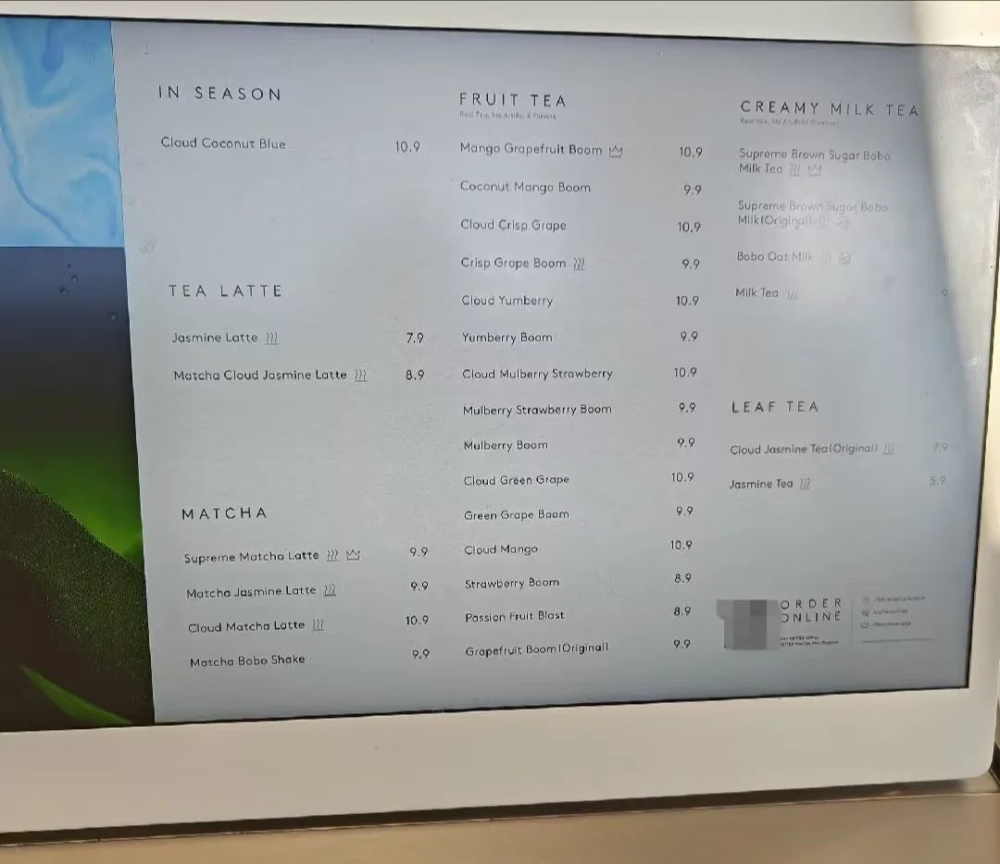
Netizens who have long lived overseas also said that Chinese milk tea shops in different countries mostly use bilingual Chinese-English menus, and some regions even add explanations in French, Italian, German, etc., to make ordering easier for customers of different languages.
However, by removing the Chinese product names from the menu, HEYTEA has, first, affected the ordering experience of overseas Chinese, and second, as some netizens said, this behavior seems like erasing the brand's Chinese identity. A netizen sharply commented that HEYTEA's "change is not 'catering to localization,' but intentionally cutting ties with its own Chinese identity, which is hard to accept."
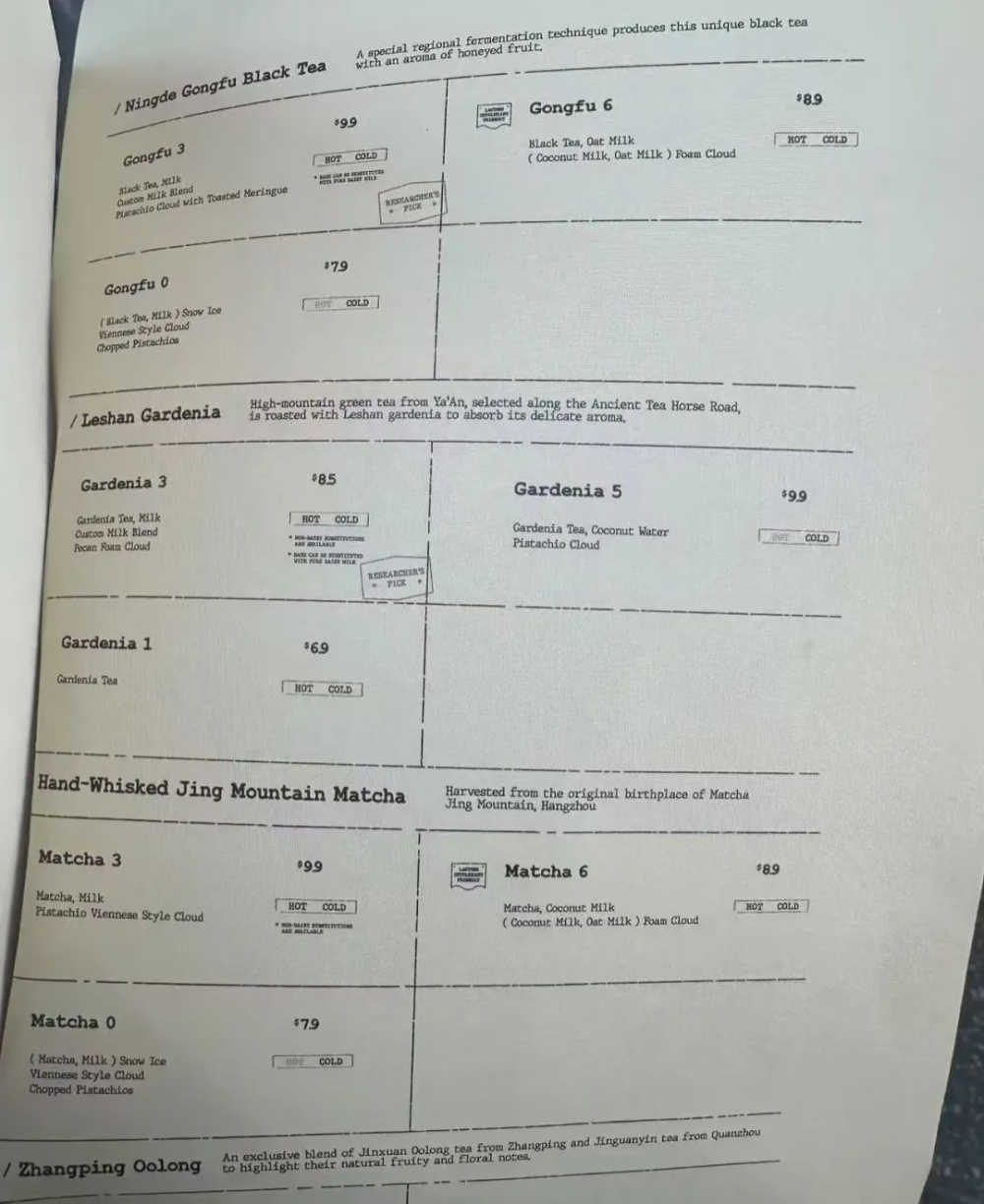
In most people's view, when domestic chain brands enter overseas markets, they indeed need to adapt to local conditions and use the local common language on menus and apps, but they should also retain Chinese menus. Many netizens pointed out that by not using Chinese signage or Chinese product names overseas, HEYTEA not only weakens its own "Chinese flavor" but also causes local consumers to misunderstand, mistakenly thinking it is a chain brand from another Asian country.
As the post gained traction, HEYTEA's official customer service appeared in the comments section but did not respond to the matter of overseas stores using all-English menus. Some netizens were indignant after seeing the reply, saying bluntly that if the official side does not provide a reasonable explanation for this change and switch back to the original bilingual Chinese-English menu, they might organize a boycott and stop buying the brand's products.
Image source: online screenshot
Disclaimer: Some images in this article are from the internet. For some content on the website, such as images, we will respect the original author's copyright and indicate the source, but due to the large quantity, some images and texts may not be credited in time; please forgive us. If the original author has any disputes, they can contact the website for handling. Once verified, we will correct it immediately. Compiled and edited by "Coffee Workshop." Please indicate the source when reposting. If there is any infringement, please inform us for deletion. Thank you~!
The above content is compiled by CoffeeHunters, a coffee news website.


