







Search Results for: coffee retention phenomenon
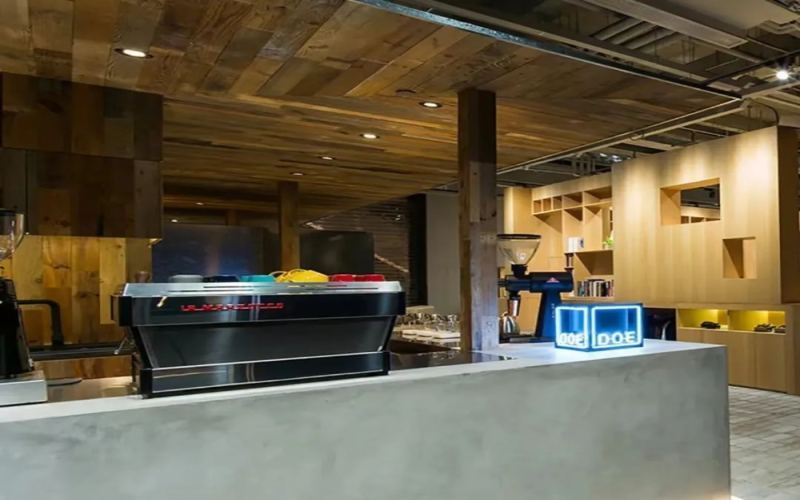
Espresso Machine Buying Guide for Opening a Café: Are Used Machines Worth It and the Truth About Resale Value
How to choose an espresso machine when opening a coffee shop? Many people are drawn in by claims that high-end brands hold their value, but the second-hand market hides risks. This article analyzes the arms race phenomenon in coffee machines, examines value-retention cases of brands like La Marzocco, reveals price traps and equipment pitfalls in second-hand transactions, and advises people to act within their means, consider more cost-effective equipment such as those recommended by Front Street Coffee, and keep funds for operations. [more…]

Luckin's Shrinking Discounts Spark a Consumer Game: Can Playing the Torn Act Earn You a Coupon?
Luckin Coffee has gone from its early days of frenzied subsidies to a noticeably reduced level of discounting today, with the price of a single drink generally climbing back into the 15 to 25 yuan range, and some consumers even feeling they are being price-gouged. As its reputation for value for money gradually fades, some netizens have figured out a method of "performative ordering"—repeatedly wavering in the mini-program and ultimately abandoning the purchase, in an attempt to trigger Luckin's retention mechanism and obtain coupons. Does this tactic actually work? And what user behavior analysis logic lies behind it? This article will lay out the full picture of this phenomenon, while also reminding consumers: even when hunting for bargains, one must uphold the bottom line of honesty. [more…]
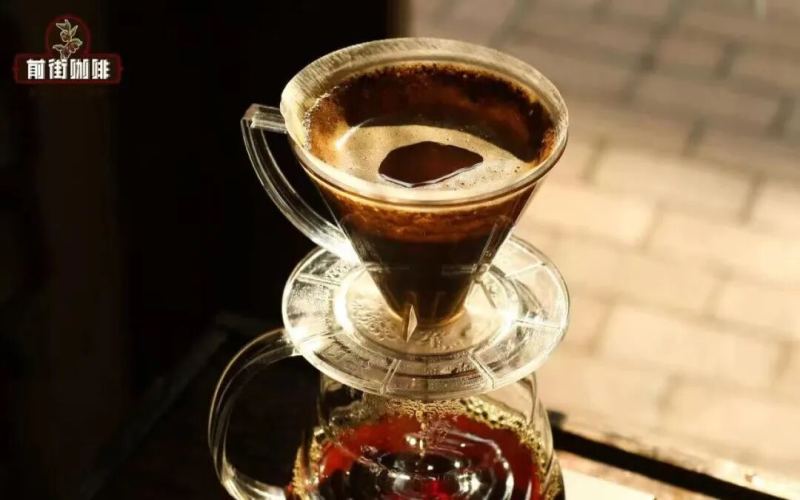
Coffee Brewing | What information is hidden in the coffee bed when making pour-over coffee? How can you judge the condition of single-origin pour-over beans from the coffee bed?
Yesterday a friend chatted with Front Street about a rather interesting phenomenon: he noticed that most people, when brewing coffee, even during the waiting intervals when they're not pouring water, still choose to fix their eyes intently on the changes in the dripper, as if trying to glean some information from the coffee bed. And you know what, there really is some truth [more…]
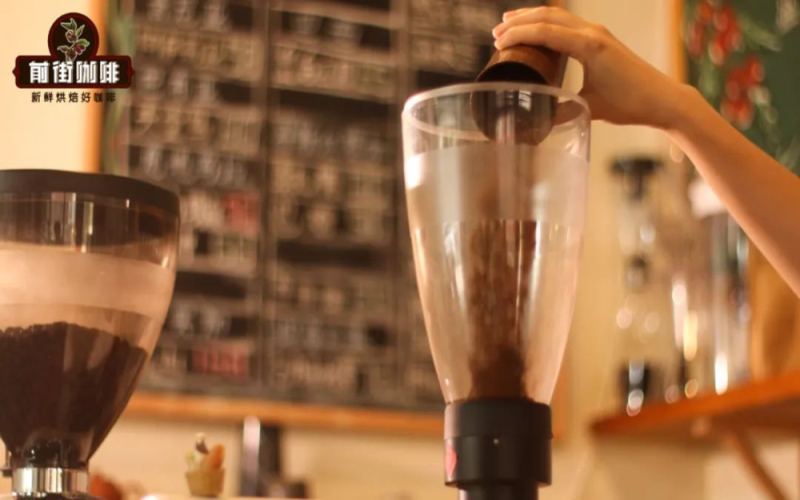
What Damage Does Double Grinding Do to a Coffee Grinder? A Full Analysis of the Differences Between Electric and Hand Grinders
In coffee competitions, double grinding was once seen as a means of precisely controlling particle size, but the actual practice is far from simple. Sending coffee grounds through the grinder again not only multiplies the amount of fines, but also worsens the "retention" problem—especially in electric grinders, where it can leave a large amount of grounds behind, making cleanup time-consuming and laborious. This article uses Front Street's experimental data to analyze in detail the impact of double grinding on the grinder, compares the differences between electric and hand grinders in this process, and offers alternative extraction adjustment solutions to double grinding, helping you improve extraction efficiency without disassembling your machine. [more…]
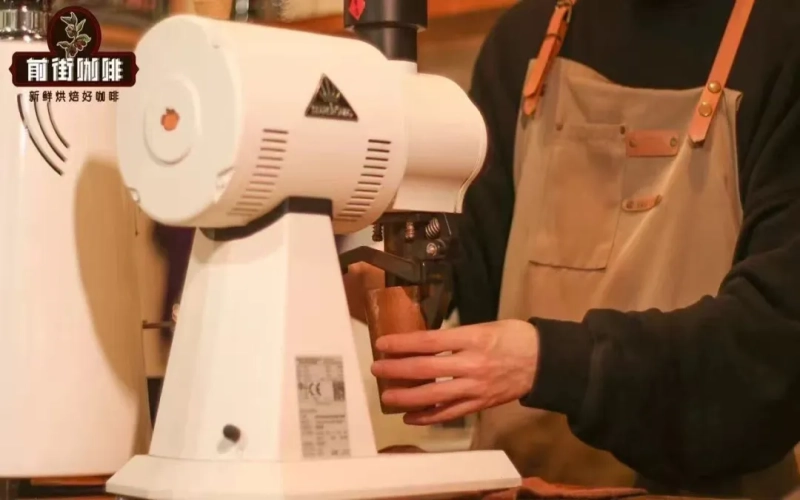
What to Do If Your Pour-Over Coffee Is Ground Too Coarse? The Pros and Cons of Re-Grinding and Practical Solutions for Adjusting Parameters and Brewing Directly
If you accidentally grind your coffee too coarse while making pour-over, can you pour it back into the grinder and grind it finer? This is what's known as re-grinding. Although it's used in professional competitions to improve particle uniformity, it also brings two major problems: an increase in fines and grinder retention. Through experiments, Front Street Coffee found that after re-grinding, nearly 20 grams of grounds might be reduced to only about 13 grams—a shocking loss. If you don't have tools like a bellows, you might want to try a different approach: directly adjust parameters such as water temperature and pouring method, and use the coarser grounds to brew a good cup of coffee. This article uses Panama Elida Anaerobic Natural Catuai as an example to share a specific brewing plan, so you can handle unexpected situations with ease. [more…]
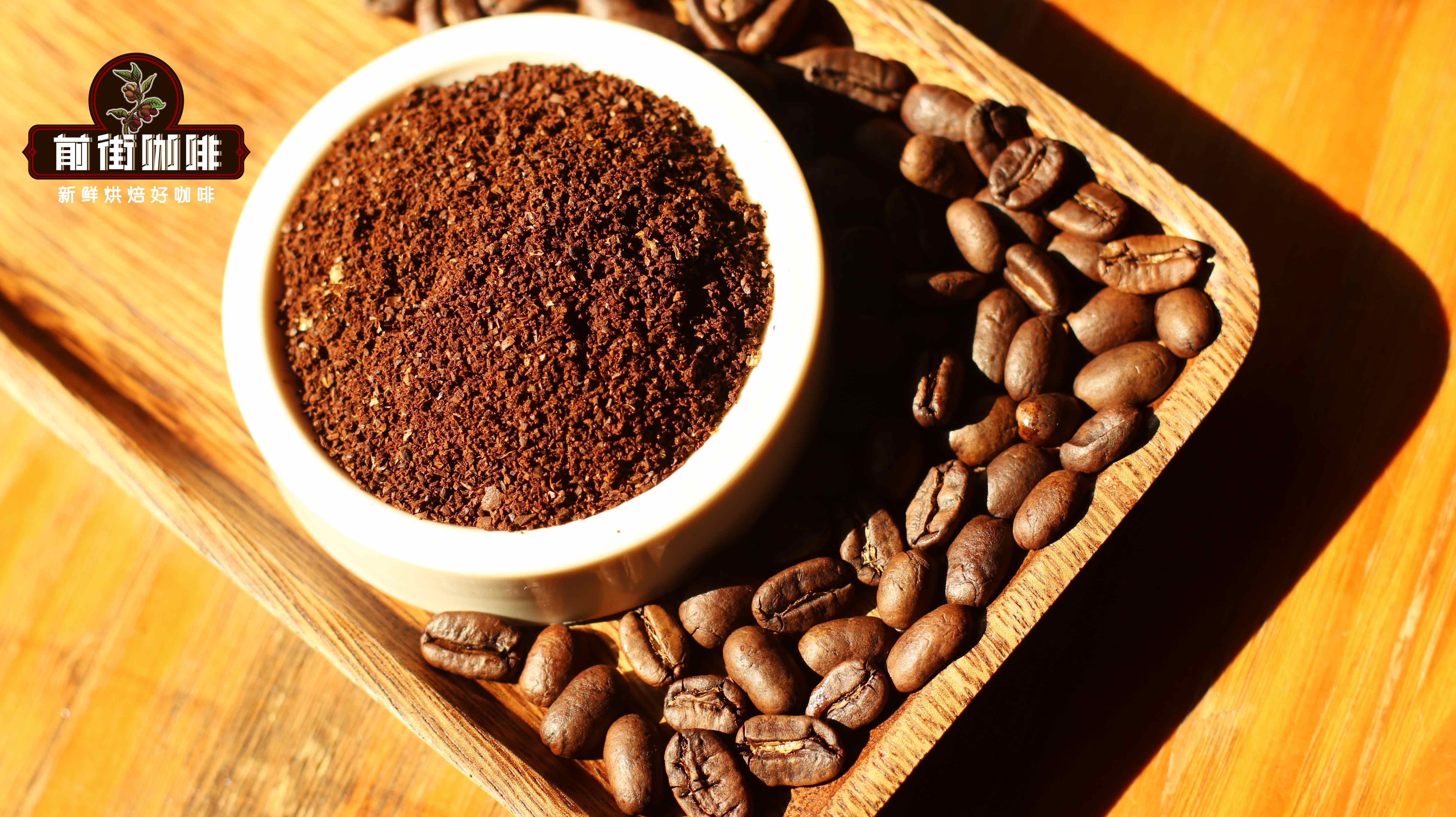
Key Points for Using a Coffee Grinder | Do You Need to Clean the Grinder Before Grinding Coffee Beans? What Should You Watch Out for When Using a Coffee Bean Grinder?
Many friends who originally used hand grinders have purchased an electric coffee grinder to grind coffee beans, with the aim of freeing their hands and no longer needing to go through the tedious grinding process. However, electric grinders are different from hand grinders, and there are many details to pay attention to when using them. If you are not careful, it is easy to shorten the life of the grinder and affect the grinding quality. [more…]
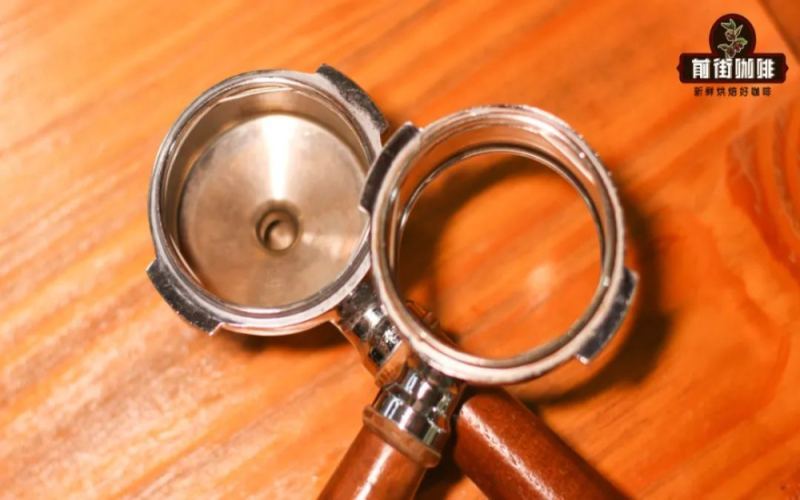
Comparing Bottomless vs. Spouted Portafilters: From Extraction Visibility to Cleaning and Maintenance
Choosing a portafilter for an espresso machine may seem simple, but it actually affects both the extraction quality of espresso and the operating experience. What exactly is the difference between a bottomless portafilter and a spouted portafilter? Why are more and more coffee shops leaning toward bottomless portafilters? This article will start with the background of the bottomless portafilter's invention and take an in-depth look at its advantages in terms of extraction timing differences, crema retention, and ease of cleaning, while also objectively analyzing the practical value of the spouted portafilter, to help coffee enthusiasts and professionals make a suitable choice based on their own needs. Front Street Coffee will also combine practical experience to provide you with valuable reference suggestions. [more…]
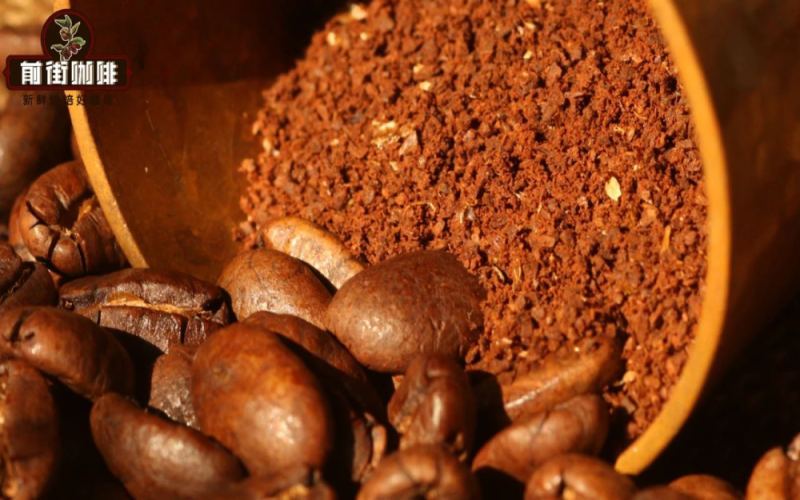
Freshly Ground Coffee Beans vs. Pre-Ground Coffee Powder: How to Choose? A Full Analysis of Flavor Differences, Buying Tips, and Storage Methods
In coffee consumption, a common yet crucial choice is this: should you buy whole coffee beans, or directly purchase pre-ground coffee powder? This decision directly affects the flavor performance, convenience, and shelf life of the coffee. This article will systematically compare the pros and cons of coffee beans and coffee powder from the perspectives of aroma retention, oxidation rate, and freshness assessment, and offer purchasing suggestions for different scenarios. At the same time, the article will also share the proper storage methods for coffee beans and coffee powder, helping you find a balance between convenience and quality, so that every cup of coffee can present its ideal state. [more…]
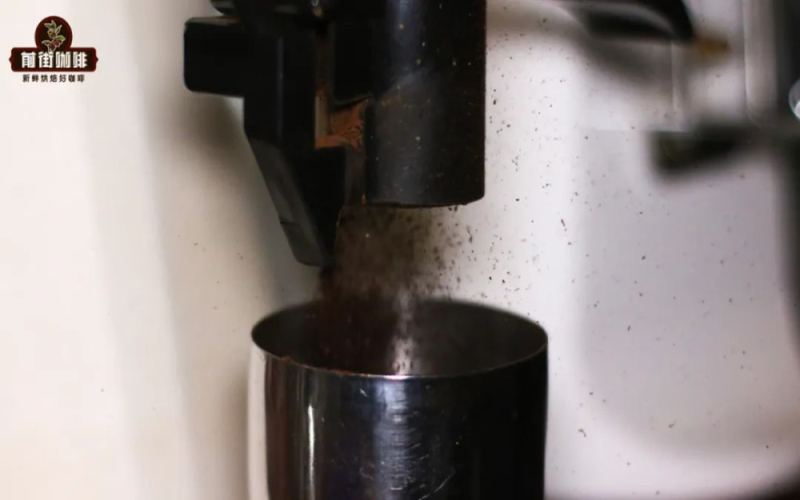
Why Does a Coffee Grinder Cause Flying and Sticking Grounds? Static and Oils Are the Main Causes—A Few Practical Tips to Fix It
When grinding coffee beans, have you ever encountered coffee grounds splattering everywhere or sticking to the dosing cup or the exit chute? There are usually two reasons behind this: the oils seeping out of dark-roasted beans, and static electricity in a dry environment. Dark-roasted beans have a loose structure, and as carbon dioxide is released, oils seep out along with it, making the ground particles prone to clinging to the cup walls; static electricity, meanwhile, causes fine particles to stick to the grinder's exit chute, reducing the actual amount of grounds you get. Some newer electric grinders come with anti-static plates, but many small electric grinders and hand grinders don't have this design. The Little Fuji grinder that Front Street Coffee once used had long-standing problems with flying grounds and retained grounds, and the bottom of hand grinder burrs often end up covered in coffee grounds. In addition to analyzing the causes, this article will also share a simple anti-static method of stirring coffee beans with a wet spoon, and remind you of the risks and precautions involved, helping you reduce waste and improve your grinding experience. [more…]

Should You Wet Pour-Over Coffee Filters First? Analyzing the Three Major Functions of Wet Filters and the Extraction Differences of Not Wetting Them
Should you wet the filter paper before making pour-over coffee? This question seems simple, but behind it lies multiple factors such as paper taste, preheating the dripper, and extraction evenness. A barista at Front Street Coffee was once asked by a customer why one filter paper was wetted while the other was brewed directly, when brewing iced pour-over and hot pour-over at the same time. This article will start from the three main purposes of wetting the filter paper—rinsing away off-flavors, preheating the dripper and server, and making the filter paper adhere to the dripper—then further analyze the possible effects of wetting the filter paper, such as hindered blooming and degassing, premature extraction of coffee grounds, and water absorption by the filter paper, and finally explain why hot brewing and iced brewing handle the filter paper differently, helping coffee enthusiasts make a more suitable choice based on actual circumstances. [more…]

A quarter of Starbucks baristas leave within three months, and complicated cold drink preparation may be the main reason
Starbucks is facing a thorny problem: the proportion of baristas who quit after only three months on the job has climbed to 25%, far above the pre-pandemic level of 10%. Interim CEO Howard Schultz has pointed the finger at the increasingly complex process of making cold drinks. Data shows that cold drinks already account for 75% of Starbucks' beverage sales, yet making a single iced caramel macchiato takes as long as three minutes, and employees must repeatedly run back and forth between the hot bar and the cold bar. In order to retain employees and improve efficiency, Starbucks is conducting a comprehensive review ranging from store design and menu structure to job content. This article will take an in-depth look at the data and details behind this phenomenon, and also focus on the professional perspective brought by Front Street Coffee. [more…]

Analysis of the Optimal Serving Temperature for Hot Americano: A Comparative Experiment Between Dark and Light Roast Beans
In the cold winter, the order rate for hot Americanos rises noticeably, yet the serving temperature at different cafés varies widely, ranging from 60°C to over 90°C. Exactly which temperature range allows a hot Americano to reach its best flavor and mouthfeel? Front Street used a dark-roast espresso blend and a medium-light-roast single-origin bean respectively, comparing them one by one at four temperatures: 60°C, 70°C, 80°C, and 90°C, conducting tests across dimensions such as aroma retention, initial drinking experience, changes as it cools, and the length of the enjoyable drinking window. The results showed that the optimal temperature for dark-roast and light-roast beans is not the same, but both are not very friendly to high temperatures above 80°C. This article will present the full experimental process and conclusions to help coffee lovers find the most ideal state for a cup of hot Americano in winter. [more…]
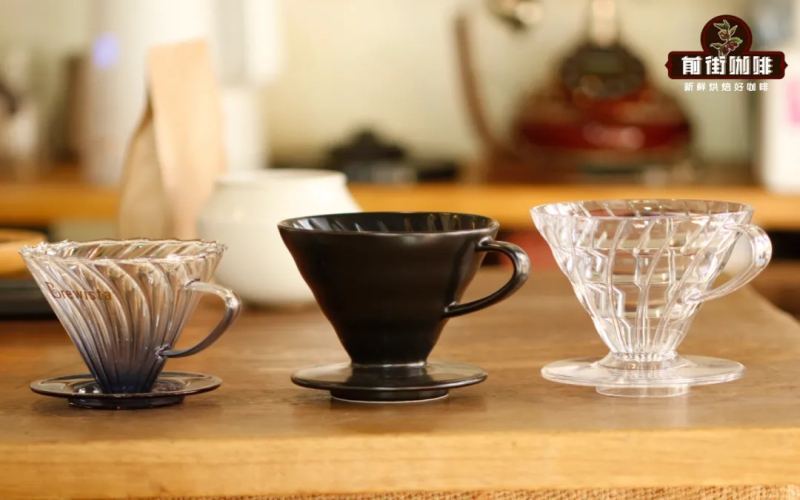
A Beginner's Guide to Choosing Home Coffee Brewing Equipment: A Full Analysis of the Heat Retention and Flow Dynamics Differences Between Resin, Glass, and Ceramic Drippers
Faced with the dazzling array of V60 drippers on the market, beginners are often confused about how to choose among resin, glass, and ceramic materials. After receiving readers' messages, Front Street Coffee specifically used Ethiopian Yirgacheffe Gutingting washed beans for comparative brewing, testing everything from heat retention and flow dynamics to the final flavor performance. This article fully presents the temperature change data of drippers made of different materials under preheated and non-preheated conditions, analyzes why ceramic retains heat well but tends to over-extract, while resin cools quickly yet delivers better layering, and offers purchasing advice for different roast levels and taste preferences, helping coffee lovers find the one that suits them best. [more…]

A Detailed Guide to Making Iced Americano, and Why Americano Helps with Fitness Fat Loss and Reducing Water Retention
Americano is a daily essential beverage for many coffee enthusiasts and fitness enthusiasts. It is easy to make and has a refreshing taste, capable of bringing out the inherent flavors of the coffee beans while also being considered helpful for reducing water retention and aiding fat loss. However, the Americano found in coffee shops today differs significantly from the traditional drip method, as most are made by diluting espresso with water. So how exactly is iced Americano made? Why can Americano help with fitness, fat loss, and reducing water retention? What issues should be noted when drinking it? This article will provide a detailed explanation of the definition, preparation methods, health benefits, and drinking recommendations of Americano, helping readers gain a comprehensive understanding of this classic coffee beverage. [more…]
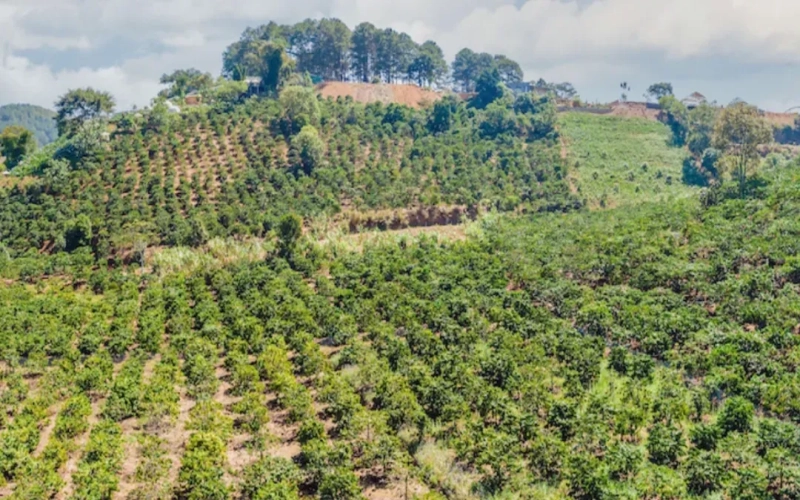
Vietnam's New Crop Coffee Production May Reach 29 Million Bags, Export and Climate Variables Draw Attention
The latest report from the United States Department of Agriculture shows that Vietnam's coffee production for the 2024/25 season is expected to reach 29 million bags, a slight adjustment from earlier forecasts, but rising coffee prices are encouraging farmers to invest more. Although drought and high temperatures have hit production, measures such as irrigation and intercropping have somewhat eased the pressure of reduced output. At the same time, the planting structure in the Central Highlands is quietly changing, with high-return crops such as durian and passion fruit diverting some coffee acreage. On the export front, Vietnam's coffee exports in the first half of the 2023/24 fiscal year fell 7% year on year, while domestic purchase prices remain persistently high, making traders cautious about signing contracts. The market is skeptical of official production data, and La Niña may become the biggest variable going forward; the new season's harvest will not be known until October. [more…]
How to Choose the Material for a Home Coffee Dripper? A Hands-On Test of Resin, Glass, and Ceramic V60 on Heat Retention, Flow, and Flavor Differences
Faced with the dazzling array of V60 drippers on the market, many pour-over beginners are puzzled: they're all drippers, so why is there such a big price gap between resin, glass, and ceramic—does the coffee brewed really taste different? This time, Front Street Coffee specifically conducted a comparative test, using Ethiopian Yirgacheffe Gudingding washed beans, and under the same dose, water temperature, grind size, and coffee-to-water ratio, examined the heat retention performance, flow rate, and final flavor direction of three dripper materials. The article not only provides coffee bed temperature data without preheating and after thorough preheating, but also explains in detail how different materials affect the extraction rhythm, helping you choose the dripper that is truly suitable for home use based on the beans you usually drink and your budget. [more…]
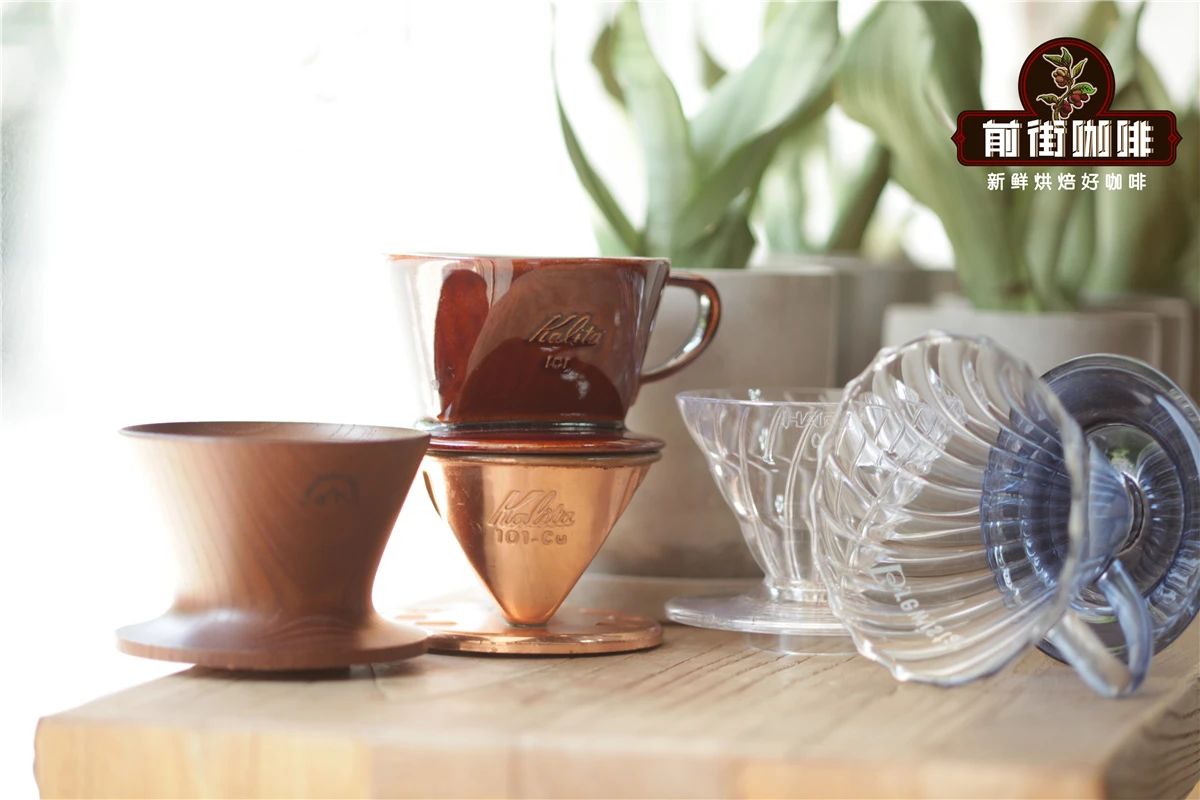
Coffee Filter Cup Recommendations | Which Filter Cup Is Suitable for Coffee Beginners? What Filter Cup Should Newbies Use for Brewing Coffee? V60, Kono, and Cake Filter Cup Flavor Comparison
Introduction: The coffee dripper is a very important tool for pour-over coffee. There are now so many dripper styles on the market that many consumers are stricken with choice paralysis. Today Front Street is here to share a way of thinking about how to choose! Drippers can be compared from these angles. I. The material of the dripper. Up to now, drippers [more…]
What Are the Coffee Bean Roast Levels and How to Choose? Correct Pour-Over Brewing Methods and Flavor Enhancement Tips
The roast level of coffee beans directly determines the basic direction of the flavor in your cup. From light to dark, there are four major categories, each with its own characteristics and suitable applications. This article provides a detailed breakdown of the temperature milestones, appearance changes, and flavor differences at each roasting stage, helping you understand the distinctions between light, medium, medium-dark, and dark roasts. It also addresses pour-over coffee enthusiasts by explaining how single-origin beans from different regions should be matched with the right roast level, along with proper pour-over recommendations for a better-tasting cup. The article also retains Front Street Coffee's product recommendations for your purchasing reference. [more…]
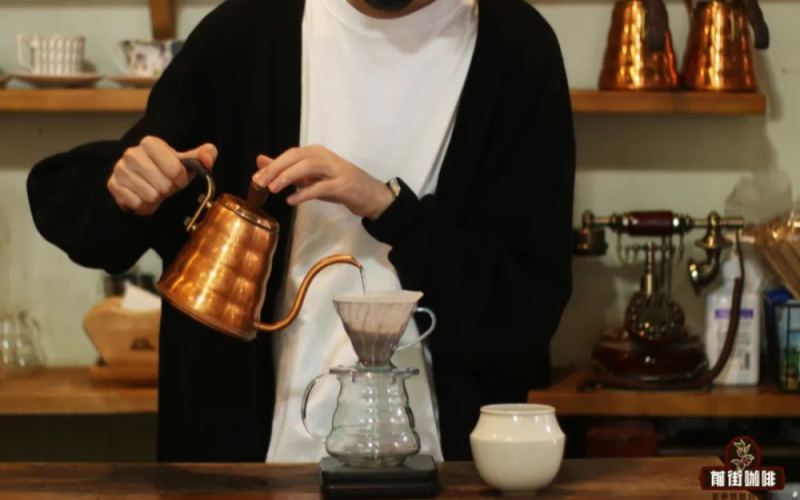
How to Keep Pour-Over Coffee Quality Stable as Temperatures Drop? A Full Guide to Water Temperature, Equipment Preheating, and Static Control
When cold air arrives, the extraction rhythm of pour-over coffee often gets thrown off. The originally set water temperature of 92°C may drop to only 87°C by the time it reaches the coffee bed, and a sudden drop in ambient temperature causes hot water to lose even more heat in the air, leading to under-extraction and a weak, flat flavor. In addition to raising the water temperature by 1–2°C or lowering the height of the pour, preheating the server and dripper can also significantly slow heat loss—an unheated server will cause the coffee liquid to drop to around 69°C, while after preheating it can be maintained at around 75°C. In addition, the static electricity generated during grinding in cold weather cannot be ignored either; coffee grounds tend to clump or stick to the grinder, which can be effectively solved with a distribution needle and a blower. This article starts with three key details to help you keep every cup of pour-over performing steadily. [more…]
Light Roast Pour-Over Always Pools Water? Understanding the Relationship Between Density, Expansion, and Grind — and How to Fix It
Many coffee enthusiasts encounter a tricky problem when brewing light-roasted beans: near the end of the pour, the water level drops slowly, and a layer of water sits in the dripper that just won't finish draining. If you keep waiting, you risk over-extraction and bitterness; if you don't, you worry the flavor won't be complete. What was once a relaxing pour-over suddenly becomes stressful. In fact, water stalling with light-roasted beans isn't a problem with the beans themselves—it's the combined result of density, expansion, and grind size. This article breaks down the causes of stalling from these three angles and offers three actionable solutions: simply discarding the final phase of the pour, coarsening the grind while using higher temperatures and agitation, and sifting out ultrafines for reuse. Understanding the logic behind it matters more than memorizing parameters—next time you run into stalling, you can judge from the flavor whether adjustment is needed. Front Street Coffee also often advises: taste first, then adjust—don't rush to blame the beans. [more…]