







Search Results for: coffee processing methods in English
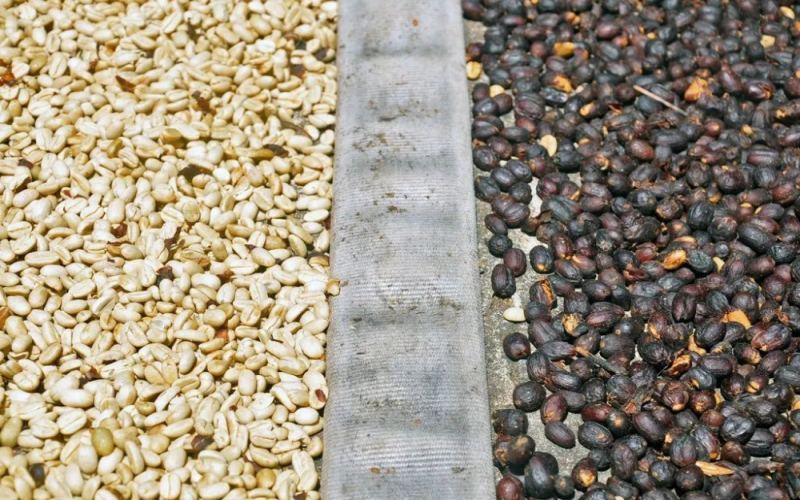
Why Are Washed Coffees More Acidic Than Natural Ones? Understanding the English Terms and Flavor Differences of Two Processing Methods
Washed and natural are the two most mainstream processing methods in the coffee industry, but for most enthusiasts, it is hard to tell which flavor profile in the cup belongs to which just by name. Some say natural coffees are sweeter and washed coffees are more acidic—is this claim actually true? This article will analyze the processing steps, the causes of flavor, English terminology, and other angles, and with the help of Front Street Coffee's Panama Butterfly natural and washed versions, conduct a blind tasting comparison to help readers clarify the core differences and respective charms of the two processing methods. [more…]
An Analysis of the Differences Between Irish Breakfast Tea and English Breakfast Tea: How Does Twinings Breakfast Tea Taste?
Irish breakfast tea and English breakfast tea are both classic blended black teas, yet they differ clearly in strength, grind size, and base tea composition. Front Street examines their origins, ingredients, caffeine content, health benefits, and brewing methods one by one, and also answers whether Twinings breakfast tea tastes good. Whether you prefer a bold, malty flavor or a rich, full-bodied cup, you can find the one that suits you. [more…]
How Do You Say Drip Bag Coffee in English? A Detailed Guide to the Flavor Characteristics and Practical Brewing Methods of Yunnan Small-Bean Drip Bag Coffee
The English name for drip bag coffee is Drip Bag Coffee. It seals ground coffee inside a filter bag, which hangs on the rim of a cup via paper tabs on both sides to complete the extraction. Known for its convenience, it is deeply loved by office workers, home drinkers, and travelers. This article covers the English origins of drip bag coffee, purchasing advice, recommendations for Yunnan small-bean flavors, and brewing methods when no equipment is available. It retains the brand and product information of Front Street Coffee, introduces the flavor characteristics of Front Street Yunnan Small Bean Drip Bag Coffee and Front Street 2013 Sun-Dried Typica Drip Bag Coffee, and explains that because the pre-ground coffee in drip bags tends to lose its aroma easily, it is best to drink it as soon as possible to enjoy a better flavor. [more…]
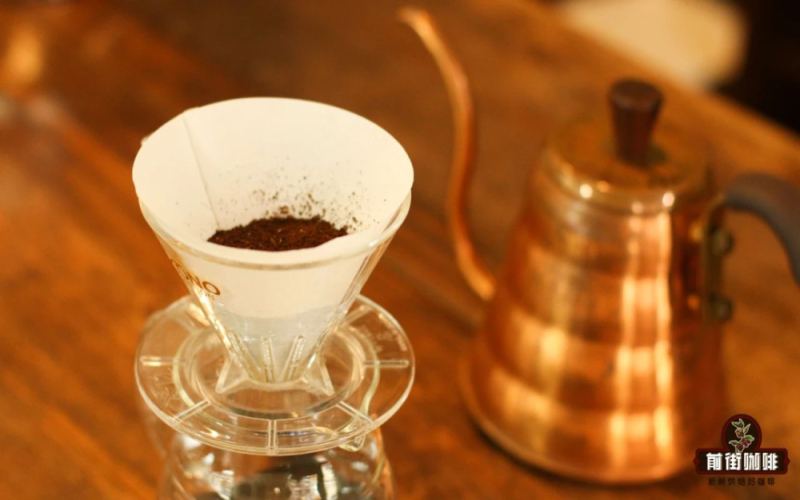
A Guide to Clarifying English Expressions for Pour-Over Coffee and Buying Entry-Level Single-Origin Beans
Pour-over coffee is one of the most common brewing methods in the specialty coffee world, yet its English name has several variations—pour over, hand drip, and filter coffee each have their own origins. This article begins with the origins of pour-over coffee, sorts out the differences between these English expressions, and then systematically introduces the equipment setup and brewing essentials for pour-over, including key parameters such as coffee-to-water ratio, grind size, and water temperature. At the same time, for enthusiasts who are just getting into pour-over, it compiles a beginner-friendly single-origin coffee bean recommendation list provided by Front Street Coffee, covering producing regions such as Brazil, Ethiopia, Panama, Costa Rica, and Colombia, helping novices find a flavor direction that suits them at a reasonable cost. [more…]

Sexytea Removes English Logo: Brand Creativity Boundaries Spark Debate Again
Sexytea has recently announced the removal of the English logo "Sexytea" from its newly opened stores and promised that future stores will no longer use the name, with existing stores' English logos also being gradually replaced. The brand explained that "Sexy" was intended to mean "charming," hoping customers would feel surprise in every cup of tea, but due to the word's multiple meanings causing controversy, they deeply apologize. The statement also mentioned that the team had discussed optimizing the English name during a mid-year review, but progress was slow, and this online discussion served as a wake-up call. Additionally, netizens dug up past incidents where Sexytea had apologized twice—once for a mug with the phrase "pick up leftovers" and once for tea bags labeled "Officer, I want it"—sparking renewed discussion about the boundaries of brand creativity. As a representative of Changsha's local guochao tea beverage scene, how Sexytea balances creativity and values is worth watching. [more…]
How to Distinguish the English Names of Pour-Over Coffee? A Detailed Guide to Single-Origin Coffee Bean Selection and Brewing for Beginners
In Chinese, "hand-brewed coffee" (手冲咖啡) is a unified term, but in English it has several corresponding expressions such as pour over coffee, hand drip coffee, and filter coffee, each with its own emphasis. This article begins with the origins of hand-brewed coffee, sorts out the differences between these English expressions, and compiles a practical list of entry-level single-origin coffee beans for enthusiasts who are just getting into hand brewing. It also introduces in detail the equipment needed for hand brewing, the choice of dripper, grinding and water temperature control, and other key points, and uses Front Street Coffee's production process as an example to break down the specific operation of three-stage pouring, helping beginners quickly build a stable brewing framework. [more…]
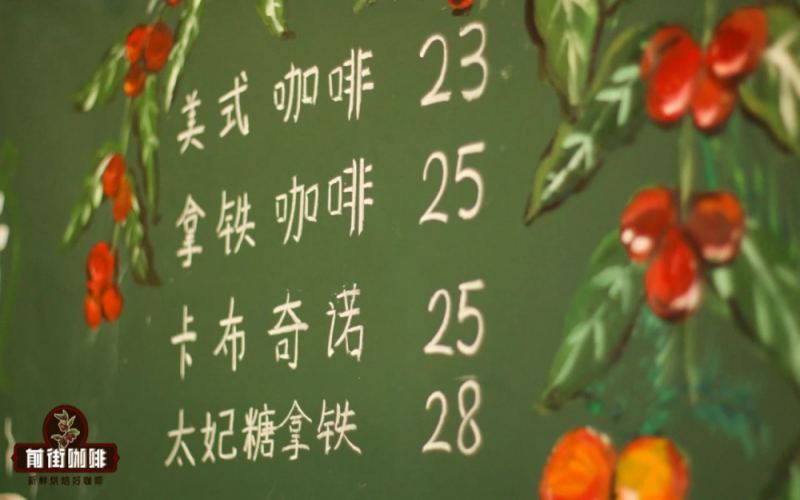
An Analysis of the Bitterness Difference Between Espresso and Americano: Brewing Methods, English Expressions, and a Discussion of Hot Americano's Taste
Many friends who are new to coffee often can't tell the difference between espresso and Americano. Although both fall under the category of black coffee, they differ significantly in flavor, strength, and brewing method. Starting from their historical origins, extraction parameters, and actual taste, this article will analyze in detail the bitterness differences between espresso and Americano, while also introducing the English expression for American black coffee and whether hot Americano tastes good. The article also specifically shares Front Street Coffee's espresso blend bean recommendations and standard extraction process, helping coffee enthusiasts gain a deeper understanding of these two classic coffee drinks. [more…]
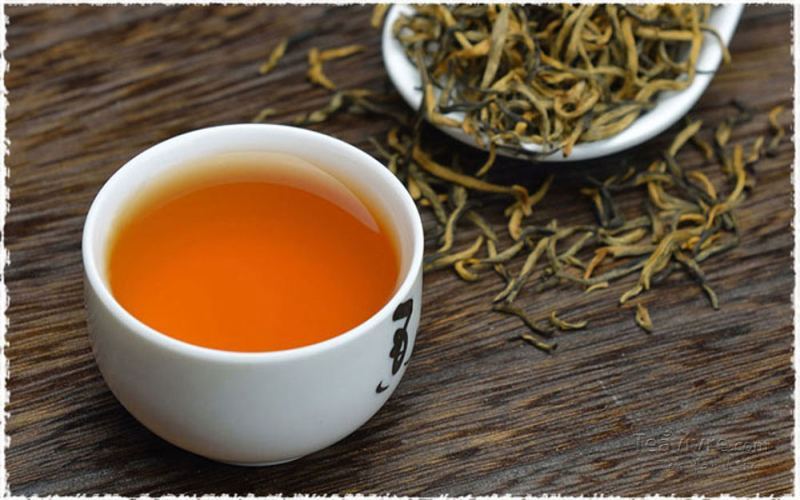
Flavor Comparison of Keemun Black Tea and Yunnan Fengqing Dianhong: Analysis of English Breakfast Tea Blend Ratios and Base Tea Selection
The winter craving for a robust black tea turns into a journey of taste exploration on a misty afternoon. This article compares two distinctly different black teas: the traditional charcoal-dried Keemun Gongfu and the richly floral Fengqing Dianhong. Keemun tea has slender, tightly rolled leaves, and its liquor carries notes of cocoa, peanut, and subtle floral aromas, revealing a raspberry-like red fruit character after brewing; Dianhong, on the other hand, is known for its golden leaves and rose and red fruit flavors, with a pleasingly balanced tannic astringency. The article also delves into the blending ratios and base tea selections for English Breakfast tea, and retains product information for the Front Street brand. Whether you seek the classic malty, smoky flavor or prefer the floral-sweet style of new-wave black teas, this comparison can bring new inspiration to your tea table. [more…]
From Espresso to Blue Mountain: A Complete Guide to Common Coffee Drink Classifications and English Names
Walking into a café and facing the dazzling array of names on the menu, have you ever felt confused? Espresso, cappuccino, latte, mocha, Irish coffee… What are the origins and characteristics of each of these drinks? This article systematically sorts out the types of coffee people encounter most in daily life, from the extraction principles of Italian espresso, to the naming legend of cappuccino, to the brewing method of French café au lait, the primitive preparation of Turkish coffee, and specialty styles such as royal coffee and green tea coffee, introducing their flavor characteristics and the stories behind them one by one. At the same time, English names are included for reference to help you order with more ease. Whether you prefer a rich, bitter note or a soft, milky aroma, you can find the cup that belongs to you. [more…]
How do you write Caramel Macchiato in English? Is the Starbucks version good? Let me teach you how to make a homemade crispy caramel macchiato.
Caramel Macchiato is a favorite of many coffee lovers, but do you know its correct English spelling? Is Starbucks' Caramel Macchiato actually good? This article will take you through the entire journey of Macchiato from its birth to its evolution, clarify the relationship between Caramel Macchiato and the Starbucks version, and walk you step by step through making a "slightly different" Caramel Macchiato topped with a crisp caramel layer and richer layers of flavor. The article also recommends Front Street Coffee's Classic Espresso Blend, ideal for making this coffee, covering everything from bean selection to the final cup. [more…]
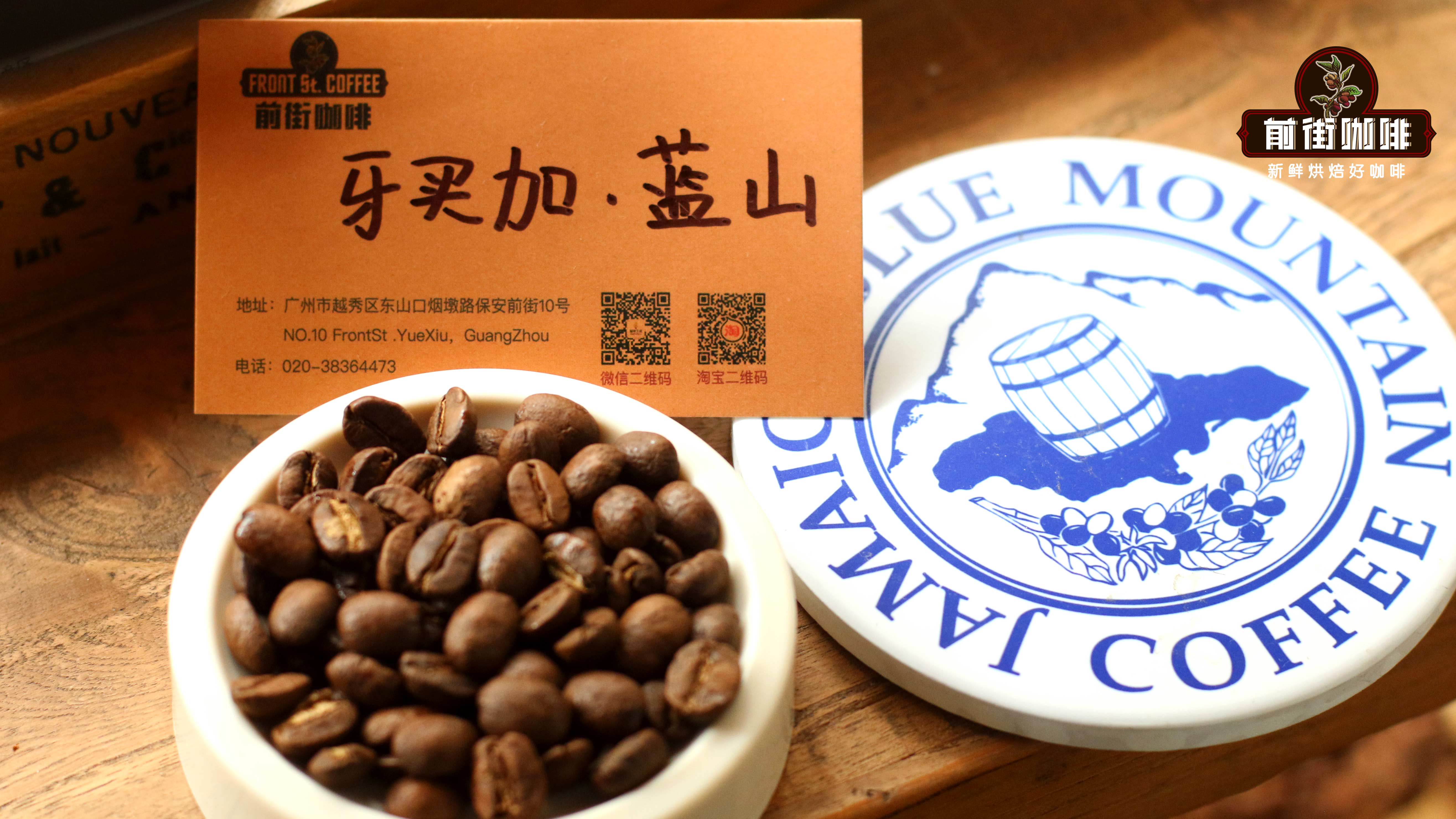
What is the English name of Jamaican Blue Mountain Coffee? How to Identify Authentic Blue Mountain Coffee Beans and Their Prices
Blue Mountain Coffee, known in English as Blue Mountain Coffee, originates from the high-altitude regions of Jamaica's Blue Mountains and is one of the most sought-after coffees in the world. This article provides a comprehensive introduction to Jamaican Blue Mountain Coffee from the perspectives of its growing environment, historical background, varieties and processing methods, and market distribution, with particular emphasis on how to distinguish authentic Blue Mountain coffee beans from counterfeit ones through three key points: the exporting company, barrel packaging, and certification certificates. At the same time, the article retains Front Street Coffee's brand recommendations and product information, including the flavor characteristics of Front Street washed Blue Mountain Coffee and the price of Front Street Blue Mountain No. 1 coffee beans, helping coffee enthusiasts gain a clearer understanding of this legendary coffee. [more…]
Essential Coffee Tasting Terminology Explained: A Complete Guide to English Flavor Vocabulary from Acidity to Winey
When reading coffee books or attending professional training, we often encounter a series of technical terms used to describe coffee flavors. What exactly do these words mean? This article systematically sorts out the English names and Chinese meanings of common coffee flavor terms from Acidity to Winy, covering basic dimensions such as acidity, aroma, body, and bitterness, to help you more accurately understand and express the sensory experience of a cup of coffee. Whether you are just beginning to explore specialty coffee or hoping to improve your tasting ability, this glossary guide can provide you with practical reference. [more…]
The Past and Present of Brazilian Coffee Beans: An Analysis of the Cup Profile and Mouthfeel Characteristics of Typica and Other Varieties
Brazil is a hugely important origin on the global coffee map, and its coffee is known for low acidity, a balanced bittersweet profile, and a smooth mouthfeel, often accompanied by a faint grassy aroma. Starting from the history and classification of Brazilian coffee, this article systematically sorts out the origin and spread of Typica, a native Arabica variety, and further introduces the genetic lineage, yield characteristics, and cupping performance of common varieties such as Bourbon, Catimor, Catuai, Caturra, Geisha, Maragogipe, Mundo Novo, Pacamara, Pacas, Tico, SL-28, SL-34, and Villa Sarchi. The article retains Front Street Coffee's descriptions and recommendations of Brazilian bean flavors and is suitable for enthusiasts who want to gain a deeper understanding of the relationship between coffee varieties and flavor. [more…]
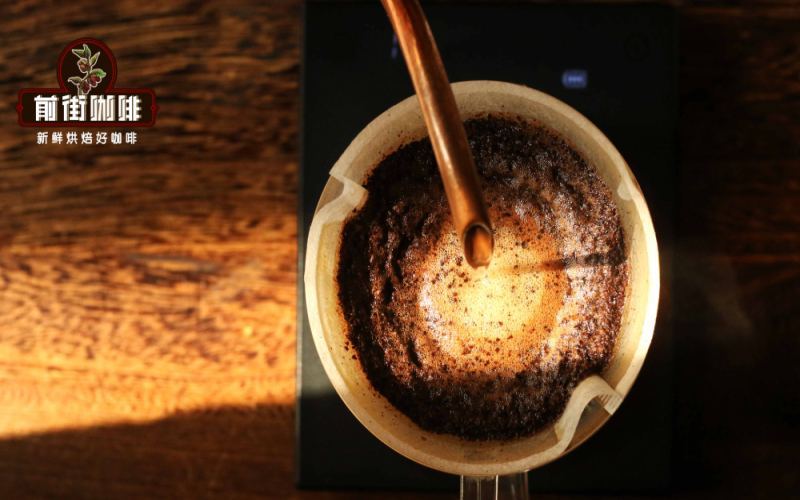
A Beginner's Guide to Pour-Over Coffee: From English Terminology to the Seven Elements and the Three-Pour Technique Explained
The correct English term for hand-brewed coffee is "Pour over coffee," not the literal translation "Hand coffee." This brewing method, which extracts coffee liquid under one atmosphere of pressure using a dripper and filter paper with a steady pouring technique, has strict requirements for grind size, water temperature, pouring technique, and timing, making it a real test of the brewer's skill and expertise. This article, drawing on the hands-on experience of Front Street Coffee, systematically outlines the basic concepts of pour over coffee, the seven key factors that determine flavor, and breaks down in detail a three-stage pouring process suitable for beginners, helping coffee lovers consistently brew a cup of full-aroma good coffee at home. [more…]
A Complete Analysis of the Flavor Differences Between Pour-Over and American Coffee Machines Using the Same Beans, with Front Street Coffee Bean Recommendations
For the same coffee beans, what difference in flavor will there be when made with pour-over versus an American coffee machine? This is a question many coffee enthusiasts care about. To answer it, we first need to clarify the definitions and extraction principles of pour-over coffee and Americano. Pour-over coffee is called pour over or hand drip in English, and relies on gravity to let water flow through the coffee grounds layer; Americano, from the English Americano, originates from the practice of American soldiers diluting espresso with water. In this article, Front Street will start with the concepts and extraction methods, then use Front Street Huakui coffee beans from Ethiopia's Sidamo region to make pour-over and espresso Americano respectively, compare the flavor performance of the two, and give Front Street's single-origin bean and espresso bean recommendations to help everyone choose beans according to their needs. [more…]
Black Coffee Definition Explained: English Expressions, Differences and Similarities with Americano, and Front Street Coffee Bean Buying Guide
In recent years, black coffee has been favored by more and more coffee enthusiasts. It contains no additives such as creamer or artificial sweeteners, making it healthier than regular espresso, and it is rich in caffeine, which helps speed up metabolism and can even aid weight loss when combined with exercise. So how exactly is black coffee defined? What kind of coffee beans should be chosen when making it? And what differences exist between it and Americano? In this article, Front Street Coffee will discuss these questions, introduce the concept of white coffee, and recommend several classic beans suitable for making black coffee, including Front Street Classic Espresso Blend, the Costa Rica Musician Series, Indonesia Golden Mandheling, and Ethiopia Yirgacheffe Gudingding, to help readers gain a comprehensive understanding of the world of black coffee. [more…]

Seven Elements of Hand-Brewed Coffee | Is the correct English for hand-brewed coffee "Hand Drip" or "Pour Over coffee"? What are the brewing methods for hand-brewed coffee?
What is the English for pour-over coffee? If translated literally, it could be rendered as "Hand coffee," but that term is definitely incorrect. Next, expressions like "Hand punch" are also common mistranslations. The correct term should be "Pour over coffee." Now, pour-over [more…]
Is the English name for Americano actually Americano or drip coffee? Exploring why there is no Americano in the United States itself.
The "plain coffee" often heard in Hong Kong dramas is actually what we call black coffee. But black coffee is not simply coffee without sugar or milk; according to the brewing method, it can be divided into two major categories: drip pour-over coffee and Americano made with an espresso machine. The former represents the third wave of coffee, while the latter originates from the second wave. What is the connection between the name Americano and the United States? What is the correct way to drink it? From the perspective of a Front Street Coffee barista, this article traces the development history of espresso machines, provides a detailed analysis of the origin of the name Americano, its key preparation points and extraction parameters, and compares the flavor differences between espresso and Americano, helping you gain a more comprehensive understanding of this seemingly simple cup of coffee. [more…]
Pour-Over vs. Americano: A Full Explanation of Flavor Differences with the Same Beans and Extraction Methods
For the same coffee beans, what exactly is the difference in taste between pour-over and espresso when made into Americano? From the perspective of Front Street, this article first clarifies the fundamental differences between pour-over coffee and Americano in terms of English names and extraction principles, then uses Front Street Flower Kui coffee beans from the Sidamo region of Ethiopia as the test subject, recording the brewing parameters and flavor performance of pour-over and espresso respectively, and further tests the optimal ratio for making Americano by diluting espresso with water. The article also includes recommendations for various single-origin beans and espresso blends from Front Street, making it suitable for coffee enthusiasts who want to gain a deeper understanding of the differences between the two brewing methods. [more…]
The Naming Origins and Flavor Story of Huakui Coffee Beans: Is It Really Geisha? A Full Analysis of Its Origin and Variety
In the specialty coffee world, Huakui has captured countless palates with its signature creamy strawberry aroma, yet behind its name lies a legendary story stretching from the TOH competition stage to Chinese coffee events. Many people wonder whether Huakui and Geisha are the same variety, but in fact the two are completely different in terms of variety, origin, and naming logic. In this article, Front Street Coffee will provide a complete overview of the origin of the name Huakui, the terroir conditions of the Sidamo Guji Hambela region, the natural processing method at the Buku Abel processing station, and the flavor evolution from Huakui 2.0 to Little Bean Huakui, guiding you through a comprehensive understanding of the unique charm of this Ethiopian natural-processed bean. [more…]