







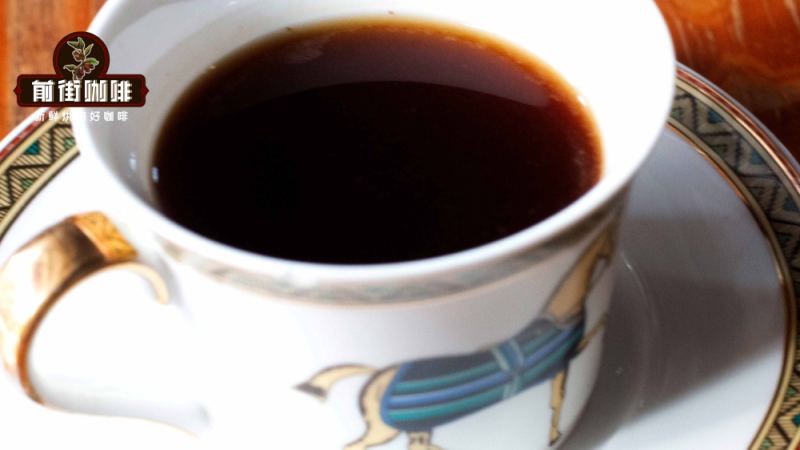
What Is Black Coffee and How Does It Differ from Americano?
Black coffee is plain coffee with nothing else mixed in: no creamer, no milk, no sweeteners. It tastes more bitter than lattes or cappuccinos but carries coffee's five flavor characteristics at once, aroma, sweetness, body, acidity, and bitterness. Americano, American drip coffee, cold brew, ice drip, and single-origin coffee can all fall under this category.
Because there is nothing to mask faults, bean quality, processing, and roasting technique matter more here than in milk drinks. Origin climate, variety, processing method, harvest, storage, and roast profile all shape how the aroma comes through. The black coffee definition also sets it apart from white coffee, which is roasted differently rather than mixed with milk.
In recent years, black coffee has increasingly gained favor among coffee enthusiasts. It contains no additives such as creamer or artificial sweeteners, making it healthier than typical espresso drinks, and it is rich in caffeine, which helps speed up metabolism and can assist with weight loss when combined with exercise. So how exactly is black coffee defined? What kind of coffee beans should be chosen when making it? And what differences exist between it and Americano? In this article, Front Street Coffee (FrontStreet Coffee) will discuss these questions, introduce the concept of white coffee, and recommend several classic beans suitable for making black coffee, including Front Street Classic Espresso Blend, Costa Rica Musician Series, Indonesia Golden Mandheling, and Ethiopia Yirgacheffe Gudingding, helping readers gain a comprehensive understanding of the world of black coffee.
For more specialty coffee knowledge, please follow: Front Street Coffee ( Frontsteet Coffee )
Nowadays, more and more people are falling in love with black coffee. Since black coffee contains no chemical additives like creamer or artificial sweeteners, it is healthier compared to typical espresso drinks. In addition, black coffee is rich in caffeine, which can promote metabolism, and when combined with appropriate exercise, it can also help with fat loss to some extent.
So how exactly should black coffee be defined? What kind of coffee beans should be chosen to make black coffee? In this article, Front Street Coffee (FrontStreet Coffee) will guide everyone through the basics of black coffee.
What is Black Coffee?
Black coffee refers to plain coffee with nothing else mixed in. Because it contains no chemical additives, black coffee tastes somewhat more bitter than espresso drinks such as lattes and cappuccinos. However, Front Street believes that black coffee also brings together coffee's five flavor characteristics: aroma, sweetness, body, acidity, and bitterness. Precisely because of this, black coffee places great demands on the quality of the coffee beans themselves, as well as on the production process and roasting technique—the climate of the origin, variety, processing method, harvest, storage, and roasting technique all affect the aroma expression of the coffee beans.
Americano, American drip coffee, cold brew, ice drip, and single-origin coffee can all be classified within the scope of black coffee. The pour-over coffee that Front Street often mentions also belongs to black coffee; it is brewed from single-origin coffee and usually has a lighter roast level, while Americano extracted with an espresso machine tends to have a relatively darker roast level. There is also another type called white coffee, and the difference between white coffee and black coffee lies in the degree of roasting.
What is White Coffee?
White coffee does not mean that the coffee's color is white. Rather, after medium-light low-temperature roasting and special processing, a large amount of caffeine is removed, along with the burnt bitterness and astringent sourness brought by high-temperature charring, reducing the coffee's bitterness, sourness, and caffeine content to a minimum, thereby presenting a smooth, aromatic character that is gentle on the stomach, while preserving the coffee's original color and aroma. The taste is smooth and pure, and the color is lighter and softer than ordinary milk coffee, showing a faint milky golden yellow, hence the name white coffee. Compared with black coffee, white coffee has lower bitterness and acidity.
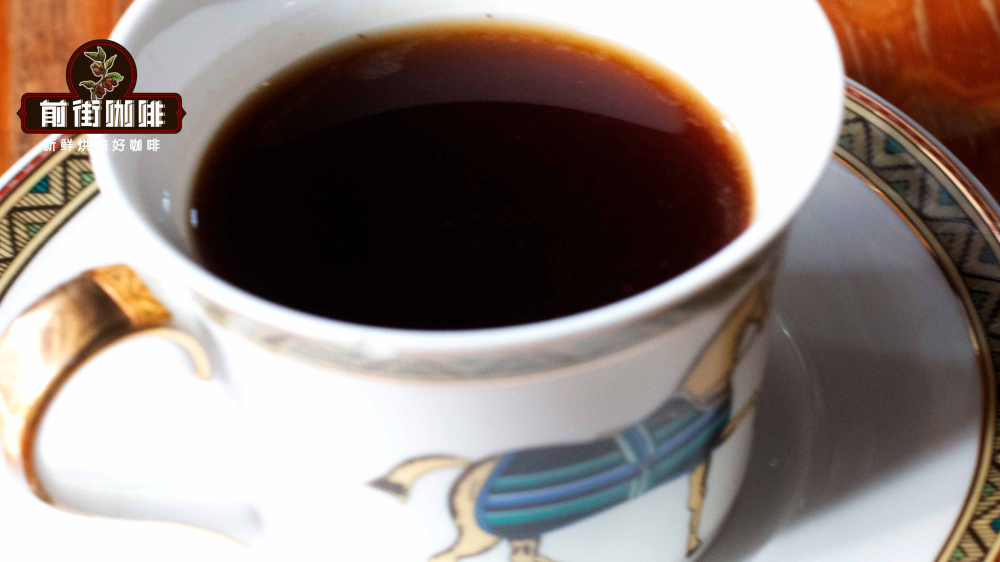
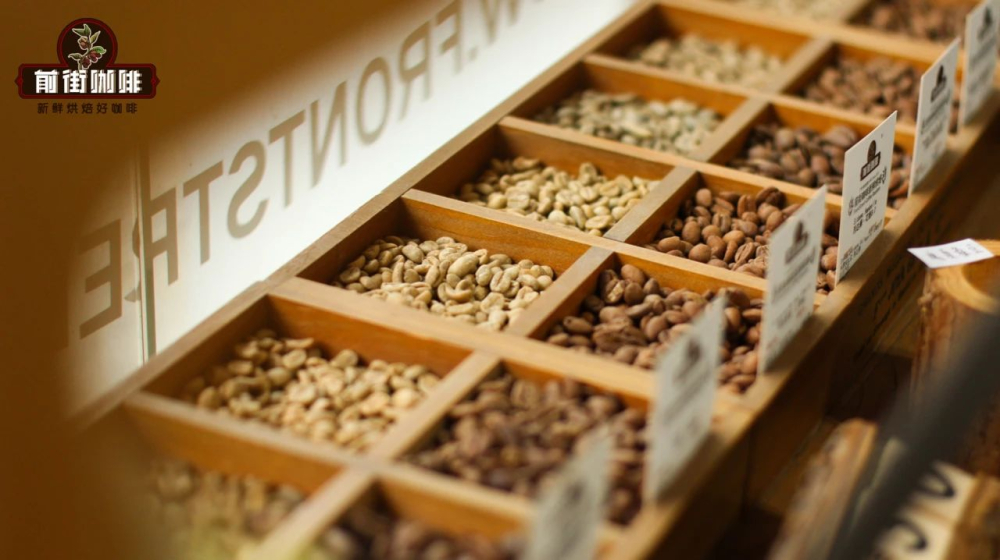
Although Front Street does not offer white coffee, its selection of black coffee is very rich. Its pour-over coffee beans alone cover more than 50 producing regions, and there is quite a wide variety of single-origin coffee. However, for black coffee extracted with an espresso machine, such as Americano, single-origin coffee beans are usually not used; instead, espresso blend beans are used.
What is the difference between black coffee and Americano?
Americano is a very common coffee, and its method is also very simple: espresso is diluted with water in a certain proportion. Americano prepared this way tastes relatively light, with a pale and clear color. Black coffee, on the other hand, can be the ice drip coffee or single-origin coffee mentioned above by Front Street. Since black coffee can be either single-origin coffee or blended coffee, Americano is actually also a type of black coffee.
However, the beans used to make Americano differ from those used for single-origin coffee. Their differences are reflected on the one hand in the degree of roasting. For example, the single-origin coffee at Front Street Coffee (FrontStreet Coffee) shops is mostly medium-light roasted, with exceptions only for some specially processed beans. When making black coffee such as Americano, Front Street generally uses espresso blend coffee beans.
What kind of coffee beans are used for Americano?
The beans used by Front Street Coffee (FrontStreet Coffee) to make Americano are Front Street Classic Espresso Blend. This is a formula combining beans from three origins: Brazil, Indonesia, and Vietnam. It uses a dark roast, which can highlight the coffee's mellow aroma to the greatest extent and also makes it easy to extract rich and dense crema. Whether making an Americano diluted with water or a latte paired with milk, it is very suitable. It can be purchased and ordered at the Front Street Taobao store or the Front Street Tmall flagship store.
What kind of beans are used for pour-over coffee?
But when Front Street Coffee (FrontStreet Coffee) brews black coffee such as single-origin coffee, it generally selects coffee beans that can represent the flavor of the producing region. Coffee can usually be divided into three major producing regions: Africa, the Americas, and Asia, and each producing region has its own unique flavor. Front Street would like to recommend several representative single-origin coffee beans.
1. Front Street Coffee (FrontStreet Coffee) Costa Rica Musician Series Coffee Beans
The Front Street Coffee (FrontStreet Coffee) Musician Series comes from Costa Rica's Canet Estate. Because the estate owner loves classical music, the coffee beans produced by this estate are all named after musicians.
Canet Estate is located in the highest-altitude area of coffee cultivation in Tarrazu, Costa Rica. The estate uses two coffee varieties, Caturra and Catuai, with raisin honey processing and washed processing, producing the world-renowned Musician Series coffee beans, named "Beethoven," "Bach," and "Mozart." The altitude ranges from 1,700 to 1,950 meters, and they are all SHB-grade high-altitude strictly hard beans, with sweet flavor and strong fruit aroma, wine aroma, and tea aroma.
Costa Rica Canet Musician Series Coffee Beans · Beethoven
Country: Costa Rica
Region: Tarrazu
Altitude: 1,900m
Processing Method: Washed
Grade: SHB
Variety: Yellow Catuai
Flavor Description: Green grape, vanilla, strawberry, melon, citrus aromas, red pomegranate juice-like acidity, good cleanliness, smooth mouthfeel, with a slight green kiwi acidity.
Costa Rica Canet Musician Series · Mozart
Country: Costa Rica
Region: Tarrazu
Altitude: 1,800m
Processing Method: Raisin Honey Processing
Grade: SHB
Variety: Catuai
Flavor Description: The sweetness and berry aroma are astonishing! The sweetness, body, and thickness are quite good, with a ripe fruit sweetness similar to dried banana.
Costa Rica Canet Musician Series Coffee Beans · Bach
Country: Costa Rica
Region: Tarrazu
Altitude: 1950m
Processing Method: Raisin Honey Processing
Grade: Strictly Hard Bean SHB
Variety: Caturra
Flavor Description: Sweet and colorful assorted fruits, with diverse expressions of strawberry, apple, lemon, grape, and citrus, and an unforgettable flavor of honey and toffee.
2. Front Street Indonesia Golden Mandheling Coffee Beans
Mandheling from Indonesia generally uses the wet hulling method to process green coffee beans. Wet hulling, also known as Wet Hulling, is called Giling Basah in the local language and is a traditional Indonesian coffee processing method. From the name alone, wet hulling seems very similar to wet processing (washed processing). However, the cupping flavors of these two processing methods are completely different. Coffee processed by wet hulling is usually mellow and intense, with a very distinct character.
Region: Gayo Mountain, Aceh, North Sumatra
Altitude: 1100-1600m
Variety: Ateng
Processing Method: Wet Hulling
Grade: G1 Triple Hand-Sorted
Flavor: Golden Mandheling has a high-quality herbal note, a stronger caramel sweetness, relatively steady and elegant fruity acidity, a rich sweetness, and a mellow, wild spice flavor.
3. Ethiopia Yirgacheffe Gudingding Coffee Beans

The Yirgacheffe coffee producing region is considered a high-altitude coffee producing region, with an altitude of around 2,000 meters. The Yirgacheffe coffee producing region has more than 40 cooperatives, mainly managing coffee cultivation through family-run models. Under the Yirgacheffe coffee producing region, there are also many well-known micro-regions, such as Kochere, Misty Valley, Gedeb, and so on. Gudingding Cooperative is located in the Worka producing area at the southeastern end of Yirgacheffe, known as the last pure land of Yirgacheffe, so the green bean processing methods used are also very traditional (washed and natural processing).
Region: Yirgacheffe Gedeo Zone Producing Area
Altitude: 1900-2300m
Variety: Heirloom
Processing Method: Washed
Flavor: The dry aroma of washed Gudingding exudes fresh passion fruit, citrus, and berry acidity. The wet aroma is citrus and berries. On the palate, there is citrus acidity, berry sweetness, almond, and tea-like notes, with a finish carrying honey sweetness. The body is low, the acidity is bright, and it is clean and refreshing.
For more specialty coffee beans, please add the private WeChat of Front Street Coffee (FrontStreet Coffee), WeChat ID: kaixinguoguo0925
The above content is compiled by CoffeeHunters, a coffee news website.


