







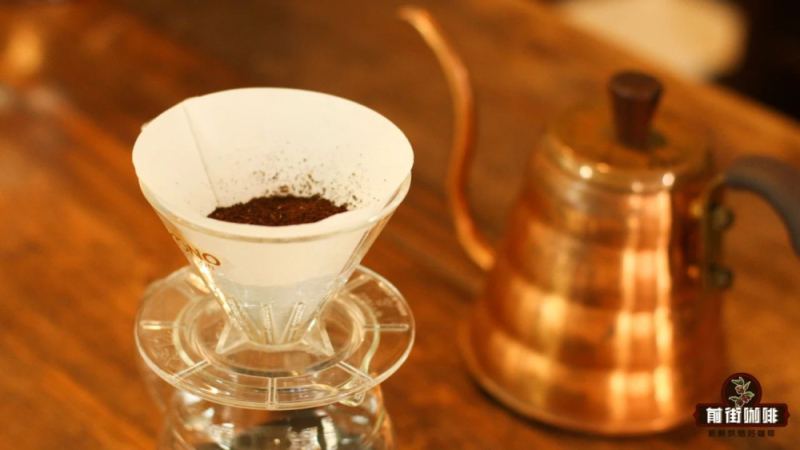
What does hand drip coffee mean and what gear is needed?
Hand drip coffee is the pour-over method used in most coffee shops: hot water is poured from a kettle over grounds held in a dripper lined with filter paper or another filtering medium, so the liquid drains through and the grounds stay behind. The name covers several English expressions, including pour over coffee, hand drip coffee, and filter coffee, each stressing a slightly different part of the process.
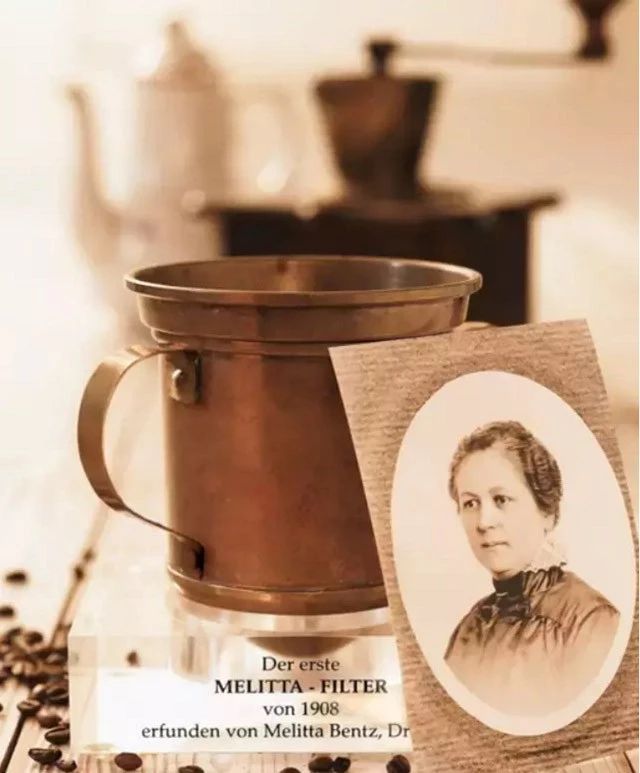
The practice traces back to Melitta Bentz in Germany, who combined her son's blotting paper with a perforated brass pot to keep grounds out of the cup. A basic setup includes a pouring kettle, dripper, server, grinder, filter paper, scale, thermometer, and freshly roasted beans. Beginners can start with a three-stage pour to build a steady routine.
Pour-over coffee is referred to by a single name in Chinese, but in English it has multiple expressions such as pour over coffee, hand drip coffee, filter coffee, and more, each with its own emphasis. This article starts with the origins of pour-over coffee, sorts out the differences between these English expressions, and compiles a practical list of entry-level single-origin coffee beans for enthusiasts who are just getting into pour-over. It also covers in detail the equipment needed for pour-over, dripper selection, grinding and water temperature control, and uses Front Street Coffee's production process as an example to break down the specific steps of three-stage pouring, helping beginners quickly build a stable brewing framework.
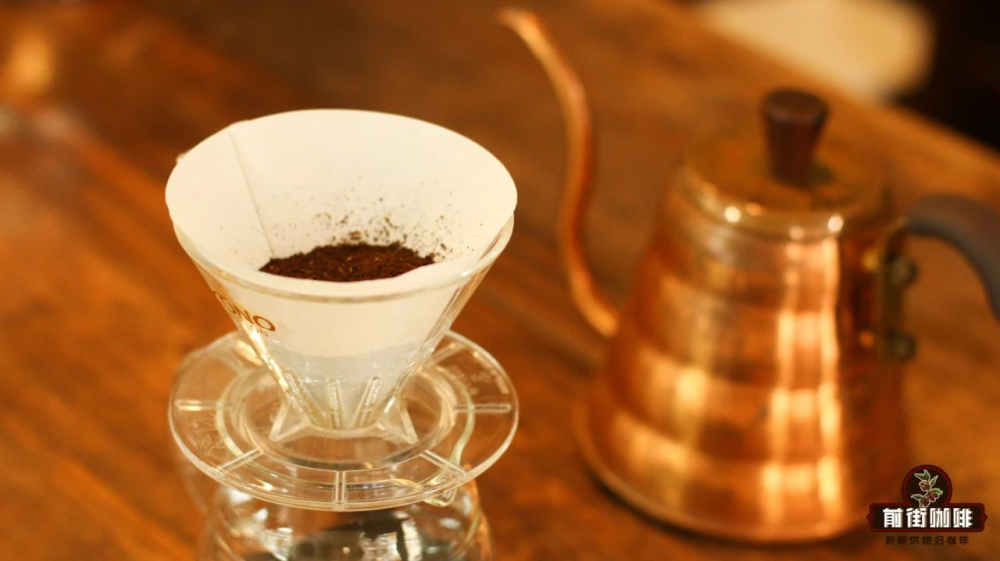
Put simply, pour-over coffee is the brewing method commonly seen in coffee shops that uses tools like a dripper and a pouring kettle to complete extraction. One of its signature features is using a dripper with filter paper or another filtering medium to trap the coffee grounds. This practice can be traced back to an inspiration of Mrs. Melitta in Germany: she loved drinking coffee but could not stand the feeling of grounds mixed in her mouth, so she combined her son's blotting paper with a perforated brass pot to create a filtering device. This was probably the earliest prototype of the coffee dripper in the world, and she used it to filter out a clean cup of coffee with no residue.
After the specialty coffee wave gained momentum, pour-over was no longer anything unusual. No matter the size of the shop, you can find it on the menu. However, if you pay attention, you will notice that although Chinese uniformly calls it hand-brewed coffee, the English wording varies widely, including "pour over coffee," "hand drip coffee," "filter coffee," and others. There is actually something quite interesting behind this: each one emphasizes a different point.
What do you need to prepare to make a cup of pour-over?
Broadly speaking, a pouring kettle, dripper, server, grinder, filter paper, electronic scale, thermometer, and a bag of freshly roasted beans make up the basic equipment.
Front Street Coffee has year-round supply of more than 50 kinds of freshly roasted coffee beans, all roasted within 5 days, and promises shipment within 24 hours. Its product line includes both high-scoring single origins covering multiple mainstream producing regions and varieties, and outstanding value everyday beans, allowing customers to taste the flavors of classic regions without spending much. For beginners just starting out, it is recommended to begin with high-value beans, which both keeps the budget under control and helps quickly accumulate experience.
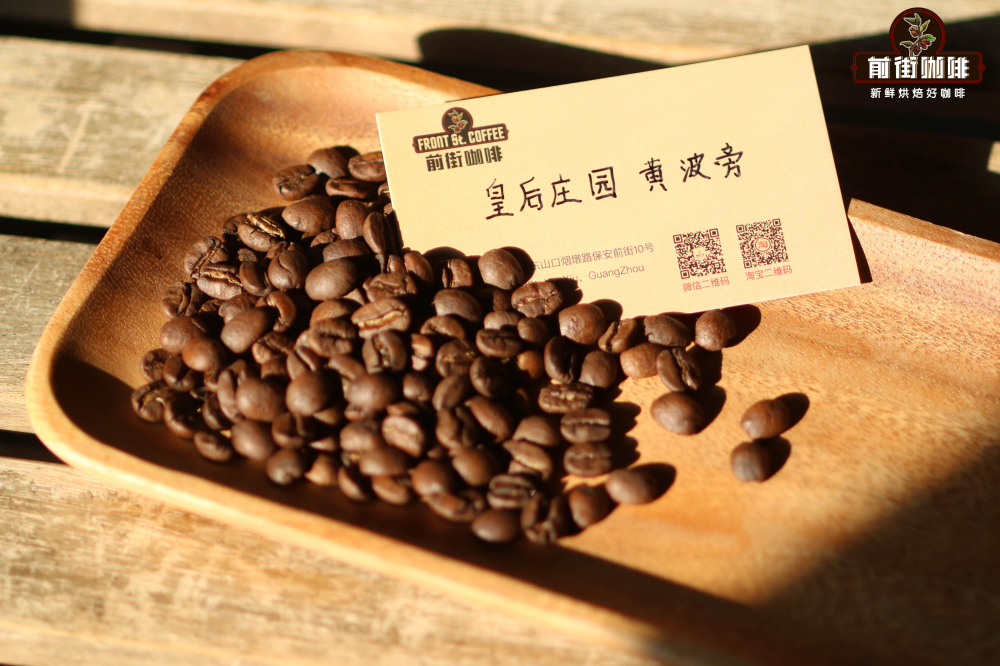
Coffee bean recommendation one: Front Street Coffee Brazil Queen Estate Yellow Bourbon
Recommendation rating: ★★★★☆
Reason for recommendation: The flavor is clean, sweet, and mellow; it is easy to brew; the price is reasonable; and the value is high.
Coffee bean recommendation two: Front Street Coffee Ethiopia Yirgacheffe
Recommendation rating: ★★★☆☆
Reason for recommendation: Classic Yirgacheffe flavor, extremely high value, the top choice for beginners who love acidity.
Coffee bean recommendation three: Front Street Coffee Panama Butterfly
Recommendation rating: ★★★★★
Reason for recommendation: Affordable Geisha, the king of value
Front Street Coffee Costa Rica Strawberry Candy
Recommendation rating: ★★★ ★ ☆
Reason for recommendation: Prominent floral and fruity flavors, easy to leave a memorable impression
Coffee bean recommendation five: Front Street Coffee Colombia Huila
Recommendation rating: ★★★★☆
Reason for recommendation: Classic flavor, a top choice for beginners who enjoy full-bodied coffee, and easy to master in brewing.
The dripper and filter paper are responsible for intercepting coffee grounds, and at the same time they also absorb some coffee oils, making the final mouthfeel cleaner and more refreshing. Front Street Coffee stores habitually use the V60 and Kono drippers in daily production; the former is mostly used for lighter-roasted beans, while the latter corresponds to darker-roasted beans.
The electronic scale is used to weigh coffee beans and water. Only by quantifying every parameter can reproduction and consistent output even be discussed. The thermometer works the same way; before each pour, you must confirm that the water temperature falls within the appropriate range. When brewing light-roasted beans with a V60, the water temperature should be controlled at 90 to 92 degrees Celsius; for dark-roasted beans, it is recommended to lower it to 88 to 89 degrees Celsius.
The grinder is equally critical, as the coarseness of the coffee grounds directly changes the direction of a cup of pour-over. If the grounds are too coarse, the flavor will seem thin; if too fine, it easily brings out bitterness. Front Street Coffee recommends a medium-fine grind for pour-over, with a passing rate of about 80% when tested with a 0.85 mm standard sieve.
How exactly do you make pour-over coffee?
The process is actually not complicated; the key is controlling several variables that determine the flavor: coffee-to-water ratio, grind size, water temperature, and extraction time.
When Front Street Coffee produces it, the first step is to weigh 15 grams of coffee beans and, at a 1:15 ratio, pour 225 grams of hot water.
Before the formal brewing, first wet the filter paper with hot water so that it fits more snugly against the dripper. Then grind the coffee beans to the medium-fine degree just mentioned.
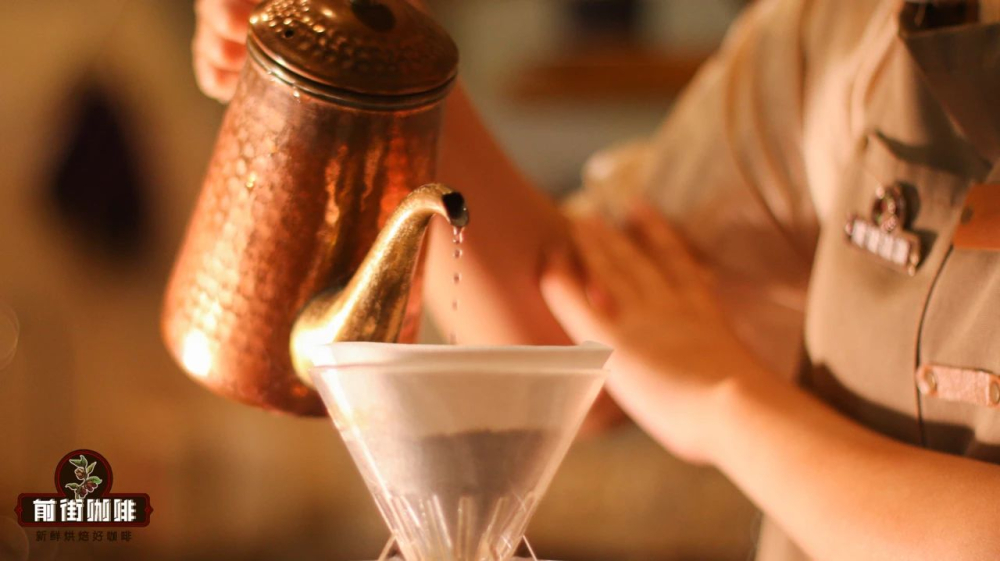
Pour the ground coffee into the dripper, and once the water temperature reaches the brewing requirement, you can begin. The entire pouring process is divided into three stages: in the first stage, pour 30 grams of water for blooming, making sure all the coffee grounds are soaked; the bloom lasts 30 seconds, with the aim of releasing carbon dioxide so that the subsequent water flow can extract more smoothly; in the second stage, pour until 125 grams, then wait for the coffee liquid to drop halfway; in the final stage, continue pouring until 225 grams, likewise waiting for the coffee liquid to finish draining, with the total extraction time controlled at 2 minutes.
For more specialty coffee beans, please follow: Front Street Coffee
The above content is compiled by CoffeeHunters, a coffee news website.


