







Search Results for: coffee grounds-to-water ratio
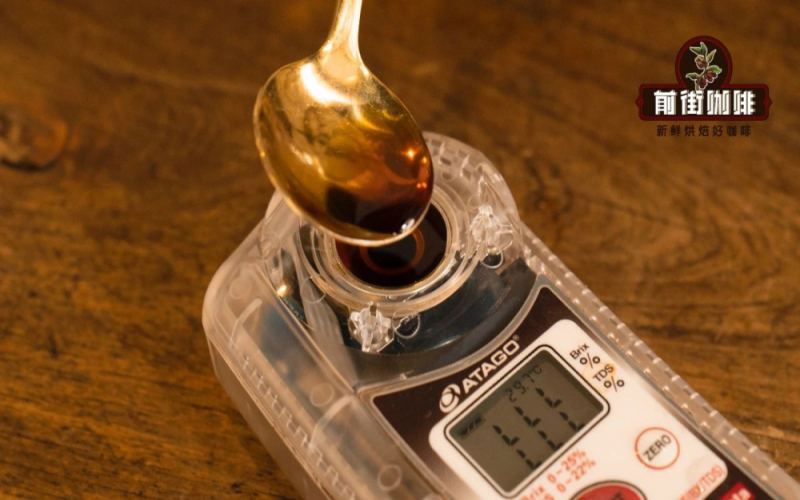
Analysis of the SCA Golden Cup Extraction Standard: The Calculation Logic and Practical Demonstration of Pour-Over Coffee Concentration and Extraction Yield
The Golden Cup extraction system is a quality reference framework widely recognized in the global coffee industry, and its core lies in controlling the concentration and extraction yield of the coffee liquid within a specific range. Compiled by FrontStreet Coffee, this article systematically reviews the origins of the Golden Cup standard and the differences in national standards, explains in detail the formulas for extraction yield and concentration, and uses a VST refractometer and a brewing example with Ethiopia Huakui 4.0 to demonstrate how to measure concentration and calculate extraction yield. At the same time, the article also discusses the influence of the pour-over coffee grounds-to-water ratio on flavor, gives a recommended ratio of 1:15 suitable for most bean varieties, and helps coffee enthusiasts build a quantifiable approach to brewing adjustments. [more…]

Pour-Over Coffee Grounds-to-Water Ratio and the SCA Golden Cup Theory: Extraction Yield, Concentration Standards, and Common Misunderstandings
Brewing a good cup of coffee, the coffee-to-water ratio and extraction yield are core parameters that cannot be avoided. The SCA Golden Cup extraction theory gives an ideal range of 18%-22% extraction yield and 1.2%-1.45% concentration, but many enthusiasts easily misunderstand it as "as long as you copy the Golden Cup coffee-to-water ratio, you will definitely brew a good cup of coffee." This article starts with a simple calculation of the coffee-to-water ratio, guides you to understand the meaning of the Golden Cup extraction range, clarifies the boundary between over-extraction and under-extraction, and explains the true value of learning the Golden Cup theory—not rigidly sticking to a certain ratio, but using it to adjust brewing variables and more flexibly approach the flavor you want. Front Street Coffee also shares related products and brewing ideas in the article for coffee enthusiasts' reference. [more…]
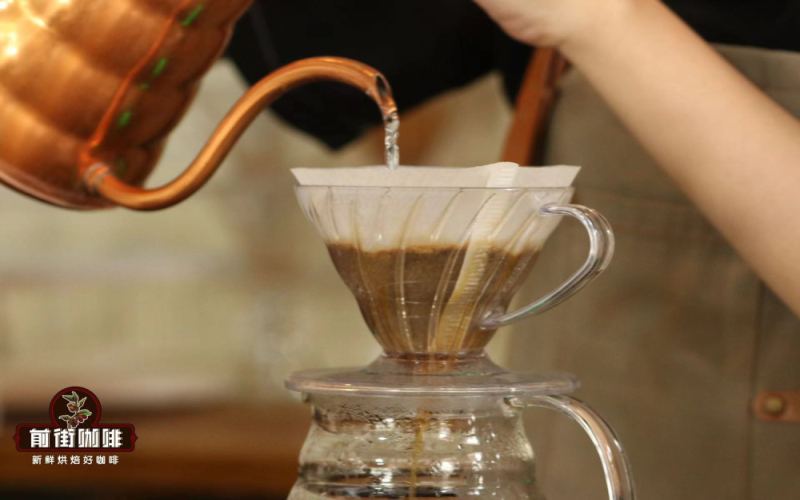
How to determine the pour-over coffee grounds-to-water ratio? How much water with 15 grams of grounds brews the most balanced flavor?
Many coffee enthusiasts, when brewing at home, tend to eyeball the dose and pour water by feel, and as a result, the taste comes out different every time. One of the keys to the consistent quality at Front Street Coffee shops is a fixed coffee-to-water ratio—15 grams of coffee to 225 grams of water. This 1:15 ratio is the [more…]
A Complete Guide to Arabica Pour-Over Coffee Grounds-to-Water Ratios: How Many Beans Are Right for a Cup of Coffee?
Brewing a good cup of pour-over coffee hinges on the coffee-to-water ratio and the amount of beans used. This article begins with the flavor differences between Arabica and Robusta, answers just how many coffee beans are needed to brew a cup, and explains in detail the optimal water temperature range, key points for choosing water quality, and the trade-offs between different brewing methods. Whether you prefer American filter coffee or espresso, the logic behind bean selection and dosage varies with your taste preferences, and the article also retains relevant product recommendations from the Front Street brand for coffee enthusiasts to reference and put into practice. [more…]

Cold Brew Coffee Grounds-to-Water Ratio | How to Make Cold Brew Coffee at Home? Should the Finished Cold Brew Concentrate Be Diluted with Water? How Long Does Cold Brew Last?
The arrival of autumn has cooled the stuffy weather, but many friends in the south can still feel the enthusiasm of the sun at noon. Drinking pour-over coffee in this dry season often leaves the throat feeling parched, and at times like this, ice-cold cold brew coffee becomes everyone's favorite. Some friends may ask about cold brew coffee's [more…]
How to determine the pour-over coffee grounds-to-water ratio? Bean roast level (light, medium, dark) brewing ratio selection and practical analysis
When brewing pour-over coffee, you've dialed in the temperature and grind size, yet the taste still falls short of expectations? The problem likely lies in the coffee-to-water ratio. The amount of water directly affects the flavor expression and mouthfeel layers of the coffee: too little water makes it overly heavy, with flavors compressed together and hard to distinguish; too much water makes it overly thin, even like a cup of water with a hint of coffee flavor. This article starts from the theoretical range of the Golden Cup extraction, combines actual brewing tests across light, medium, and dark roasts, analyzes how three coffee-to-water ratios—1:13, 1:15, and 1:17—perform differently on various beans, and explains why light-roasted beans suit a longer ratio while dark-roasted beans are better with a tighter ratio. Finally, it will explain how the coffee-to-water ratio should be adjusted as the brewing device changes. [more…]
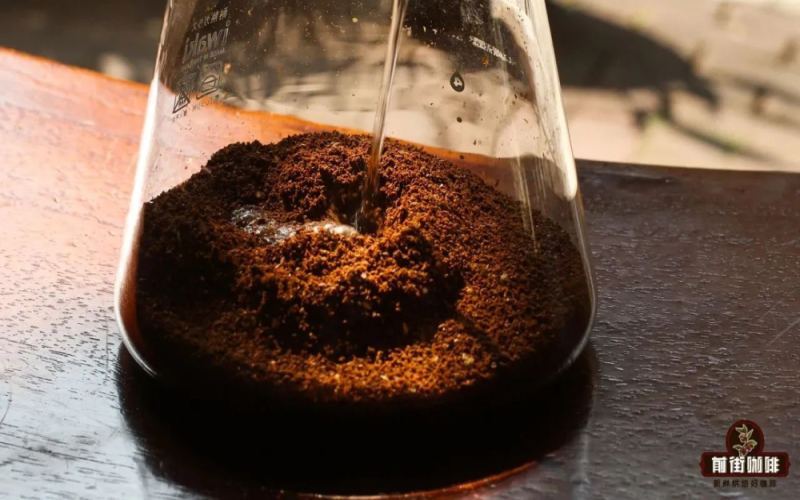
A Detailed Guide to Cold Brew Coffee Grounds-to-Water Ratios: Three Methods—Grind-and-Steep, Drip Bags, and Cold Brew Packs
Cold brew coffee, with its simple preparation and smooth taste, has become a daily choice for many coffee enthusiasts. Whether at home or in the office, it can be made with ease. This article explores the extraction principles and flavor characteristics of cold brew coffee, focusing on the logic behind coffee-to-water ratios, and breaks down three brewing methods in detail: grinding coffee beans for direct cold brew, using drip bags for cold brew, and using cold brew bags. It also draws on several representative products from Front Street Coffee to offer specific parameter recommendations and step-by-step instructions, helping you make a smooth, clearly flavored cup of cold brew coffee under any conditions. [more…]
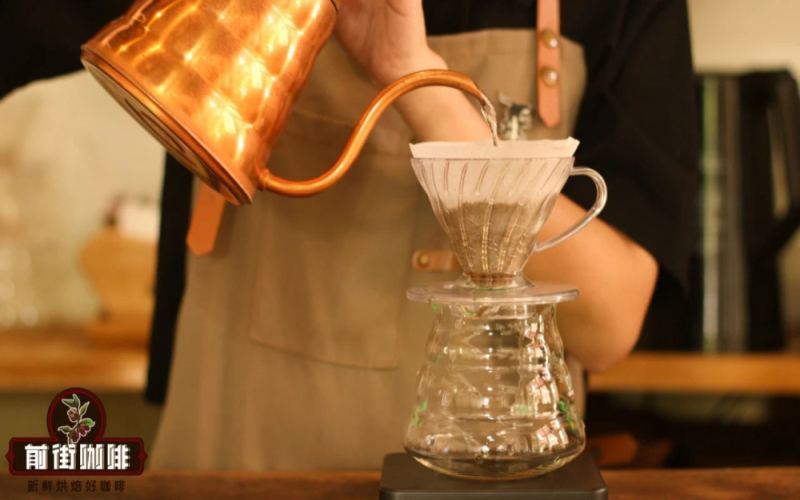
Why Is the Pourover Coffee Grounds-to-Water Ratio Commonly 1:15? A Professional Interpretation from Golden Cup Extraction to Practical Parameters
The coffee-to-water ratio for pour-over is a core question every enthusiast will face. Where exactly does the 1:15 ratio come from? Does it truly conform to the SCA Golden Cup extraction standard? Starting from Front Street's daily brewing practice, this article first clarifies two basic concepts—the coffee-to-water ratio and the water absorption rate of coffee grounds—then, combined with the Golden Cup extraction chart, analyzes the difference between the ideal range and actual output, explaining why 1:15 has become a stable and conservative choice. At the same time, the article also discusses whether tail-end truncation is necessary, and how ordinary enthusiasts should view this operation. [more…]
Espresso and Americano Coffee Grounds-to-Water Ratio Explained: Grinding Key Points, Blend Selection, and Cold Brew Differences
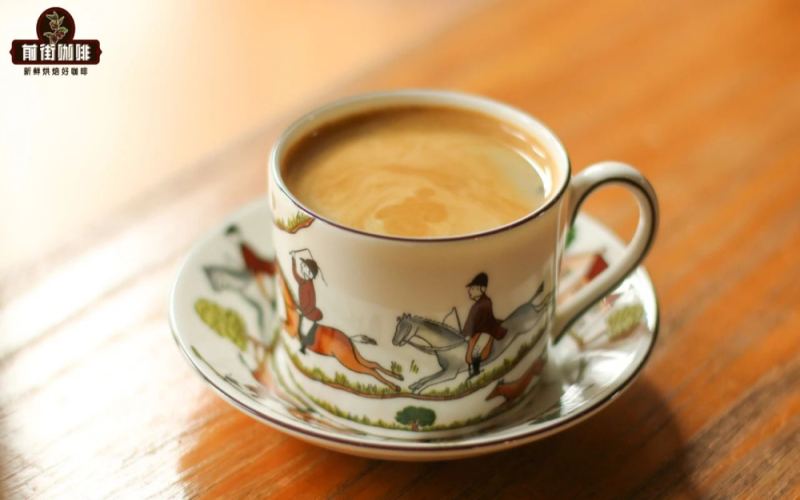
Espresso serves as the base and can evolve into various drinks by adding water, milk, or ice, among which the coffee-to-water ratio of Americano directly determines the strength of its taste. Drawing on the practical experience of Front Street Coffee, this article explores the appropriate extraction ratio for Americano, the reference range of the Golden Cup standard, and the influence of different coffee blends on flavor. It also compares cold brew and Americano in terms of brewing methods and storage characteristics, helping coffee enthusiasts find the cup that suits their taste. [more…]
Pour-Over Coffee Grounds-to-Water Ratio and Key Brewing Points for Huakui Beans: An Analysis of Dose, Grind Size, Water Temperature, and Pouring Rhythm
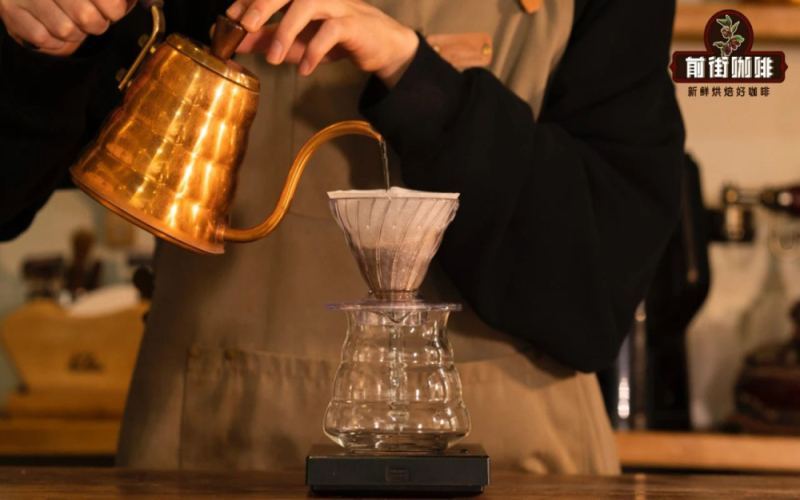
To consistently brew a good cup of coffee, you can't get around the basic parameters of dose, grind size, water temperature, and coffee-to-water ratio. Once these are set reasonably, the remaining variable mainly comes down to pouring technique. This article focuses on these core steps, explaining the interplay between bed depth, extraction yield, and strength, and provides a three-pour approach suitable for beginners. It then uses the 2025 new-crop Natural Hualkui as an example to walk through a practical routine of 15 g coffee, 1:15, 91°C, and an 80% passing rate, while clarifying the concepts of Hualkui and Geisha that are often confused. The article also includes Front Street Coffee-related product and article recommendations. [more…]

A Detailed Guide to Cold Brew Coffee Grounds-to-Water Ratio: From Extraction Principles to Post-Filtration Storage Time and Bean Selection
After the arrival of autumn, the midday heat in the south lingers on. In dry weather, drinking pour-over coffee easily makes the throat feel tight, so ice-cold, smooth cold brew coffee has become the first choice for many people. This article focuses on the key points of making cold brew coffee. It first explains what low-temperature extraction is and its flavor characteristics, then gives Front Street Coffee’s commonly used coffee-to-water ratio recommendations—1:13 for drinking straight, and a stronger 1:10 if used for making specialty drinks. Next, using 30 grams of beans as an example, it fully demonstrates grind size, ice water ratio, steeping time, and filtering method, and answers how long it can be stored after filtering: the best drinking period is 2 to 3 days, and it is recommended not to exceed 7 days. Finally, based on roast level and flavor profile, it recommends a number of Front Street Coffee bean options suitable for cold brew, helping you make a clean, full-bodied cup at home. [more…]
A Detailed Guide to Cold Brew Coffee Grounds-to-Water Ratio and Brewing Method, with Recommendations for Four Front Street Coffee Cold Brew Coffee Beans
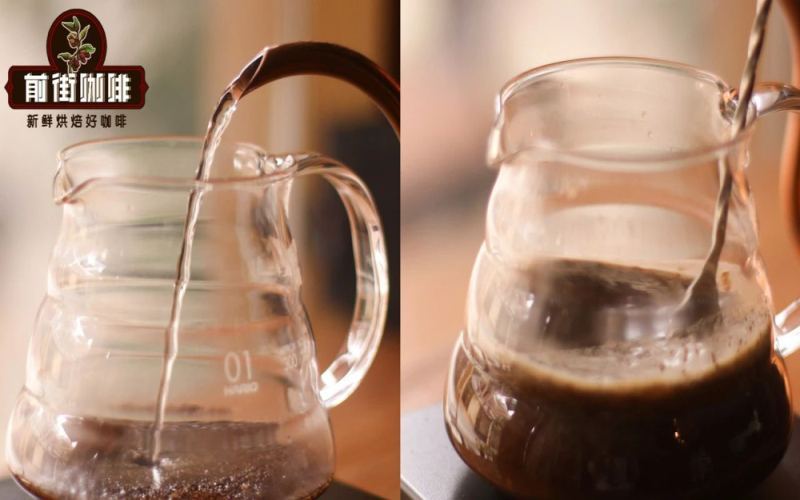
What is the difference between cold brew coffee and regular iced coffee? The key lies in using cold water for low-temperature extraction throughout the entire process. This article will provide a detailed introduction to the production points of cold brew coffee, such as the coffee-to-water ratio, grind size, and steeping time, and will also share four coffee beans recommended by Front Street Coffee that are suitable for cold brew—Huakui, Sidra, Little Tomato, and Mozart—presenting rich fruity tea, fermented wine aroma, smoked plum juice, and dark berry different flavor directions, respectively. Whether you want to understand the basic principles of cold brew or want to find a bean suitable for cold brewing, this content can provide practical reference. [more…]

Cold Brew Coffee Grounds-to-Water Ratio | How Can Coffee Beginners Make Cold Brew Coffee at Home? Which Single-Origin Coffee Beans Are Suitable for Cold Brew? How Long Is Cold Brew's Shelf Life?
In such hot weather, in such a hot Guangzhou, taking a sip of iced coffee is simply one of life's great pleasures. Everyone may have had plenty of iced coffee, so what exactly is cold brew coffee? Why isn't it available in every coffee shop? Today Front Street is here to give everyone a little primer on the category of cold brew coffee. The production process of cold brew and Americano [more…]
French Press Coffee Grounds-to-Water Ratio and Steeping Time Explained: A Complete Brewing Guide from Grind Size to Flavor
The French press, with its simple operation, no need for paper filters, and ability to retain coffee oils, has become the daily first choice for many coffee lovers. But to consistently produce a good cup of coffee, the coffee-to-water ratio, grind size, water temperature, and steeping time all need to be precisely controlled. This article focuses on the extraction principles and flavor characteristics of the French press, explains in detail the suitable roasting direction for coffee beans used in a French press, and uses the practical parameters of 15 grams of coffee to 240 grams of water as an example to break down the complete steps from pouring water and stirring to pressing and pouring out. It also shares Front Street Coffee's bean list recommendations and brewing key points to help you easily make a cup of rich, sweet, and layered French press coffee. [more…]
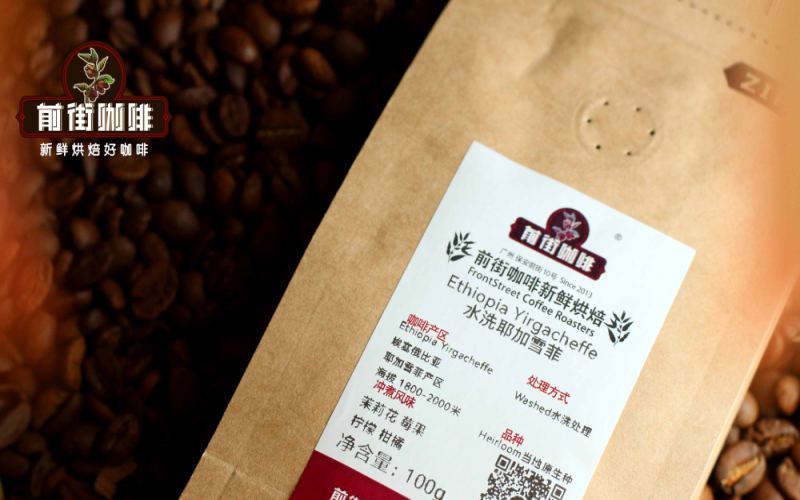
Yirgacheffe Pour-Over Coffee Grounds-to-Water Ratio and Flavor Profile Explained: Natural Process Flavor Analysis
Yirgacheffe is a signature bean that is almost a must-have in every specialty coffee shop. With its bright acidity, fresh floral aroma, and clean finish, it breaks many people's stereotype that coffee is only bitter. Starting from the region's background and the differences in processing methods, this article compares the flavor performance of natural and washed Yirgacheffe, and provides the V60 pour-over parameters and coffee-to-water ratio recommended by Front Street Coffee to help you brew a cup of good coffee that is full of aroma and neither bitter nor astringent. [more…]
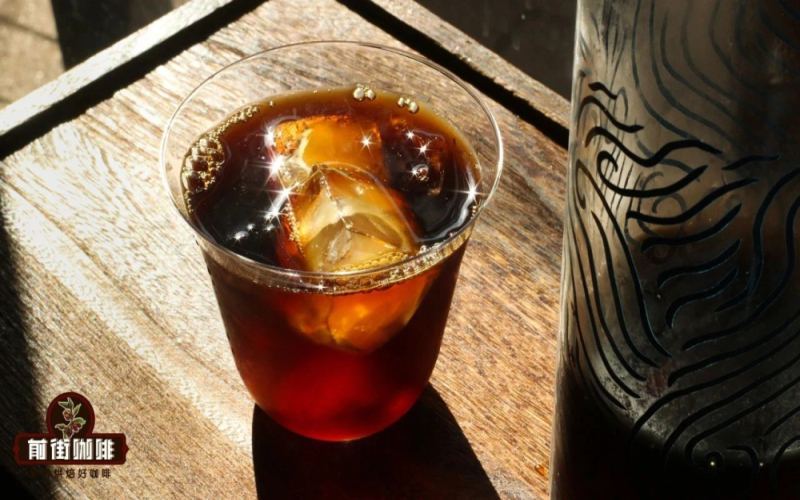
A Complete Guide to Cold Brew Coffee Ice-Water Ratios, Blue Mountain Coffee Grounds-to-Water Ratios, and Grind Settings
Cold brew coffee is made by steeping coffee in cold water for an extended period, delivering a flavor experience completely different from hot brewing. This article focuses on the details of making cold brew coffee, covering key parameters such as bean selection, grind size, steeping time, and coffee-to-water ratio. Using Jamaica Blue Mountain No. 1 as an example, Front Street Coffee shares the complete process from bean selection to finished product, and provides roasting degree recommendations and specific ratio plans suitable for cold brew, helping coffee lovers easily make a balanced and smooth iced coffee in summer. [Image 1] For more specialty coffee knowledge, follow our WeChat official account: Front Street Coffee (FrontStreet Coffee). Coffee extraction does not necessarily rely only on hot water—cold water can also complete the process. Coffee extracted with cold water is called "cold brew coffee," and its flavor profile has its own distinctive characteristics compared with hot-brewed coffee. [more…]
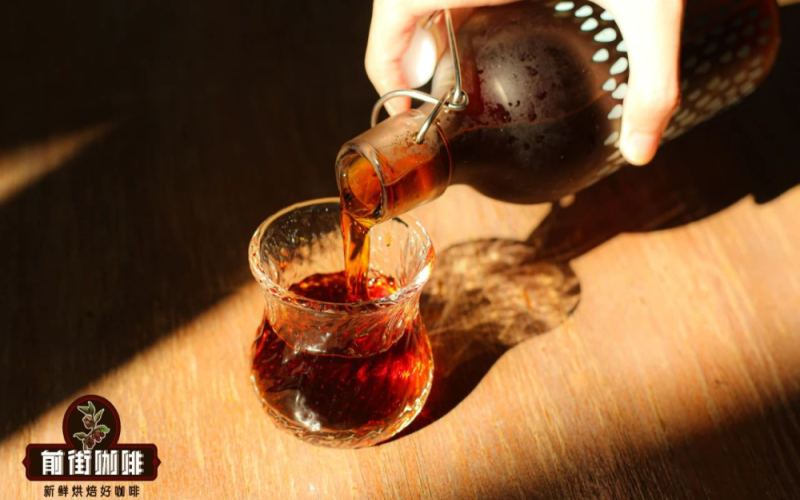
Cold brew coffee grounds-to-water ratio | What are the flavor characteristics of cold brew coffee? What kind of water should be used to brew cold brew coffee grounds? What grind size is suitable for making cold brew coffee?
When summer arrives, the internet-famous iced coffee comes to mind. Indeed, in this scorching summer, a glass of iced coffee instantly makes you feel refreshed. Today, Front Street Coffee is going to talk about one such iced coffee: cold brew coffee. Cold brew coffee has become a favorite among office workers. Why is that? Front Street Coffee believes that cold brew coffee [more…]
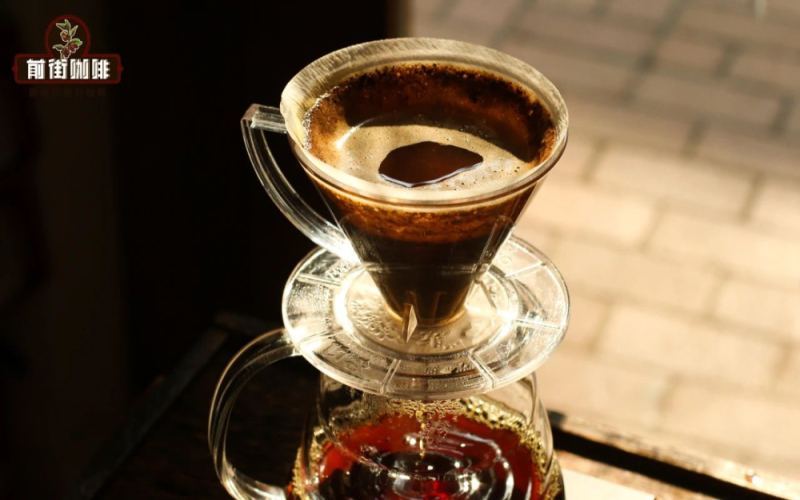
How to Calculate the Pour-Over Coffee Grounds-to-Water Ratio? A Three-Pour Water Distribution and Step-by-Step Tutorial
The flavor of pour-over coffee depends on every detail from bean selection to extraction, and the coffee-to-water ratio is one of the most critical foundational parameters. This article will systematically explain the calculation logic behind the coffee-to-water ratio, the principles of staged pouring, and a three-stage pour-over workflow suitable for beginners. At the same time, drawing on the brewing experience of Front Street Coffee, from equipment preparation and coffee bean selection to the specific allocation of water for each pour, we will break down step by step the complete process of making a delicious pour-over, helping you build a stable and reproducible brewing framework. [more…]

How to Determine the Espresso Coffee Grounds-to-Water Ratio? A Complete Analysis of Four Front Street Coffee Espresso Blends: Flavors and Brewing Methods
Want to make a decent espresso at home? The coffee-to-water ratio is one of the most critical parameters. This article draws on the hands-on experience of Front Street Coffee, first explaining why espresso mostly uses blend beans rather than single-origin beans, then explaining how the dose is limited by the basket capacity, why a 1:2 coffee-to-liquid ratio is regarded as the golden ratio, and how too much or too little coffee grounds affects flow rate and flavor. It then introduces, one by one, the four espresso blend beans currently offered by Front Street—Sunflower Warm Sun, Specialty Blend, Commercial Blend, and Dark Cocoa Blend—including their recipe proportions, flavor descriptions, and target drinkers. Finally, it supplements the ways to taste espresso, helping you understand why it emphasizes mouthfeel, aroma, and finish rather than distinguishing temperature changes like pour-over. [more…]

A Beginner's Guide to Pour-Over Single-Origin Coffee: A Detailed Explanation of Rwandan Coffee Grounds-to-Water Ratio and Three-Pour Brewing Techniques
To brew a clean-tasting pour-over coffee at home, mastering the coffee-to-water ratio and pouring technique is key. Using Front Street Coffee's Rwandan washed beans as an example, this article systematically explains the English expressions, definition, and seven key elements of pour-over coffee—from bean freshness, grind size standards, water temperature selection, water quality requirements, and dripper selection, to the scientific control of coffee-to-water ratio and brewing time. The article also breaks down in detail the complete process of the three-pour method, including the principles and key points of the blooming phase, helping coffee enthusiasts build a standardized, easy-to-follow brewing framework and effortlessly reproduce the bright acidity and tea-like finish reminiscent of apple, smoked plum, and citrus. [more…]