







To make a clean-tasting pour-over coffee at home, mastering the coffee-to-water ratio and pouring technique is key. This article uses Front Street Rwanda washed beans as an example to systematically explain the English expression, definition, and seven elements of pour-over coffee—from bean freshness, grind size standards, water temperature selection, water quality requirements, and dripper selection, to the scientific control of coffee-to-water ratio and brewing time. The article also breaks down the complete process of the three-pour method in detail, including the principles of blooming and degassing and operational key points, helping coffee enthusiasts build a standardized, easy-to-learn brewing framework and easily reproduce bright acidity like apple, smoked plum, and citrus with a tea-like finish.
For more specialty coffee knowledge, please follow: Front Street Coffee (\nFrontsteet Coffee\n)
How do you say pour-over coffee in English? A literal translation as "Hand coffee" is obviously wrong, and "Hand punch" is also a commonly misused incorrect term. The correct expression should be "Pour over coffee." So what basic knowledge is there about pour-over coffee? How can you make a delicious pour-over at home? Below, Front Street Coffee (FrontStreet Coffee) will explain them one by one for everyone.
What is pour-over coffee?
Pour-over coffee refers to placing appropriately ground coffee powder in a dripper with filter paper under one atmosphere of pressure, and the brewer pours water at a suitable temperature and amount onto the coffee grounds at a steady pouring rhythm to extract it. Because grind size, water temperature, pouring method, and brewing time all affect the extraction result of the flavor, this is a brewing method that places great emphasis on technique and professional experience.
Basic knowledge of pour-over coffee-----The seven elements of pour-over coffee
First, it is necessary to clarify what, besides equipment, needs to be prepared for pour-over coffee. For this reason, Front Street Coffee (FrontStreet Coffee), combining past experience and the basic knowledge of pour-over coffee, has summarized the following seven elements to help coffee enthusiasts understand pour-over coffee more intuitively.
1. Fresh coffee beans
Front Street Coffee (FrontStreet Coffee) believes that the best flavor period for coffee beans is 30 days. After 30 days, aroma molecules gradually decrease with the release of carbon dioxide, so beans past their flavor period may taste dull and flat when brewed. This is also why Front Street always emphasizes "using freshly roasted coffee beans" whenever discussing brewing knowledge.
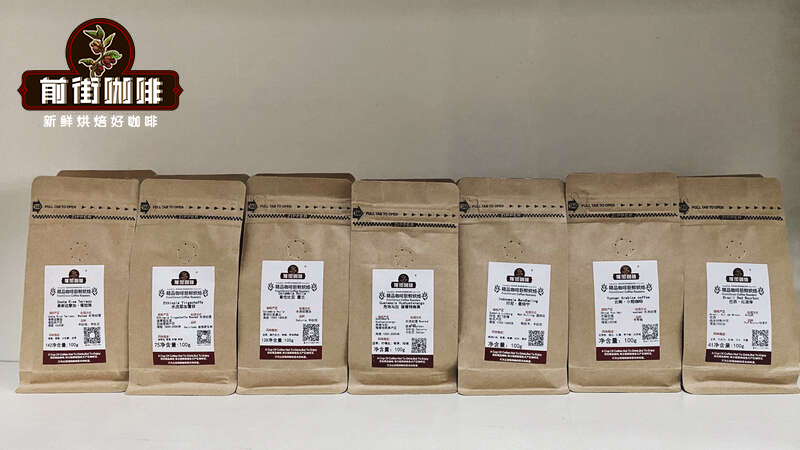
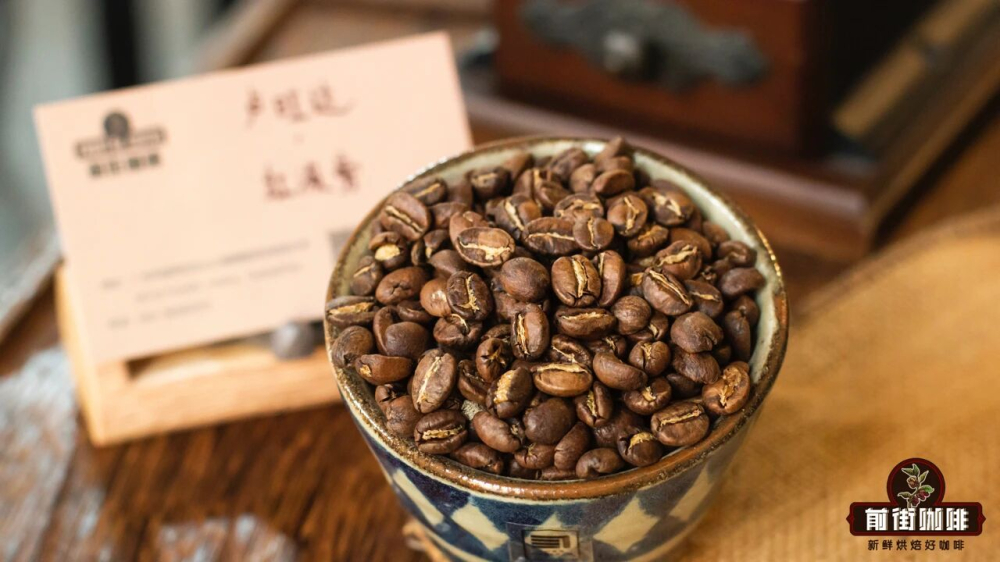
Here, Front Street Rwanda coffee is used to demonstrate how to make a delicious pour-over coffee. This is a washed bean, roasted to a medium-light level. After brewing, it presents the acidity of apple, smoked plum, and citrus, with a soft mouthfeel and a tea-like finish. Besides pour-over, it is also suitable for cold brew, French press, siphon, and other methods. Everyone can purchase it at the Front Street flagship store or Front Street Taobao store.
2. Pour-over coffee grind size standard
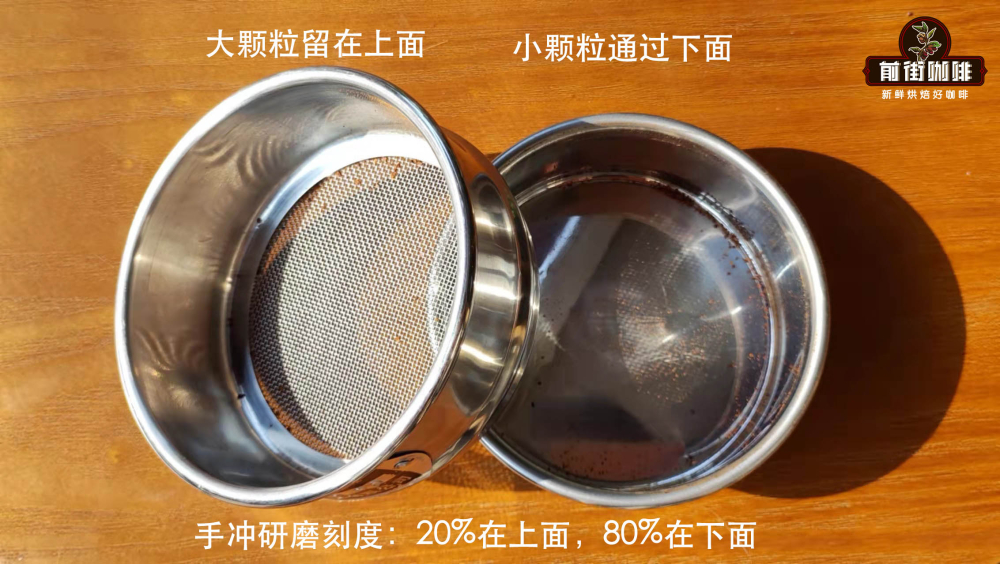
At the same time, in order to ensure that each bean has the most suitable grind size for brewing, Front Street recommends buying a No. 20 cup test calibration sieve with a sieve aperture of 0.85 mm. We weigh 10 g of coffee beans, adjust to a rough grind size and grind them into coffee powder, then pour it into the sieve for sifting, and weigh the sifted coffee powder (be sure to sift until no more coffee powder can pass through the sieve to complete the sifting). A pass-through rate of 80% (8 g sifted out from 10 g powder) is the most suitable grind size for medium-light roasted coffee beans, and a pass-through rate of 70%-75% (7-7.5 g sifted out from 10 g powder) is the most suitable grind size for medium-dark roast. If it exceeds the suitable pass-through rate, appropriately coarsen the grind size; if it does not reach the suitable pass-through rate, appropriately fine-tune the grind size smaller.
3. Brewing water temperature
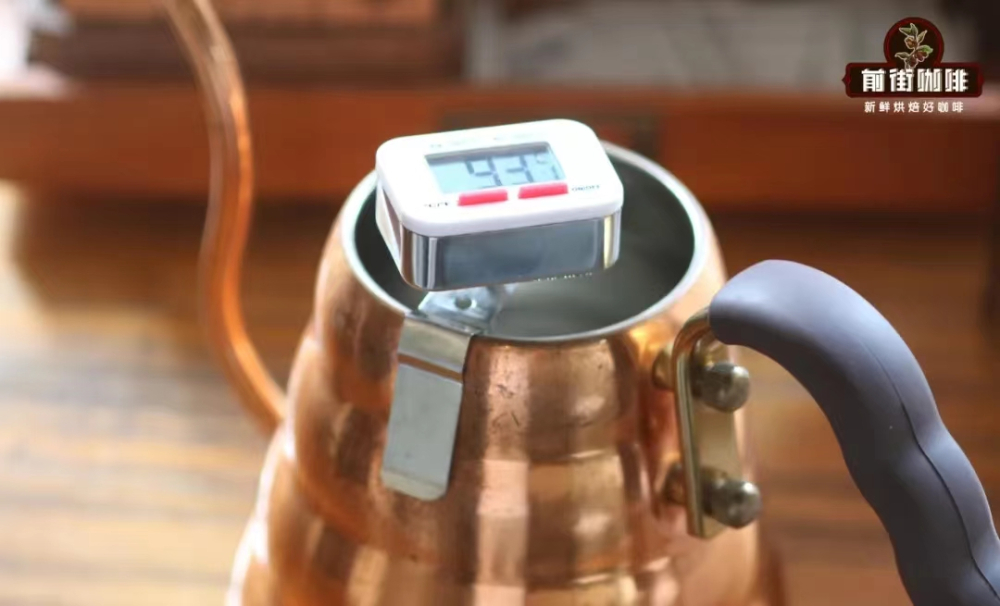
Front Street Coffee (FrontStreet Coffee) also chooses different water temperatures when making pour-over with coffee beans of different roast levels. During roasting, the substances contained in coffee beans are lost as the roast level deepens, so dark-roasted coffee beans use lower temperatures to avoid extracting too many off-flavors. For medium-light roasted beans, Front Street Coffee (FrontStreet Coffee) recommends a water temperature of 90-93°C, and for medium-dark roasted beans, a water temperature of 86-88°C.
4. Water quality
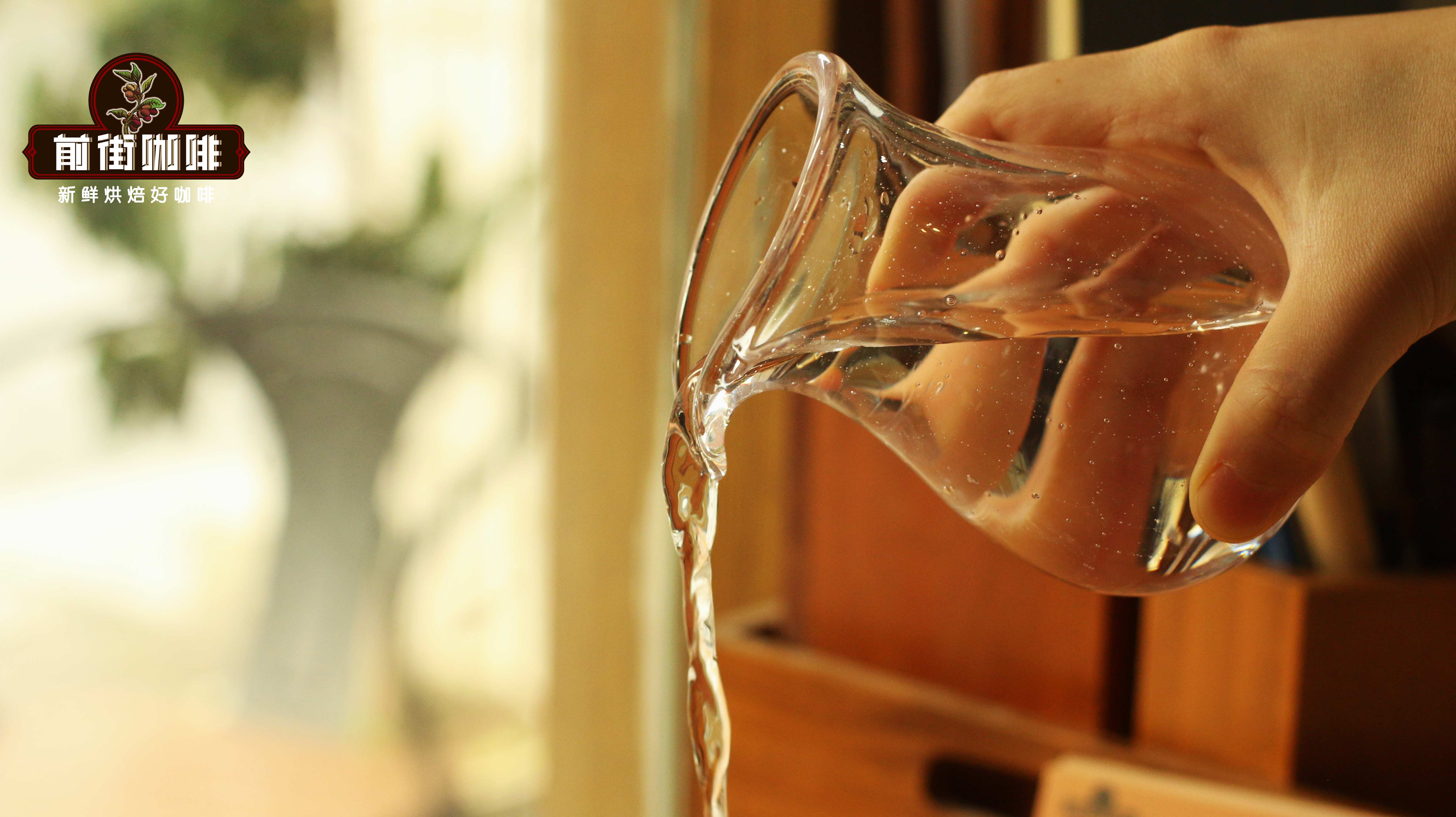
The mineral components in water, such as calcium, magnesium, sodium, potassium, and other mineral ions, affect coffee's thermodynamic extraction capacity, thereby changing the coffee's flavor. Front Street Coffee (FrontStreet Coffee) does not recommend using tap water directly heated for brewing. Tap water contains many impurities, and the extracted coffee is prone to unpleasant experiences.
5. Brewing dripper selection
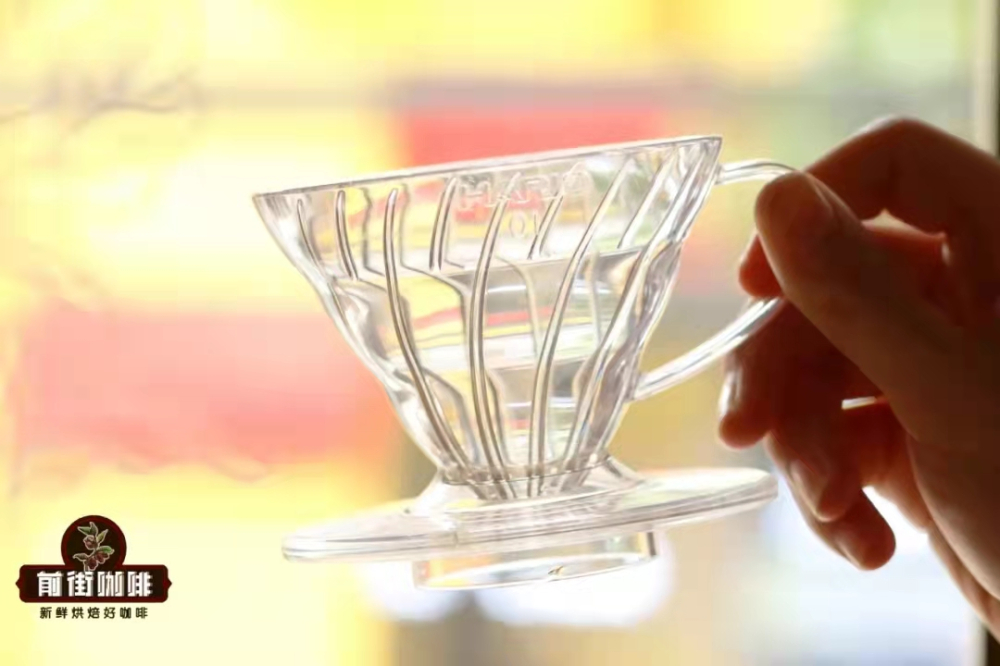
Front Street recommends that beginners choose the V60 01 dripper. The V60 conical dripper has a relatively large opening, and together with its unique spiral curved ribs, air is more easily discharged, thereby improving extraction quality. The mouthfeel may not be full-bodied enough, but the sweetness, acidity, and distinct aroma brought out by its high concentration are one of its major characteristics.
6. Coffee-to-water ratio
This is the difference in taste of pour-over coffee water-to-coffee ratio extraction parameters that Front Street Coffee (FrontStreet Coffee) obtained based on the SCA golden cup extraction theory:
[Strong taste] 1:10~1:11, i.e. 1:12.5~1:13.5 under the golden cup standard [Moderate taste] 1:12~1:13 (i.e. 1:14.5~1:15.5 under the golden cup standard) [Light and refreshing] 1:14~1:16 (i.e. 1:16.5~1:18.5 under the golden cup standard)
A coffee bean weight to brewing water volume ratio of 1:14.5~1:15.5 is the easiest way to reach the golden range of 18%~22% golden cup extraction yield and 1.15%~1.35% concentration.
This is also why Front Street Coffee (FrontStreet Coffee) has always recommended brewing at 1:15. Therefore, the information that Front Street Coffee (FrontStreet Coffee) summarizes from the above SCA extraction ratio parameters is:
(1) The larger the coffee-to-water ratio, the lighter the coffee taste; the smaller the coffee-to-water ratio, the stronger the coffee taste. (2) Increasing the amount of poured water to raise the coffee-to-water ratio affects more flavor substances but makes the taste lighter; reducing the amount of poured water to lower the coffee-to-water ratio affects fewer flavor substances but makes the taste richer. (3) Increasing the coffee dose to lower the coffee-to-water ratio reduces the extraction of large-molecule substances in the final stage of coffee while making the taste stronger; reducing the coffee dose to raise the coffee-to-water ratio, before reaching the extreme, extracts more complete flavor substances while reducing the intensity of the taste.
7. Brewing time
In coffee extraction, the aroma and flavor in the early stage are strong, and the concentration is also high. The further the extraction liquid goes, the lighter the flavor and aroma become. At the same time, the amount of poured water also affects the coffee extraction time. Front Street Coffee (FrontStreet Coffee) generally uses 15 g of powder, varying by bean. At a water-to-coffee ratio of 1:15, the brewing time will be within 2 minutes to 2 minutes 30 seconds, making it less likely to cause over-extraction or under-extraction.
Basic knowledge of pour-over coffee---- Pour-over coffee grind size standard
Secondly, the grind size of coffee beans for pour-over coffee also greatly affects the extraction of the coffee beans. That is to say, even if the coffee-to-water ratio of pour-over coffee is controlled very well, if the pour-over coffee grind is too coarse or too fine, it will affect the extraction of coffee flavor. For example, the finer the coffee bean powder is ground, the more easily it accumulates on the filter paper, the greater the extraction resistance, so the flow rate is slower and the extraction time is longer. The extraction yield of the substances contained in the coffee is high, and the brewed coffee is also stronger;
Similarly, the coarser the grind, the larger the gaps in the coffee bed, the less coffee powder comes into contact with hot water, the weaker the extraction resistance, the faster the coffee drips, and the lower the extraction yield, so the coffee flavor is also lighter. Therefore, merely changing the grind size can produce a huge difference in coffee taste, which is also why coffee grinding is so important.
Basic knowledge of pour-over coffee----Pour-over coffee brewing technique
Next is the last step of pour-over coffee, the pour-over coffee brewing technique! At present, there are many kinds of pour-over coffee brewing techniques seen in coffee shops. Commonly seen ones include the three-pour method, one-cut flow, and drip method, etc. Here, Front Street Coffee (FrontStreet Coffee) recommends that beginners use the three-pour method for brewing, because this technique is suitable for light-roasted, medium-light, and medium-roasted coffee beans. The staged extraction method of three-pour coffee brewing can clearly define the coffee's front, middle, and back-end flavors, and can relatively ensure the presentation of the coffee's flavor.
As Front Street Coffee (FrontStreet Coffee) also mentioned above, the brewer should use a steady pouring method to pour water at an appropriate temperature and volume onto the coffee grounds for coffee liquid extraction, so as to extract a delicious cup of coffee. After all, pour-over coffee can also be called an art. For example, making a dish requires not only fresh ingredients but also attention to heat and the chef's skill. Pour-over coffee is naturally no exception. Next, Front Street Coffee (FrontStreet Coffee) will teach everyone how to perform the three-pour method for pour-over coffee.
Pour-over coffee three-pour brewing technique:
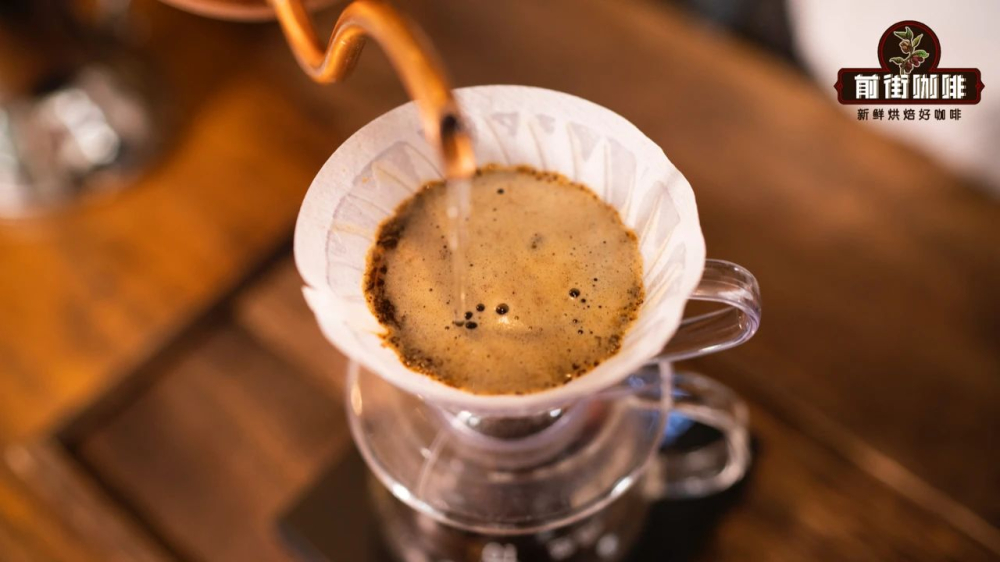
First pour: blooming (helps degassing)
Many coffee enthusiasts do not know the meaning of blooming in pour-over coffee. In fact, blooming is needed because coffee beans undergo a series of chemical reactions and physical changes during the roasting process from green beans to roasted beans. After reaching a certain degree of roasting, a large amount of gas (mostly carbon dioxide) accumulates inside the coffee beans.
Generally speaking, the fresher the beans and the closer to roasting, the more bubbles usually appear during blooming. Dark-roasted beans also release more gas during blooming than light-roasted beans. Front Street Coffee (FrontStreet Coffee)'s coffee beans are all freshly roasted, so customers are generally advised to rest the beans for three days first, allowing the coffee beans to release carbon dioxide first, which can avoid the problems of instability and under-extraction in brewing.
After the gas is discharged during blooming, the coffee particles can absorb water evenly, allowing the later extraction to be uniform. A good bloom can allow the coffee powder to degas quickly, fully, and evenly while also allowing the coffee powder to fully and quickly contact water, helping the coffee powder be evenly extracted. These are precisely the purpose and significance of blooming in pour-over coffee.
During the bloom of pour-over coffee, pay attention to the following four points:
1. Before pouring water for the bloom, first level the coffee powder.
2. When pouring water during the bloom, it should be gentle.
3. During the blooming process, as little extraction liquid as possible should drip down; when too much extraction liquid appears in the server, reduce the amount of poured water, or pay attention to the grind size. (If the bloom water amount is too much, a large amount of coffee liquid drips down, and the falling water does not stay but directly brings out substances from the outer part of the coffee powder. The off-flavors and astringency in the outer layer of the coffee powder also begin to dissolve out, so the brewed coffee is both light and has off-flavors from over-extraction. If the bloom water amount is insufficient and no water drips down at all, then the coffee powder has not absorbed enough water, and some coffee has not degassed enough, causing under-extraction.) Based on this situation, Front Street Coffee (FrontStreet Coffee), after many bloom experiments, found that pouring water at twice the amount of coffee powder during the bloom is relatively suitable.
4. The blooming time is about 30 seconds. When the expansion on the surface of the coffee powder ends, the coffee surface will be seen to shrink. At this time, it means the bloom is complete and pouring can begin. (In terms of time, if the blooming time is too long, the coffee is prone to bitterness and astringency; if the time is too short, the soaking is insufficient, and the coffee may be under-extracted or the coffee may not be able to fully display itself.)
Generally speaking, the end time of blooming will differ for each bean, but Front Street Coffee (FrontStreet Coffee) found that this is not conducive to beginners' operation. After all, beginners value standardization and ease of learning. Therefore, under the condition that the coffee beans are still freshly roasted, Front Street Coffee (FrontStreet Coffee) recommends a blooming time of 30 seconds. Of course, experienced people can adjust the time themselves.
Second pour
The second pour starts from the center, injecting a small stream into the bottom of the coffee bed. In order for the penetrating force of the water stream to be concentrated, the circular movement range should be small, about the size of a one-yuan coin, and then spiral outward. From the start of the second pour, pay attention to the water amount, and try not to exceed the height of the coffee bed. That is, when the water stream circles close to the filter paper, stop pouring.
Third pour
As the originally thicker coffee bed near the edge of the filter paper becomes heavier from absorbing water, it slides down and becomes thinner as the water level drops. When the water level drops to halfway, the third pour can be carried out.
From the start of the third pour, observe the extent of the water level drop. Similarly, start pouring from the center in circles, and do not let the water amount exceed the height of the coffee bed. At this time, it will also be observed that the foam ratio has already covered the surface. The third pour should increase the tumbling of coffee particles, allowing all deposited particles to tumble and thereby dissolve soluble substances.
The rolling particles will begin to stop when pouring stops. At this time, the flow rate caused by the dropping water level is needed to create friction among the coffee particles. Therefore, once pouring stops, the coffee powder particles sink downward, causing clogging, so pay special attention to the rhythm of pouring. If pouring is interrupted too many times, it is equivalent to letting the coffee powder particles remain soaked in water, which will cause the final stage of coffee extraction to produce astringency and off-flavors. If pouring is interrupted too many times, it is equivalent to letting the coffee powder particles remain soaked in water, which will cause the final stage of coffee extraction to produce astringency and off-flavors.
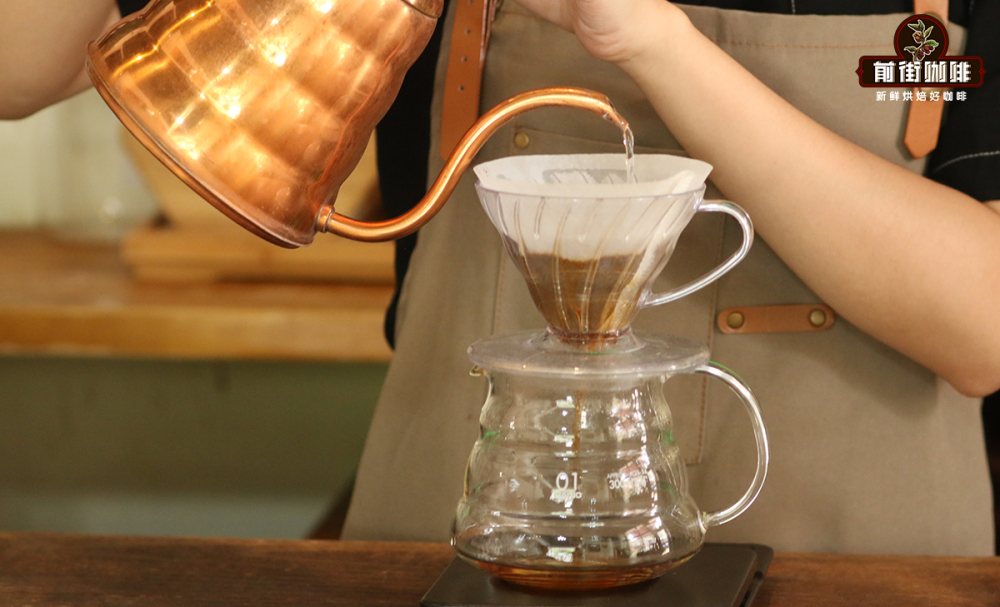
After the above operations last night, you can get a cup of aromatic pour-over coffee. The above is the related content compiled by Front Street Coffee (FrontStreet Coffee) on how to make pour-over coffee. I hope it can help coffee enthusiasts who have already prepared their equipment and want to show their skills at home by making pour-over coffee.
The above content is compiled by CoffeeHunters, a coffee news website.


