







How do you make cold brew coffee with powder?
Cold brew uses cold water and low-temperature extraction from start to finish, unlike iced coffee, which is brewed hot and then chilled. Ground coffee steeps directly in cold water for more than eight hours, then the grounds are filtered out. Grind size, steeping time, and the coffee-to-water ratio are the three variables that control strength and flavor.
The long cold soak keeps floral and fruity aromas in the liquid longer, so they present more naturally than in hot brewing, but small-molecule aromatics fade as storage days pass. Front Street Coffee recommends four beans for cold steeping: Huakui, Sidra, Little Tomato, and Mozart, showing fruit tea, vinous, smoked plum, and dark berry directions in the finished glass.
What is the difference between cold brew coffee and regular iced coffee? The key lies in using cold water and low-temperature extraction throughout the entire process. This article will provide a detailed introduction to the coffee-to-water ratio, grind size, steeping time, and other key points for making cold brew, and will also share four coffee beans recommended by Front Street Coffee that are suitable for cold brew—Huakui, Sidra, Little Tomato, and Mozart—each presenting different flavor directions of rich fruit tea, fermented vinous aroma, smoked plum juice, and dark berries. Whether you want to understand the basic principles of cold brew or want to find a bean suitable for cold steeping, this content can provide practical reference.

Many people regard cold brew coffee and iced coffee as two different beverages. According to the usual understanding, iced coffee is first extracted with hot water, and then cooled down by adding ice or refrigerating, so it is essentially an extension of hot-brewed coffee. Cold brew coffee is completely different: from beginning to end it uses only cold water, completing the extraction process in a low-temperature environment. Today, Front Street Coffee (FrontStreet Coffee) will talk with everyone about knowledge related to cold brew coffee.
What is cold brew coffee?
The English name for cold brew coffee is Cold Brew Coffee. The method is to put ground coffee directly into cold water to steep, generally requiring more than 8 hours, and then use equipment to filter out the coffee grounds, finally obtaining chilled coffee liquid. During the production process, grind coarseness, steeping time, and coffee-to-water ratio are all variables that can be adjusted. Through changes in these parameters, the flavor expression and concentration level of the final product can be affected.
This extraction method of cold brew has an obvious characteristic: the aromatic substances in coffee stay in cold water for a longer time, and the low-temperature environment allows floral and fruity aromas to present themselves more naturally. However, small-molecule flavor substances themselves dissipate easily. Even if the cold brew liquid is stored in a low-temperature refrigerated environment, small-molecule flavors such as floral aroma will gradually weaken as the number of storage days increases. Therefore, Front Street suggests that the filtered cold brew liquid should be placed in an airtight container and refrigerated, and the storage time should preferably be controlled within 5 days. This can both reduce flavor loss and avoid bacterial growth.
To make delicious cold brew, Front Street believes that choosing the right coffee beans is the most critical step. In terms of bean selection, Front Street suggests that everyone choose beans with different processing methods or different roast levels according to personal taste preferences to make it, but there is one prerequisite that cannot be ignored—freshly roasted coffee beans must be used. After roasting is completed, coffee beans will go through a 4-to-7-day resting period, and then enter the best tasting period. Once this stage has passed, the aroma will volatilize faster, and both flavor and mouthfeel will noticeably decline. In order to let everyone receive coffee when the flavor is at its best, Front Street sends out beans freshly roasted within 5 days, so that after receiving them and opening the bag, a full aroma can be smelled.
The extraction characteristics of cold brew coffee determine that it is especially good at expressing fermented vinous aromas, juiciness, and floral-fruity tea-like qualities in coffee. If faced with many beans and unsure how to choose, you can refer to the following coffees suitable for cold brew compiled by Front Street.
"Rich fruit tea type—Front Street Huakui Coffee Beans"
This bean comes from the Guji Hambela region of Ethiopia. The local soil is rich in nutrients and fertile, and the coffee beans produced there naturally carry rich fruity aromas. It uses ripe coffee cherries with a pulp sugar content of 30%. The fructose ferments during the sun-drying process, allowing the coffee beans to form a full fruity sweetness, with floral and berry flavors particularly clear, which is why it is highly popular in China. Front Street uses this bean to make cold brew. The resulting cup has lively berry and passion fruit acidity and sweetness, with prominent juiciness, while the aftertaste leaves a clear black tea fragrance.
"Fermented vinous aroma type—Front Street Colombia Sidra Coffee Beans"
Front Street Sidra coffee beans are produced in the Huila region, from the well-known Finca El Diviso, and use a double anaerobic sun-dried processing method. When used to make cold brew, the cup can present rich passion fruit and grape flavors, accompanied by preserved-fruit-like clear sweetness and mandarin-like acidity. After swallowing, an almond-like aftertaste remains in the mouth.
"Smoked plum juice type—Front Street Little Tomato Coffee Beans"
When it comes to coffee with prominent juiciness, Front Street immediately thinks of Kenya. This benefits from the local superior growing conditions and the unique double washed processing method. Light-roasted Front Street Kenya coffee has flavors of smoked plum and cherry tomato on the palate, with strong acidity and a thick mouthfeel. The mid-palate sweetness is obvious, presenting a black plum-like juiciness. The aftertaste is berry aroma and yellow sugar sweetness, with a hint of light tea fragrance, which is why it is deeply favored by coffee lovers.
"Dark berry type—Front Street Costa Rica Mozart Coffee Beans"
The Mozart bean uses an anaerobic honey processing method and itself carries a very special raisin aroma. When used to make ice drip coffee, it shows distinct blueberry, black grape, and vinous fermented flavors, with a refreshing mouthfeel and lingering fragrance after drinking. After 3 to 4 days of low-temperature storage and fermentation, the vinous flavor becomes even more prominent.
How to make cold brew coffee
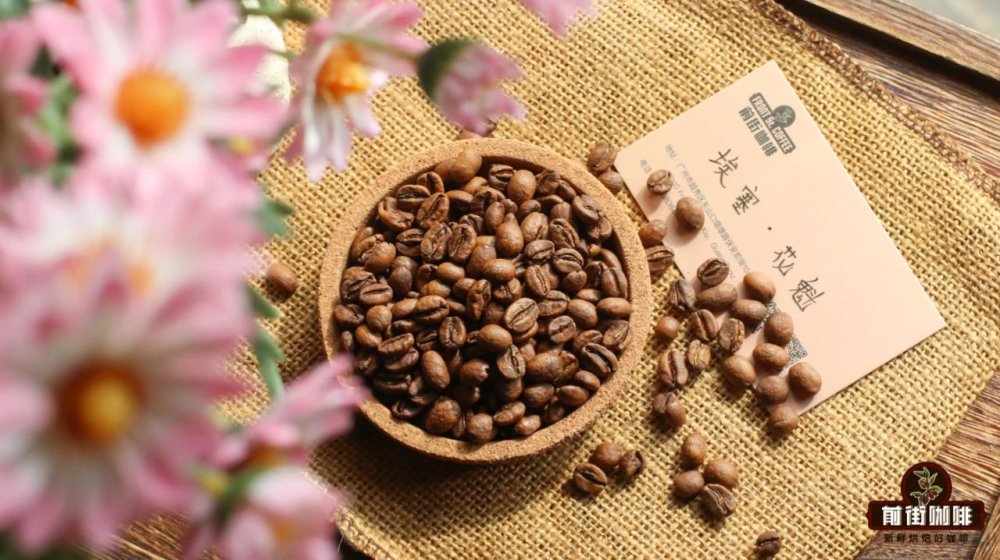
The method for making cold brew coffee is actually very simple. The items that need to be prepared include: a pack of freshly roasted Front Street Mozart coffee beans, an airtight container for holding the extraction liquid, and a filter bag or filter paper paired with a dripper for filtering out coffee grounds.
①Use an electronic scale to weigh 40g of Mozart coffee beans, and grind to a coarseness like fine granulated sugar. When adjusting the grind size, Front Street uses the China No. 20 standard sieve, and the cold brew pass-through rate is controlled between 75% and 85%. The setting on the ek43s grinder is 9.5 to 10.5.
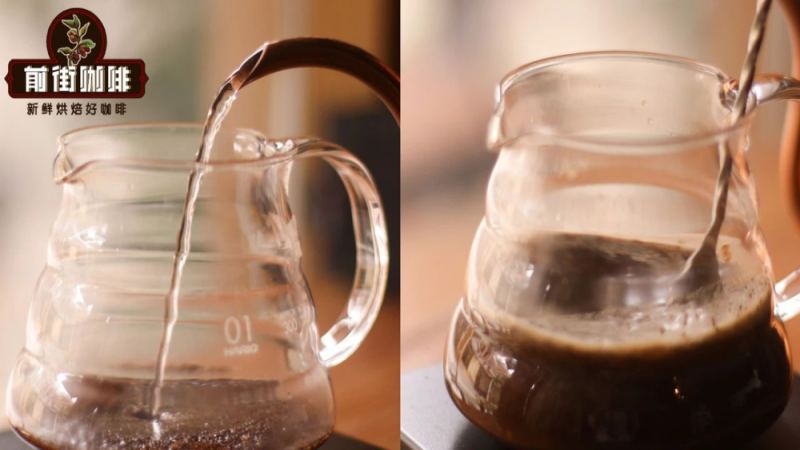
②Pour the ground coffee powder into the airtight bottle. The coffee-to-water ratio used by Front Street is 1:10, that is, add 400 grams of room-temperature water.
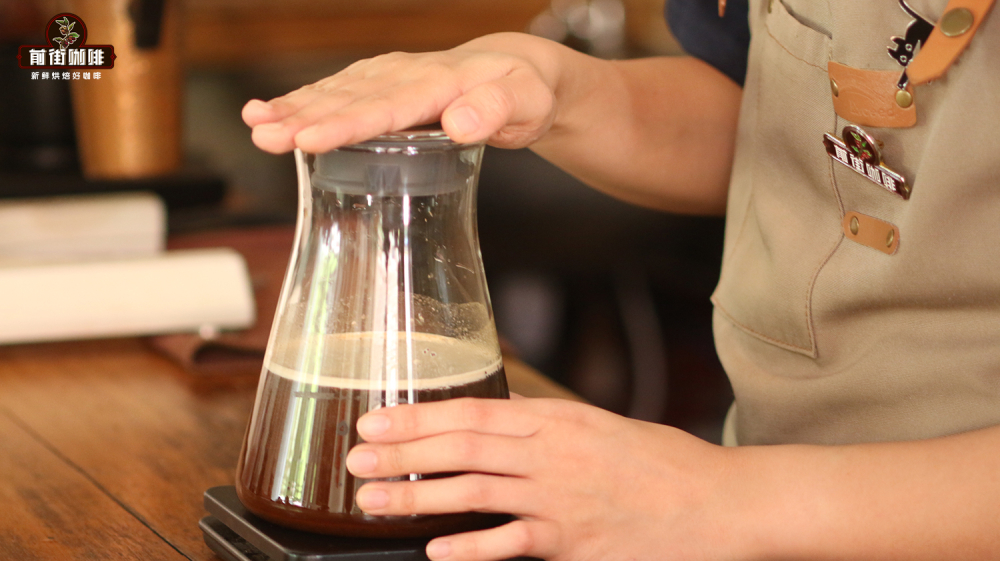
③Cover with the lid and shake evenly. You can also use a stirrer to help the coffee and water fully contact, then place it in the refrigerator for 8 to 12 hours of low-temperature slow extraction.
④After steeping is finished, use filter paper or a strainer to separate out the coffee grounds. The clear coffee liquid obtained can be drunk immediately, or it can continue to be refrigerated, waiting for the flavor to further ferment and mature, and the mouthfeel will become fuller.
The above content is compiled by CoffeeHunters, a coffee news website.


