







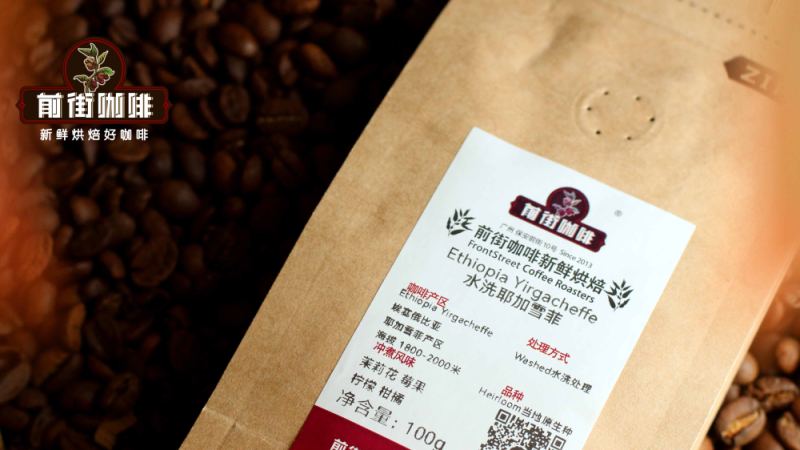
Yirgacheffe is practically a signature bean that every specialty coffee shop must have. With its bright acidity, fresh floral aroma, and clean finish, it has shattered many people's stereotype that coffee is only bitter. This article will start with the region's background and the differences in processing methods, compare the flavor performance of natural and washed Yirgacheffe, and provide the V60 pour-over parameters and coffee-to-water ratio recommended by Front Street Coffee to help you brew a cup of good coffee that is full of aroma and neither bitter nor astringent.
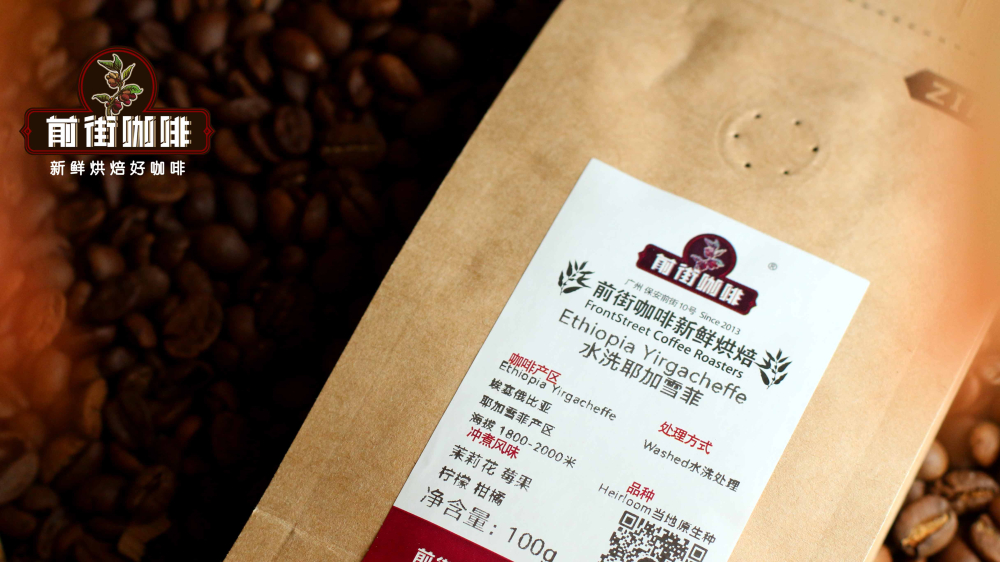
How famous is Front Street Yirgacheffe coffee? It can be seen in coffee shops of almost any scale, and it is a fixed staple on specialty coffee shop menus. Why is Ethiopian Yirgacheffe so sought after? The reason is that it completely refreshes many people's understanding of coffee, while also precisely matching the taste preferences of the new generation of coffee consumers.
As specialty coffee culture gradually becomes part of daily life, more and more people are pursuing the unique regional flavors presented in a cup of pure coffee. Coffee beans with high flavor recognition and a clean, transparent taste have therefore become very popular, and beans produced in the Yirgacheffe region happen to belong to this category.
Introduction to the Yirgacheffe Region
Yirgacheffe is located on the eastern side of the East African Rift, a small town in the Sidama Province of Ethiopia, with an altitude of roughly 1,700 to 2,400 meters and annual rainfall of about 1,300 millimeters. Because the coffee produced there has a distinctive flavor and is favored by coffee lovers around the world, the town was eventually separated out and became the independent Yirgacheffe region. Coffee beans grown and processed within the town of Yirgacheffe are collectively called Yirgacheffe coffee beans.
Flavor and Taste Characteristics of Front Street Yirgacheffe Coffee Beans
When it comes to the taste of coffee, many friends who are new to specialty coffee, or who have not yet tried it, may first think of bitterness. But Front Street Yirgacheffe overturns this fixed perception.
Yirgacheffe is located within the coffee-growing belt. The high altitude and special terrain together create rich microclimates, with a large temperature difference between day and night, plus sufficient phosphoric acid content in the soil. Through Front Street Coffee's cupping comparisons, it can be found that Front Street Yirgacheffe coffee beans usually show very bright acidity, accompanied by delicate floral aromas, with a more refreshing mouthfeel that drinks a bit like lemon tea.
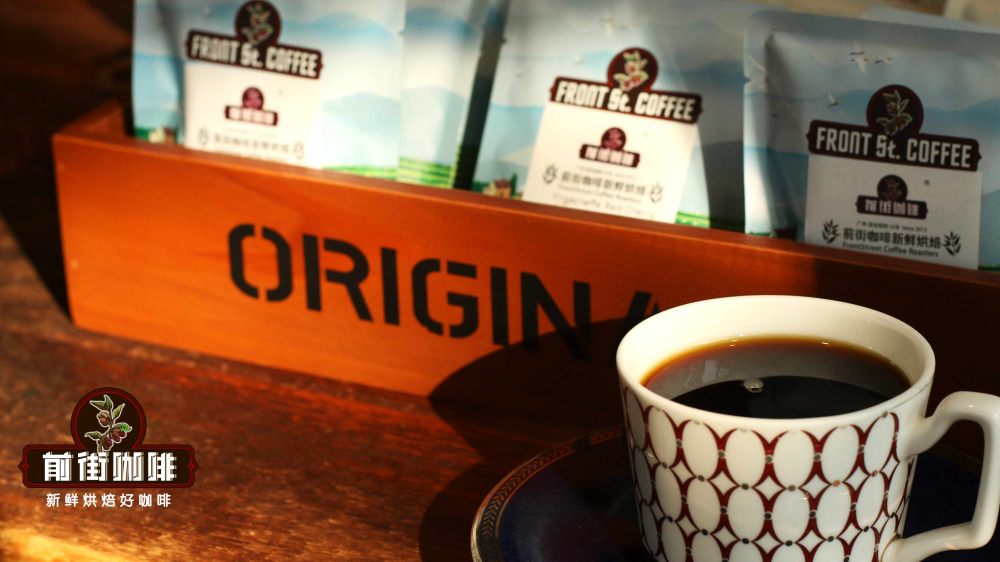
The reason it can win the favor of the new generation of consumers is, first, that its flavor profile is fresh, making it easy to drink without any sense of burden; second, that acidic coffee breaks people's stereotype of bitter coffee, and this sense of contrast quickly makes Front Street Yirgacheffe's image deeply rooted in people's minds.
Because coffee produced in Ethiopia's Yirgacheffe is so popular, the Ethiopian Commodity Exchange ECX now has a new definition of "Yirgacheffe coffee": Yirgacheffe is no longer classified based on origin, but by flavor characteristics. Simply put, during cupping, if you feel "this bean is so Yirgacheffe," then it can be classified as a Yirgacheffe coffee bean—of course, on the premise that the bean is indeed grown within Ethiopia.
Processing Methods of Front Street Yirgacheffe Coffee Beans
Yirgacheffe has been a wetland since ancient times, and the rivers gather to provide the town with abundant water resources. Therefore, coffee beans in the town of Yirgacheffe mostly use washed processing, which can further strengthen the coffee's bright acidity.
But in the early days, the Ethiopian region used traditional natural processing—after local people harvested the coffee cherries, they spread them directly on the ground for sun drying. This practice easily caused the coffee beans to absorb earthy odors and develop defect flavors. It was not until 1972 that Ethiopia introduced washed processing technology from Central and South America: first peeling and removing the pulp from the coffee cherries, then placing them in water tanks to ferment and remove the mucilage, and finally transferring them to raised drying beds for sun drying.
Front Street Coffee believes that the washed method makes Ethiopian Yirgacheffe's citrus aroma more fresh and refined, with a clean and pure taste, perfectly presenting the regional characteristics of Yirgacheffe. It was also from that time that coffee beans from the Yirgacheffe region gradually began to receive attention.
Since the emergence of drying bed technology, people began trying natural drying again. Front Street believes that compared with washed processing, naturally processed Yirgacheffe has lower acidity, higher sweetness, and a clearer mouthfeel, but slightly inferior cleanliness. In terms of flavor, it presents more berry-like notes, and the layers are more complex. Front Street · Natural Red Cherry Coffee is one of the most classic representatives. White floral aromas interwoven with rich tropical fruit flavors make it suitable for a variety of coffee extraction methods, such as pour-over, cold brew, drip bags, French press, siphon, and so on.
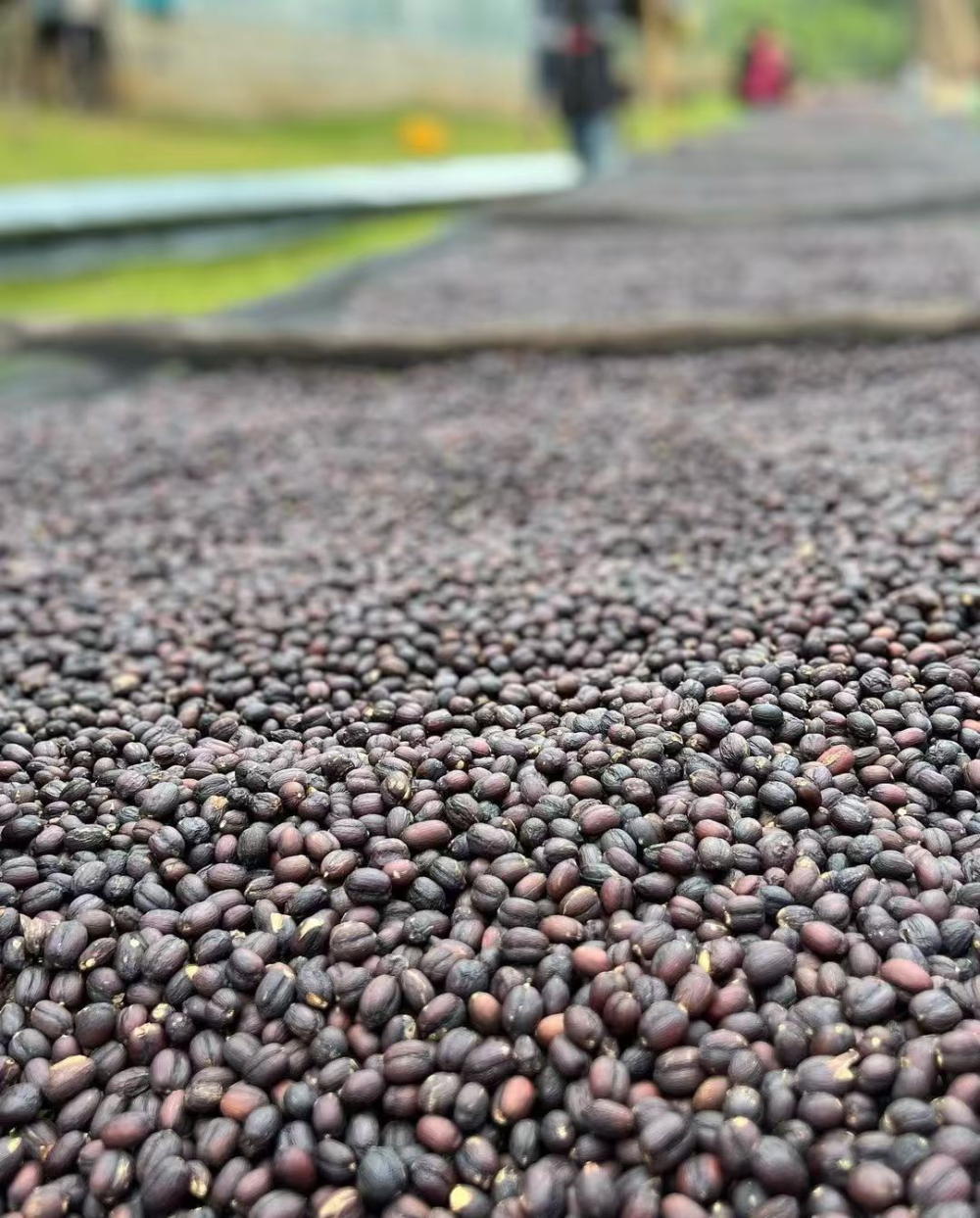
Because the natural method lets the coffee cherries dry naturally, the coffee beans mature naturally inside the fruit without interference from the external environment. Therefore, naturally processed coffee beans amplify their own flavors, showing obvious tropical fruit flavors, a full fermented quality, and sweetness. In order to let more people experience the refined flavor of Front Street · Natural Red Cherry, Front Street specially launched Front Street · Yirgacheffe SOE for espresso machine users and moka pot users. It uses a medium roast, and when made into espresso it carries a berry-like sweet-and-sour charm.
Differences in Flavor and Taste of Front Street Yirgacheffe Coffee Beans Under Different Processing Methods
Front Street Coffee selected the washed Front Street Gutingding Cooperative coffee beans, also from the Yirgacheffe region, and compared them by cupping with the naturally processed Front Street Red Cherry Plan coffee beans.
The dry aroma of Front Street · Yirgacheffe Natural Red Cherry coffee beans gives off an intense fruity aroma, with a heavy dried-fruit note, interwoven with the fragrances of strawberry, mango, and apricot jam. The wet aroma is like sweet syrup, resembling thick apricot pulp, wrapped in rustic honey or chocolate. On the palate it is not intense, with medium body, like fruity black tea.
The dry aroma of Front Street · Yirgacheffe Washed Gutingding coffee beans gives off fresh passion fruit, citrus, and berry acidity. The wet aroma is citrus and berries. On the palate there is citrus acidity, berry sweetness, accompanied by almond and tea notes, with a honeyed sweetness in the finish. The body is low, the acidity is bright, and it is clean and refreshing.
Many friends report that the Yirgacheffe they brew does not taste good, has no aroma, and even has astringency. Here Front Street Coffee helps everyone avoid pitfalls and see how to brew a delicious cup of Yirgacheffe.
The freshness of coffee beans is very important. In order to let every friend experience the charm of freshly roasted coffee and feel coffee's most complete flavor expression, Front Street Coffee guarantees shipment within 5 days after the coffee beans are roasted.
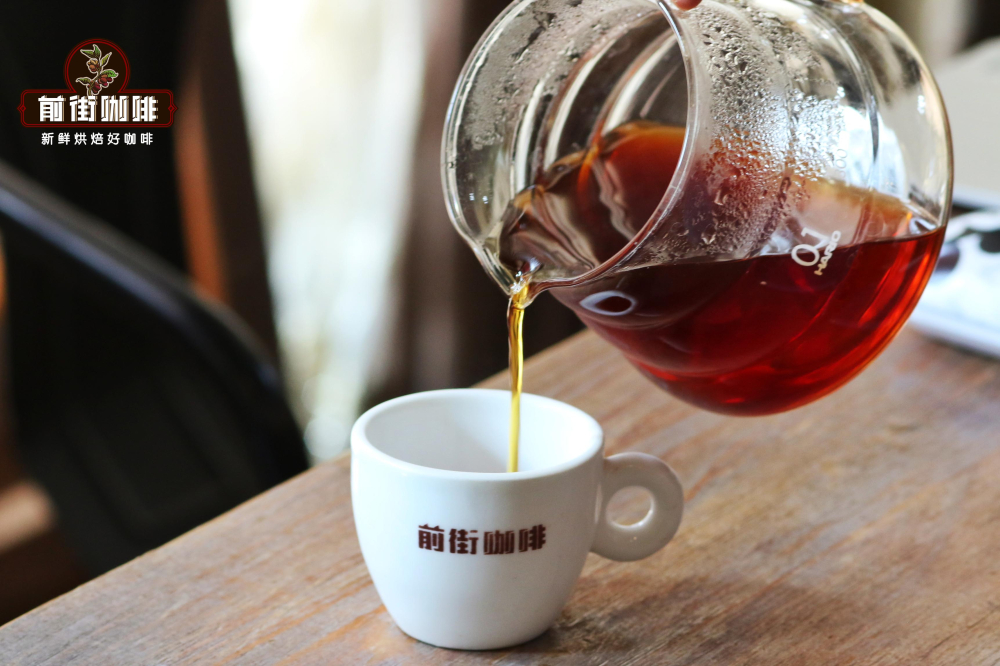
Because Front Street Yirgacheffe uses a light roast, the coffee beans are relatively hard and require hot water at 92°C to 93°C to stimulate the floral and fruity notes in the coffee. In terms of grind size, Front Street recommends a medium-fine grind (78% passing through a Chinese standard No. 20 sieve). Too coarse cannot extract the rich substances, and the brewed coffee will seem thin; too fine is prone to over-extraction at high water temperature, and the brewed coffee is likely to taste bitter and astringent. In order to highlight the rich aroma of Front Street Yirgacheffe, Front Street uses a V60 dripper for brewing.
Brewing parameters for Front Street Yirgacheffe:
Dripper: V60 Water temperature: 92-93°C Dose: 15g Coffee-to-water ratio: 1:15 Grind size: caster sugar size (78% passing through a No. 20 sieve)
For the first pour, add 30 grams of water and bloom for 30 seconds, then pour in 95 grams (the digital scale shows about 125 grams), finishing the pour in about 1 minute. When the water level drops to 2/3 of the coffee bed, pour in the remaining 100 grams (the digital scale shows about 225 grams), finishing the pour in about 1 minute 35 seconds. The drip finishes at 2 minutes 10 seconds. Remove the dripper, and extraction is complete.
The above content is compiled by CoffeeHunters, a coffee news website.


