







How do dose, grind, and ratio affect pour-over coffee?
A repeatable pour-over depends on four parameters: dose, grind size, water temperature, and brew ratio. Once those sit in a sensible range, pouring technique is the main remaining variable. Dose sets coffee bed depth and must match the dripper size; grind, temperature, and ratio determine extraction yield and strength, with more water raising extraction and lowering strength.
The article also covers how coffee is processed and how origins differ, using a 2025 new-crop natural Huakui as the working example: 15g coffee, 1:15 ratio, 91°C water, and about 80% passing rate. A three-pour routine suited to beginners is laid out, and the often-confused terms Huakui and Geisha are clarified so buyers know what they are getting.
To consistently brew a good cup of coffee, you can't get around the basic parameters of dose, grind size, water temperature, and brew ratio. Once these are set sensibly, the remaining variable mainly comes down to pouring technique. This article centers on these core elements, explaining the interplay between bed depth, extraction yield, and strength, and offers a three-pour method suitable for beginners. It then uses the 2025 new-crop natural-process Huakui as an example to lay out a practical routine of 15g coffee, 1:15, 91°C, and 80% passing rate, while also clarifying the concepts of Huakui and Geisha that are often confused. The article also retains Front Street-related product and article recommendations.
For more specialty coffee content, you can follow the WeChat public account: Front Street Coffee (FrontStreet Coffee).
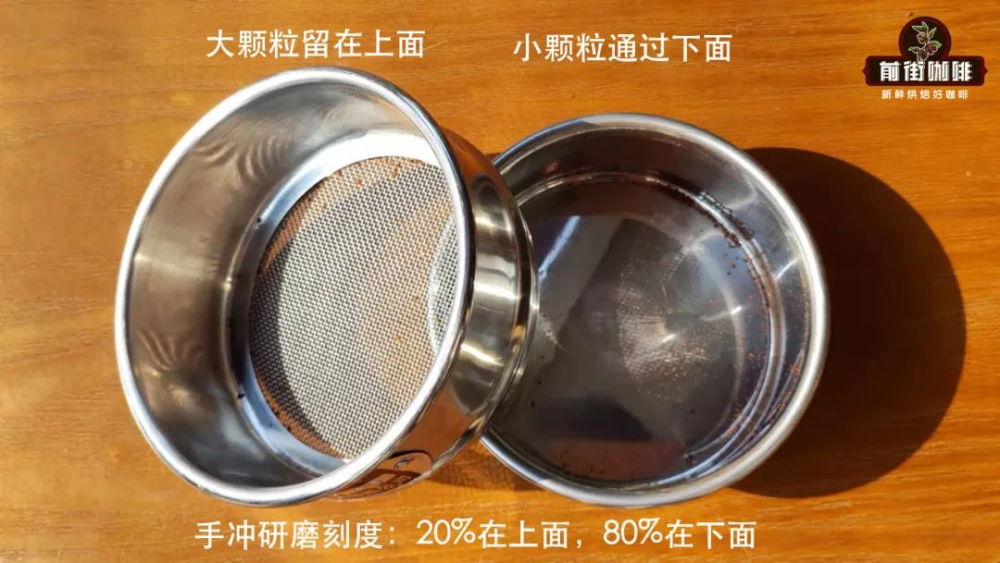
Guests often ask Front Street: how exactly should a cup of coffee be brewed to count as good? Setting aside human interference, the factors that affect the brewing result are just a few: how much coffee you use, how coarse you grind, how hot the water is, and in what ratio the coffee and water are combined. To put it plainly, as long as these parameters fall within a reasonable range, you can basically get a good cup of coffee.
-Dose-
Many beginners overlook this one. The dose changes the depth of the coffee bed, and bed depth in turn produces different behavior during brewing. At the same time, the dose also needs to be determined in conjunction with the dripper size.
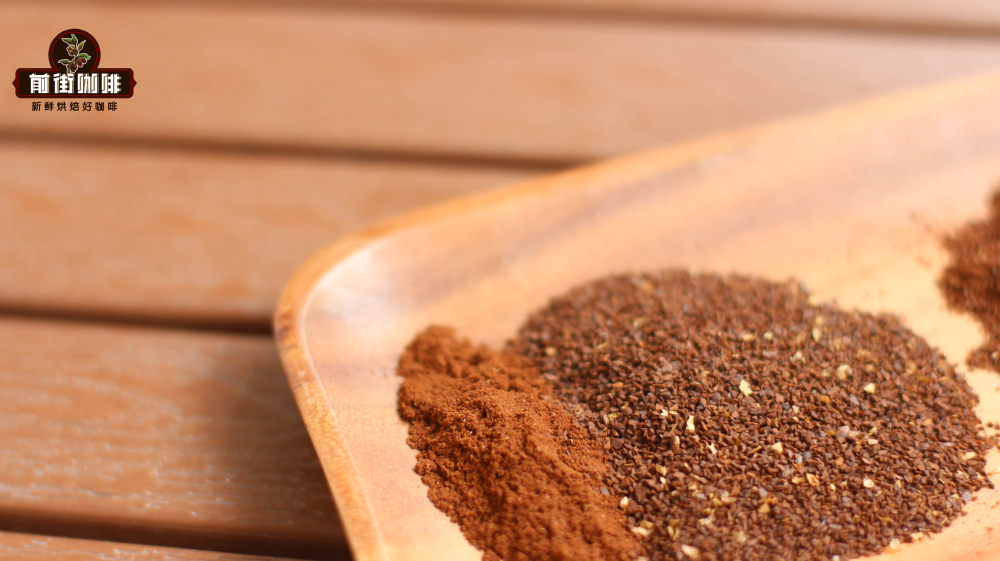
-Grind size-
-Water temperature-
-Brew ratio-
In plain terms, whatever amount of coffee you use, you pair it with the corresponding amount of water according to the set ratio. This directly affects the extraction yield and the strength of the coffee liquid. The more water you add, the extraction yield will gradually rise, while the strength will gradually fall.
-Pouring technique-
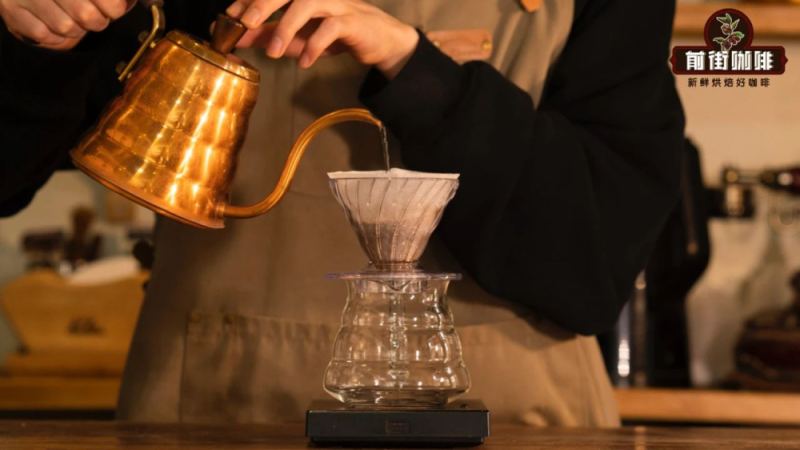
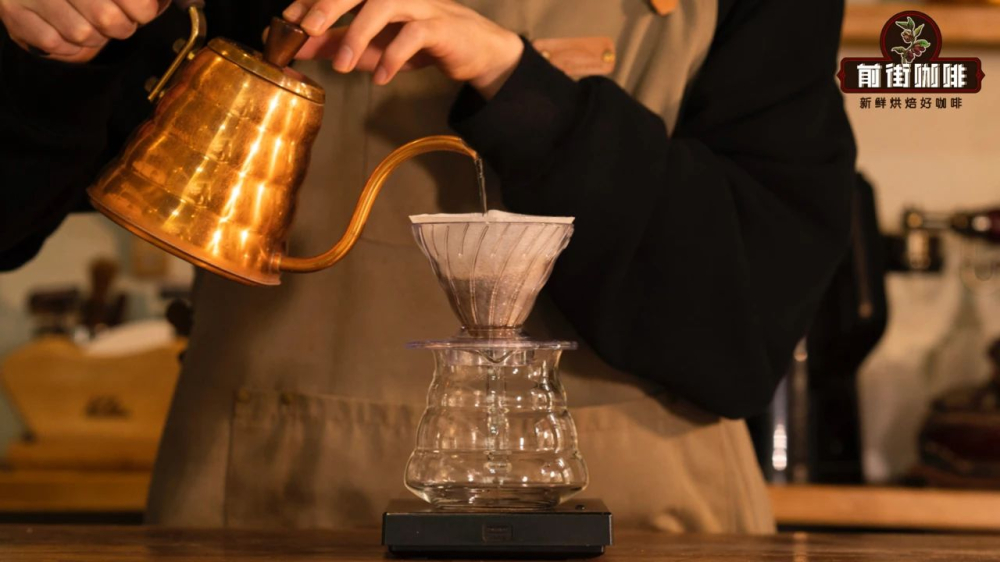
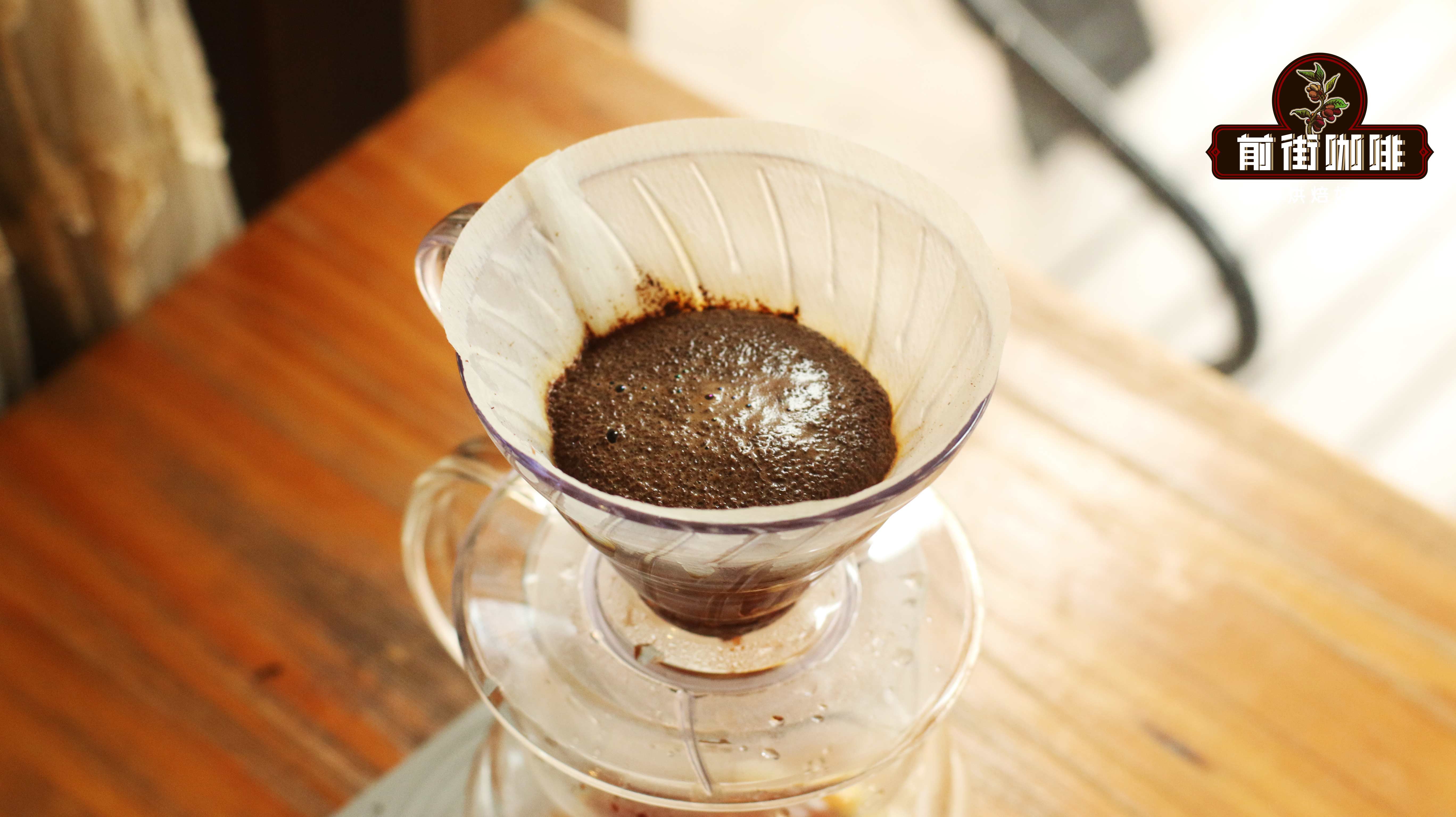
Pouring technique is actually a combination of details such as water distribution, stream thickness, and the path of the circling pour. Once the earlier parameters have been stabilized within a reasonable range, technique is more like a tool for maintaining dynamic balance. Whether you choose a single-pour, three-pour, 4:6 method, or the more flow-control-demanding tornado style, the goal points to even extraction—that is, letting water pass evenly through the coffee bed. The simplest way to check is to look at the state of the spent bed after brewing; the specifics need to be judged case by case. If you're interested, you can look through Front Street's article from last week, "The Complete Guide to Hand-Brewed Coffee Bed Patterns!"
Compared with the earlier parameters that can be quantified intuitively, pouring technique is more influenced by human factors, and therefore becomes the biggest uncertainty. If you're still in the early exploratory stage, Front Street recommends starting with a more reliable brewing method, such as the three-pour method. As long as you control the stream speed and the circling well, it can handle all kinds of beans, making it a true "all-purpose" method in hand brewing.
Of course, pouring technique can also be adjusted flexibly to help us achieve fuller extraction.
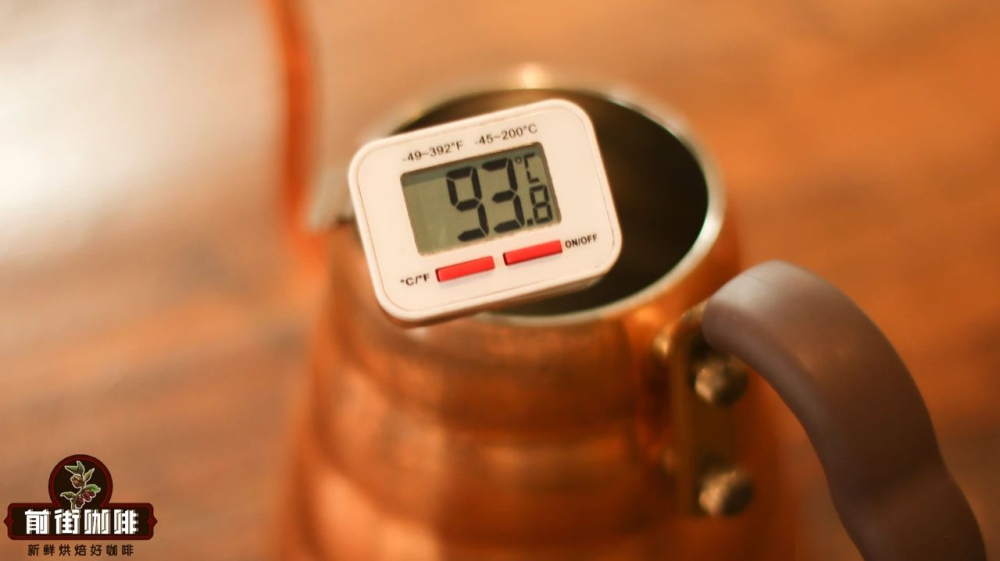
For example, Front Street uses conventional parameters (15g coffee, 1:15 brew ratio, 91°C, grind size based on an 80% passing rate), together with the three-pour method (30ml, 95ml, 100ml), to brew the 2025 new-crop natural-process Huakui. This bean uses traditional natural processing, so its aroma is intense. During grinding, Front Street can already smell honey and berry-like sweetness; on the palate it presents flavors of guava, jackfruit, apricot, dried fruit, citrus, and florals. The aroma is full and appealing, and the price is friendly too, making it very suitable as an everyday choice for beginners to practice brewing.
What is "Huakui Coffee"?
Huakui refers to a natural-process coffee bean from the Hambella region of Ethiopia, with the full English name "Ethiopia Guji Hambella Buku Abel." Broadly speaking, it comes from Ethiopia Guji's champion bean system; more specifically, it is a natural batch processed and produced by the smaller Buku Abel processing station in Hambella. Unlike Geisha's winding origins, Huakui became popular in specialty coffee shops everywhere right after its debut in 2017 thanks to its distinct strawberry-and-cream profile—one could say it peaked the moment it debuted.
Perhaps because the translated names have similar meanings, and because both are standout representatives among floral-and-fruity coffees, many people mistakenly take Huakui for Geisha or Geisha for Huakui when they first get into coffee. There is even a saying that "Huakui is top-tier Geisha." In fact, the two are completely different concepts.
Having covered the bean information, here is the specific hand-brewing procedure:
First, pour 15g of ground coffee into the dripper and tare the scale. For the first pour, add 30g of water to bloom, blooming for 30 seconds while starting the timer at the same time. Throughout, start pouring from the center point with a small stream, then circle outward, making sure to wet the entire coffee bed.
For the second pour, switch to a slightly larger stream and add 120g of water, with the aim of lifting the entire coffee bed. The stream should be poured vertically and evenly; at this point the scale reads 150g, and the pour is finished in about 55 seconds.
When the liquid level drops to the halfway point, begin the third pour: use a small stream and circle in a small radius to add 90g. Try not to make the circling too wide, otherwise it is easy to disturb the coffee bed and cause underextraction. The final total water amount is 240g, and the drawdown finishes at around 2 minutes 10 seconds. After removing the dripper, swirl the coffee in the server to mix it evenly, and it is ready to taste.
The above content is compiled by CoffeeHunters, a coffee news website.


