







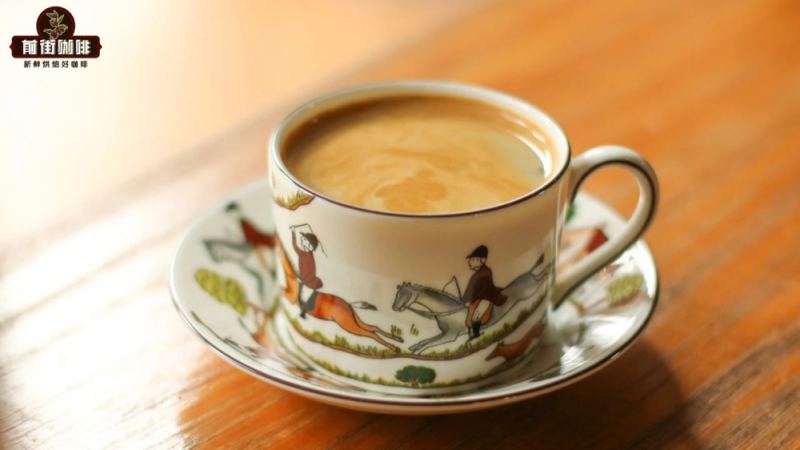
What Ratio Makes a Balanced Americano Coffee?
An Americano coffee starts with a shot of espresso and adds hot water, so the coffee-to-water ratio sets the strength. Using 15 grams of beans pulled as a double shot, the Golden Cup standard points to an extraction yield of 18 to 22 percent and a concentration of 1.15 to 1.55 percent. That keeps the cup from tasting thin or harsh.
Water can be adjusted to taste, more for a milder drink, less for a stronger one, and no fixed ratio is universal across cafes. Grind setting and blend choice also matter, since espresso magnifies a bean's dominant flavor. Hot Americano shows the bean's base notes rather than floral layers, and cold brew differs from Americano in brewing technique and storage, which affects how it tastes over time.
Espresso serves as the base and can evolve into various drinks by adding water, milk, or ice, among which the coffee-to-water ratio of Americano directly determines the strength of its taste. Drawing on Front Street Coffee's practical experience, this article explores the suitable extraction ratio for Americano, the reference range of the Golden Cup standard, and the influence of different espresso blends on flavor. It also compares cold brew and Americano in terms of brewing techniques and storage characteristics, helping coffee lovers find the cup that suits their taste.
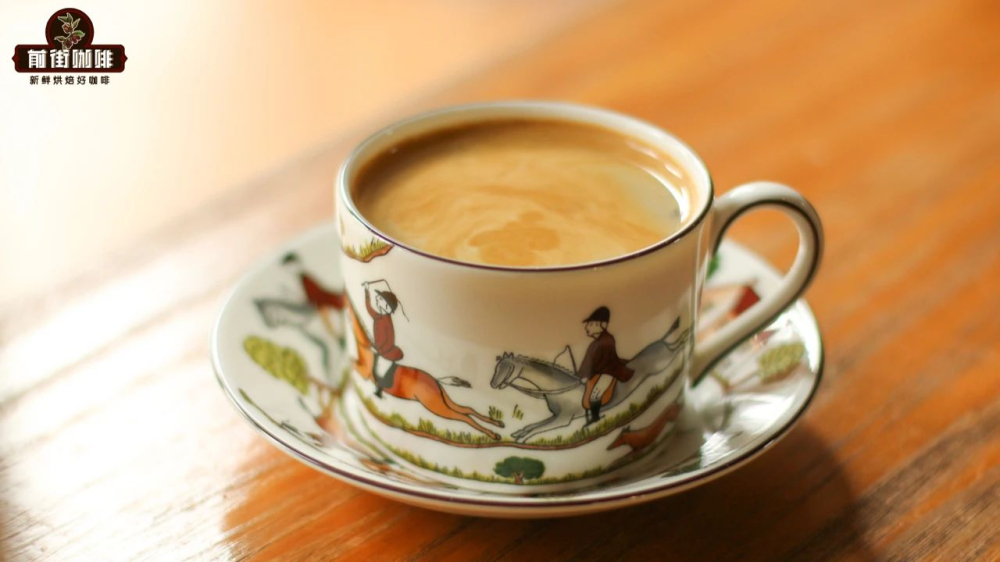
A cup of aromatic espresso can actually be enjoyed in quite diverse ways. Pour in fresh milk, and it becomes a rich, full-bodied milk coffee; add hot water at the right temperature, and it turns into a hot Americano; toss in some ice cubes, and you have an iced Americano. Of course, you can also take the freshly extracted single shot and down it in one gulp—that lingering aftertaste is enough to leave an impression of the bean's character. So today, Front Street Coffee (FrontStreet Coffee) would like to talk about how to make an Americano and roughly what range the coffee-to-water ratio for Americano falls into.
Different cafés have their own opinions on the coffee-to-water ratio when making Americano. Here at Front Street, let's use our own approach as an illustration. Americano is typically based on espresso, then diluted with a certain amount of water. If you prefer a stronger taste, reduce the water; if you want something milder, add more water. Hot Americano presents the coffee's original flavors more faithfully—it doesn't emphasize the delicate layers of regional flavors the way pour-over does, and floral notes won't come across as particularly pronounced.
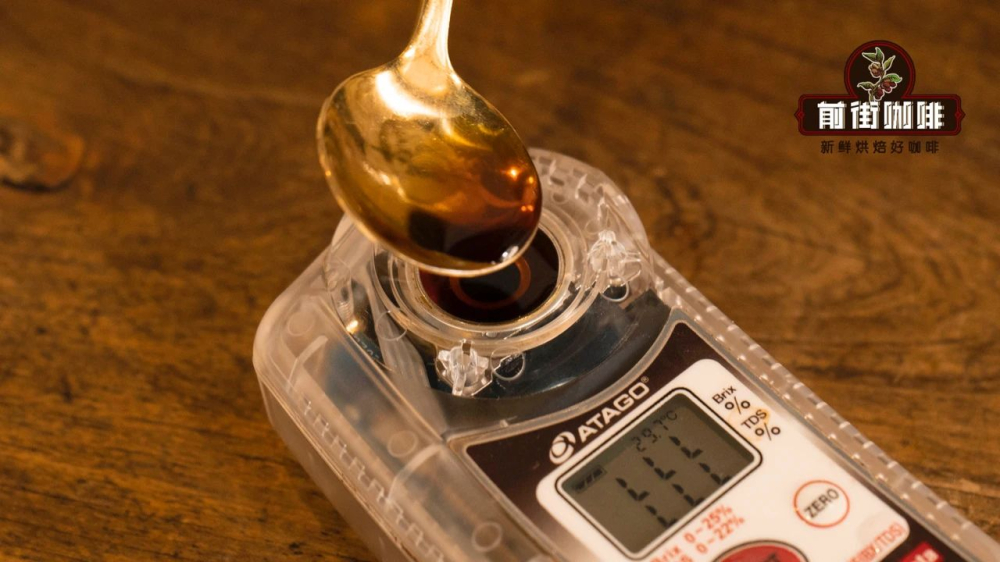
Americano has always had a high order rate among black coffees. Although there are many brewing methods, they ultimately revolve around the framework of the Golden Cup standard. The golden range of extraction yield and concentration derived by the International Coffee Organization through research, known as the Golden Cup standard: extraction yield 18%–22%, concentration 1.15%–1.55%. In other words, taking 10 grams of coffee grounds as an example, the liquid volume should be controlled between 191 ml and 116 ml so that it doesn't taste too weak or too strong.
Use 15 grams of coffee beans with an espresso machine, choose a double basket and adjust to a suitable grind size, extract 60 ml of espresso, and collect it in three stages—25 ml for the first stage, 25 ml for the middle stage, and 10 ml for the final stage. This is also the fun part of an espresso machine: you can collect the extraction in stages. Then dilute the espresso according to the Golden Cup standard and taste the first, middle, and final stages one by one. Generally speaking, the first stage has the most prominent aroma, but depending on the roast level and recipe, it may be just right or on the sour side. In fact, that is precisely the diluted Espresso Ristretto that conforms to the Golden Cup standard.
Front Street repeatedly adjusted the coffee-to-water ratio for Americano, trying three options: 1:4, 1:4.5, and 1:5. Through continuous tasting, we sought to find an espresso base that suits the general palate while showcasing coffee flavor, and ultimately settled on a 1:4.5 ratio for the Americano base. The Americano beans used at Front Street are a 7:3 blend of Honduras Sherry coffee and sun-dried Red Cherry from the Yirgacheffe region of Ethiopia. At a 1:4.5 ratio, this blend best highlights the wine-like notes and cocoa finish of this Warm Sun blend.
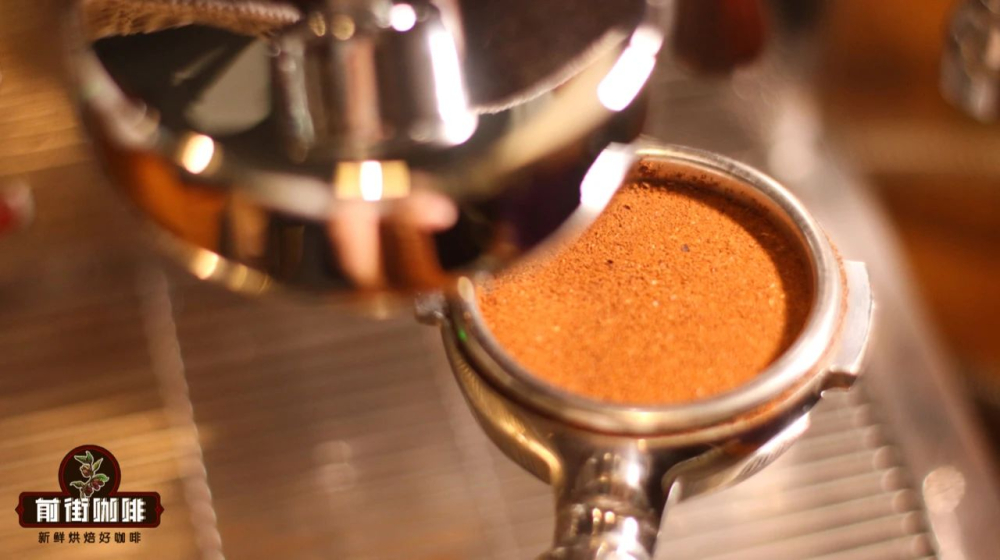
Of course, many customers at Front Street Coffee (FrontStreet Coffee) also ask which coffee beans are best for Americano. Americano is usually made with espresso beans, which are roasted darker than traditional pour-over beans, and espresso beans are mostly blends of several varieties. Of course, some people use single-origin, single-estate beans as the espresso base, and the resulting coffee is simply called SOE (Single Origin Espresso). SOE amplifies the strengths of a particular bean, and the price is naturally much higher.
At Front Street, there are four flavor profiles of espresso blends available for making Americano. The first is a relatively balanced espresso bean, blended from dark-roasted beans from Guatemala, Colombia, Brazil, and Tanzania in a 3:3:2:1 ratio. This blend is very suitable for friends new to espresso, because it performs fairly evenly in acidity, bitterness, and aroma. It has the acidity of Tanzanian Kilimanjaro beans, the rich fruity and smoky notes of Guatemala, and the nutty, chocolatey character that Colombia is known for. After blending these beans in proportion, Front Street obtains a very well-balanced espresso.
If you want to highlight the bitterness of Americano, Front Street suggests adding a little Robusta to increase the richness of the crema. Robusta can play a big role in a blend. Front Street's approach is to blend Colombia, Brazil, and Robusta in a 3:6:1 ratio. This espresso has a rich nutty-chocolate flavor, complemented by Robusta's full-bodied, creamy mouthfeel. For those who like an acidity-driven Americano, you can try Tanzanian beans plus Yirgacheffe, then add Brazilian and Colombian beans to tone down the acidity of the African beans, blended in a 4:2:2:2 ratio. Then, according to your preferred coffee-to-water ratio for Americano, you can make a cup of Americano to your liking.
The weather in Guangzhou has been quite hot lately. You can use a 1:1 ratio of ice to water, pour the extracted espresso into the prepared ice water, and finally give it a stir so the iced Americano has an even temperature—then you can enjoy a cup of iced Americano. Since we've mentioned iced Americano, Front Street will also briefly talk about cold brew, because many customers can't tell the difference between Americano and cold brew.
Cold brew takes longer to make than Americano, and the process is different too. Americano is made by extracting coffee liquid with an espresso machine under high temperature and pressure, then adding hot water; cold brew, on the other hand, is made by putting freshly ground coffee into a filter bag, sealing it, steeping it in ice water, and then placing it in the refrigerator for about twelve hours. Front Street Coffee (FrontStreet Coffee) previously made cold brew with Yirgacheffe beans. It smelled of faint floral and berry aromas, and on the palate it had a refreshing citrus acidity—very cool and refreshing. Compared with Americano, one advantage of cold brew is that it keeps longer; even after a long time in the refrigerator, it still retains its corresponding citrus acidity. However, Front Street still recommends drinking it as soon as possible so you can fully appreciate the best flavor of each bean.
For more specialty coffee beans, please add the private WeChat of Front Street Coffee (FrontStreet Coffee), WeChat ID: kaixinguoguo0925
The above content is compiled by CoffeeHunters, a coffee news website.


