







Search Results for: coffee equipment safety
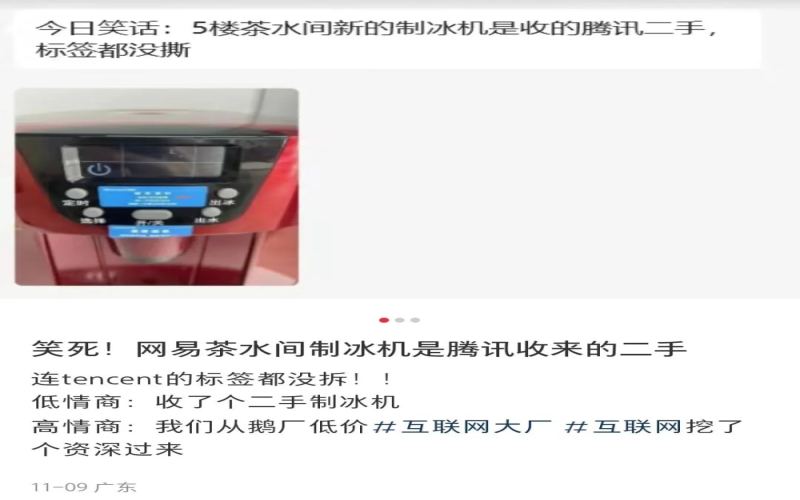
NetEase Reports Nestlé Second-Hand Ice Machine Controversy: Full Record of Food Safety Concerns and Responses from Both Sides
Recently, a second-hand ice machine has stirred up controversy between NetEase and Nestlé. A second-hand ice machine bearing Tencent's logo was discovered in NetEase's break room. NetEase later confirmed that the equipment came from Tencent and accused Nestlé of concealing the source of the second-hand equipment and illegally reselling it, in suspected violation of food safety regulations. NetEase has reported Nestlé and its agency company to the State Administration for Market Regulation. Nestlé responded that the ice machine was not produced or provided by it. The incident continues to escalate and has drawn widespread attention. [more…]
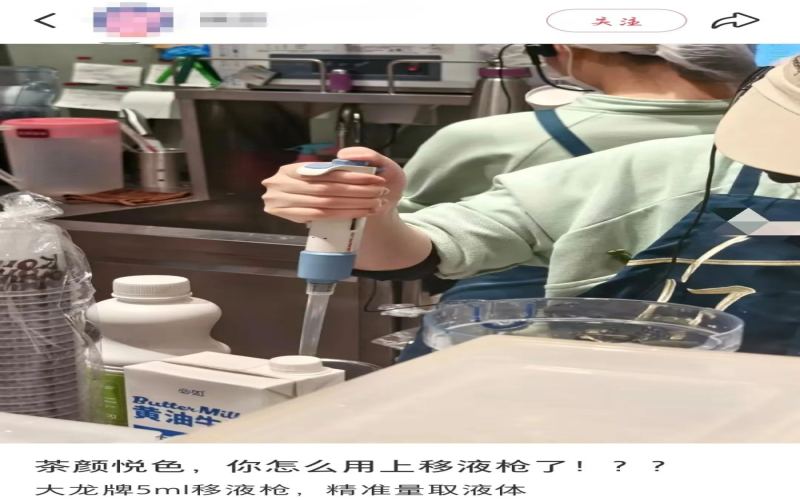
Tea shops introduce laboratory pipettes for mixing milk tea, sparking debate over operating standards and food safety
Recently, a customer at a Sexy Tea store discovered that an employee was actually using a pipette—commonly found in laboratories—to measure milk tea ingredients. The scene was photographed and quickly sparked heated discussion on social media. As precision experimental instruments, pipettes can measure liquids more accurately, but their operating standards are strict, and improper use may pose food safety risks. Many netizens with laboratory experience pointed out that untrained employees operating such equipment risks liquid backflow and contaminated tips, and whether disposable tips meet food-contact standards is also questionable. Opinions continue to clash over whether laboratory instruments can be used in food service settings. [more…]
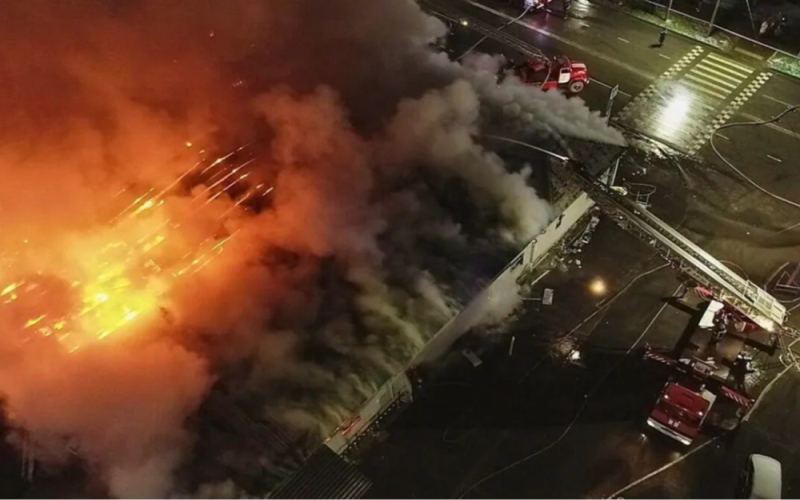
Late-night fire at a cafe in Kostroma, Russia kills 15, raising fresh alarm over fire safety
A sudden fire reduced a café in Kostroma, Russia, to ruins in the early hours of the morning. At around 2 a.m. on November 5, the café caught fire and the flames spread rapidly, ultimately causing 15 deaths and 5 injuries, with the burned area reaching 3,500 square meters. A preliminary investigation suggests the fire may have been triggered by a drunk man firing a flare gun inside the premises. This tragedy once again reminds us that fire safety in public places cannot be ignored. Whether it is an ordinary café or a coffee shop that roasts its own beans, electrical equipment, fire extinguishing equipment, and gas use are all links that must be strictly controlled. This article will recount the course of the incident and share practical advice on fire safety for coffee shops. [more…]

Some McDonald's locations have been reported to have steam explosion hazards in their coffee machines, leading to a suspension of related beverage supply in the US and Canada.
McDonald's recently suspended the use of certain coffee machines at some restaurants in the United States and Canada after its coffee machine supplier, Melitta, reported safety hazards with the equipment, leaving espresso-based drinks, hot chocolate, and other products unavailable. According to CBS News, Melitta found that a component of the coffee machines may be defective, potentially causing a steam explosion and damaging the equipment, and inspections and investigations could last three weeks. McDonald's has more than 14,000 restaurants across the United States and sells nearly 8 million cups of coffee every day. The incident has affected multiple cities, including Atlanta, Dallas, Pittsburgh, New York, and Tampa. The brand said it is assessing the scope of the impact and working closely with the supplier to restore supply as soon as possible. [more…]

Cocaine Discovered in Nestlé Brazil Coffee Bean Container; Yunnan and Asian Coffee Association Jointly Speak Out to Safeguard Coffee Safety
Recently, a Nestlé factory in Switzerland discovered an unidentified white powder in a shipment of coffee bean containers from Brazil, which police tests confirmed to be cocaine with a purity of 80%. Although Nestlé quickly stated that the relevant coffee beans did not come into contact with any production equipment, the incident still sparked concerns among domestic consumers about coffee safety. On May 9, the Asian Coffee Association and the Yunnan Coffee Industry Association jointly issued a statement, emphasizing the need to strengthen safety controls in the coffee industry chain and calling for special cocaine testing of domestic coffee end products. This article will guide you through the incident, the key points of the associations' statement, and the impact on and responses of the Chinese coffee market. [more…]
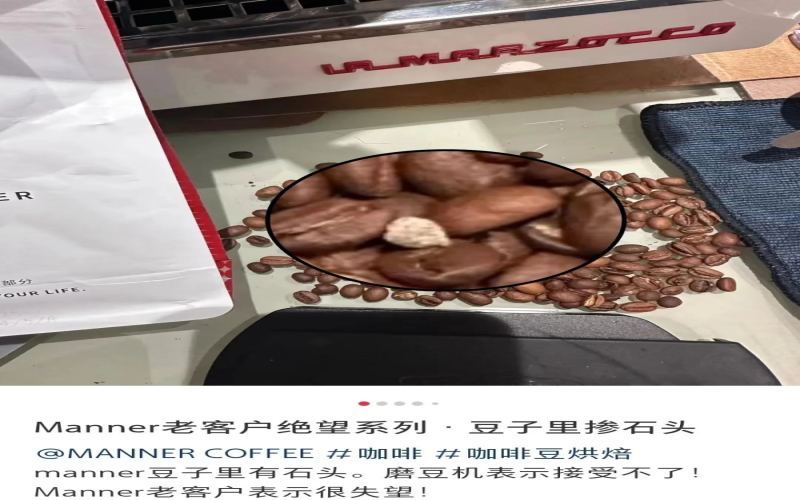
Manner Coffee Beans Found Contaminated with Small Stones Spark Debate: An Analysis of the Brand's Screening Process and Grinder Safety Hazards
Recently, a consumer reported on social media that a small stone was unexpectedly found in the Manner coffee beans they had purchased. Fortunately, they spotted it in time while pouring the beans, preventing it from entering the grinder and causing damage. Although Manner's customer service explained that coffee beans are an agricultural product and defects are inevitable during processing, and emphasized that professional equipment is used to screen out foreign objects during production, this response did not fully satisfy the customer. This incident has also drawn attention among coffee enthusiasts to grinder safety issues—small stones not only affect food safety but can also cause serious damage to the burrs. So, from green beans to roasted beans, how many rounds of screening does coffee actually go through? And how do brands like Front Street Coffee control quality? [more…]
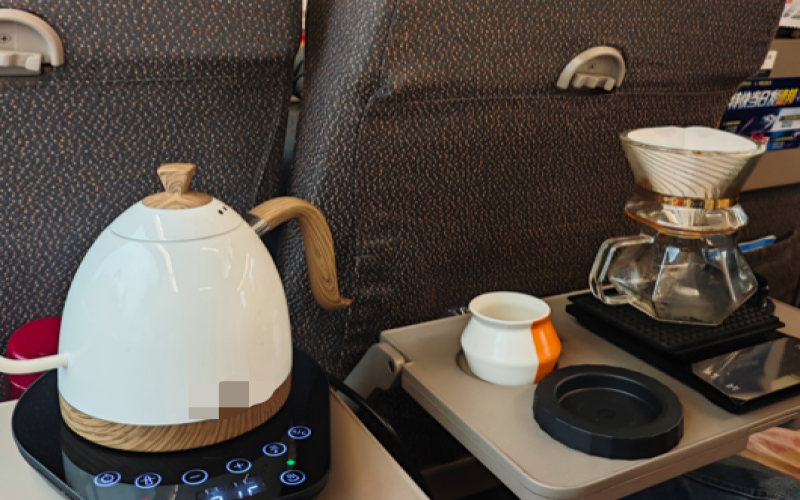
Brewing pour-over coffee with an electric kettle on a high-speed train sparks heated debate — how much do you know about the safety hazards?
During the Spring Festival return travel peak, a netizen on a high-speed train was approached by the young man sitting next to them, who surprisingly pulled out a full set of coffee equipment and used the tray table to boil water and make pour-over coffee. This romantic and novel experience quickly sparked heated discussion online, and the young man himself also posted a response, leading netizens to jokingly call it a "high-speed rail idol drama." However, beyond the gossip and fun, many users pointed out that the power outlets in high-speed train cars have limited wattage, so using a high-power electric kettle carries a risk of overloading, and the train's power supply is unstable, which may damage equipment, or even cause scalding if hot water is spilled when the person in front adjusts their seat. Coffee is good, but safety matters more. [more…]
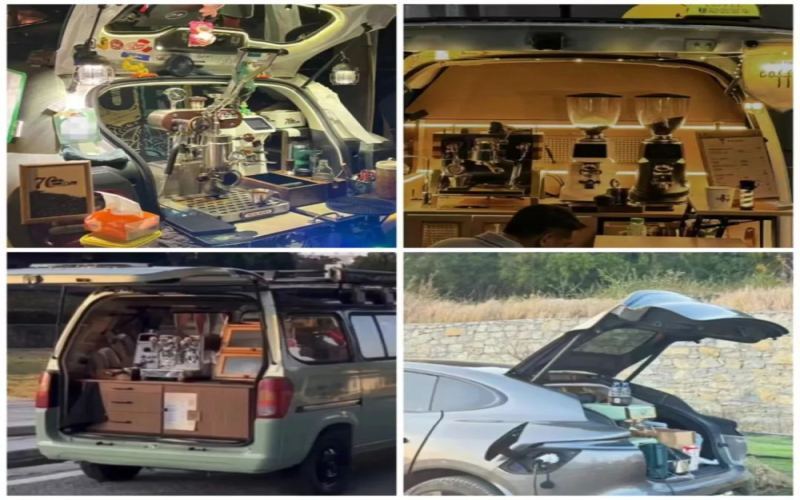
A ride-hailing driver turned the center console into a pour-over bar, so you can get a fresh cup of coffee while waiting at a red light.
Everyone has seen mobile coffee carts, but have you ever seen a coffee bar installed inside a driver's cab, mounted above the center console? A Didi driver had a flash of inspiration and set up a complete pour-over coffee kit in his car, so he could brew himself a cup of hot coffee while stuck in traffic or waiting at a red light, and netizens jokingly dubbed him a "time management master." Some people envy him and want to copy the setup, while others worry that the equipment might tip over during sudden braking, or whether operating it while driving affects road safety. Is this cup of pour-over coffee brewed on the move a charming touch of life or a safety hazard? Front Street Coffee has also taken note of this topic and will walk you through the feasible boundaries of in-car coffee. [more…]

Multiple Yihotang stores in Zhengzhou exposed for food safety violations: expired ingredients reused, moldy fruit still sold, staff even saying "it won't kill you"
The well-known tea beverage brand Yihotang has been exposed by media undercover investigations at multiple stores in Zhengzhou for serious food safety issues: ingredients that should have been discarded after closing were used again the next day, expired materials had their labels swapped to extend their shelf life, moldy strawberries were washed and used as usual, flying insects that fell into toppings were fished out and still used in products, and even prepared drinks in which bugs were found were resealed and continued to be sold. Even more shockingly, the staff were indifferent to this, claiming that "as long as it doesn't kill people, it's fine." After the incident was exposed, Yihotang issued an apology statement, and the stores involved were closed for rectification. Lawyers pointed out that the relevant actions have violated multiple provisions of the Food Safety Law. Netizens reacted differently, with some saying that chaos in franchise stores is common, while others called on the brand to effectively fulfill its regulatory responsibilities. [more…]
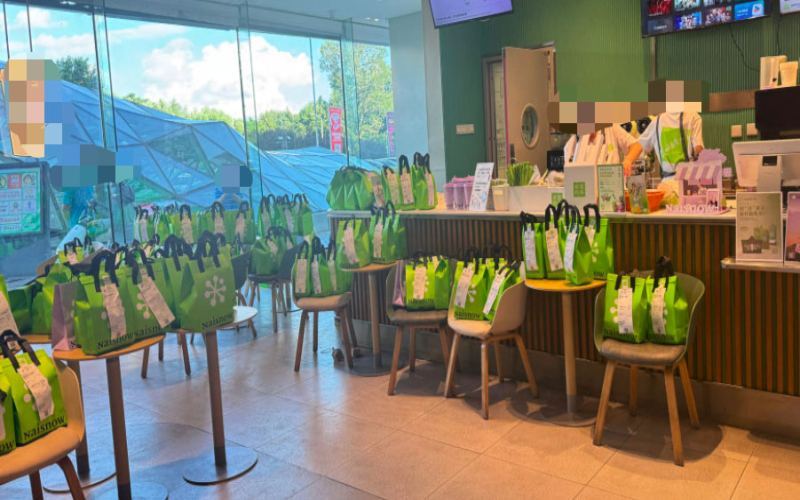
A JD rider entered a Bawang Chaji bar counter to help with packing, sparking heated discussion among netizens over food safety regulations.
Yesterday, the topic of "the first cup of milk tea in autumn" sparked widespread attention on social platforms, with orders at chain tea beverage brand stores surging, and some stores surpassing a thousand cups in sales within a short period. Under the pressure of the order surge, a scene appeared at a Certain Tea store where a JD delivery rider entered the bar area to assist with packing. After the video circulated, it triggered polarized discussions among netizens. Some praised the rider's goodwill in proactively helping, while others questioned whether non-store employees entering the operation area complies with food safety regulations. Surrounding bar operation permissions, health certificate requirements, and store management systems, various viewpoints clashed, and the incident quickly became a hot topic of discussion. [more…]

Introduction to Coffee Starter Equipment | How Can Coffee Newbies Use a Moka Pot to Make Coffee? Moka Pot Usage, Method, Principles, Features, and Coffee Ground Coarseness Introduction
Today, with espresso sweeping the globe, we are no longer unfamiliar with espresso—even passersby can name espresso drinks like Americano, latte, and cappuccino. But the moka pot is rarely used for commercial coffee output; it is mostly used at home, so many friends feel that the moka pot does not belong to the Italian coffee system. [more…]
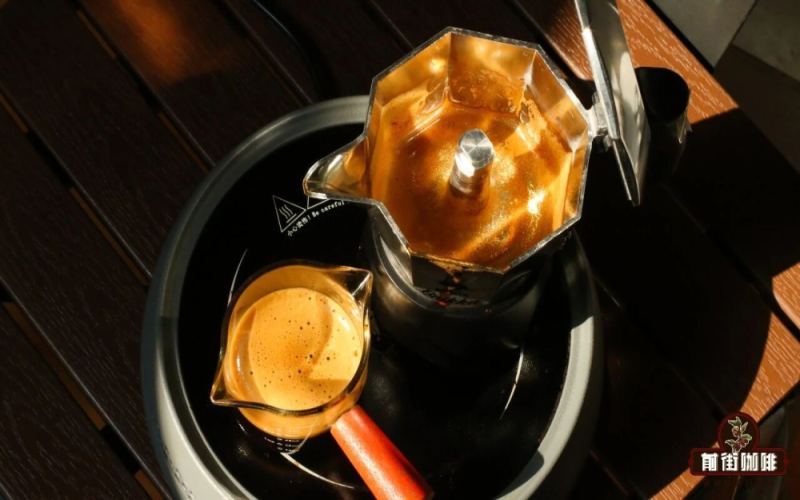
Complete Moka Pot Coffee Brewing Tutorial: Extraction Principles, Step-by-Step Operation, Bean Selection Tips, and Safety Points
Today, with pour-over, siphon, and high-end espresso machines dominating the scene, the moka pot is often labeled as old-fashioned and hard to control. But Front Street Coffee has noticed that, with the spread of home espresso equipment, many enthusiasts are beginning to re-examine this small device that also relies on pressure extraction. This article starts with the structure and working principle of the moka pot, explaining why it was once overlooked and why it has returned to home coffee scenarios, and offers bean selection and grinding advice, a specific process for making milk coffee, as well as safety precautions such as water level control, flow rate judgment, and preventing over-extraction. Whether you have just gotten a moka pot or want to use it more steadily, you can find actionable references in this article. [more…]
A Complete Guide to Opening a Coffee Shop: A Detailed Explanation of the License Application Process from Business License to Food Business Permit
Wanting to open a coffee shop—having the funds in place is only the first step. What really gives many entrepreneurs a headache is the complicated and cumbersome licensing procedures. From business registration and food business permits, to health, tax, and fire safety, and then to the special approvals for alcohol and roasted coffee, every single item determines whether the shop can operate legally. This article will systematically sort out the various certificates and application processes required to open a coffee shop, helping you clarify your thinking and avoid detours. At the same time, we will also discuss practical points such as site selection strategy, startup capital estimation, and equipment procurement. At the end of the article, Front Street Coffee's contact information is attached; you are welcome to exchange ideas on specialty coffee bean selection and shop-opening experience. [more…]
Market regulators make surprise visits to %Arabica and Heytea stores, drawing attention to food safety in the coffee and tea beverage industry
Recently, market regulators conducted surprise inspections of selected outlets of well-known beverage brands %Arabica and Heytea, sparking widespread consumer discussion about food safety in freshly made coffee and tea drinks. The operation focused on raw material storage, operational standards, and hygiene conditions, with the inspection results revealing that some outlets still have room for improvement in detail management. As coffee lovers, we should not only pay attention to flavor performance but also prioritize the safety and quality of beverages. This article will recount the inspection process and findings, and, in conjunction with the product characteristics of brands such as Front Street Coffee, explore how the industry can uphold the bottom line of food safety amid rapid expansion. [more…]
Schultz Takes the Reins at Starbucks Again: Transformation Plan, New Equipment, and Challenges in the Chinese Market
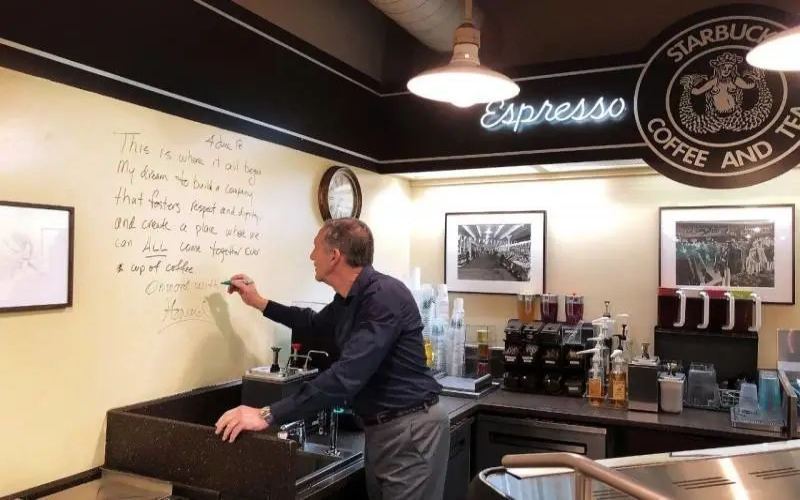
Starbucks founder Howard Schultz has returned as CEO following Kevin Johnson's retirement, facing multiple challenges including the U.S. unionization movement, food safety controversies in the Chinese market, and damage to the brand's image. At the 2022 annual shareholders meeting, Starbucks announced plans for equipment upgrades, beverage innovation, employee pay raises, and store expansion. This article will examine Schultz's transformation strategy after his return, analyze whether he can lead Starbucks out of its difficulties in just half a year, and explore the competitive pressures in the Chinese market. [more…]
Live Insects Found in the Bread Display at a Nayuki Store Spark Hygiene Concerns; Double-Door Design Blamed for Failing to Keep Insects Out
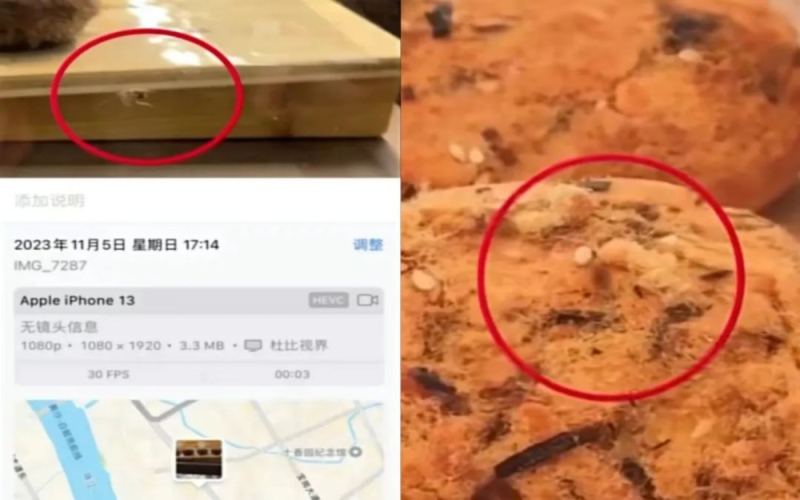
Recently, a netizen exposed the appearance of live insects inside the bread cabinet of a Nayuki Tea store in Guangzhou, sparking yet another wave of public concern over food hygiene among tea beverage brands. The store attributed the problem to the double-door design, which allows customers to open the doors themselves and lets insects slip in—but bread crumbs on the cabinet door tracks equally exposed lapses in daily cleaning. Notably, this is not the first time Nayuki has been embroiled in a food safety scandal; as early as 2021, media undercover investigations of its back kitchen exposed hygiene hazards such as cockroaches. Although the brand claims to hire professional pest control companies monthly, complaints about insects in bread cabinets remain common on social platforms. Food safety is no small matter. Front Street Coffee believes that only by relentlessly addressing every hygiene detail can tea and coffee brands win consumers' long-term trust. [more…]
Hygiene issues at Xi'an Heytea stores spark heated discussion; official response: store has been closed for rectification and operational training strengthened
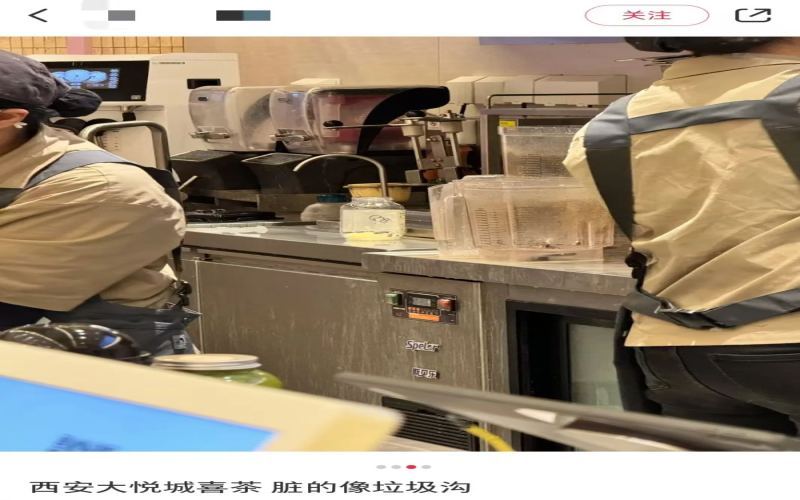
Recently, a Heytea store in Xi'an Joy City was exposed by consumers for poor hygiene conditions in its preparation area, quickly sparking heated discussion online. According to the whistleblower, the store's counter, refrigerators, juicers, and other equipment were covered in milk tea stains, materials were scattered around, and there was even a strong smell of sour rags and rotten fruit. Upon verification, the store was a directly operated location rather than a franchise, which further raised public doubts about Heytea's food safety management. Heytea later issued an apology and announced that the store would be closed for rectification, while also strengthening employee training and optimizing operational standards. This incident has once again pushed the issue of hygiene control in chain tea beverage brands into the spotlight and serves as a reminder for consumers to pay attention to the transparency of beverage preparation environments. [more…]
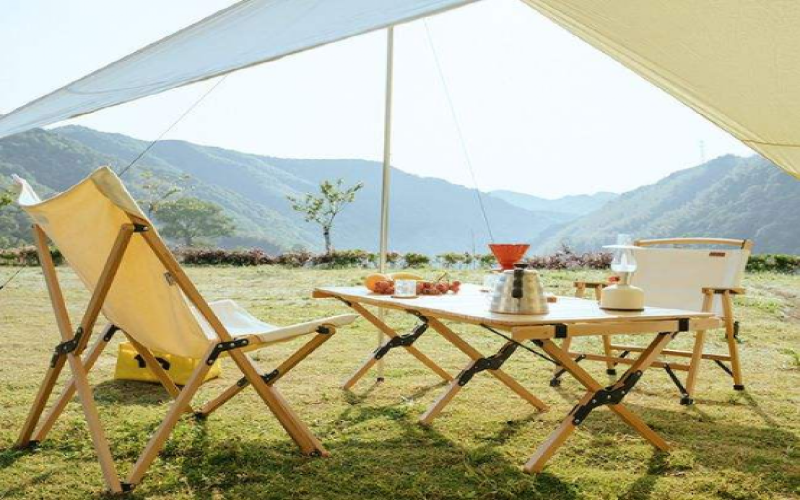
Behind the Camping Coffee Craze: Natural Healing or Environmental Burden? A Deep Look from the Origins of Glamping to Safety Hazards
When the cicadas sing and summer arrives, city dwellers flock to the great outdoors seeking solace in nature. Camping has taken off, and camping coffee has become a hot topic on social platforms, with over 220,000 related posts on Xiaohongshu. Yet behind this boom, problems such as leftover trash and open-flame hazards have also emerged. Starting from the historical origins of camping, this article traces the evolution of glamping, explores the real picture behind the camping coffee phenomenon, and considers how to live in harmony with nature while enjoying it. [more…]
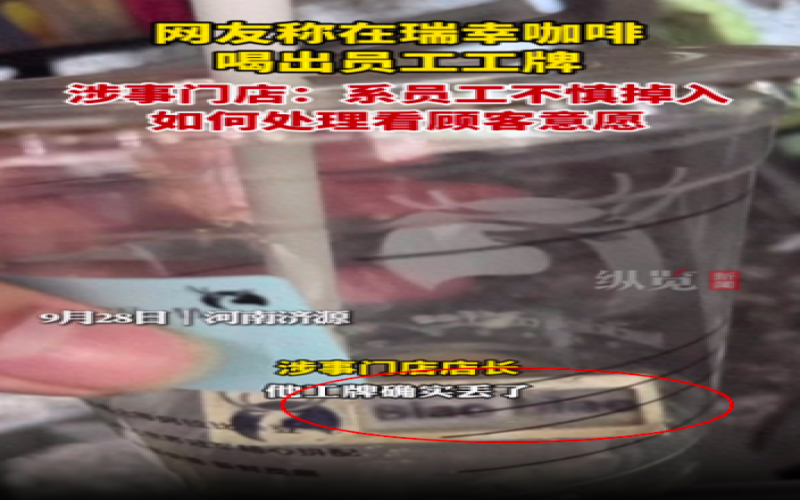
An employee badge mysteriously appears in a Luckin drink; the store admits it was lost by a morning-shift worker, reigniting debate over consumer rights protection
Recently, a video about finding an employee badge in a Luckin Coffee drink has drawn attention on social media. According to a netizen's post, while drinking a Luckin cold beverage, they discovered an employee badge with a staff name printed on it at the bottom of the cup. After media verification, the store involved admitted that an employee had indeed lost a badge, speculating that a loose pin caused it to fall into the drink. At the same time, posts on social media about foreign objects such as flying insects, raw material packaging boxes, and equipment parts appearing in Luckin drinks are not uncommon, and stores mostly compensate consumers with refunds plus coupons, triggering some customers' doubts about the brand's attitude in handling such matters. Some consumers have shared their experiences of defending their rights, ultimately reaching a satisfactory solution through negotiation. This series of incidents has once again pushed the food safety and after-sales handling of chain coffee brands into the focus of public opinion. [more…]
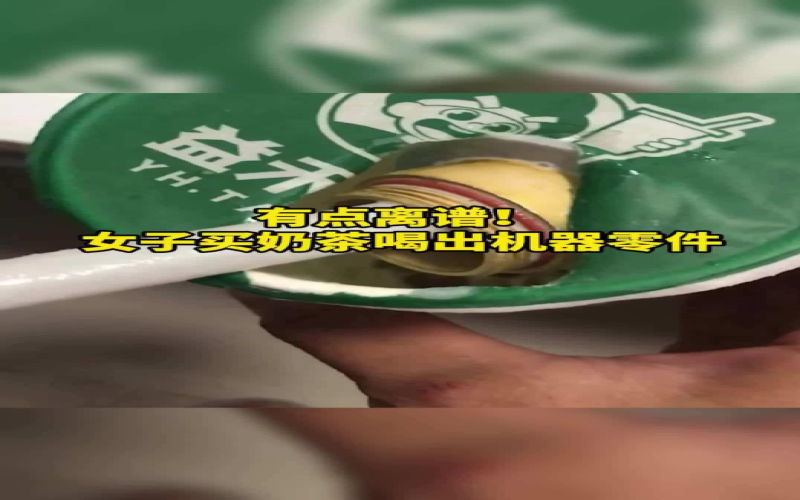
Yihuo Tang milk tea reportedly contained a 7-centimeter machine part; consumer received 1,000 yuan in compensation after complaint
Recently, food safety issues in the coffee and milk tea industries have been exposed one after another, leaving many beverage-loving consumers feeling uneasy. On May 6, Yihuatang made trending searches due to the use of expired and moldy ingredients, and on the same day it appeared twice in Weibo trending searches—a woman in Foshan, Guangdong, found a 7-centimeter-long machine part in her takeout milk tea. After complaints and negotiations, Yihuatang eventually compensated the consumer 1,000 yuan. Meanwhile, some Yihuatang stores in Zhengzhou were also exposed by the media for serious food safety hazards, with employees even saying, "As long as it doesn't kill you, it's fine." This series of incidents once again reminds us that low prices cannot be used as a shield for food safety, and brands must take responsibility for supervising their franchise stores. [more…]