







Search Results for: coffee beans too fresh

Why Does Latte Art Develop Jagged Edges? A Complete Guide from Coffee Bean Freshness to Milk Foam Temperature
Almost every barista who has poured latte art has encountered the situation where dense serrated patterns appear along the edges of the design—seemingly harmless from a distance, but quite unsightly up close. The causes of this problem are not singular; the most common one is that the espresso beans are too fresh, with a high carbon dioxide content. During extraction, a large amount of gas is pressed into the crema, making it rough, thick, and poor in fluidity, making it difficult to blend evenly with milk, which in turn produces a serrated feeling that cannot be pushed open when pouring the pattern. In addition, factors such as milk foam being frothed too thin and milk temperature being too high can also lead to similar phenomena. This article will analyze these causes one by one and provide practical solutions including resting time for beans, milk foam thickness control, and frothing temperature. At the same time, drawing on Front Street Coffee's experience with espresso beans, it helps readers systematically understand and effectively address the problem of serrated latte art patterns. [more…]
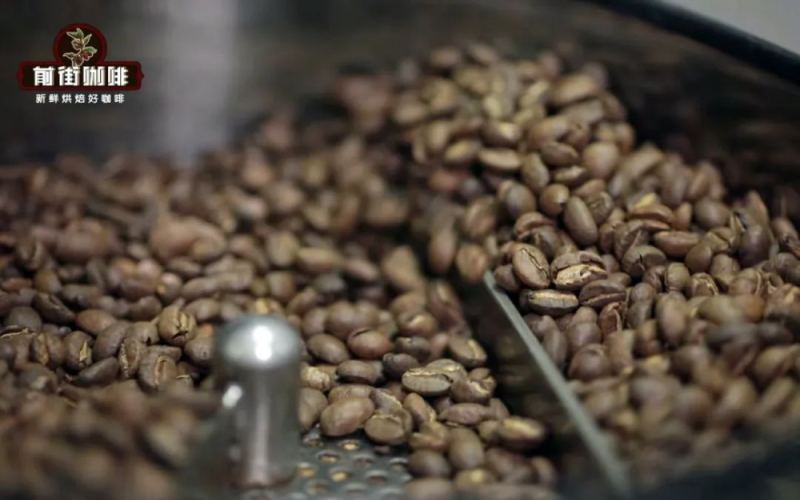
How many days do coffee beans need to rest? A guide to handling overly fresh beans for pour-over and analyzing flavor changes
Freshly roasted coffee beans are not always better the fresher they are. Front Street Coffee points out that about 2% of the coffee bean's weight in carbon dioxide continues to be released after roasting, which both protects the flavor and hinders extraction. When coffee is too fresh, brewing tends to produce large bubbles, a harsh mouthfeel, and grassy, unripe flavors. For medium-light roasted beans, resting is recommended for 4-7 days, while medium-dark roasted beans need 7-10 days. This article explains in detail the double-edged sword effect of carbon dioxide, the flavor defects of fresh beans, and the resting times for coffee beans of different roast levels, helping coffee lovers find the optimal flavor window. [more…]
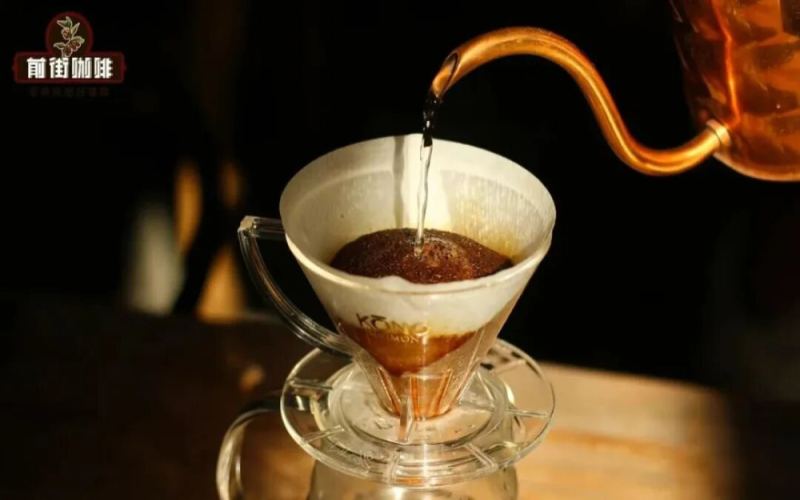
What exactly is the difference between resting beans and awakening beans? Do freshly roasted coffee beans need to be sealed and left to sit?
For coffee enthusiasts chasing flavor, freshly roasted beans are often seen as the top choice, but "too fresh" can also cause extraction problems. Beans straight out of the roaster are full of carbon dioxide inside; if brewed immediately, this gas interferes and makes it hard for flavors to be released evenly. For this reason, some people let the beans rest—known as "resting"—while others try "awakening the beans" or "awakening the grounds" to speed up degassing. In this article, Front Street Coffee sorts out the differences between these concepts, the scenarios they suit, and the key points for handling them, while also reminding everyone: degassing and aroma loss often happen at the same time, and being too aggressive may end up doing more harm than good. If you happen to have a batch of just-roasted beans on hand, it's worth understanding things clearly before deciding how to handle them. [more…]

A Practical Guide to Latte Art on Espresso: How Crema Condition Affects Pouring and How to Adapt
To consistently create beautiful latte art, technique alone is not enough—the condition of the espresso crema is equally crucial. The freshness of the coffee beans directly affects the thickness and fineness of the crema: beans that are too fresh produce rough, clumpy crema, while beans left too long yield crema that is too thin, both of which make latte art much harder to pour. Starting from the condition of the crema, this article shares three practical adjustment techniques: scooping out some of the crema, thinning the milk foam, and pre-infusion, to help you pour patterns smoothly even when the coffee is not in ideal condition. It also introduces Front Street Coffee's Classic Espresso Blend, a bean specially formulated for espresso that produces rich crema and intense flavor, suitable for making latte art at home or in cafés. [more…]
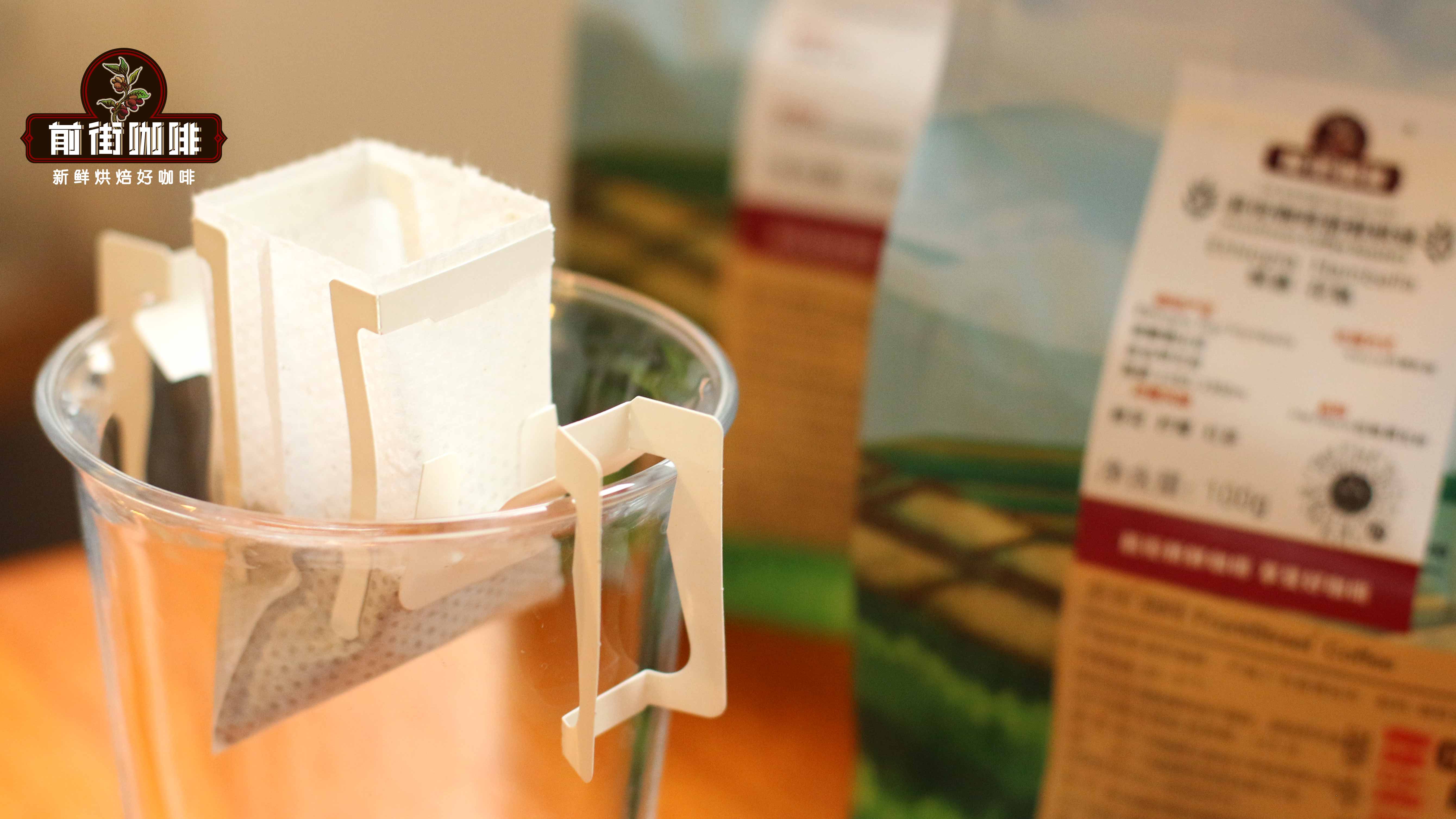
How to Choose and Brew Drip Coffee? Causes and Solutions for Weakened Flavor, Sourness, and Bitterness
Drip bag coffee, with its convenience and freshness, has become the preferred way for many people to enjoy specialty beans in their daily routine. Once the same bean is made into a drip bag, its flavor differs from freshly ground pour-over, because coffee loses its aroma rather quickly after grinding, so it's important to choose fresh products and to finish them within their peak-flavor window. The Front Street Coffee drip bag series is roasted within 5 days and ground fresh to order, locking in the aroma as much as possible. This article focuses on origin selection for drip bag coffee, the standard brewing process, and three common problems—tasting too weak, too bitter, or too sour—analyzing the causes one by one and offering practical adjustment methods to help you consistently brew a delicious cup of drip bag coffee at home. [more…]

Start with the crema appearance of espresso to quickly diagnose several common extraction problems.
That delicate golden foam on the surface of espresso is called Crema in Italian, while baristas in China habitually refer to it as "oil." It is not only a visual pleasure but also a mirror reflecting the state of extraction. Starting from the essence of crema, this article explains whether it is actually oil or bubbles, how to achieve ideal Crema, and focuses on teaching everyone to quickly judge whether Espresso extraction has gone wrong by observing the thickness, color, and texture of the crema—whether the beans have been stored too long, the roast level is too light, or they are too fresh and causing excess gas. By mastering these techniques, you too can see the state of espresso at a glance in front of the bar, adjust parameters in time, and produce more consistent results. [more…]
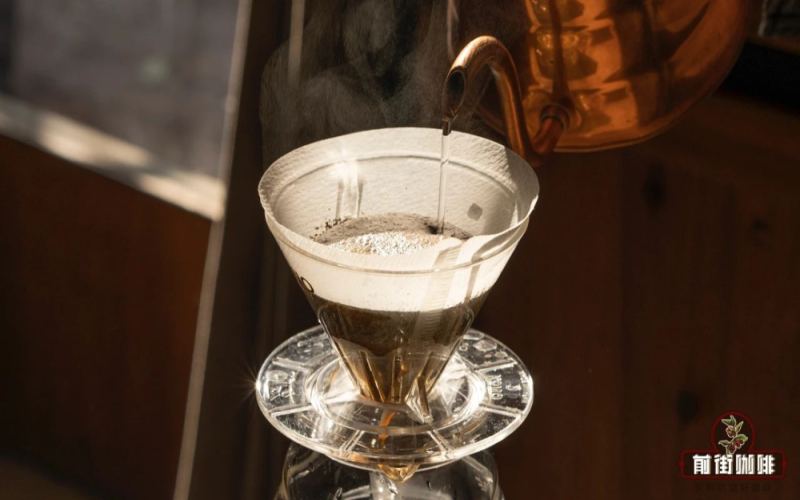
Why Freshly Roasted Coffee Beans Shouldn't Be Brewed Immediately: Explaining the Causes of the Locked-Gas Effect and Throat Dryness, and How to Cope
Many coffee enthusiasts, upon getting freshly roasted beans, can't wait to brew a cup, only to find the flavor flat, the body thin, and even a dry, uncomfortable throat afterward. The key behind this lies in the large amount of carbon dioxide remaining inside the coffee beans after roasting, as well as the smoky, pungent sensation brought by high-temperature roasting. This article will delve into why fresh coffee beans need to "rest" before brewing, how carbon dioxide interferes with the extraction process, and the true source of that dry throat sensation. At the same time, Front Street will also share a few practical methods to help you still brew a relatively ideal flavor even when the beans are too fresh. [more…]
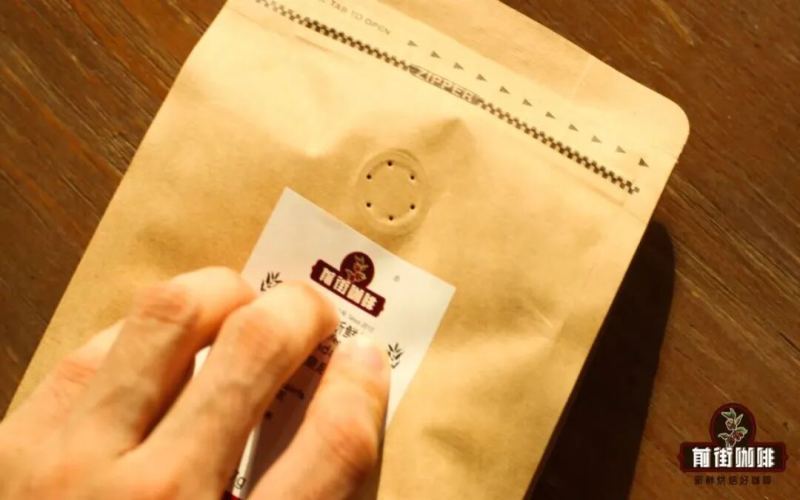
Coffee Bean Resting | Why does coffee need to "breathe" after grinding? Do properly rested coffee beans really need to be "awakened" before brewing?
To achieve good flavor, we should choose freshly roasted coffee beans—this is a consensus we reached long ago. Based on experience, when coffee beans are in the "too fresh" stage (0–2 days after roasting), we "rest" them, meaning leaving them untouched until they have degassed slightly before brewing and extracting, so that the coffee's flavor will [more…]
COSTA Coffee Golden Rules Explained: From Crema and Temperature to Milk Foam, Learn to Identify a Quality Cup of Coffee
Every year, the world drinks over 400 billion cups of coffee, making it one of the most widely consumed beverages. But no matter how many varieties there are or how different the brewing methods, the pleasure brought by good coffee and the disappointment caused by bad coffee are often separated by just one small sip. This article is compiled from COSTA Perfect Coffee Family, systematically sorting out the key points for judging the quality of coffee—from coffee bean ratios, freshness, extraction timing, handcrafting, volume, appearance, aroma, and temperature to mouthfeel—and providing the "coffee golden rules" for espresso, cappuccino, and latte, to help coffee lovers quickly identify a good cup of coffee when ordering in daily life. [more…]
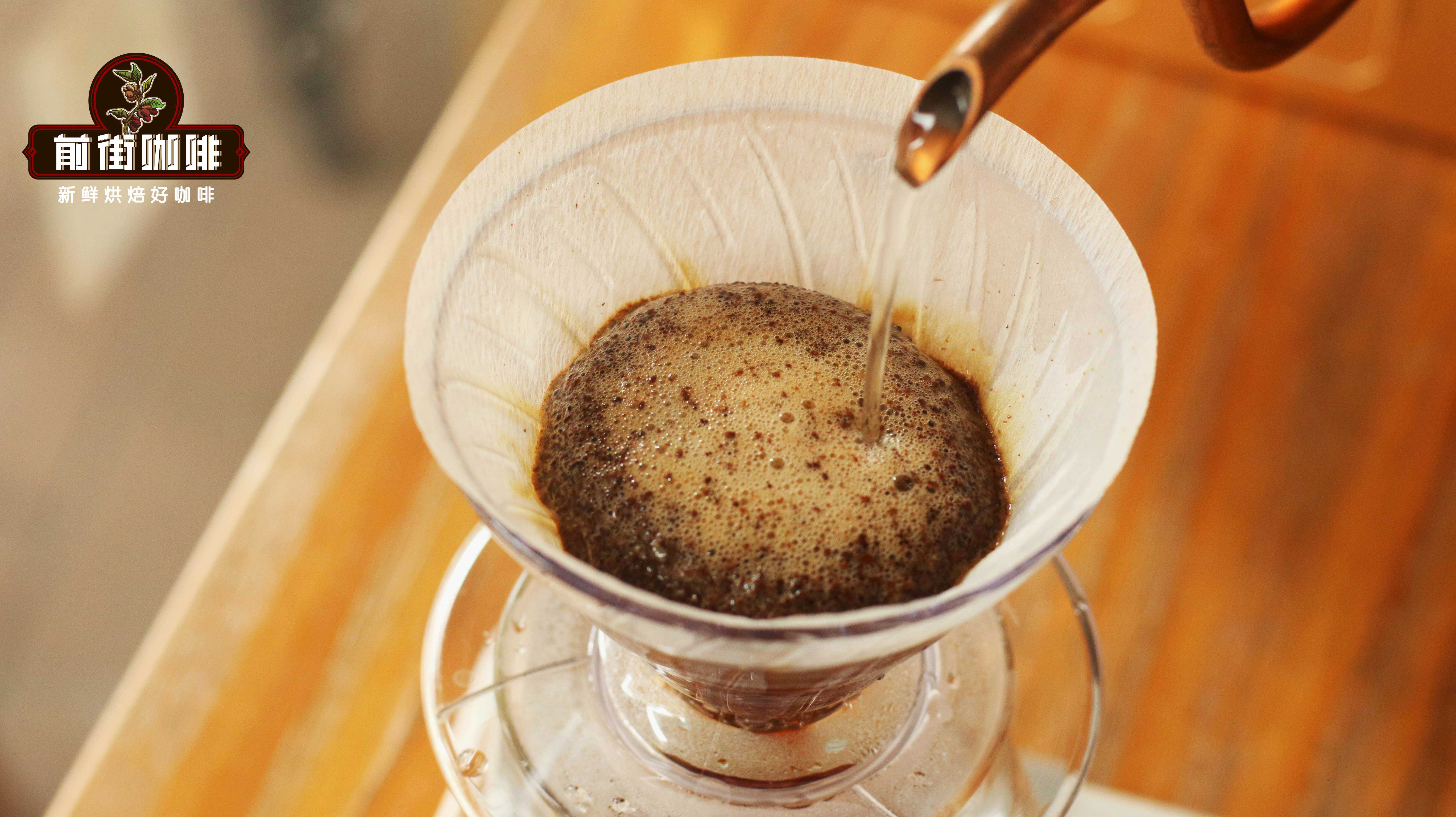
A Complete Step-by-Step Guide to Pour-Over Coffee for Beginners: Six Key Variables from Bean Freshness to Extraction Time
Pour-over coffee may seem complicated, but every pour is actually full of a soothing sense of ritual. Yet mood swings, pouring rhythm, grind size, water temperature… a deviation in any one of these will make the final flavor vastly different. The six major factors affecting pour-over extraction—coffee bean freshness, grind size, coffee-to-water ratio, brewing water temperature, pouring technique, and extraction time—are all interconnected, and pulling one thread moves the whole system. In this article, Front Street will break down one by one the specific mechanisms by which these six variables affect flavor, and provide grind sifting-rate recommendations for light-roast and medium-dark-roast beans, a coffee-to-water ratio range of 1:14 to 1:18, water temperature references of 90-91°C and 88-89°C, and a complete demonstration of three-pour brewing, to help beginners build a stable, reproducible brewing framework. [more…]

Why Does Latte Milk Foam Disappear Too Quickly? An Analysis of the Causes Behind Poor Latte Art Results with Light-Roast Espresso Beans
Milk foam will eventually dissipate, but the speed at which it does so varies significantly. Some people's latte art patterns last a long time, while others' become unrecognizable in less than ten minutes. Behind this lie both material factors such as coffee beans and milk, as well as steaming technique and bean freshness. Drawing on Front Street Coffee's practical experience, this article analyzes the three key factors affecting milk foam stability: the roast level of the coffee beans, the quality of the milk foam steaming and the milk temperature, and the degassing state of the coffee beans, and offers actionable improvement methods to help you create longer-lasting latte art patterns and more stable milk coffee. [more…]
How Long is the Freshness Period of Green Coffee Beans? Distinguishing New Beans, Old Beans, Aged Beans, and Vintage Beans, and Key Storage Points
Many coffee enthusiasts know that roasted beans should be drunk fresh, but green beans also have their own levels of freshness. Beans harvested in the current year are called new crop, those from the previous year are old crop, and those stored for more than a year are aged beans. The moisture content of green beans directly affects roasting difficulty and flavor performance. Washed beans usually range between 11.5% and 12.5%, wet-hulled Mandheling can reach 13%, and sun-dried Mocha varies widely. Beyond the usual freshness changes, there are also deliberately extended aging processes and monsoon-aged weathered coffees. This article focuses on the freshness classification of green beans, differences in moisture content, methods for judging appearance and aroma, and the handling logic behind aged beans and monsoon beans, to help you make more accurate judgments when buying and storing. [more…]

Espresso with little or no crema? A step-by-step analysis of the causes, from freshness and roast level to extraction parameters.
The golden layer of crema on the surface of espresso is often regarded as an important signal for judging the state of extraction. Under normal circumstances, the concentrated liquid will be covered by a golden crema about one-third of its thickness, showing a creamy texture when swirled, with noticeable clinging to the cup wall. If the extracted coffee lacks crema or has thin crema, it often indicates that something in the process has gone wrong—it could be the condition of the coffee beans themselves, or deviations in machine pressure, grind size, or water temperature. This article analyzes multiple factors affecting the amount of crema, including coffee bean freshness, roast level, degree of extraction, coffee machine pressure, and varietal differences, and provides diagnostic approaches for five common problem scenarios. The article also introduces Front Street Coffee's related products in fresh roasting and espresso blends. [more…]

Why is a latte not suitable for removing the ice? Is it okay to add ice cubes to hot coffee—hot coffee with fresh milk actually only has a room-temperature mouthfeel.
Many people's memory of their first latte has already faded, but Front Street Coffee still remembers the surprise brought by that cup of latte with exquisite latte art: the first sip carries the slight sweetness and bitter notes of the crema, the second sip turns mellow and delicate, forming just the right balance with the light sweetness of hot milk, and the finish still carries a creamy chocolate-like aftertaste. A good cup of latte cannot do without the fixed ratio of milk to coffee. An iced latte, once the ice is removed, often has the gap filled with milk, and the coffee flavor becomes weaker as a result; a hot latte is already made at the perfect ratio with the milk temperature properly controlled, so it is naturally not suitable to add ice cubes. This article centers on the latte recipe, analyzing the causes of common problems such as being too bitter, too watery, or both bitter and weak, and provides the practical parameters and adjustment ideas from Front Street Coffee's stores. [more…]

Why Does Latte Milk Foam Disappear Quickly? A Comprehensive Analysis from Coffee Crema and Milk Foaming to Pouring Techniques
Just finished pouring latte art, and within two minutes the milk foam breaks down into big bubbles? Many friends who make milk coffee have encountered this frustration. Why does a latte with fine, silky milk foam disintegrate so quickly? In fact, the cause may lie in three areas: the freshness of the coffee beans, the quality of the milk frothing, and the pouring technique. This article will analyze the causes of rapid milk foam breakdown one by one—from the stability of coffee crema, the fineness of milk foam and temperature control, to the technique of combining coffee and milk—and offer practical ways to avoid it. It also recommends Front Street Classic Blend and Front Street Dark Cocoa Base Blend, which are ideal for latte art, helping you easily extract fine crema and make your latte art patterns more durable and stable. [more…]

Analysis of the Reasons for Thin Espresso Crema and Recommendations of Coffee Beans Suitable for Espresso Machines
When extracting espresso with a coffee machine, watching the golden, rich crema flow out slowly is the most enjoyable moment for many coffee lovers. But if one day you find the crema has become thin or even almost disappeared, and the flavor of the output has also plummeted, the problem often lies in a few key areas. This article analyzes the causes of thinning crema one by one from five aspects: the freshness of the coffee beans, the machine's pressure setting, the grind size and dose, the extraction water temperature, and the roast level of the beans, and offers corresponding adjustment ideas. At the same time, taking into account the characteristics of home coffee machines, it recommends blend bean options suitable for making espresso and milk coffee, helping you maintain consistent performance in your daily brewing. [more…]

Basic Knowledge for Pour-Over Coffee Beginners | Is Blooming Essential in Pour-Over Coffee? What Is the Purpose of Blooming Coffee Grounds by Pouring Water? How Do You Adjust the Coffee-to-Water Ratio in Pour-Over Coffee?
Front Street Coffee often encounters many pour-over beginners who ask a question: Why does pour-over coffee need blooming? The most indispensable step in pour-over coffee is the blooming stage. The purpose of blooming is to allow the coffee to release gases and ensure even extraction, and it also clearly reveals whether the beans being brewed are fresh. Front Street Coffee focuses on fresh [more…]
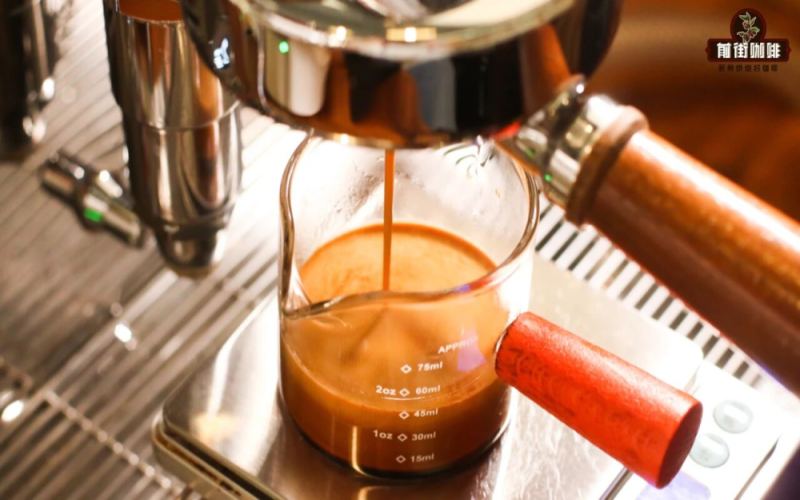
Summary of Reasons for Espresso Crema Extraction Failure: Key Judgments Based on Color Depth and Crema Thickness
The golden-yellow oil on the surface of espresso, known as crema, is regarded by many coffee lovers as the soul symbol of a good shot. Under normal conditions, the liquid should be covered by a golden-yellow crema layer about one-third thick, with a creamy texture when swirled and a clear cling to the cup wall. However, many people encounter thin or even completely missing crema in practice, which may involve multiple variables such as coffee bean variety, roast level, freshness, grind size, water temperature, and coffee machine pressure. Front Street Coffee has systematically sorted out these common issues, analyzing everything from bean selection to equipment parameters one by one, to help everyone quickly pinpoint the problem in the extraction process and bring back that alluring golden-yellow crema. [more…]

Pour-Over Coffee Tips | Freshly Roasted Coffee Beans, Freshly Ground Coffee: How to Brew a Delicious Black Coffee? Ethiopian Washed Gutingding Black Coffee Pour-Over Parameters Shared
With the growing popularity of specialty coffee culture, more and more coffee enthusiasts are starting to study at home how to brew pour-over coffee in order to bring out the flavor of single-origin coffee beans, but they don't know how to do it. They always feel that the coffee they brew doesn't taste as good as what they drink in a café. So how can you brew out the flavor of a single-origin coffee bean? [more…]
Espresso with thin or no crema? A comprehensive troubleshooting guide from coffee beans to the machine
The golden, dense layer of crema on the surface of espresso is often regarded as an important sign of a successful extraction. Many coffee enthusiasts find in practice that the espresso they brew either has thin crema or none at all. This may involve multiple factors such as the freshness of the coffee beans, the degree of roast, the choice of variety, the grind size, the water temperature, and the pressure of the espresso machine. In response to these common concerns, Front Street Coffee has sorted out the various factors that may cause a lack of crema, and combined them with the formulation approach of a classic espresso blend to help everyone troubleshoot the problem one by one, so that every cup of espresso can present the ideal state of crema. [more…]