







What Do You Call Grinded Coffee Beans and How Does Crema Show Extraction?
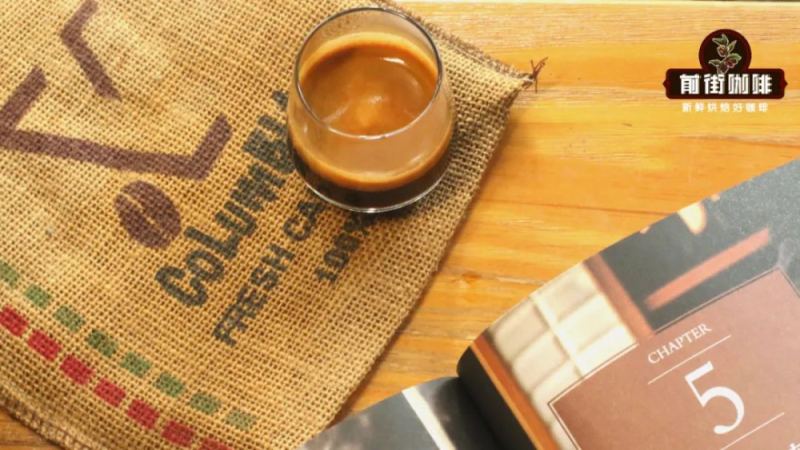
Crema is the golden foam on a freshly pulled espresso, and its thickness, color, and texture show how extraction went. The lighter top layer is not oil but countless tiny bubbles, formed when pressure wraps insoluble coffee oils and carbon dioxide together. Read the foam to spot stale beans, too light a roast, or beans so fresh the gas is excessive.
Leave a shot for about an hour and carbon dioxide escapes, the crema collapses, and a reflective film of true coffee oil remains. For a fine, even, golden crema, choose beans with enough carbon dioxide, such as medium-dark roasts within 45 to 60 days of the roast date, or a fresh espresso blend containing some Robusta. What do you call grinded coffee beans? Grounds, and grind size also shapes the foam.
That delicate golden foam on the surface of espresso is called Crema in Italian, and domestic baristas habitually call it "oil." It is not only a visual delight but also a mirror reflecting the extraction state. Starting from the essence of crema, this article explains whether it is oil or bubbles, how to obtain ideal Crema, and focuses on teaching everyone to quickly judge whether Espresso extraction has problems by observing the thickness, color, and texture of the crema—whether the beans have been stored too long, the roast level is too light, or they are too fresh causing excessive gas. Mastering these techniques, you too can see through the state of espresso at a glance at the bar, adjust parameters in time, and produce more consistent output.
Is that layer of "crema" on top of Espresso really oil?
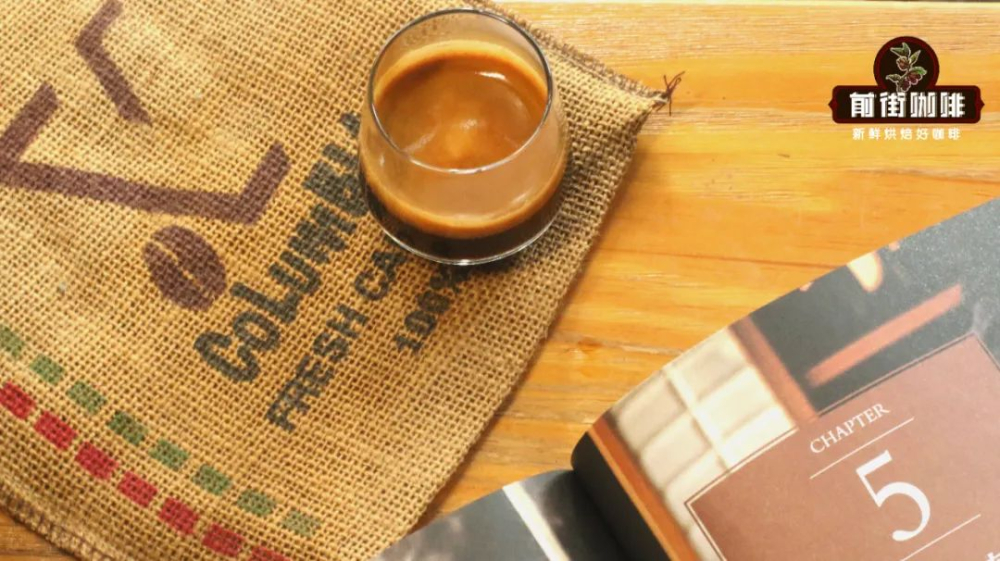
After freshly extracted espresso sits for a moment, you will see that the lighter-colored upper part is actually composed of countless tiny bubbles. These bubbles are formed when the high pressure provided by the coffee machine during extraction wraps insoluble oils and carbon dioxide from the coffee grounds together. In Italian it is called "Crema," while most domestic baristas habitually call it "oil."
If a shot is left for an hour or so, the carbon dioxide will gradually dissipate, and the Crema will collapse along with it. At this point you can see a clearly reflective substance floating on the surface of the coffee liquid—that is coffee oil in the true sense.
How can Espresso have a beautiful Crema?
Ideal Crema appears golden yellow, with a fine surface and even color. When gently swirled, it is as smooth as cream and has a strong cling to the cup wall. It not only enhances the visual appeal of espresso, but also enriches the mouthfeel and aroma during tasting, protects the coffee flavor, and when making hot milk coffee, it also helps with latte art integration and supports the pattern. Perhaps it is precisely for these reasons that countless people persistently pursue a perfect Espresso.

Based on past extraction experience, if you want to obtain a rich Crema, when selecting beans you should give priority to coffee beans with high crema richness and sufficient carbon dioxide, such as medium-dark roasted beans within their optimal flavor period (45–60 days), or fresh espresso blend beans containing a certain proportion of Robusta beans. Once the right beans are chosen, you also need fresh grinding, stable high temperature, sufficiently large extraction pressure, and reasonable extraction parameters. Only when these key conditions are met can you obtain an Espresso rich in dense crema.
Overall, the fresher the beans, the darker the roast level, and the greater and more stable the equipment pressure, the better the coffee crema performs. Below we will analyze specifically how Front Street teaches everyone to judge the state of Espresso by observing the form of the crema, thereby solving various common problems in extraction.
No crema at all, or thin crema: The problem is very likely that the beans have been stored too long (including improper storage and coffee beans being ground into powder in advance). The longer the storage time, the more frequent the gas exchange between the coffee beans and the air, the more carbon dioxide is lost, and the less coffee crema is ultimately presented. Secondly, insufficient pressure from the coffee machine, low temperature, too coarse grinding, insufficient tamping force... are also causes of too little crema.
Crema looks whitish: If the espresso crema you extract has decent thickness but lacks a golden color and the overall taste is rather sharply acidic, then it is very likely because beans with a lighter roast level were used. For example, when Front Street uses Kochere coffee beans, which are known for fruity acidity, to make espresso, because the grinding degree was not found correctly, it led to under-extraction, and the coffee showed an unpleasant sourness and astringency, accompanied by whitish crema.
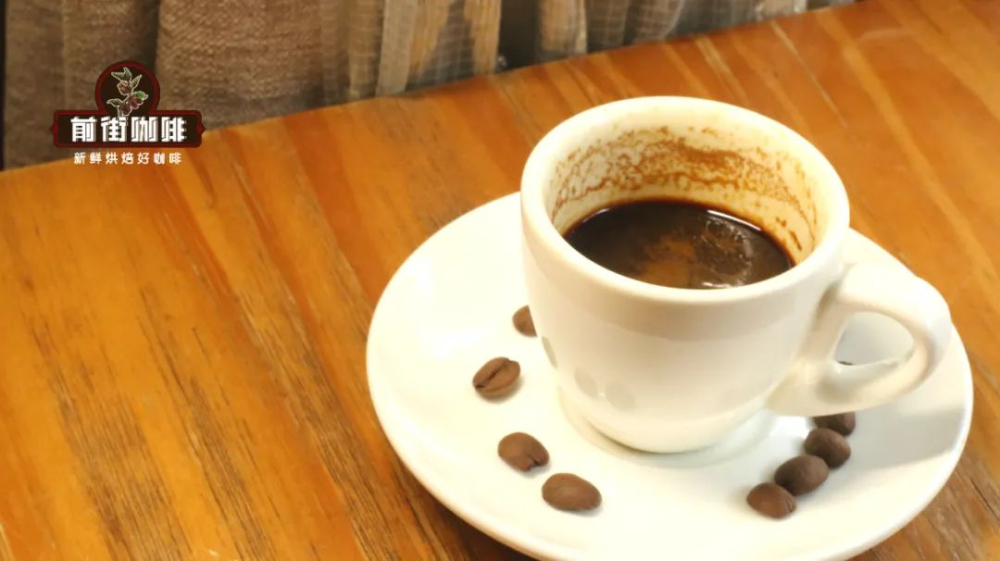
Crema is rough, bubbly, and clumpy: This kind of espresso Crema usually appears visibly "lumpy," often lasts only a very short time and dissipates quickly, and has poor fluidity, just like milk foam we have steamed too old, difficult to spread and integrate.
This is because the coffee beans are too fresh and contain too much gas. Freshly roasted beans contain a large amount of carbon dioxide. When a large amount of gas is forced into the coffee liquid, the emulsified oils cannot completely wrap around them, thus forming a phenomenon of first bursting bubbles and then clumping. Once returned to normal temperature and pressure, the unstable bubbles quickly collapse over time. If you also encounter this situation, it is recommended to let the beans rest before extraction (7–10 days).
Front Street Coffee (FrontStreet Coffee)
No. 10, Baoqian Street, Yandun Road, Dongshankou, Yuexiu District, Guangzhou, Guangdong Province
The above content is compiled by CoffeeHunters, a coffee news website.


