








When to Grind Coffee Beans After Roasting?
Freshly roasted coffee beans hold a large amount of carbon dioxide, so brewing them within zero to two days of roasting often gives uneven extraction and a sharp roasted smell. The common fix is resting the beans: keep the bag unopened and let gas escape for a few days before grinding and brewing. A newer practice, sometimes called awakening the grounds, means grinding in advance and leaving the powder at room temperature for tens of minutes or up to a day to speed degassing.
The tradeoff is that degassing and aroma loss happen together, so aggressive handling can cost flavor. When deciding when to grind coffee beans and how long to grind coffee beans ahead of brewing, roasters and drinkers weigh how much gas remains against how much aroma is left. Beans that are too fresh benefit from a short wait; beans already past their peak need no delay at all.
For coffee lovers chasing flavor, freshly roasted beans are often seen as the first choice, but "too fresh" can also bring extraction troubles. Freshly roasted coffee beans are full of carbon dioxide inside; if brewed immediately, the gas interference makes it hard for flavors to be released evenly. For this reason, some people use "bean resting" to let them sit, while others try "bean awakening" or "ground awakening" to speed up degassing. In this article, Front Street sorts out the differences between these concepts, their applicable scenarios, and key operational points, while also reminding everyone: degassing and aroma loss often happen at the same time, and handling things too aggressively may end up doing more harm than good. If you happen to have a batch of just-roasted beans on hand, it is worth understanding things clearly before deciding how to handle them.

To enjoy a cup of coffee with outstanding flavor, prioritizing freshly roasted beans has almost become common consensus. However, based on everyday experience, when coffee beans are in the "extremely fresh" stage—that is, within zero to two days after roasting—we usually let them "rest" first: keep the packaging unopened and wait for them to release some gas before extraction, and the final cup will taste better.
However, recently Front Street has noticed another approach to dealing with "coffee that is too fresh"—grinding the beans into powder in advance and leaving them at room temperature for several tens of minutes, or even a whole day, to speed up degassing. It is said that this allows the coffee to release flavor compounds more evenly during extraction, and people call this practice "ground awakening."
Why "awaken the grounds"?
In many previous articles, Front Street has explained that coffee beans undergo a series of chemical and physical changes during roasting, which we can collectively call the "Maillard reaction," including the result that each bean accumulates a large amount of carbon dioxide. When just out of the roaster, coffee beans give off a pungent, irritating roasted smell, and the gas inside is very active. If brewed immediately at this point, the gas will continue escaping as hot water is poured into the coffee bed, thereby hindering extraction, and flavor compounds are also difficult to dissolve out smoothly. This is precisely why the practice of "bean resting" came about.
However, sometimes coffee beans are still in an "extremely fresh" state—for example, just roasted, or only one to three days after roasting—yet we are eager to taste them and do not want the active gas to interfere with extraction. So some people proposed the concept of "bean awakening": pour the coffee beans out of the bag, or simply open the bag, and let them come into direct contact with air, thereby speeding up the release of carbon dioxide. How long to awaken them depends on the condition and intended use of the beans, generally ranging from a few hours to one day.
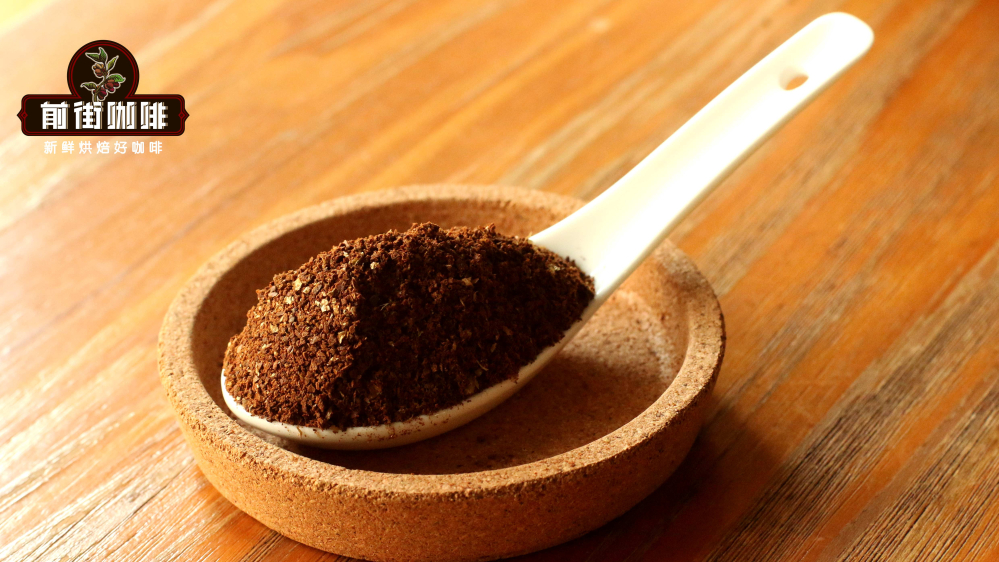
But then again, coffee beans are ultimately a complete entity, and their structure remains tight, so carbon dioxide can only be released slowly outward. Therefore, if they are exposed to air for too long, problems such as absorbing odors or moisture may occur. So some people thought of using pre-grinding to speed up carbon dioxide release, thereby eliminating this portion of gas interference with extraction.
Do rested coffee beans still need to be "awakened"? How to correctly "awaken the grounds"?
Reading up to here, it is actually not hard to see that whether "resting" or "awakening," both are last-resort measures when coffee beans are very fresh. In other words, if the coffee beans have already gone through several days of degassing, then there is no need to intervene through "awakening." For example, the coffee beans sent out by Front Street are all roasted within five days, and adding the time spent on logistics and transport, the beans everyone receives are usually three to five days after roasting. If you want to experience the coffee's good state (freshness), then you can enjoy it directly at this point.
But if the coffee beans you receive were roasted within three days, and after grinding you can smell a very obvious pungent, roasted odor, or the brewed coffee even carries a strong drying sensation, then it is most likely caused by the beans being too fresh. In this case, "awakening the grounds" can serve as an efficient emergency measure.
However, we need to know that once coffee beans are ground into powder, their surface area increases by more than a thousand times compared with before, and the finer the grind, the greater the increase in surface area. Some studies show that within one and a half minutes after coffee beans are ground, nearly seventy percent of the gas has already been released. Therefore, using the "ground awakening" method carries certain risks: although it helps us speed up degassing, it also causes the aromatic substances in the coffee to volatilize faster, and with a slight misstep, the result can be more loss than gain.
In this regard, Front Street suggests that when "awakening the grounds," everyone should try not to be too aggressive and can adjust based on changes in aroma. For coffee beans that are "too fresh," first grind them into powder and cover them to prevent foreign matter from falling in, then leave them at room temperature for five to twenty minutes. Smell them once every four to five minutes to feel the changes at each stage, until the smell given off by the coffee grounds gradually turns from pungent and irritating to clear and soft; then we can begin brewing.
The above content is compiled by CoffeeHunters, a coffee news website.


