








Why does coffee froth disappear so quickly?
Foam disappears quickly when it is unstable, and stability comes down to three things: the roast level of the coffee beans, the quality and temperature of the frothed milk, and the degassing state of the beans. Light roasts keep more acidic substances, which stimulate the foam and accelerate its breakdown. Choosing darker beans, frothing well, and using properly rested beans all slow that breakdown and keep latte art visible longer.
Roast level is easy to overlook. Darker beans go through a longer roasting process, during which most internal acidic substances decompose, so the extracted coffee stimulates the foam less and it breaks down more slowly. Whole milk also produces more stable foam than lower-fat milk, while milk temperature and frothing technique control bubble quality. Together these decide whether latte art falls apart within ten minutes or stays clear much longer.
Milk foam will eventually dissipate, but the speed varies significantly. Some people's latte art can last a long time, while others' designs are unrecognizable within ten minutes. Behind this are material factors like coffee beans and milk, as well as frothing technique and bean freshness. Drawing on Front Street's practical experience, this article analyzes the three key factors affecting milk foam stability: coffee bean roast level, milk foam frothing quality and milk temperature, and coffee bean degassing state, and offers actionable improvement methods to help you create longer-lasting latte art and more stable milk coffee products.

Milk foam will ultimately dissipate, but the rate of dissipation varies by situation. If you don't drink your coffee too quickly, you may have already noticed: some lattes' foam dissipates extremely slowly—even after sitting for a long time, only the color changes slightly, and the latte art outline remains clearly visible; while other lattes dissipate rapidly—within ten minutes, large bubbles appear on the surface, and the pattern quickly breaks apart and gradually disintegrates.
The root cause of this difference lies in the varying stability of the milk foam. Highly stable foam resists breaking and naturally lasts longer; less stable foam breaks apart quickly. This involves both raw material factors and operational technique. Therefore, Front Street today will share a few practical tips to improve milk foam stability, so that the foam and latte art you make can also "preserve their youth" and last without dissipating. 1. Coffee Bean Roast Level Previously, in another article about milk foam, Front Street mentioned that one reason foam dissipates too quickly is related to the materials used—for example, milk: whole milk's foam stability is superior. Beyond that, the influence of coffee beans cannot be overlooked either. When the coffee beans you choose are on the lighter roast side, the foam dissipates relatively faster. The reason is that light-roasted beans still retain more acidic substances, which stimulate the foam and accelerate its breakdown. Therefore, the lighter the coffee bean roast, the faster the foam typically dissipates.

In other words, if you want to slow down foam dissipation and make latte art last longer, we can turn to darker-roasted coffee beans. These beans undergo a longer roasting process, during which a large amount of internal acidic substances has already decomposed, so the extracted coffee's stimulation of the foam is greatly reduced, and the foam's breakdown rate naturally slows down.
If you are looking for a coffee bean suitable for latte art, Front Street would recommend the Front Street Classic Espresso Blend from the Front Street flagship store. Front Street wanted to create a bean with excellent flavor and mouthfeel while also extracting rich crema, so they selected aromatic Mandheling, smooth and mellow Brazil, and crema-rich Robusta, blending the three together. The espresso extracted this way has both thick crema and rich aromas of chocolate, caramel, and creamy nuts—perfect for making lattes, Americanos, or for latte art!
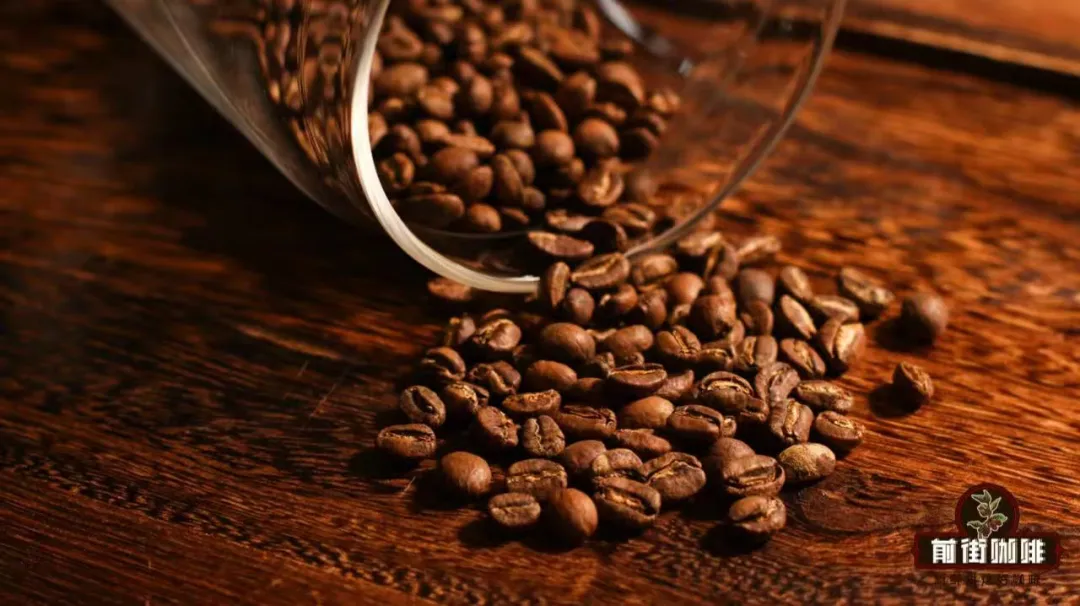
2. Milk Foam Quality The second detail to pay attention to is the quality of the milk foam itself. Many people's lattes dissipate too quickly because the foam isn't fine enough—insufficient texturing time during frothing results in foam that, while free of visible large bubbles, has a rough texture and is not ideal in quality. In this case, Front Street suggests appropriately extending the texturing time. Specifically: before frothing the milk, refrigerate it for a while to lower its temperature, which buys you more texturing time, making the foam finer and its stability higher.
Second, the milk temperature should not be too high. High temperatures accelerate foam breakdown, and when the temperature climbs to a certain point, the milk's sweetness, mouthfeel, and even foam quality all decline—this is because high temperatures destroy certain substances in the milk, triggering these negative changes. Therefore, Front Street recommends keeping the milk temperature at around 60°C, and preferably not exceeding 70°C. This avoids rapid foam dissipation while also bringing out the milk's sweetness, giving the coffee a better flavor expression.
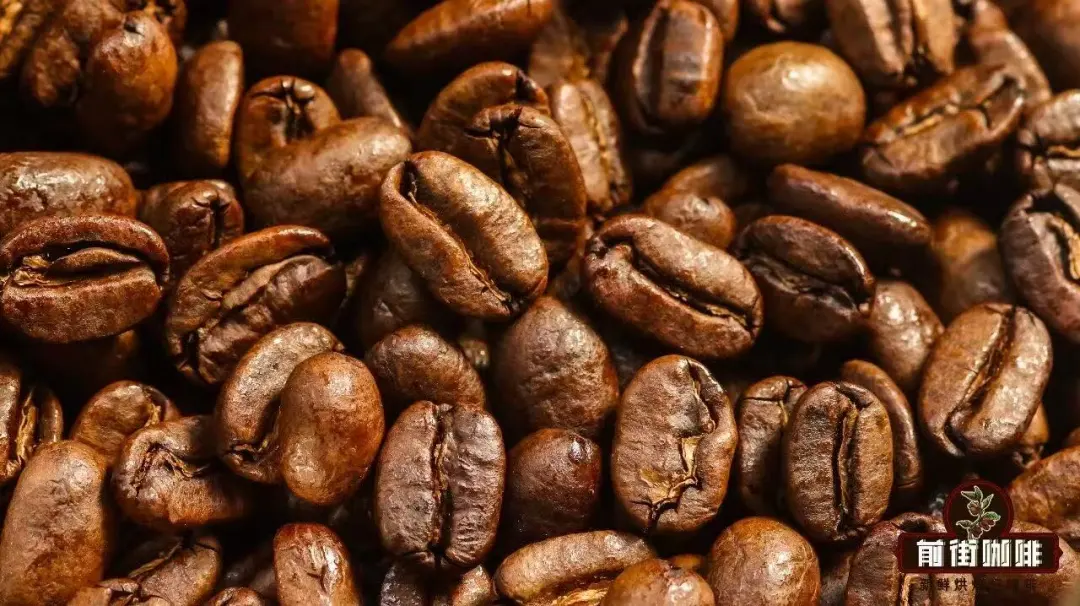
3. Coffee Freshness The third point worth noting is coffee bean freshness. Coffee beans that are too fresh are not suitable for making espresso—on one hand, it's difficult to extract good-tasting flavors, and on the other hand, the resulting crema will be very rough. Espresso differs from pour-over: pour-over can offset the impact of carbon dioxide on extraction by adjusting brewing parameters and pouring methods. While espresso can also do this, it's much harder to adjust. So if you use overly fresh beans to make espresso, it's very difficult to dial in a satisfying cup.
Moreover, because carbon dioxide is too abundant, the extracted crema, while thick, is also more prone to breaking. When using such espresso to make a latte, the crema's instability transfers to the milk foam after combining, accelerating the dissipation of surface bubbles. Therefore, if you want more stable milk foam and longer-lasting latte art, consider choosing coffee beans that have been rested for a period, with carbon dioxide more fully released, to make your espresso.
- END -
The above content is compiled by CoffeeHunters, a coffee news website.


