







Search Results for: coffee bean processing

How Is Honey Processing Different from Natural Processing? Analyzing the Rise and Flavor Characteristics of Honey-Processed Coffee Beans
The flavor profile of coffee is often determined by the combination of its producing region, variety, and processing method. Among the many processing methods, honey processing has surged in popularity in recent years; it shares similarities with natural processing, yet stands uniquely apart. From the perspective of Front Street Coffee, this article traces the origins of honey processing, its operational workflow, the differences between yellow, red, and black honey, and the core distinctions from natural processing in terms of flavor and craft. It also draws on two beans currently sold by Front Street—Costa Rica Fire Phoenix Sapphire and the Musician Series Bach—to share roasting and brewing test results, helping coffee enthusiasts more clearly understand why honey-processed coffee beans are so highly favored. [more…]
An In-Depth Analysis of Semeon Abay's Special Anaerobic Processing Method: From Fermentation Technique to Flavor Expression
Coffee bean processing methods are becoming increasingly diverse, and among them the Semeon Abay processing method has attracted the attention of many enthusiasts with its unique fermentation logic and personal character. From the perspective of Front Street Coffee, this article systematically sorts out the origin story and operational process of this special processing method, while also comparing the advantages, disadvantages, and flavor differences of the three traditional methods—washed, natural, and honey—to help readers more clearly understand the impact of different processing methods on coffee taste and provide a reference basis for everyday purchasing decisions. [more…]
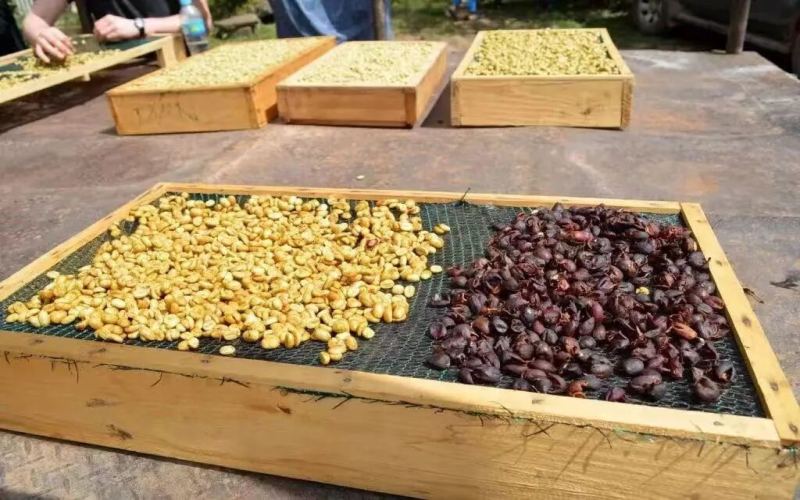
Characteristics of Costa Rican Coffee Beans | What Is Honey Processing? Why Do Costa Rican Coffees Mostly Use Honey Processing? What Flavor Characteristics Do Honey-Processed Coffee Beans Have?
When it comes to which region produces the best honey-processed coffee beans, Costa Rica is undoubtedly the answer. As the birthplace of the honey processing method, Costa Rica has naturally perfected its honey processing techniques to a high degree of mastery. In this article, Front Street Coffee will explain the flavor characteristics of Costa Rican honey-processed coffee beans. [more…]

How to Identify Coffee Bean Processing Methods? A Full Analysis of Flavors and Bean Appearance for Natural, Washed, Honey, and Wet-Hulled Processes
Faced with a dazzling array of coffee beans, how can you tell from their appearance and flavor which processing method they have undergone? Drawing on the practical experience of Front Street Coffee, this article teaches you to observe bean surface features such as remaining silver skin, the white line in the bean cleft, color, and sugar glazing, so you can quickly distinguish common processing methods like natural, washed, honey, and wet-hulled. At the same time, using examples from producing regions such as Yirgacheffe, it compares the flavor differences between natural and washed processing in terms of sweetness, complexity, and cleanliness, and extends to the craft logic of anaerobic processing and barrel fermentation, helping you understand more systematically how processing methods shape coffee flavor. [more…]

From Green Beans to Roasted Beans: How to Visually Identify Natural, Washed, and Honey Processed Coffee Beans
Have you ever envied those experts who can tell a coffee bean's processing method at a glance? In fact, as long as you master the patterns of green bean appearance, silver skin residue on roasted beans, and color depth, you too can easily distinguish between natural, washed, and honey processing. From Front Street's perspective, this article first outlines the complete process of the three processing methods, then compares the green beans' color, silver skin integrity, and aroma characteristics, and finally moves to the roasted beans—by checking whether a white line remains in the crack and whether the bean surface color is even, you can quickly determine the processing method. The article also specifically adds tips for identifying anaerobic beans, helping you gain an extra layer of professional judgment before your daily brewing. [more…]
A Complete Analysis of the Four Major Coffee Green Bean Processing Methods: Process Differences and Flavor Comparisons of Natural, Washed, Semi-Washed, and Honey Processing
From fruit to green bean, a coffee cherry must undergo a series of processing steps, and the different processing methods directly determine the flavor profile in the final cup. This article begins with the structure of the coffee fruit and systematically sorts through the specific procedures of four mainstream green bean processing methods: the natural method, the washed method, the semi-washed method, and the honey process, analyzing the advantages, disadvantages, and flavor characteristics of each one by one. Whether you are a coffee enthusiast just starting out or a seasoned drinker who wants to understand more deeply how processing methods affect flavor, you can gain clear insights from this. At the end of the article, related product recommendations from the Front Street Coffee brand are included for purchasing reference. [more…]
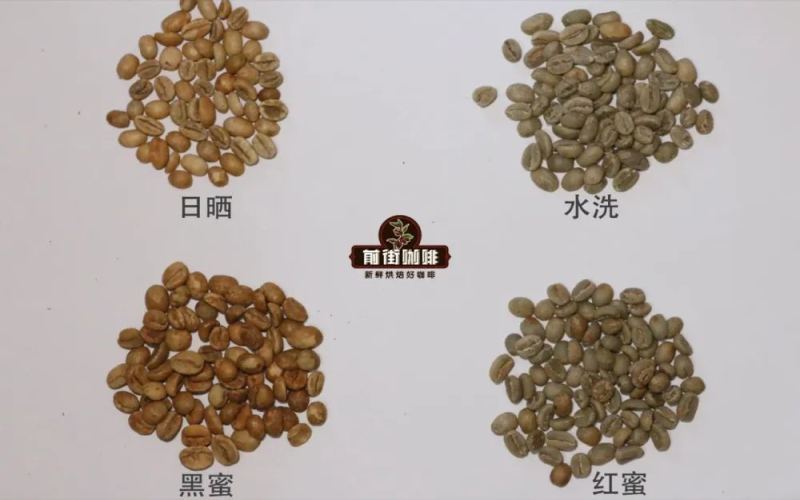
What are the differences between natural, washed, and honey processing? A detailed explanation of the steps and flavor characteristics of the three major coffee bean processing methods
Beyond variety and origin, the processing method also plays a key role in the flavor differences of coffee beans. The mainstream coffee processing methods today can be broadly divided into three major categories: natural processing (dry method), washed processing (wet method), and honey processing (semi-dry method). Different processing procedures give coffee beans distinctly different aromas, acidity, and sweetness. In the following text, Front Street Coffee will explain one by one the specific steps of these three processing methods, their respective characteristics, and the flavor performance found after cupping, to help coffee enthusiasts more systematically understand the impact of processing methods on coffee flavor. [more…]

What Is the Difference Between Natural and Honey Processed Coffee Beans? From Processing Flow to Sweetness Performance, Explained Clearly at Once
Washed, natural, and honey processing are the three traditional coffee processing methods. Among them, natural and honey processing both carry sweetness and fermented notes, often making them hard to distinguish. From the perspective of Front Street Coffee, this article first introduces the structure of the coffee berry and the key points of screening before processing, then breaks down the complete processes of natural processing and honey processing respectively, including the drying and depulping steps of natural processing, the pectin retention ratio of honey processing, and the differences between yellow honey, red honey, black honey, and raisin honey processing. The article also compiles the roasting recommendations, cupping reports, and brewing parameters for two representative beans — Front Street Yirgacheffe Natural Red Cherry and the Front Street Musician Series Bach — helping coffee enthusiasts understand the source of flavor from the perspective of processing methods. [more…]

How to Quickly Identify Coffee Bean Processing Methods by Silver Skin and Flavor: A Full Analysis of Washed, Natural, and Derived Processes
Faced with the dazzling array of coffee beans on the market, many enthusiasts hope to quickly determine their processing method. In fact, by mastering just two core techniques—observing the remnants of silver skin and tasting the flavor—you can broadly distinguish between washed, natural, and derived processes such as honey processing and wet-hulled. Drawing on the practical experience of Front Street Coffee, this article systematically organizes the bean appearance characteristics of globally common processing methods and regional processing methods, and through cupping comparisons of producing regions such as Yirgacheffe, helps you build clear identification logic and understand the flavor differences behind processes such as anaerobic fermentation. [more…]
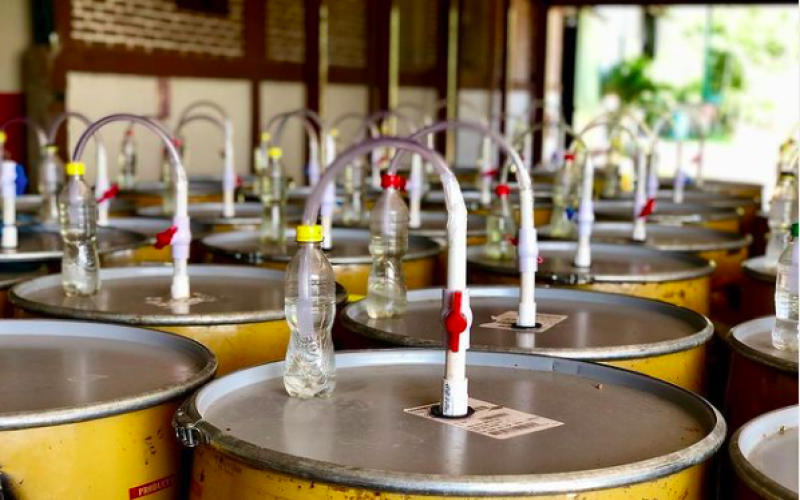
Analysis of the Principles of Enzyme Processing for Coffee Beans: A Complete Guide to the Differences Between Natural, Washed, and Honey Processes
The processing method of coffee beans directly determines the flavor direction of the final cup. Washed, natural, and honey—the three classic processes—each have different fermentation paths and flavor expressions. The enzyme processing method that has emerged in recent years introduces specific microbial strains for anaerobic fermentation on the basis of washed processing, in order to create more distinctive flavors. How exactly is this processing method carried out? And what are the essential differences between it and the three traditional processing methods? This article will break down the process details of each method one by one, and combine them with a number of representative beans from Front Street Coffee to help readers build a systematic understanding of coffee processing methods. [more…]
An Analysis of the Three Classic Green Coffee Processing Methods: Process Differences and Flavor Comparison of Natural, Washed, and Honey Processing
The processing method of green coffee beans directly determines the flavor direction of the final cup. Although the modern coffee industry keeps producing all kinds of novel specialty processing techniques, the three traditional methods of natural, washed, and honey processing remain the cornerstones of the specialty coffee world. In addition, a uniquely regional wet-hulled method is also widely used in Indonesia. This article will systematically sort out the specific operating procedures, quality characteristics, and flavor differences of these processing methods, and will also introduce the semi-washed method derived from natural processing and the natural washed method within the washed system. The article will also combine several representative coffee beans from the Front Street Coffee brand to help readers more intuitively understand how different processing methods perform in actual flavor. [more…]
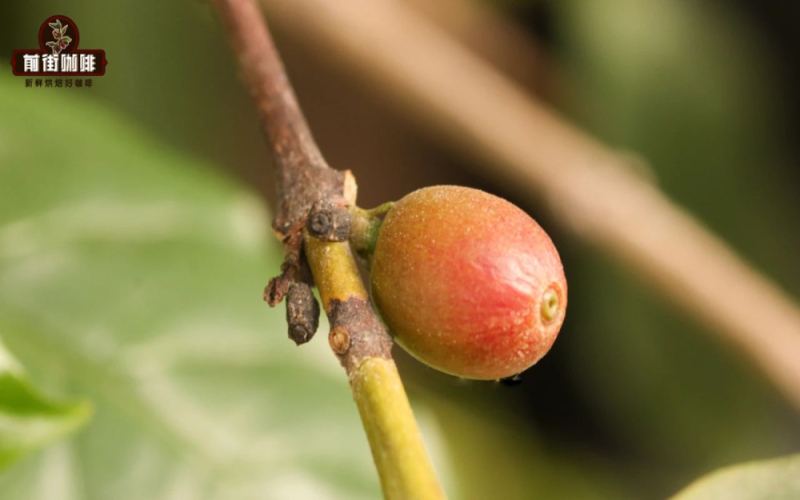
How Coffee Bean Processing Methods Shape Flavor Differences: A Comprehensive Comparison of Washed and Natural Processing
Are coffee beans actually the fruit of the coffee tree? Can they be roasted directly after picking? These questions puzzle many people who are just getting into coffee. In fact, coffee beans are the seeds of the coffee fruit, and they need to go through a series of green bean processing methods to reveal different flavors. Washed and natural, as two mainstream processing methods, show significant differences in workflow, drying time, appearance characteristics, and final cupping performance. Through extensive cupping, Front Street Coffee has found that washed coffee has bright acidity and high cleanliness, while natural coffee has more complex berry notes and higher sweetness. This article will systematically explain the principles and flavor characteristics of these two processing methods to help coffee lovers gain a deeper understanding of the decisive influence of processing methods on coffee flavor. [more…]
Costa Rica Black Honey Process Coffee Flavor Analysis: Differences Between Hand-Brewed Black Honey Beans and Natural Honey Processing
Costa Rica is the birthplace of the honey process. To cope with inconvenient transportation and slim profits, local coffee farmers developed this processing method that falls between washed and natural. Depending on how much mucilage is retained, honey processing is further divided into yellow honey, red honey, and black honey. Among them, black honey retains the most mucilage, takes the longest to dry, and has the richest flavor. In this article, Front Street Coffee will systematically sort out the origin, process, advantages and disadvantages, and flavor characteristics of honey processing, compare the differences with the natural process, and use two beans—Costa Rica Fire Phoenix Sapphire and Canet Estate Bahia—as examples to share roasting curves and pour-over parameters, helping coffee lovers understand the source of sweetness in black honey processed coffee beans and the key points of brewing. [more…]
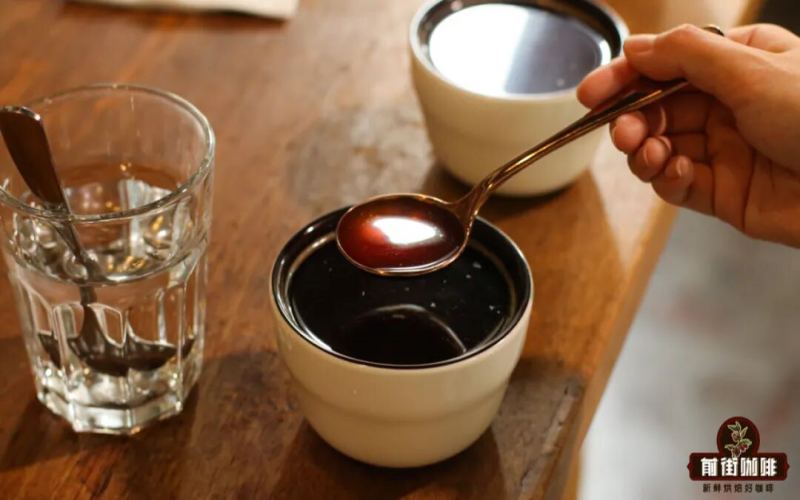
Coffee Bean Processing Methods | What Is the Simon Special / Bag Fermentation Coffee Processing Method? What Characteristics Do Coffee Beans Treated with the Simon Special Process Have?
Whether sun-dried or washed, coffee processing originally existed simply to dry the beans so they could be stored conveniently. But once people discovered that different processing methods give coffee different flavor variations, more and more processing methods emerged to serve flavor. For example, now [more…]
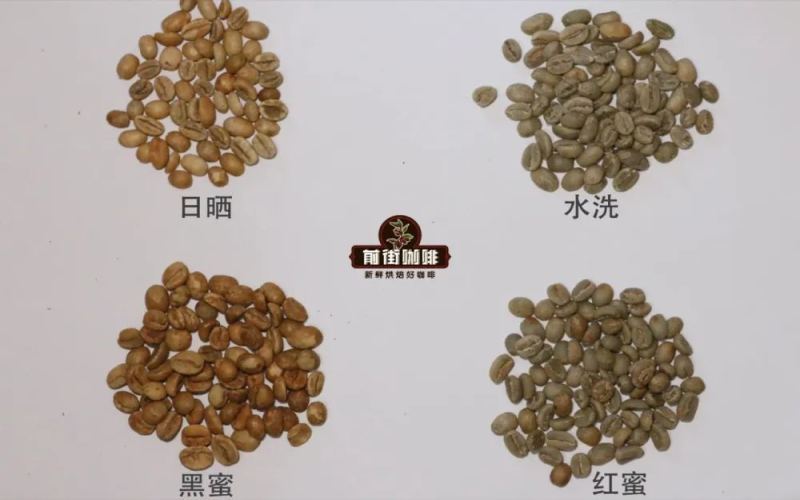
A Complete Guide to the Three Main Coffee Processing Methods: A Comparison of Natural, Washed, Honey, and Anaerobic Enzyme Processes
The flavor of coffee depends to a large extent on how the green beans are processed. Natural, washed, and honey processing, as the three classic methods, each present distinctly different flavor directions. In addition, enzyme processing and anaerobic fermentation have gradually entered the public eye in recent years, adding more possibilities to coffee. Front Street Coffee believes that using such fermentation techniques in moderation to create distinctive flavors is worthy of recognition, but if they are used to mask defects in the coffee beans themselves, that deviates from the original purpose of the processing method. This article will systematically sort out the specific procedures and flavor characteristics of these processing methods, and combine them with representative products on the Front Street coffee list to help coffee lovers build a clearer understanding. [more…]
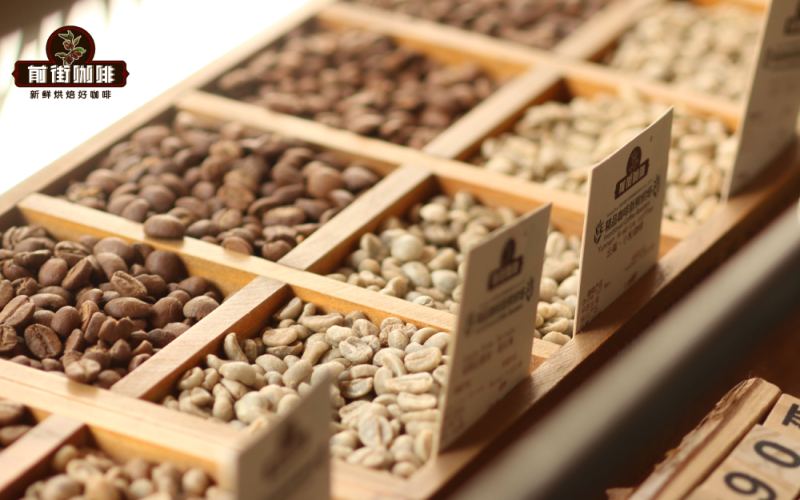
Coffee Processing Methods | Wet-Hulled, Semi-Washed, Honey Process, Pulped Natural — Detailed Steps, Flavor and Mouthfeel Comparison of Coffee Beans
We all know that different processing methods can give coffee a rich and varied flavor profile. For example, Front Street Coffee's bean list alone features dozens of varieties, covering more than ten different processing methods. Today, Front Street will focus specifically on wet-hulled, semi-washed, and pulped natural [more…]
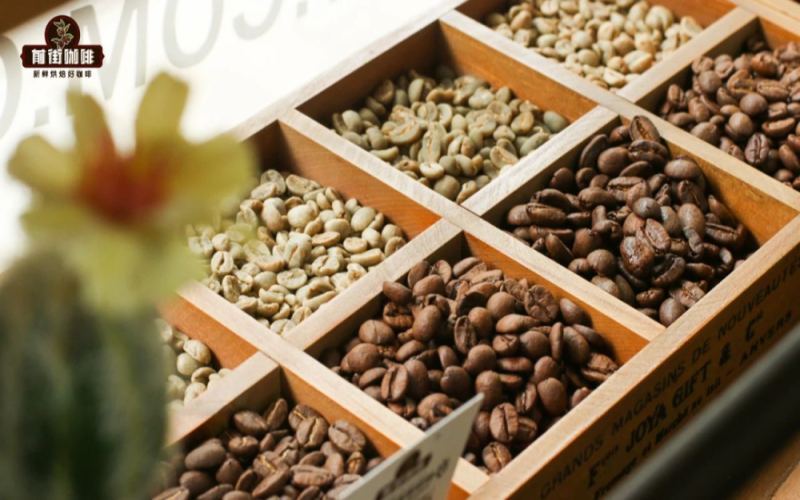
A Complete Guide to the Three Major Coffee Bean Processing Methods: Flavor Differences and Taste Characteristics of Natural, Washed, and Honey Processing
The flavor of coffee depends not only on its origin and variety; the processing method also plays a key role. Nowadays, more and more coffee enthusiasts are paying attention to the processing techniques behind the beans. Front Street Coffee takes this opportunity to systematically review the three main methods—natural, washed, and honey processing—and also introduce Kenya's K72-hour processing, Indonesia's wet-hulling method, and the emerging anaerobic fermentation technology. From fruit picking, fermentation, and drying to hulling, how does each step affect the acidity, sweetness, and body in the final cup? What unique character do different processing methods give to beans such as Yirgacheffe, Mandheling, and the Costa Rica Musician Series? This article will compare everything from operational procedures to flavor performance one by one, helping you make clearer judgments when purchasing and tasting. [more…]
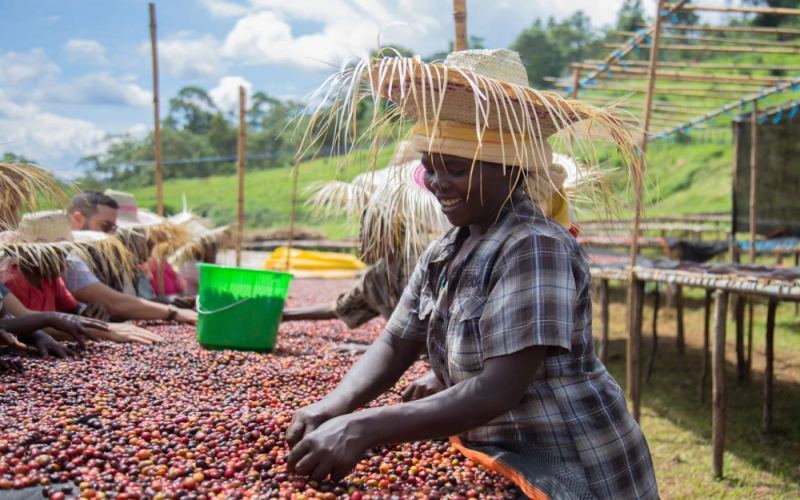
A Complete Guide to Coffee Bean Processing Methods: Flavor Differences Between Natural, Washed, Honey, Wet-Hulled, and Anaerobic Fermentation
From fruit to green beans, coffee cherries must go through a series of processing steps to remove the skin, pulp, mucilage layer, and parchment. The processing method directly determines the final flavor profile of the coffee. This article systematically reviews the operational procedures and flavor characteristics of common processing methods such as natural (dry), washed (wet), honey (semi-washed), wet-hulled (Giling Basah), and anaerobic fermentation, compares their respective advantages and disadvantages, and explains why washed beans have bright acidity, natural beans are rich in fruity aromas, and wet-hulled beans carry a distinctive woody-spicy note. At the same time, the article combines specific Front Street Coffee products such as Red Cherry Yirgacheffe, Gudingding, Lintong Mandheling, Xizhua, and Daduqi to demonstrate the flavor expression of different processing methods in actual coffee beans, helping readers build a complete understanding from processing method to flavor in the cup. [more…]
A Complete Guide to the Three Major Coffee Bean Processing Methods: Production Processes and Flavor Differences of Natural, Washed, and Honey Processing
The flavor profile of a cup of coffee is determined not only by variety and roasting, but also decisively by how the green beans are processed. The coffee industry currently groups processing methods into three major categories: natural processing (dry method), washed processing (wet method), and honey processing (semi-dry method). The natural method lets whole coffee cherries dehydrate and dry directly in the sun, giving the beans rich, complex fruity aromas and fermented sweetness; the washed method removes the skin and pulp and involves tank fermentation, producing a clean, bright profile with pronounced acidity; honey processing falls between the two, deliberately retaining some mucilage during drying, creating a distinctive fermented aroma and sweetness. Front Street Coffee will walk through the specific steps, key control points, and flavor outcomes of these three processing methods one by one, helping coffee lovers build a clear framework for understanding processing methods and find the cup that best suits their taste. [more…]
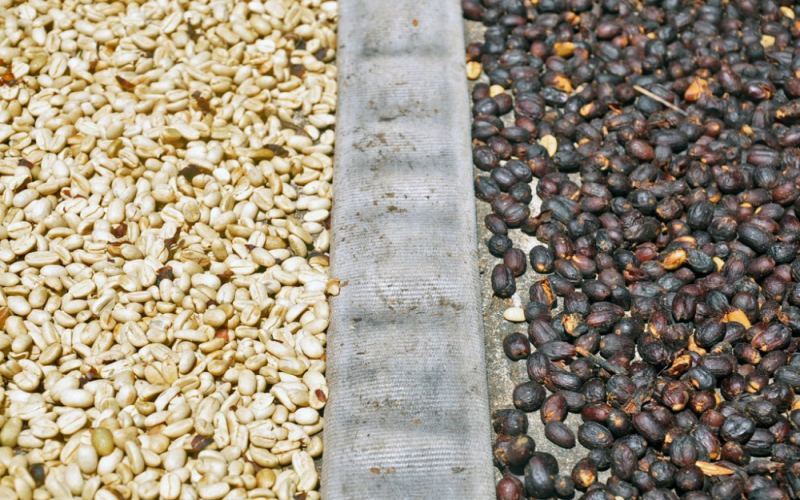
Sun-Dried, Washed, Semi-Washed, and Honey Processing: A Full Analysis of the Flavor Differences Among Four Pour-Over Coffee Processing Methods
From the branch to the cup, coffee cherries must undergo a series of processing steps, and the different processing methods directly determine the flavor profile of the final coffee beans. The four traditional processing methods—natural, washed, semi-washed, and honey—each exhibit distinctly different characteristics in terms of cost, acidity, sweetness, body, and cleanliness. Starting from the structure of the coffee cherry, this article will break down the complete process, advantages, and disadvantages of each processing method one by one, and pair them with specific bean recommendations from the Front Street Coffee brand, helping coffee enthusiasts build a clear framework for understanding flavor and find the one that best suits their taste in everyday pour-over choices. [more…]