







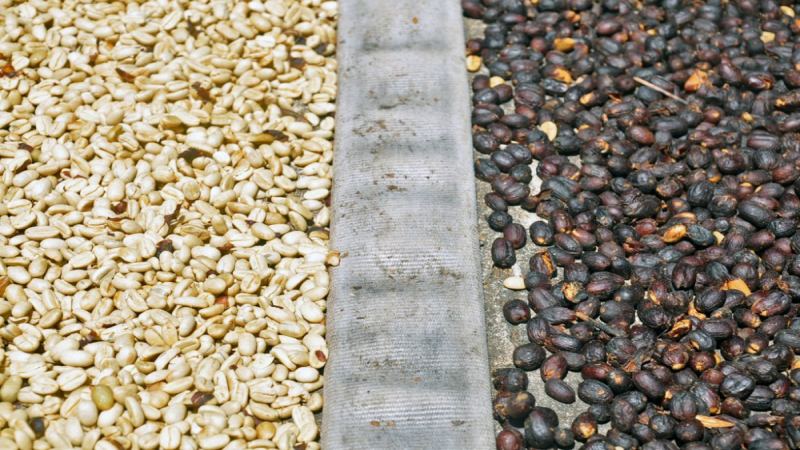
From the branch to the cup, coffee cherries must undergo a series of processing steps, and the different processing methods directly determine the flavor direction of the final coffee beans. The four traditional processing methods—natural, washed, semi-washed, and honey—each display distinctly different characteristics in terms of cost, acidity, sweetness, body, and cleanliness. This article will start from the structure of the coffee cherry, break down the complete process, advantages, and disadvantages of each processing method one by one, and pair them with specific bean recommendations from the Front Street brand, helping coffee enthusiasts build a clear flavor cognition framework and find the one that best suits their taste in daily pour-over choices.
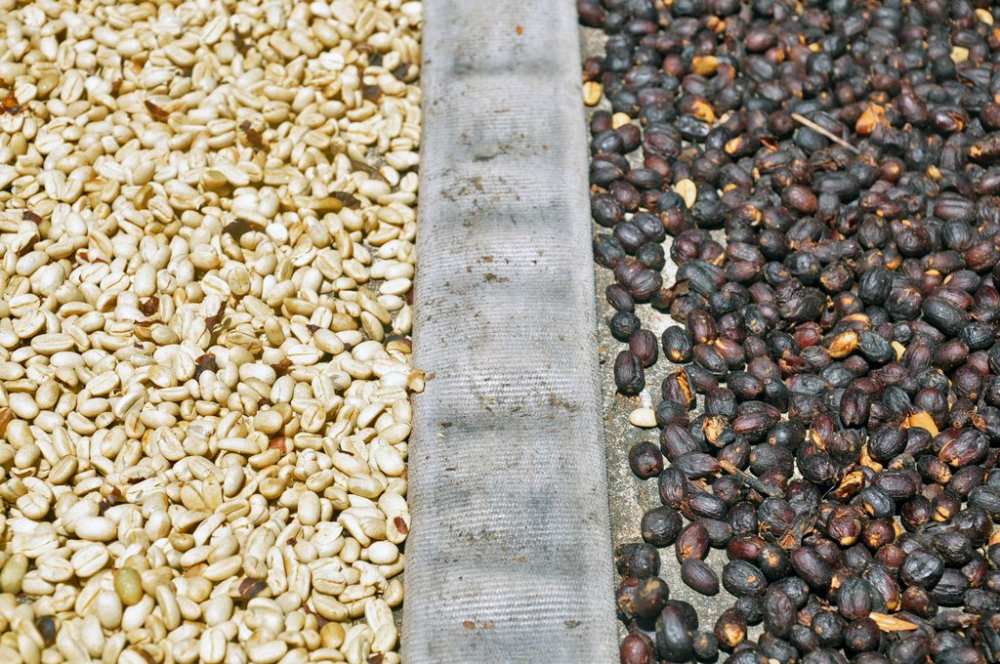
The entire set of steps for processing coffee cherries into green beans suitable for roasting is called a processing method. In recent years, various new processing techniques have emerged one after another, but the ones truly widely used are still those classic methods: natural, washed, semi-washed, and honey.
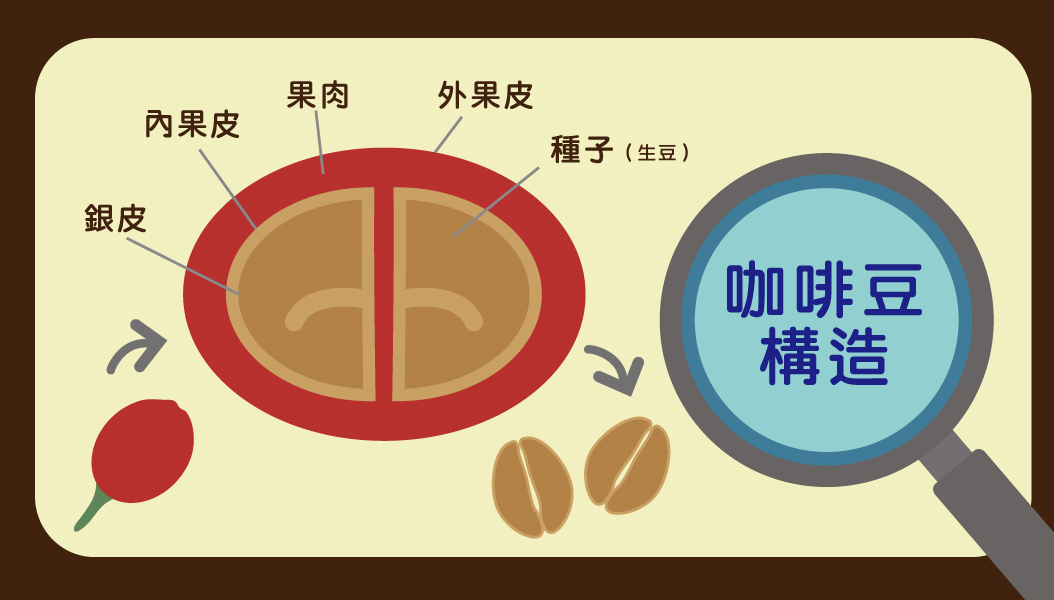
The structure of the coffee cherry resembles a cherry. From the outside in, it consists of the skin, pulp, mucilage layer, parchment layer (that is, the seed shell), silver skin, and finally the seed at the very center. The mucilage layer is about 1 to 2 millimeters thick, with a texture similar to the translucent, slippery substance outside a tomato seed, and it is very difficult to remove completely. The green beans we buy are actually the innermost seed, and sometimes a small amount of silver skin still remains on the surface.
No matter which processing method is used, the core goal is the same—remove the outer layers and extract the coffee beans. However, constrained by practical factors such as cost accounting and climate conditions, the specific operational paths differ, and these differences profoundly affect the final flavor performance.
Natural process:
The natural process is the oldest and least labor-intensive method of processing green beans.
Step one, remove floating beans. Pour the harvested coffee cherries into a large water tank. Plump, ripe cherries sink to the bottom, while underdeveloped or overripe ones float on the surface. These floating beans need to be skimmed off.
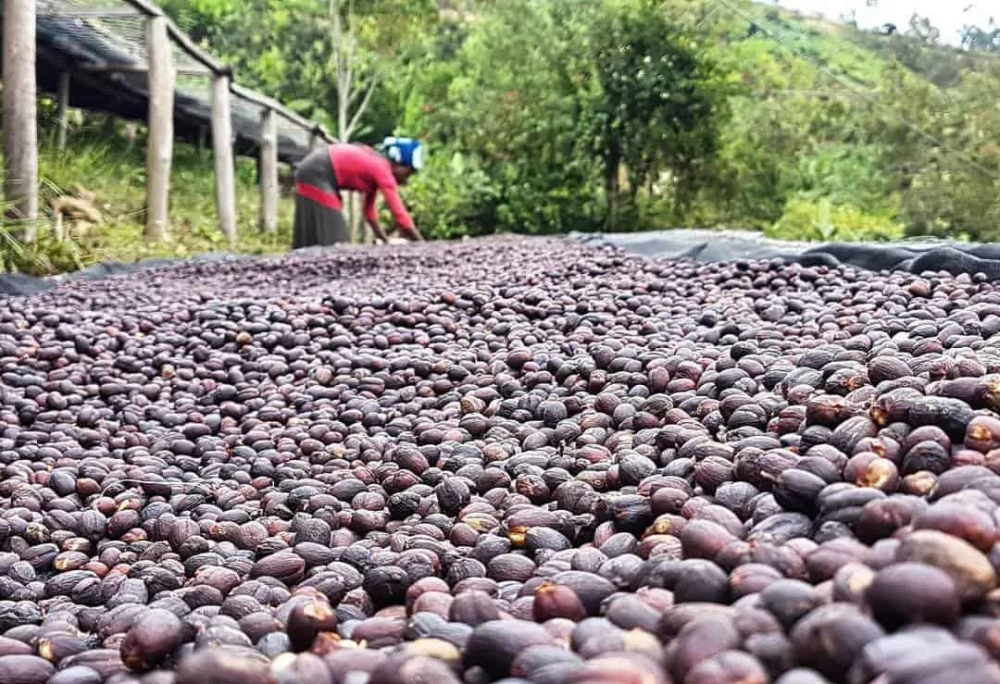
Step two, sun-dry. Spread the whole cherries—together with pulp, skin, and seed—on a drying bed to expose them to sunlight, naturally drying them to a moisture content of about 12%. Depending on the climate of the origin, this process takes about two to four weeks.
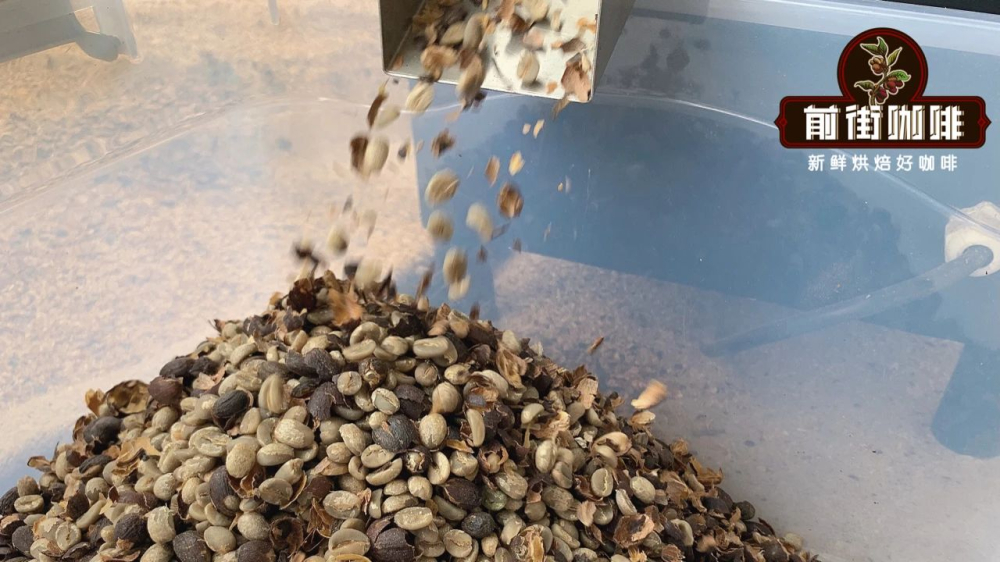
Step three, hulling. Send the dried cherries into a huller to knock off the dry, hard skin, pulp, and parchment layer, and the green beans are revealed.
Advantages of the natural process:
1. Simple to operate, with relatively low processing cost. 2. The green beans dry naturally while wrapped in the pulp and absorb the essence of the fruit, so they have rich fruit aroma, prominent sweetness, and better body.
Shortcomings of the natural process:
1. Some producing regions do not remove floating beans during natural processing, resulting in uneven quality. 2. During drying, the pulp is prone to mold due to damp climate changes, which then contaminates the green beans. 3. Machine hulling inevitably damages the green beans, causing defects in appearance.
Natural coffee bean recommendation: Front Street Natural Huakui
Country: Ethiopia Region: Guji Altitude: 2200-2250 meters Processing method: Natural Variety: Local heirloom Roast level: Medium-light roast
Flavor: Tropical fruit, creamy strawberry, citrus, dried mango, caramel, black tea
Washed process:
The washed process is currently the most commonly used method of processing green beans.
Step one, remove floating beans (same operation as the natural process).
Step two, remove pulp. Send fresh cherries into a pulper to remove the skin and pulp. Unripe cherries are eliminated at this stage because their pulp is difficult to separate. After passing through the pulper, what remains is parchment seed with mucilage.
Step three, ferment to remove mucilage. Put the seeds that still have mucilage attached after pulping into a fermentation tank. Although it is called the "washed" method, in reality the mucilage is not directly rinsed off with water; instead, it is removed through biological decomposition during fermentation. Fermentation lasts about 16 to 36 hours, during which frequent stirring is needed to speed up the detachment of mucilage from the seed surface. During washed fermentation, acidic substances such as citric acid, malic acid, and acetic acid are produced, and these acids penetrate into the green beans, making the acidity of washed beans more prominent than that of natural beans. Only after fermentation is complete does the actual washing step begin—rinsing the beans clean again.
Step four, drying. After washing is completed, the beans also need to be sun-dried or machine-dried to reduce moisture content to 12%. Because the pulp has already been removed, the washed method does not have to worry about mold during drying the way the natural method does. The dried parchment green beans are also less hard than natural beans that still have pulp and skin, and can be hulled by machine to obtain green beans.
Advantages of the washed process:
1. The green beans are dark green, intact in appearance, and look good. 2. The acidity and brightness are better than natural beans, and the flavor is cleaner.
Shortcomings of the washed process:
1. To obtain 200 grams of green beans, 1 kilogram of cherries must be washed, while consuming about 2 to 10 liters of clean water, so the cost is relatively high.
Washed coffee bean recommendation: Front Street Washed Gudingding
Country: Ethiopia Region: Yirgacheffe Variety: Local heirloom Altitude: 2100m Processing: Washed
Flavor: Citrus, jasmine, honey, berries. The overall flavor is clean, with relatively obvious floral notes and citrus acidity.
Semi-washed process (semi-natural process):
This is an improved processing method developed to reduce the water usage of the traditional washed method.
Step one, remove floating beans (same as the washed process).
Step two, remove pulp (same as the washed process).
Step three, machine removal of mucilage. Whereas the original washed method relies on fermentation to remove mucilage, the improved method uses a mucilage remover to remove it mechanically.
Step four, drying. Dry by sun or machine to a moisture content of 12%. The flavor of semi-washed beans falls between natural beans and washed beans: the acidity is not as high as washed beans, and the sweetness is not as full as natural beans.
Advantages of semi-washed:
It combines the cleanliness of the washed method while not requiring the consumption of large amounts of water resources.
Shortcomings of semi-washed:
Although it blends the characteristics of washed and natural, the entire process is just as cumbersome as the washed method.
Semi-washed/semi-natural coffee bean recommendation: Front Street Semi-Natural Brazil Cerrado
Country: Brazil Region: Cerrado Variety: Red Bourbon Processing method: Semi-washed Altitude: 1600m Flavor: Nuts, cream, chocolate, caramel
Honey process:
As for the so-called honey process, judging from its original English name, its scientific name should be "pulp natural." It shares something with the traditional wet process—it also first removes the thick skin of the coffee cherry—but the difference is that it retains the sticky mucilage layer beneath and does not remove this layer through fermentation. Instead, it dries the beans directly with the mucilage still on them, and after drying removes the mucilage layer and parchment.
Flavor characteristics:
The strength of the honey process lies in its ability to enhance the coffee's body and sweetness (which is why it is also called the honey process or miel process in English), while relatively reducing acidity, and its aroma expression is more delicate.
Difficulties of the honey process:
1. During drying, because the sticky mucilage layer is still attached to the beans, they must be turned very frequently in the first few days; otherwise the coffee beans will stick together into clumps, so the labor required is considerably greater than for the general washed method.
2. If drying cannot be completed within a short time, over-fermentation is very likely to occur.
3. If turning is insufficient, or the overall environment is too humid and cool, or the sticky mucilage layer is retained too thickly, the coffee beans are all prone to mold. For this reason, some coffee estates use machines to control the thickness of the sticky mucilage layer so that the beans can dry faster and overall taste consistency is better guaranteed.
4. Compared with the wet process, honey processing requires a larger site, and the number of days needed for drying is also longer.
Honey-processed coffee bean recommendation: Front Street Honey Blackberry
Country: Costa Rica Region: Tarrazu Altitude: 1800m Variety: Caturra Processing method: Black honey Flavor: Floral, blueberry, grape, sweet orange, caramel
The above content is compiled by CoffeeHunters, a coffee news website.


