







What Does a WDT Tool Do in the Espresso Coffee Making Process?
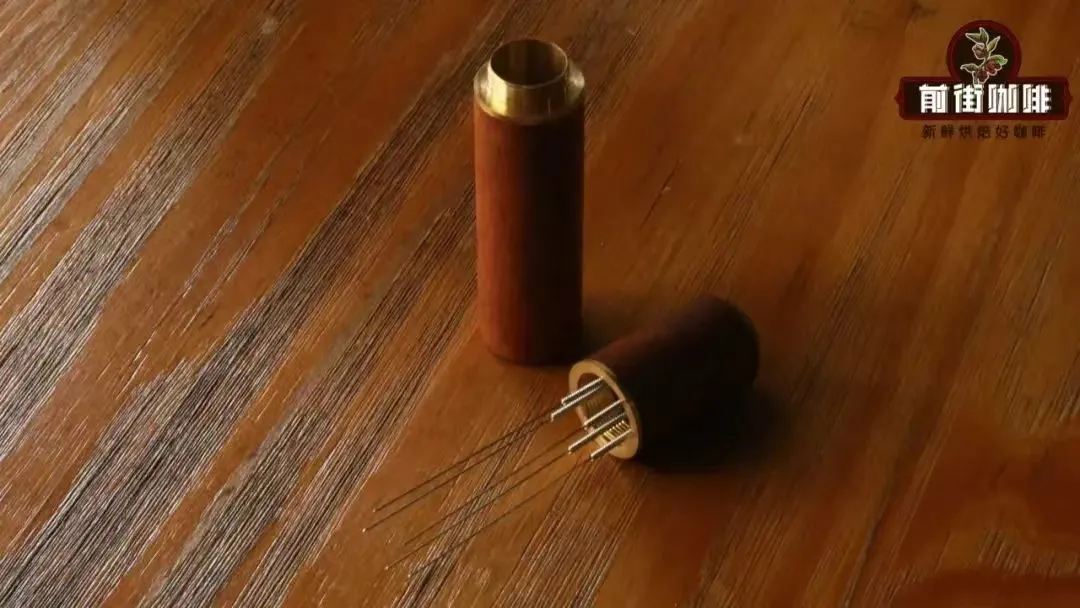
A WDT tool, or distribution needle, is a small accessory used before tamping to stir espresso grounds in the portafilter basket. It breaks up clumps caused by static electricity, which otherwise lead to channeling and uneven extraction. The workflow is called the Weiss Distribution Technique, named after inventor John Weiss, who designed the device in 2005.
The principle is simple: poking and stirring the grounds in all directions separates clumped powder on contact and spreads it more evenly. Most modern grinders include anti-static screens, yet stray clumps still reach the basket when the air is dry. Whether the tool is worth buying depends on how often that happens in a given setup.
When making espresso in dry weather, coffee grounds often clump together due to static electricity, which in turn causes channeling and affects the final flavor performance. Although most modern grinders are equipped with anti-static devices, some stray clumps still slip through into the portafilter basket. Is there a simple and effective way to solve this problem? The answer is the distribution needle—a small yet practical accessory tool, and the corresponding workflow is known as the Weiss Distribution Technique (WDT). This article will explain the working principle of the distribution needle, its historical origins, its actual extraction effects, and the troubles that may be encountered during use, helping coffee lovers decide whether this tool is worth purchasing, while also understanding the causal relationship between coffee grounds clumping and static electricity.
Friends familiar with Front Street Coffee content should not find this scene unfamiliar: when the air is too dry, static electricity is more likely to accumulate, coffee grounds then clump together, and channeling seizes the opportunity to strike. Although most grinders on the market now have built-in anti-static screens to break up clumps, there are always some stray clumps that quietly slip into the portafilter basket, bringing a negative impact on extraction. So, is there any way to effectively reduce the interference these clumped coffee grounds have on the extraction result?
Of course there is a way. All it takes is a small tool to give the coffee grounds an "acupuncture-style" treatment before tamping, and the problem is easily solved. This workflow has a professional name—the Weiss Distribution Technique (WDT for short), and the auxiliary tool used is the commonly seen "distribution needle."

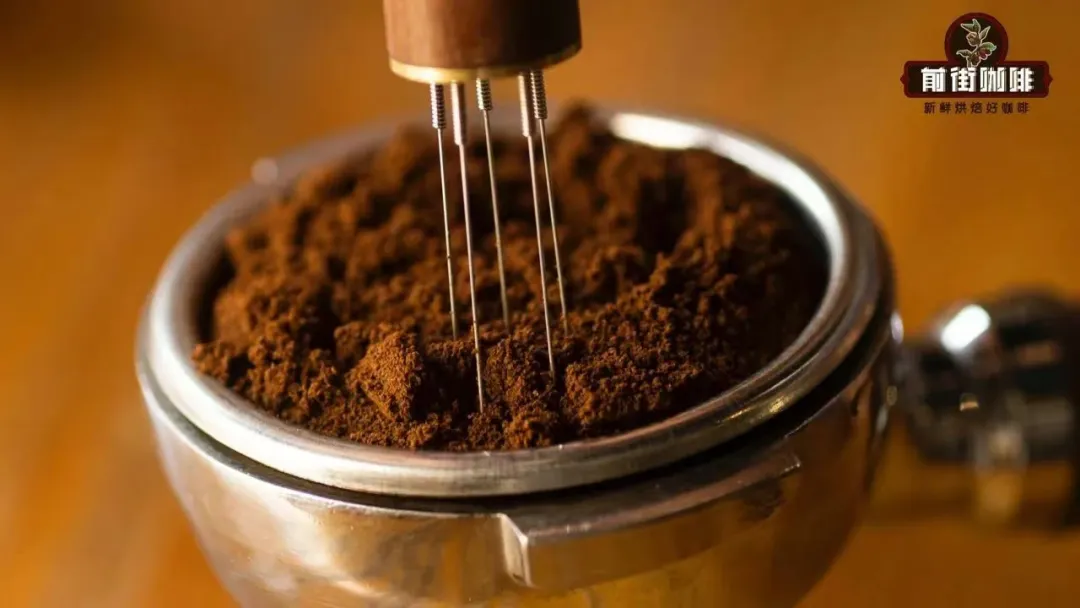
Why can the distribution needle eliminate channeling? The principle is not complicated. During operation, we use the distribution needle to poke and stir the coffee grounds in the portafilter basket in all directions, and the clumped powder is broken apart and separated through collision. At the same time, stirring also serves to distribute the coffee grounds more evenly.
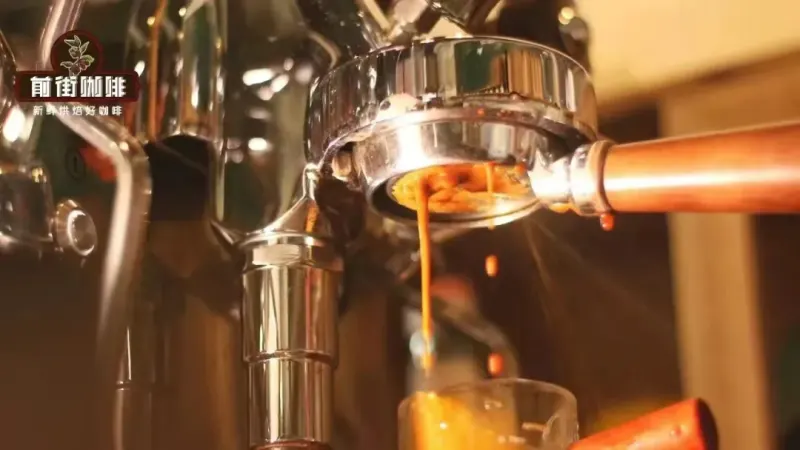
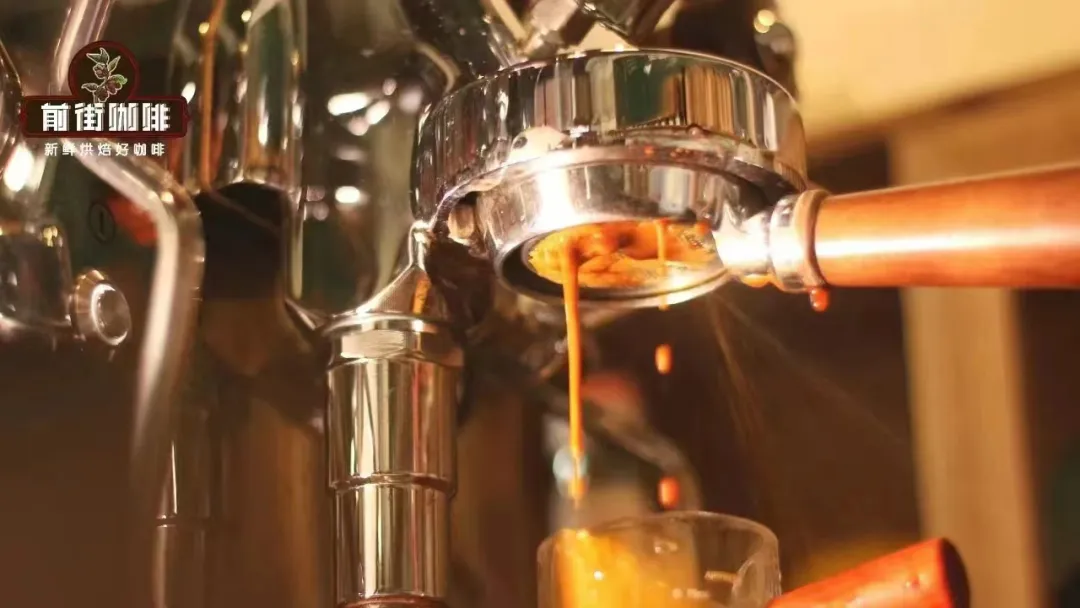
The inventor of this tool is Mr. John Weiss. In 2005, troubled by static electricity, he had no choice but to design such a device. For this reason, this distribution method was named after him and is called the Weiss Distribution Technique. From the animated image below, it can be seen intuitively that the extraction process after treatment with the distribution needle is noticeably more stable: there is almost no coffee liquid splashing throughout, and the liquid stream always remains steadily in the center position. (Left is espresso extraction using the distribution needle, right is espresso extraction without it.)
The difference in flavor goes without saying. The espresso on the left, with less channeling, performs better, achieving a balance of acidity, sweetness, and bitterness, with standout layers of flavor. The espresso on the right, which kept splashing during extraction, performs much worse overall due to uneven extraction. However, many friends encounter a common trouble after using the distribution needle: because the gaps between particles increase after the coffee grounds are broken up, the overall volume expands, the coffee bed becomes higher, and sometimes it even rises above the edge of the portafilter basket. As a result, it becomes more difficult to use a distribution tool afterward, and with a slight lapse in attention, the coffee grounds can be squeezed outside the portafilter basket.
The above content is compiled by CoffeeHunters, a coffee news website.


