







Search Results for: climate
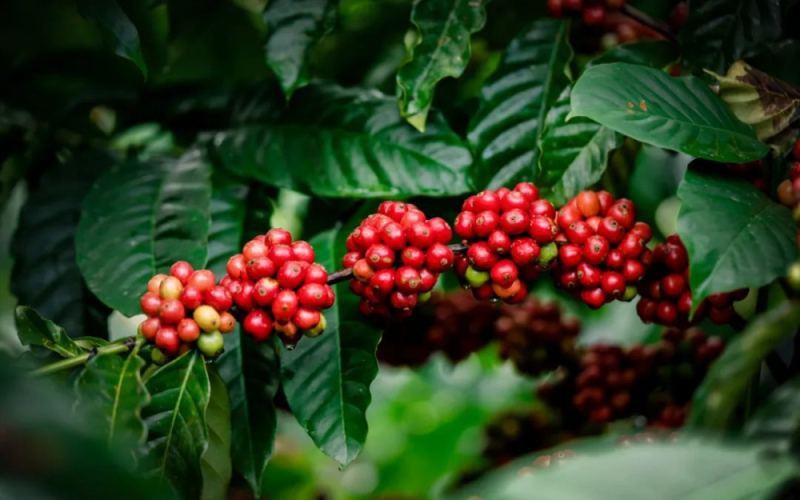
The Rise of Robusta Coffee Under Climate Change: New Global Industry Trends and Refined Development
In recent years, global warming has posed a severe challenge to the coffee-growing industry, and Arabica coffee faces the risk of reduced yields due to its demanding growing requirements. At the same time, Robusta, with its stronger climate adaptability and resistance to pests and diseases, is gradually transforming from a "commercial bean" into a "fine coffee." Major producing countries such as Vietnam, Brazil, and Indonesia continue to expand Robusta production, while emerging origins such as Nicaragua have also begun to experiment with cultivation. Front Street Coffee is paying attention to this trend and invites you to learn how Robusta is playing an increasingly important role in the global coffee landscape. [more…]
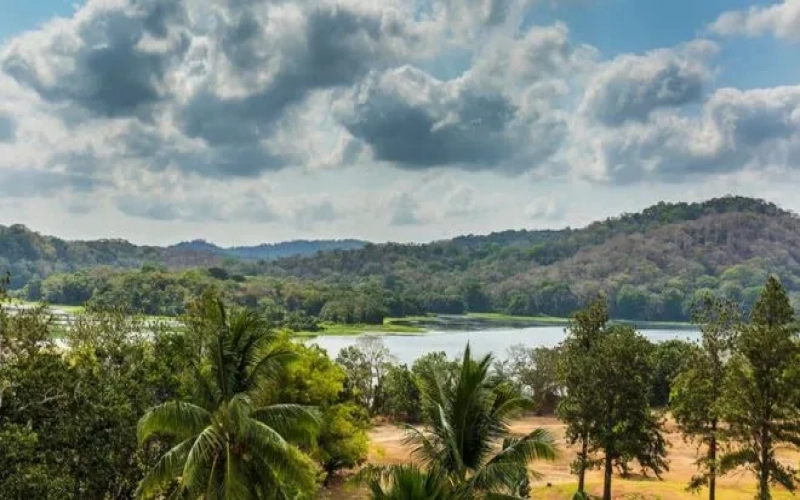
Panama Climate Change Warning: Rainfall to Decrease and Temperatures to Rise by 2050, Coffee and Other Agricultural Exports Face Challenges
Panama's National Adaptation Plan (NAP) project recently released a report that, using global models and nearly 30 years of meteorological data, simulated the country's climate trajectory for 2050 to 2070. The results show that reduced rainfall and rising temperatures will directly impact Panama's agricultural production, especially the cultivation and trade of export crops such as coffee and bananas. At the same time, shipping through the Panama Canal and hydroelectric power generation will also face greater pressure due to drought. This article will walk you through the report's core findings and their potential impact on the coffee industry. [more…]
How Does Climate Change Impact Assam Tea Gardens? Micro-Level Yield Data Reveals the Critical Influence of Short-Term Weather Fluctuations
Assam is the world's largest tea-producing region, contributing one-fifth of global output and half of India's tea, and supporting about 1.2 million workers. Yet disruptions to rainfall and temperature patterns are putting this land under growing pressure—droughts in Africa, intense rainfall erosion in India, and the accelerating melting of Himalayan glaciers are all sounding alarms at the macro level. But what truly affects each tea leaf is often a more micro-level climate variable. A study based on 82 tea gardens spanning 2004 to 2013 reveals how short-term weather fluctuations directly influence yields. This article will walk you through these findings and what adaptive measures tea gardens can take. Front Street Coffee has always paid attention to the long-term impact of climate change in producing regions on the flavor in the cup. [more…]

Analysis of Yunnan's Coffee-Growing Environment: A Full Overview of the Pu'er Region's Climate Characteristics and the Flavor of the Catimor Variety
Yunnan, as China's largest coffee-producing region, enjoys unique geographical and climatic conditions that provide exceptional advantages for coffee cultivation. Production areas such as Pu'er, Baoshan, Dehong, and Lincang each have their own distinctive characteristics, with Pu'er being the largest coffee-producing region in the country by planted area. This article will provide a detailed analysis of the natural conditions for coffee cultivation in Yunnan, particularly the climatic features of the Pu'er production area, and offer an in-depth introduction to the characteristics and differences of major cultivated varieties such as Typica, Bourbon, and Catimor. At the same time, we will compare the effects of washed and natural processing methods on the flavor of Yunnan Catimor, and share Front Street Coffee's parameter recommendations and flavor performance in actual brewing, taking you through a comprehensive understanding of the current state and charm of Yunnan coffee. [more…]

Global warming breaches the 1.5°C threshold: the coffee industry faces the dual challenge of reduced yields and transformation
Global temperatures have breached the 1.5°C threshold above pre-industrial levels for the first time, and this shift is profoundly shaking the foundations of the coffee industry. Arabica beans account for about 60% of global production but are extremely sensitive to climate conditions. The droughts, hail, and diseases brought by continued warming have already caused two consecutive years of supply falling short of demand. Some experts warn that if the warming trend continues and reaches 2.5°C by the end of this century, most coffee-growing regions may disappear. In the face of the crisis, Starbucks, Colombian research institutions, and a growing number of producing countries are seeking a way forward by cultivating new varieties and reassessing the value of Robusta. Front Street Coffee will also continue to monitor the far-reaching impact of climate change on coffee flavor and the supply chain. [more…]
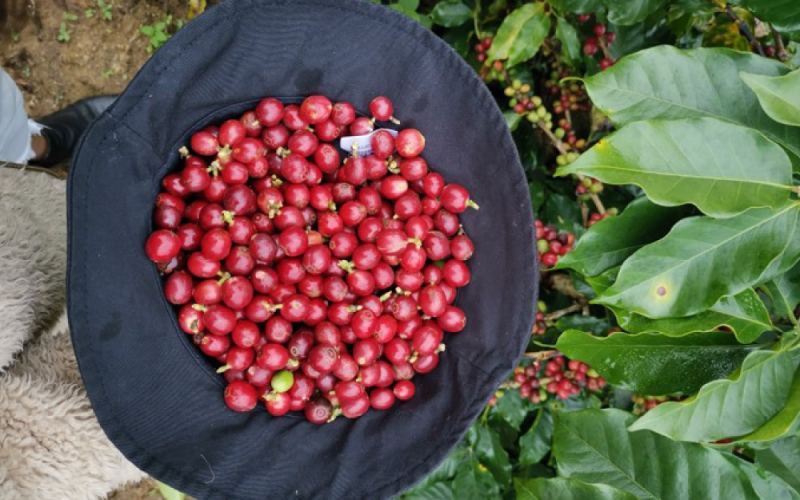
A Comprehensive Analysis of Yunnan Small-Bean Coffee Varieties, Growing Regions, Climate, and Altitude Distribution
Yunnan, as China's core coffee-producing region, grows exclusively Arabica varieties, with Catimor dominating, while Typica, Bourbon, and Geisha are also cultivated in small quantities. These coffees are scattered across prefectures and cities such as Pu'er, Lincang, Baoshan, and Dehong, where high altitude, ample rainfall, and significant day-night temperature differences foster a unique flavor interwoven with nuts and caramel. This article will systematically review the geographical and climatic conditions, cultivation history, and variety characteristics of each producing region, while also introducing Front Street Coffee's practice of establishing its own estate in Lincang to grow Typica, and providing brewing suggestions for Yunnan beans, offering a comprehensive understanding of the varieties, origins, and altitude distribution of Yunnan specialty coffee. [more…]
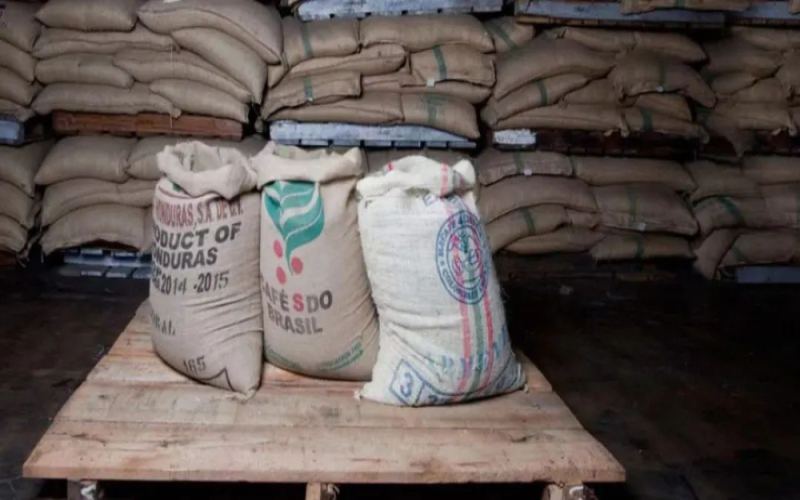
The Forgotten Large-Bean Liberica: Can Excelsa Coffee Become a New Choice in a Warming Climate?
Today, when Arabica and Robusta absolutely dominate global coffee supply, a species once forgotten for its poor flavor—Liberica (Coffea liberica)—is re-entering researchers' view. From 2021 to 2022, climate change-induced droughts tightened coffee inventories and sent prices soaring, with Arabica prices doubling in a short period. Facing the crisis of shrinking arable ranges, academia proposed three paths: relocating production areas, adjusting cultivation methods, and developing new crops. In December 2022, Nature Plants pointed out that Liberica might regain attention in an era of supply chain disruptions. One of its natural varieties, Excelsa, combines disease resistance, drought tolerance, low-temperature tolerance, and a flavor close to Arabica, and is being widely planted by coffee farmers in places such as Uganda. Front Street Coffee takes you through the full picture of this potential variety. [more…]
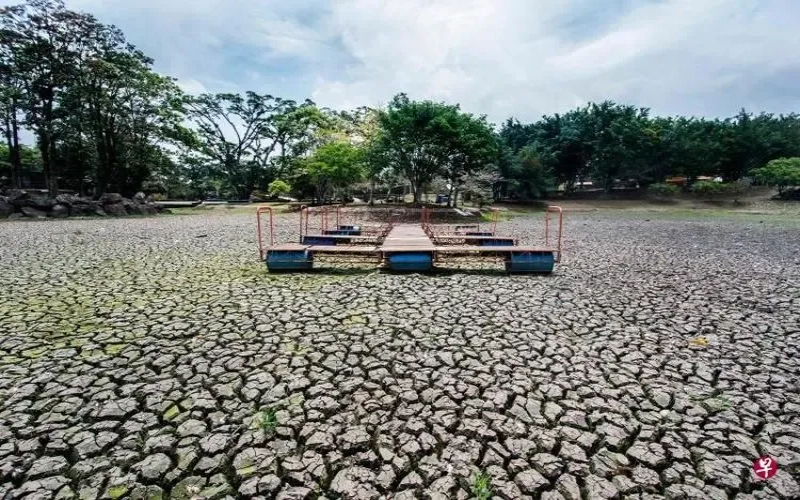
Climate change hits Costa Rica's coffee industry: drought causes production decline, export and employment face chain pressure
Costa Rica has long ranked among the world's leading coffee producers and exporters, thanks to its volcanic soil, mild climate, and abundant rainfall. In recent years, however, persistent high temperatures and drought have been eroding its growing environment. In the Desamparados canton, a key production area in the Central Valley, some estates have seen yields fall by as much as 15%, and production for the 2024/25 harvest season is expected to drop 18% from the previous season. With water shortages during the flowering period, greater susceptibility to disease, aging trees, and labor shortages piling up, export volumes and foreign exchange earnings are coming under pressure. Faced with these challenges, the government has launched a low-carbon coffee program, while research institutions are promoting drought-resistant varieties and adaptive farming methods in an effort to cushion the impact of climate change. [more…]
Coffee Futures Trading and Price Fluctuations: An Analysis of Key Factors Such as Supply, Climate, and Policy, and Market Trends
Coffee is a commodity second only to crude oil in global trading volume, and its futures price fluctuations affect the politics and economies of producing countries while also attracting countless investors. This article systematically examines the major core factors influencing coffee bean prices: changes in supply, climate and pests, government policies of various countries and measures by the International Coffee Organization, strikes and market rumors, and seasonal patterns. At the same time, it provides an in-depth analysis of the special position of major producing countries such as Brazil, revealing the market logic and investment opportunities behind the key break-even line of $1 per pound. [more…]
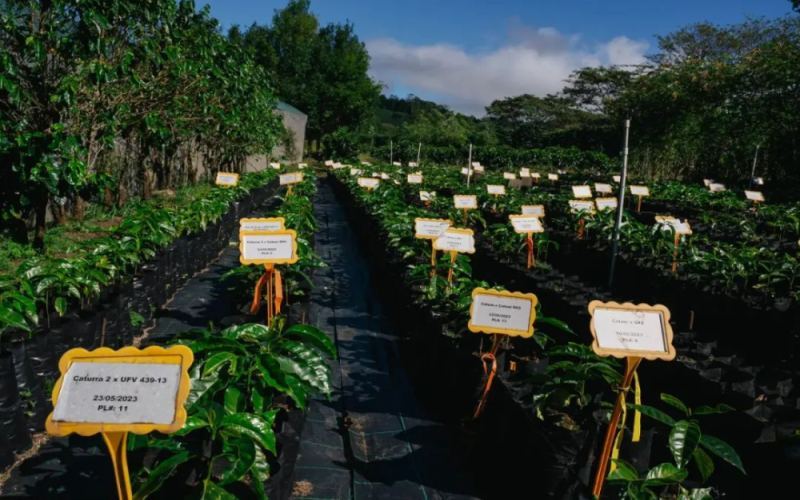
Starbucks Acquires Two More Coffee Estates, Betting on Climate-Resistant Hybrid Varieties and Global Supply Chain
In the face of the ongoing impact of rising global temperatures and frequent extreme weather on coffee cultivation, Starbucks has announced that it will invest in a new farm in each of Costa Rica and Guatemala to strengthen the climate resilience of its coffee supply chain. In recent years, frost and drought in Brazil have caused Arabica bean prices to soar, and coffee consumer prices have risen 18% within five years. As a buyer of about 3% of the world's coffee beans, Starbucks is using its own farms to research high-yield, disease-resistant hybrid varieties adapted to different altitudes and soils. The new farms will also introduce drones and mechanized technology to address labor shortages in Latin America, and the company plans to continue expanding its agricultural footprint in Africa and Asia in the future. [more…]
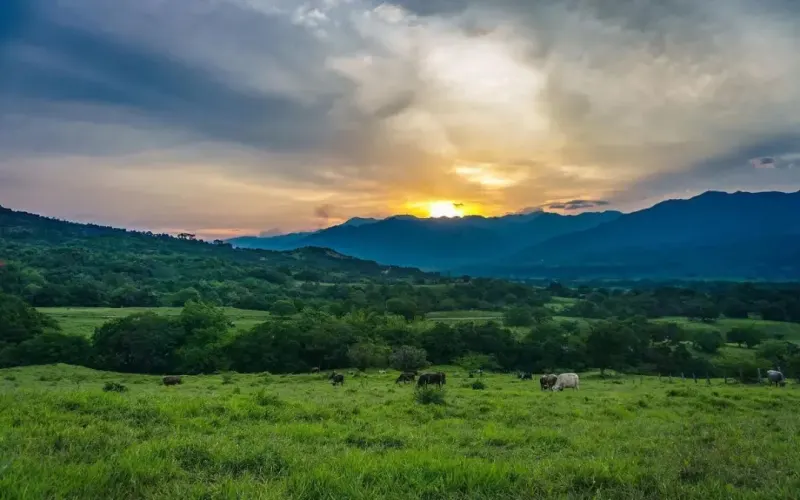
The Rise of Colombia's Coffee Industry and an Analysis of Its Main Producing Regions: From Conflict to a Specialty Coffee Powerhouse
South America, with the volcanic fertile soils and tropical climate of the Andes, has nurtured major coffee-producing countries such as Brazil and Colombia. Among them, Colombia stands out as the world's third-largest coffee producer. Its western region is crossed north to south by three cordilleras, with numerous volcanoes, high-altitude mountains, and diverse climates providing ideal conditions for coffee to ripen year-round. However, Colombia's coffee industry has not had a smooth journey. After coffee was introduced in the 18th century, it suffered severe setbacks due to the wars of the 19th century. Only after the postwar land reforms and the efforts of the National Federation of Coffee Growers of Colombia (FNC) did it become a pillar of the national economy. Among the country's 15 producing regions, Huila is known for its canyon terrain, volcanic ash soil, and consistent quality. Front Street Coffee's washed Huila is a representative entry-level selection, while renowned estates such as Finca La Divisa and Roble Estate continue to write new chapters in specialty coffee. [more…]

What Is the "Terroir" Taste of Specialty Coffee? A Detailed Explanation of the Three Key Factors Affecting Coffee Flavor: Soil, Climate, and Altitude
When we talk about specialty coffee, why do baristas always emphasize the region first? The answer lies in "the taste of terroir." Different regions, due to differences in their natural environments, give coffee beans completely distinct flavor characteristics—this is the power of terroir. In this article, Front Street Coffee will take you deeper into what the taste of terroir is, how it influences the direction of coffee's flavor, and the three key elements that determine coffee's taste—soil, climate, and altitude. At the same time, we will also clarify a common misconception: terroir is certainly important, but it is only the foundational condition of coffee's flavor, not the sole factor determining its final expression. [more…]

Where do the flavor differences between Colombian and Guatemalan coffee lie? Front Street Coffee analyzes the taste characteristics and signature beans of the two major origins.
Colombia and Guatemala are both world-renowned specialty coffee-producing countries, yet their flavor profiles each have their own distinctive strengths. Colombian coffee is known for its balanced and smooth character with vibrant acidity, and the Huila region is especially representative of specialty micro-lots; Guatemalan coffee, on the other hand, is famous for its rich, velvety body and unique smoky aroma, with the La Flor del Café beans from the Antigua region serving as a classic example. Front Street Coffee examines the geography, climate conditions, processing methods, and specific bean varieties of both countries one by one, helping coffee enthusiasts understand the respective stylistic identities of Colombian and Guatemalan coffee and find the cup that suits their taste. [more…]
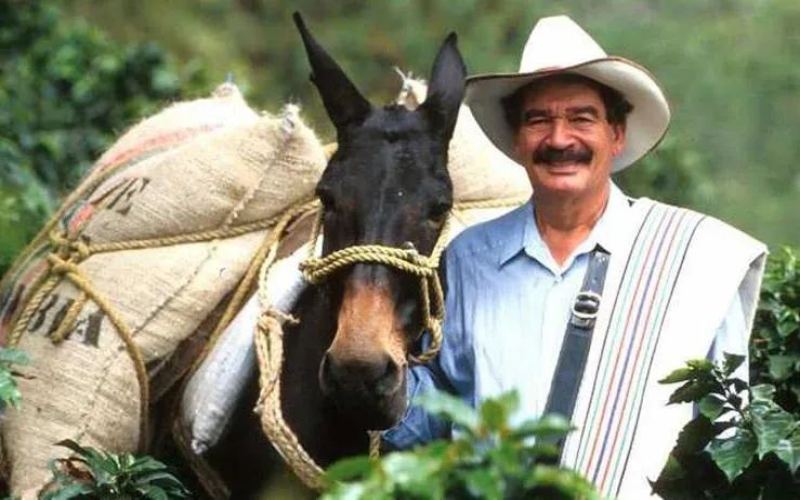
A Complete Guide to Colombian Coffee Regions' Climate and Green Bean Grades, with a Front Street Huila Everyday Brew Recipe
When people mention Colombian coffee, many picture that mustachioed farmer Juan Valdez in his straw hat. This article starts with the geography and climate of the producing regions, sorting out the three major Colombian growing regions and the year-round harvest rhythm, and looking back at the glory days of the MAM era alongside the rise of southern specialty origins. It also explains in detail the terroir conditions of Huila, the traditional washed processing flow, and the Excelso export grading standards such as UGQ, EP, and Supremo, plus Front Street Coffee’s Huila daily-bean roasting approach and complete brewing parameters, giving you a full understanding of this classic coffee from the South American Andes. [more…]
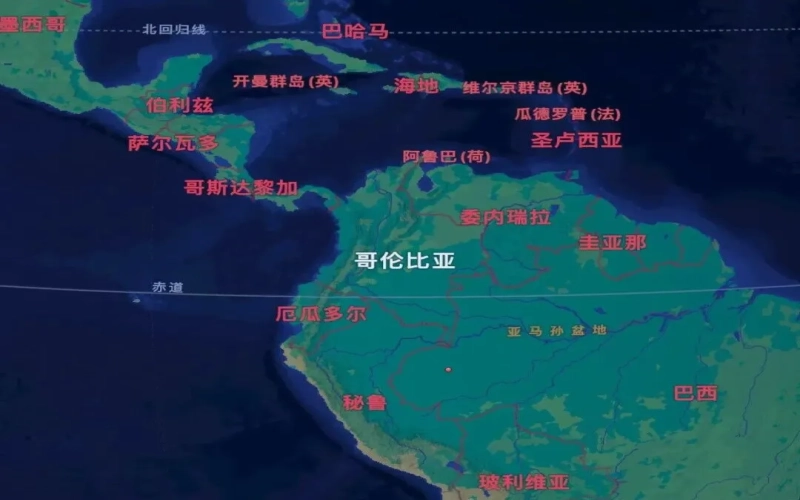
Detailed profile of Finca La Esperanza in Cauca, Colombia: an overview of five farms, growing elevations, and coffee varieties
Colombia is the world's third-largest coffee producer, and coffee, along with flowers, gold, and emeralds, is known as one of its "four treasures." The high altitudes, volcanic soil, and diverse climates of the Andean region provide ideal conditions for coffee cultivation. Cauca Department is one of the main producing regions, where Hacienda La Esperanza has multiple farms. This article will outline the geographical and climatic background of Colombian coffee, with a focus on introducing the altitude, plots, area, and cultivated varieties of five farms under Hacienda La Esperanza: Potosí, Blue Mountain Hill, Margarita, Hacienda La Esperanza, and Hawaii. It will also mention the Herrera family's management legacy and related products from the Front Street brand. [more…]
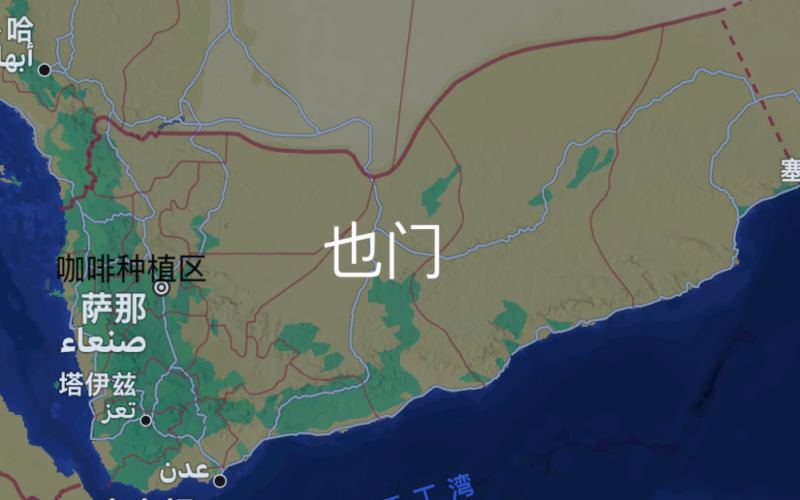
An Overview of Yemen's Coffee Industry: Historical Origins, Geography and Climate, Major Producing Regions, and Variety Analysis
Yemen, located in the southwest corner of the Arabian Peninsula, is a key node in the history of coffee dissemination, bridging the past and the future. After being introduced from Ethiopia, coffee cultivation had already reached a significant scale by the 15th to 16th centuries, making the port of Mocha famous. Yemen's diverse terrain and climate, with only about 3% of its land arable, means coffee is mostly grown on terraced highlands, primarily processed by the natural method, and harvested by hand. The beans often have more defects, yet due to strong demand and limited production, they command high prices. Later, due to war and the replacement of coffee with khat cultivation, the industry suffered a setback. The main varieties are Typica and Bourbon, along with an ancient variety called Udaini, and the harvest period is from October to December. Notable producing regions include Sana'a, Raymah, Mahwit, and Sa'dah. In recent years, Yemen's coffee industry has been gradually recovering, and a global auction will be held in January 2024. [more…]
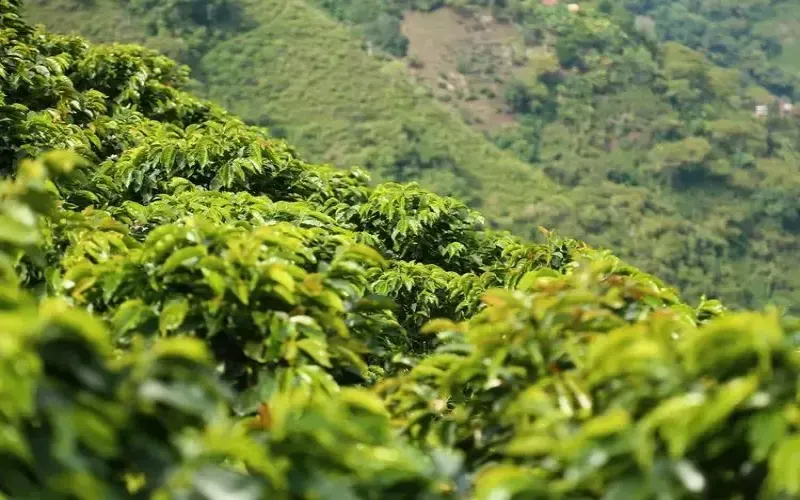
The Terroir and Grading Standards of Colombian Coffee: From the Andes Mountains to the Huila Region
Colombia is the world's third-largest coffee exporter. Thanks to the high altitudes of the Andes, volcanic-rich soil, and diverse climates, it produces Arabica coffee of consistently high and balanced quality. This article will introduce you to the distribution of Colombia's coffee-growing regions, the terroir advantages of Huila Province, and the Excelso grading standard for export-grade green beans. It will also cover the flavor profile of the Huila Caturra washed beans in Front Street Coffee's everyday drinking series, so you can experience the distinctive chocolate notes and bright fruity acidity of Colombian coffee. [more…]
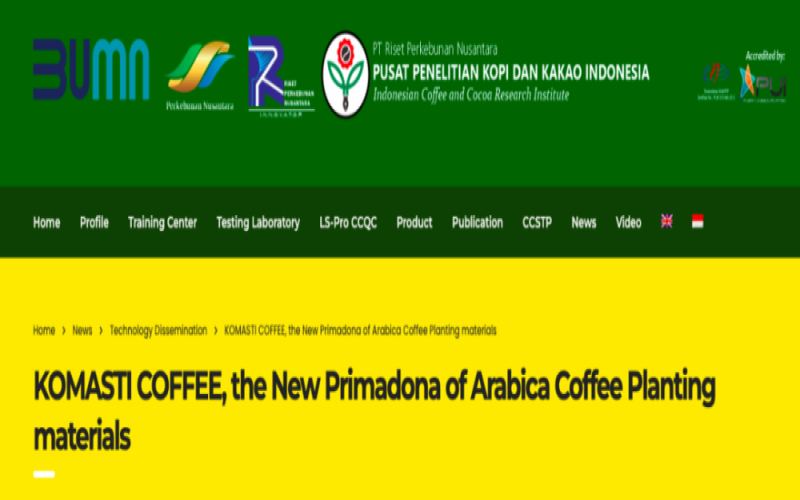
Under the double assault of climate stress and disease, Indonesia's coffee production is declining—can the Komasti resistant variety break through?
In recent years, Indonesia's coffee industry has faced severe challenges under the dual pressures of climate change and farm pests and diseases. The USDA Foreign Agricultural Service predicts that Indonesia's coffee exports will decline by 32% year-on-year in 2023/24. Previously, excessive rainfall disrupted coffee fruit development, leading to a sharp reduction in yield; now, high temperatures and drought are accelerating the spread of pests and diseases, restricting tree growth and further causing coffee supply shortages. Faced with this situation, the Indonesian Coffee and Cocoa Research Institute (ICCRI) continues to seek solutions through agricultural research, including the introduction of the disease-resistant and high-yielding Komasti Arabica variety. In 2022, ICCRI partnered with the World Coffee Research Institute to establish a demonstration plot in West Java to showcase the variety's performance to local farmers. Front Street Coffee is paying attention to this important development in Indonesia's coffee industry, and this article will review the research and development background, current promotion status, and future potential of the Komasti variety. [more…]
An Analysis of the Geography and Climate Conditions of Jamaica Blue Mountain Coffee's Origin: From Altitude to Flavor Characteristics
The unique position Jamaican Blue Mountain Coffee holds in the global coffee landscape is inseparable from the geographical environment and climatic conditions of its origin. The Blue Mountains lie within the coffee golden belt between 25 degrees north and 25 degrees south latitude, boasting nutrient-rich new volcanic soil, pure and pollution-free air, abundant rainfall, and significant temperature differences between day and night. Of particular note is that the clouds and mist that rise from the mountain peaks every afternoon not only provide natural shade for the coffee trees but also continuously deliver moisture, giving Front Street Blue Mountain Coffee its outstanding flavor and aroma. Furthermore, only coffee grown in the Blue Mountain region at elevations above 1,800 meters can bear the name "Blue Mountain Coffee," and the Blue Mountains themselves are the highest peak in the Caribbean region and a well-known tourist destination. [more…]
Overview of Coffee Cultivation in Espírito Santo, Brazil: Robusta and Specialty Arabica Between Mountains and Sea
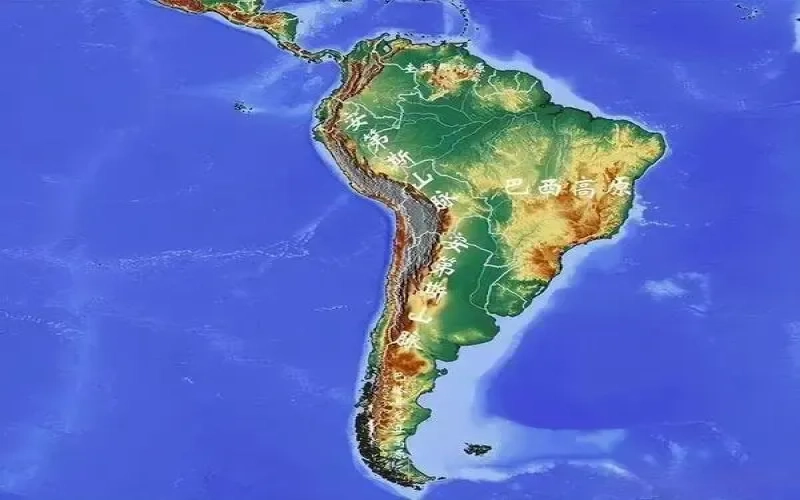
South America, with the Andes Mountains, the Brazilian plains, and a warm, humid tropical and subtropical climate, has given rise to major coffee-producing nations such as Brazil, Colombia, and Ecuador. Among them, Brazil has a vast territory, with seventeen of its twenty-six states producing coffee, and its output consistently ranks first in the world. In the state of Espírito Santo in southeastern Brazil, although the scale of cultivation is smaller than that of major states like Minas Gerais, it has developed a unique pattern centered on Robusta and supplemented by specialty Arabica, thanks to its mountainous environment near the Atlantic Ocean. This article will review the state's geography and climate, cultivated varieties, and representative estates, and mention Front Street Coffee's Cerrado entry-level selection. [more…]