







How Does the Yemen Coffee Industry Grow Coffee?
Yemen's coffee industry traces its roots to Ethiopian seedlings that arrived centuries ago, and by the 15th and 16th centuries the crop had reached a considerable scale. Most coffee grows on terraced highlands, since only about 3% of the land is arable. Trees are harvested by hand from October to December, and the natural processing method dominates, producing many defects but also high prices.
The mocha coffee origin lies in this same trade: beans shipped through the port of Mocha gave the name worldwide fame. Main varieties are Typica and Bourbon, plus the ancient Udaini. Growing regions include Sana'a, Raymah, Mahweet, and Sa'dah. War and khat replacement hurt output, but the industry is recovering, with a global auction held in January 2024.
Yemen, located in the southwestern corner of the Arabian Peninsula, is a crucial link in the history of coffee's spread. After being introduced from Ethiopia, it had already reached a significant scale by the 15th and 16th centuries, making the port of Mocha famous. Yemen's terrain and climate are diverse, with only about 3% of the land arable. Coffee is mostly grown on terraced highlands, primarily processed by the natural method, and harvested by hand. There are many defects, yet due to strong demand and limited production, prices are high. Later, due to war and the replacement of coffee cultivation with khat, the industry suffered a setback. The main varieties are Typica and Bourbon, along with an ancient variety called Udaini. The harvest period is from October to December. Well-known producing regions include Sana'a, Raymah, Mahweet, and Sa'dah. In recent years, Yemen's coffee industry has gradually been recovering, and a global auction will be held in January 2024.
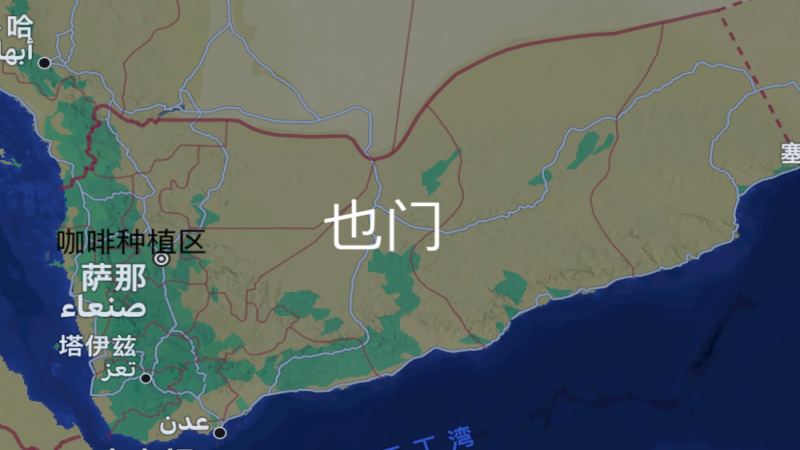
Yemen is situated in the southwestern corner of the Arabian Peninsula, adjacent to Saudi Arabia and the Sultanate of Oman. To the west, across the Bab-el-Mandeb Strait, it faces Ethiopia and Somalia in Africa. It borders the Red Sea, the Gulf of Aden, and the Arabian Sea. Its mountainous and highland regions have a relatively mild climate, while the desert areas are scorching and dry, with an average annual maximum temperature reaching 39°C and a minimum temperature dropping to -8°C.
Geographically, Yemen is located in southwestern Asia, with terrain that includes mountains, highlands, coastal plains, deserts, and islands. The south has a tropical arid climate, divided into cool and hot seasons: April to October is the hot season with an average temperature of about 37°C; November to March is the cool season with an average temperature of about 27°C. The north has a more diverse climate, with dry desert and semi-desert areas receiving little rain. The central highlands, at elevations between 1,500 and 4,000 meters, have a cool and pleasant climate. The hilly areas are mild and humid with abundant rainfall, while the western Red Sea coast is hot and humid.
After coffee was introduced to Yemen from Ethiopia, it had already reached a considerable scale by the 15th and 16th centuries. Coffee exported through this region made the port of Mocha (Mocha) famous far and wide. However, constrained by water resources, only about 3% of Yemen's land is suitable for cultivation. Coffee trees mostly grow on terraces at higher altitudes. Harvesting is basically done by hand, with unripe and overripe cherries often picked together. Due to water scarcity, the natural process is the main method, and most of it is done on the rooftops of farmers' homes, which also results in many defective beans. Nevertheless, Yemeni coffee is in high demand in the global market, with half of total exports going to Saudi Arabia. High demand, limited production, and high production costs keep Yemeni coffee prices consistently high.
Yemeni coffee has experienced glory and also decline. When war broke out in 2015, transportation facilities on many routes were severely damaged, and the cost of goods transport rose accordingly. In addition, the coffee market fluctuated drastically with large price changes. Local coffee farmers, seeking more stable and substantial income, switched to growing khat.
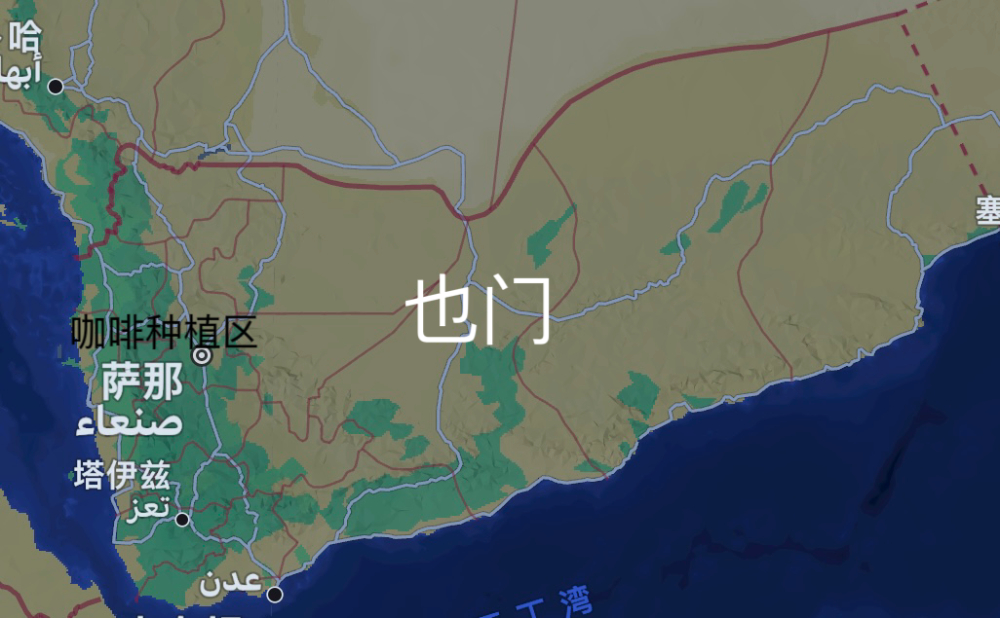
The names of Yemen's producing regions follow the official province names, and coffee from several administrative districts is particularly well-known. Yemen mainly grows Typica and Bourbon, as well as an ancient Typica variety called Udaini (乌黛妮). The coffee harvest period is concentrated from October to December.
Sana'a (Sana’a)
Much of the exported coffee comes from this region, which is at an elevation of 2,200 meters, making it one of the highest cities in the world. Bani Mattar is the most prestigious local coffee market, and the coffee-growing belt is distributed between 1,500 and 2,200 meters.
Raymah Governorate (Raymah)
This region is a key producing area for recent water resource management projects aimed at helping increase coffee yields, with an average elevation of about 1,850 meters.
Mahweet Governorate (Mahweet)
Located south of Sana'a, it was an important hub for coffee production from the 15th to 18th centuries and a collection point before coffee was shipped to seaports for export, with an elevation between 1,500 and 2,100 meters.
Sa'dah Governorate (Sa’dah)
This region suffered significant losses in 2004 due to civil war, with an average elevation of about 1,800 meters.
Currently, Yemen's coffee industry is still moving forward. Several larger coffee companies have been established, bringing in considerable planting and processing technology and enhancing the international influence of Yemeni coffee. Next, a global Yemeni coffee auction will be held in January 2024, giving the world a chance to taste more coffee from Yemen. Front Street Coffee also continues to follow developments in Yemeni coffee, bringing enthusiasts information on related producing regions and varieties.
The above content is compiled by CoffeeHunters, a coffee news website.


