







How does coffee cultivation in Espírito Santo differ from other states?
Espírito Santo, in southeastern Brazil, grows coffee in a pattern shaped by its mountains near the Atlantic Ocean: Robusta dominates, with specialty Arabica as a smaller supplement. The state's planting scale is smaller than Minas Gerais, but the terrain and coastal climate support both species. Brazil itself grows coffee in 17 of its 26 states and ranks first in world output.
Coffee trees there benefit from a warm, humid tropical and subtropical climate, and cultivation concentrates in the southern zone. Most of Brazil sits in the tropics, with a tropical savanna climate in the center and a subtropical monsoon humid climate in the south, and an average annual temperature of about 16–19°C. Sedimentary volcanic rock also shapes the soils.
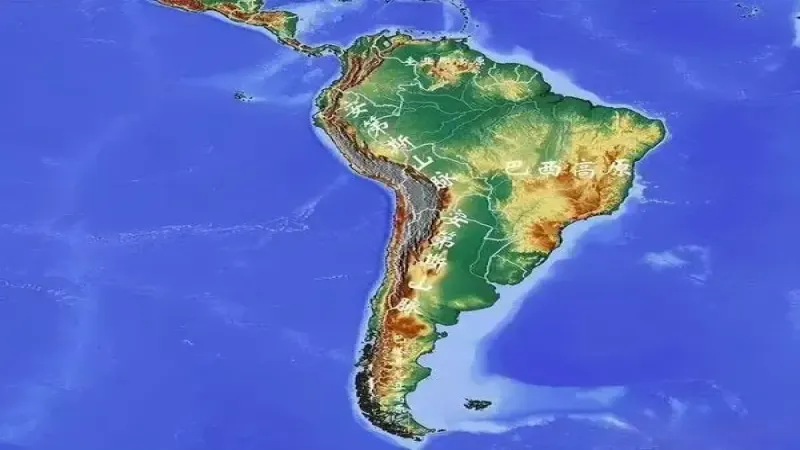
South America, with the Andes Mountains, the Brazilian plains, and a warm, humid tropical and subtropical climate, has given rise to major coffee-producing countries such as Brazil, Colombia, and Ecuador. Among them, Brazil has a vast territory, with coffee grown in seventeen of its twenty-six states, and its output ranks firmly first in the world. In the state of Espírito Santo in southeastern Brazil, although the planting scale is not as large as major states such as Minas Gerais, it has developed a unique pattern dominated by Robusta and supplemented by specialty Arabica, thanks to its mountainous environment near the Atlantic Ocean. This article will review the state's geography and climate, cultivated varieties, and representative estates, and mention Front Street Coffee's Cerrado entry-level selection.
South America is the fourth-largest continent in the world and also a continent with relatively frequent volcanic activity. It has both the Andes Mountains and the Brazilian plains, with rich and diverse natural resources; in addition, most of the region belongs to a tropical rainforest climate and tropical savanna climate, making it warm and humid overall and very suitable for coffee tree growth. For this reason, South America has nurtured several major coffee-producing countries, such as Brazil, Colombia, and Ecuador.
Among these countries, Brazil is the largest country in the Americas, with a total land area of 8.5149 million square kilometers, strong agricultural strength, and a quite solid industrial base. Of the country's 26 states, 17 produce coffee, which firmly places Brazil as the world's largest coffee producer.
Brazil's ability to become the champion of coffee production is inseparable from its unique geographical and climatic conditions. The country's terrain can be roughly divided into two parts: one is the Brazilian Highlands above 500 meters in elevation, mainly distributed in the central and southern regions; the other is the plains below 200 meters in elevation, concentrated in the north and the Amazon River basin in the west. Coffee cultivation mainly falls in the southern zone.
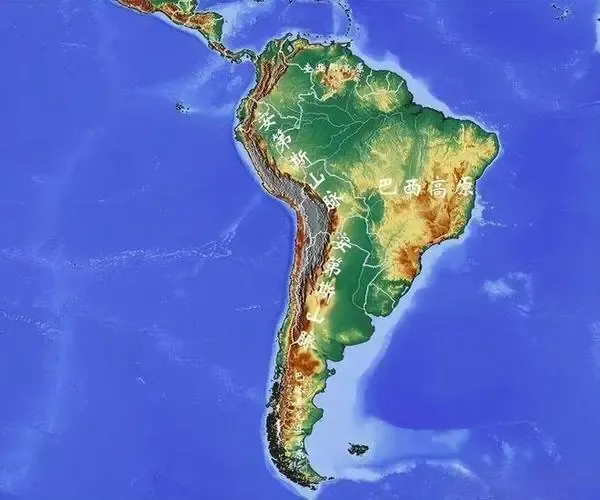
Most regions of Brazil are located in the tropics, the central part has a tropical savanna climate, and the south has a subtropical monsoon humid climate, with an average annual temperature of about 16–19°C. In addition, Brazil also has sedimentary volcanic rock fragment soil and brown clay soil rich in organic matter and minerals, and these soils have good drainage; combined with numerous rivers and a suitable climate, it is therefore very suitable for planting coffee.
Coffee seeds were first planted in Pará, Brazil, and afterward gradually spread from the north to other regions. In the mid-19th century, demand for coffee in the United States and Europe began to rise, and Brazil's coffee industry grew rapidly along with it. Coffee then became the country's main export commodity, accounting for 30% of world production and injecting strong momentum into Brazil's economy.
However, entering the Cold War period of the 20th century, coffee production became severely excessive, and prices fell sharply as a result. Brazil then signed the International Coffee Agreement with multiple countries to restrict exports. It was not until the end of the 20th century that Brazil withdrew from the agreement and in 1991 founded the Brazil Specialty Coffee Association (BSCA), dedicated to promoting specialty coffee from domestic producing regions and its market development.
At present, Brazilian coffee is mainly grown in four states: Paraná (Parana), São Paulo (Sao Paulo), Minas Gerais (Minas Gerais), and Espírito Santo (EspiritoSanto), which together account for 90% of the country's total coffee production.
Among them, the most famous is Minas Gerais, and the better-known subregions Cerrado and South Minas are both located in this state. FrontStreet Coffee has a semi-washed Cerrado coffee, which, as a representative entry-level selection, has chocolate flavor and nutty aroma with a balanced mouthfeel.
Compared with other producing regions, although Espírito Santo's planting area is relatively small, it also has a good growing environment. Montanhas do Espírito Santo in Portuguese means "mountainous region." This region is mainly mountainous, with elevations between 700 and 1,000 meters, and is also close to the Atlantic Ocean, constantly brushed by sea breezes.
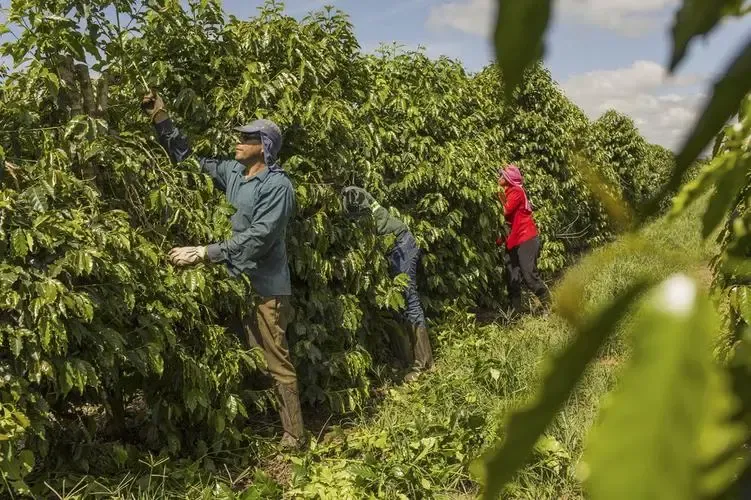
Local cultivation mainly selects Robusta, which has stronger wind resistance, and it currently accounts for about 80% of the state; however, in the southern part of the state, Arabica varieties predominate. Due to moderate temperatures and a suitable geographical environment, Arabica produced in Espírito Santo has performed well in recent years. For example, Córrego da Liberdade estate, located in the state, won 5th place with 88.88 points in the washed category of Brazil's 2023 COE.
Córrego da Liberdade estate is managed by Jeremias Lietig Braga. Jeremias is a fourth-generation coffee producer; his great-grandfather came from Germany to the mountains of Espírito Santo, and since then the family has grown coffee here. Today Jeremias and his wife take care of the coffee trees here together, and they own a small processing facility, so everything from harvesting to processing is personally handled by Jeremias, ensuring the production of high-quality coffee.
The above content is compiled by CoffeeHunters, a coffee news website.


