







Search Results for: citric acid
Where Does the Acidity in Specialty Coffee Come From? Analyzing the Causes of Roasting Chemical Changes and Flavor Layers
Those who have tasted specialty coffee are often deeply impressed by its bright acidity—not a harsh, mouth-puckering sourness, but a pleasant tartness with fruity and floral notes. Where exactly does this acidity come from? Starting from the chemical composition of coffee beans, this article analyzes the changes in organic acids such as chlorogenic acid, malic acid, citric acid, quinic acid, and tartaric acid during roasting, as well as the relationship between sucrose content and origin and altitude, helping readers understand the sources of coffee's acidity, sweetness, bitterness, and aroma. Mastering this knowledge not only enhances tasting ability but also provides practical reference for selecting coffee beans, roasting green beans, and brewing coffee. [more…]
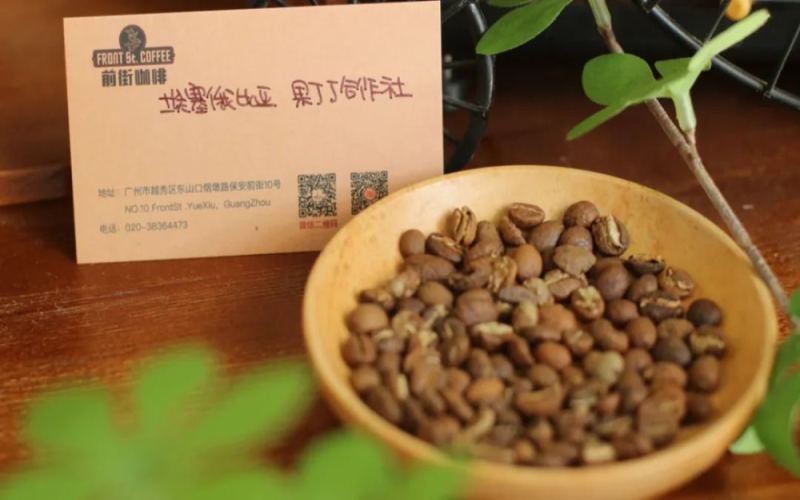
Yirgacheffe Pour-Over Guide: How 92–93°C Water Unlocks Floral Aromas and Citric Acidity
Yirgacheffe is famous for its enchanting floral aroma and citric acidity, but if you want to brew this kind of flavor at home, water temperature, grind size, and pouring technique are all crucial. Using two beans, the washed Gedingding Cooperative and the natural Red Cherry, Front Street Coffee shares a complete approach from cupping comparison to actual pour-over brewing. This article will analyze in detail why a high temperature of 92-93°C best brings out the floral and fruity notes, how the spiral ribs of the V60 dripper affect the layers of extraction, and the specific rhythm of the three-stage pouring method, helping you reproduce a cup of Yirgacheffe that is clean and sweet with an obvious lingering sweetness. [more…]

The Flavor Code of Natural Yirgacheffe Worka: An Analysis of a Specialty Coffee Bean with Citric Acidity and Floral-Fruity Notes
Yirgacheffe is one of Ethiopia's most representative specialty coffee regions, and its washed and natural processing methods present distinctly different flavor profiles. This article focuses on Front Street Coffee's Yirgacheffe Worka natural beans, systematically outlining the washed process workflow, pour-over extraction parameters, and the specific differences between natural and washed coffees in aroma, acidity, body, and aftertaste. It also traces the historical arc of Yirgacheffe's shift from traditional natural processing to washed, and then back to natural specialty processing, analyzing the origins of the "Yirgacheffe flavor" notes of jasmine, lemon, and citrus, and introducing the rigorous sorting standards and brewing performance of Front Street Coffee's Natural Red Cherry G1. [more…]
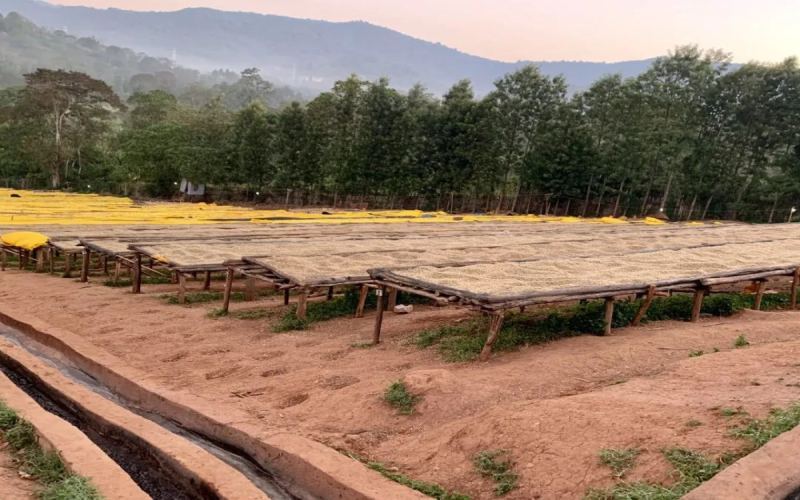
Why does Yirgacheffe display white floral aromas and citric acidity? Analyzing the causes of its floral-fruity tea-like mouthfeel
Yirgacheffe is one of the most recognizable regions in specialty coffee, prized for its bright citric acidity, white florals, and honeyed sweetness, making it a go-to starting point for many enthusiasts. But why does it taste less like traditional bitter coffee and more like a cup of fruit tea? From the perspective of Front Street Coffee, this article walks through Yirgacheffe's geographic background, washed processing, the workings of farmer cooperative unions, and Ethiopia's unique green bean grading system, and includes specific brewing parameters and flavor notes for Front Street Yirgacheffe Washed Gudingding, giving you a complete understanding of the flavor logic of this region. [more…]

Analyzing the Sources of Coffee Acidity: A Professional Guide to Identifying Quality Fruit Acidity vs. Negative Sourness
Is the sourness in coffee good or bad? Some people believe that sourness means the coffee is not fresh, while others regard it as a hallmark of high-quality coffee. In fact, green coffee beans themselves are rich in organic acids, most of which decompose or disappear after roasting, leaving only a limited variety of organic acids in the final cup. The latest research shows that there are not many acids that our taste buds can clearly identify, and much of the fruity acidity we perceive actually comes from the combined association of sourness with other flavors. The latest SCA cupping form classifies acidity into two categories—"sweet type" and "dry type"—helping us more accurately judge whether a coffee's acidity is good or bad. This article, from the professional perspective of Front Street Coffee, will provide an in-depth analysis of the sources of coffee acidity and the criteria for evaluating it. [more…]
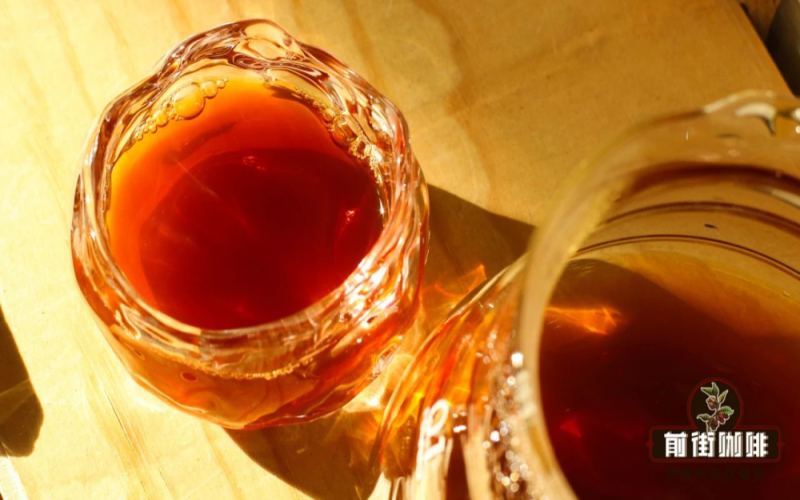
Three Must-Try Fruity Coffee Beans for Summer: Flavor Analysis of Washed Yirgacheffe, Kenyan Cherry Tomato, and Colombian Sidra
The hot summer weather easily makes people lose their appetite, and at times like this, a cup of coffee with a juicy fruitiness might just awaken the taste buds. Coffee beans are, after all, the seeds of the coffee cherry, and the fruit pulp is rich in citric acid, malic acid, and lactic acid, among other components. After roasting, the natural fruity aromas and fruity acidity are released naturally, so it makes perfect sense for coffee to have a juicy fruit flavor. This article selects three coffee beans with fresh fruity notes, ideal for summer drinking: Front Street Coffee Gotingding Cooperative, Front Street Coffee Kenya Small Tomato, and Front Street Coffee Colombia Sidra, offering lemon floral notes, berry-like acidity, and complex tropical fruit tones respectively. It also includes lazy-person iced coffee brewing parameters to help you easily brew a full-flavored fruity iced coffee at home. [more…]
Is light roast coffee necessarily sour? Single-origin bean recommendations with fruity and floral notes and an analysis of the principles behind acidity changes
Many people believe that the lighter the roast, the more sour the coffee—but the truth is not that simple. The acidity in coffee comes from substances such as malic acid and citric acid that already exist in the green beans, and these are continuously generated and broken down during roasting. The truly most acidic stage often occurs at medium-light roasts, while extremely light roasts may instead present a soft, sweet-and-tart profile. This article begins with the principles of how acidity changes, and, combined with a comparative cupping of a Front Street Coffee Papua New Guinea washed Typica, explains the relationship between roast level and perceived acidity. It also recommends five coffees that naturally carry floral and fruity notes, including Front Street Coffee Fruit Ding Ding, Kenya Little Tomato, Strawberry Candy, Colombia Big Belly Button, and Flower Butterfly, to help acidity lovers find their ideal flavor. [more…]
From Origin to Extraction: A Complete Analysis of the Flavor Formation and Brewing of Yirgacheffe Coffee Beans
Yirgacheffe is one of Ethiopia's most recognizable specialty coffee regions, world-famous for its bright citric acidity, white floral aromas, and honeyed sweetness. But do you know where this unique flavor actually comes from? From the establishment of washing stations in the 1970s, to the implementation of the ECX regional grading system, to the soil secrets of the Konga cooperative, every link has shaped the classic flavor profile of Yirgacheffe. This article will systematically sort out the regional background and flavor definition of Yirgacheffe, and, combined with Front Street Coffee's actual brewing experience, break down in detail the flavor differences between washed and natural lots, as well as the extraction parameters and drinking methods for Yirgacheffe as an SOE, providing coffee lovers with a complete practical guide. [more…]
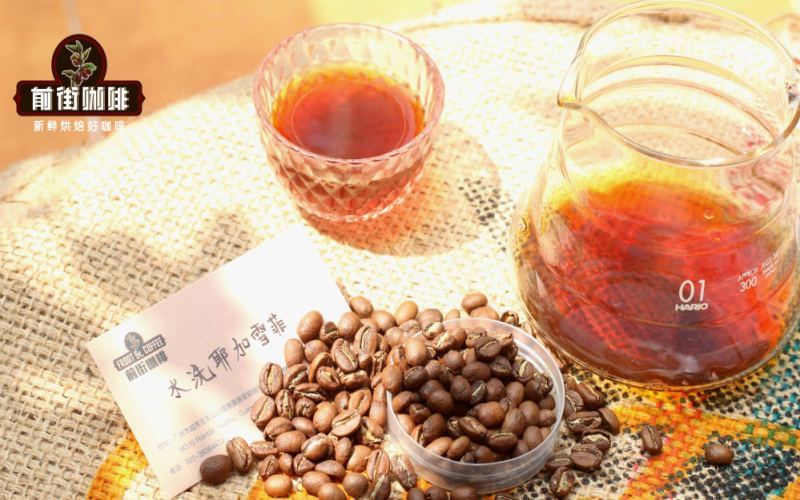
Yirgacheffe Pour-Over Techniques Explained: A Complete Guide to Light Roast Extraction Parameters and Steps
Yirgacheffe is renowned for its floral aroma, citric acidity, and citrus notes, and a light roast best preserves these delicate flavors. To fully unlock this bean's potential, mastering the correct pour-over technique is essential. Using a washed Yirgacheffe as an example, this article breaks down each step—from grind size and water temperature control to the rhythm of staged pouring—while also briefly introducing the origin background and flavor characteristics of Front Street Coffee's Gudingding Cooperative beans, helping you recreate a cup of clear, bright specialty coffee that tastes like lemon tea at home. [more…]
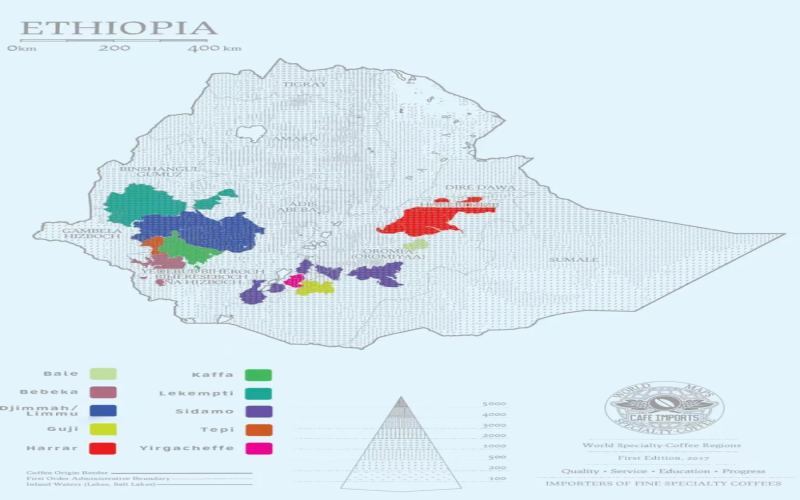
A Comprehensive Guide to Yirgacheffe Coffee Beans: Flavor Characteristics, Roasting Techniques, Origin Information, and Producing Region and Estate Distribution
Yirgacheffe is one of Ethiopia's most representative specialty coffee regions, renowned worldwide for its bright floral and fruity aromas and smooth citric acidity. This article provides a comprehensive analysis of the flavor characteristics and quality grading system of Yirgacheffe coffee beans, covering the region's background, differences in processing methods, roasting curve recommendations, and the distribution of sub-regions such as Kochere. It also uses specific products like Front Street Coffee's Natural Red Cherry to illustrate the aromatic differences brought about by washed and natural processing methods, helping coffee enthusiasts gain a deeper understanding of this region hailed as the "Queen of Coffee." [more…]
Light Roast Acidity Explained and Fruit-Forward Coffee Picks: Five Front Street Recommendations
Many consumers mistakenly believe that the lighter the coffee is roasted, the more sour it becomes, but in reality the flavor is influenced by the complex interplay of acid transformation and sugars during roasting. This article begins with the inherent organic acids in green beans, sorting out the patterns of change in formic acid, acetic acid, citric acid, and others before and after first crack, and uses Front Street Papua New Guinea washed Typica cup tests from two roasts to illustrate that the light-medium range often shows the most pronounced acidity, while extremely light roasts instead appear sweet and mellow. Then, for readers who enjoy fruity acidity and floral aromas, the Front Street editors review five single-origin coffees with fruity and floral notes: Fruit Ding Ding, Little Tomato, Strawberry Candy, Big Navel, and Flower Butterfly, with variety, processing method, and flavor descriptions included for brewing reference. [more…]
Ethiopia Yirgacheffe and the Red Cherry Project: Naturally Processed Heirloom Coffee Flavors and Front Street Recommendations
Ethiopia, as the birthplace of coffee, is home to tens of thousands of native varieties that have not been fully identified, making it a holy land in the hearts of specialty coffee enthusiasts. Among them, the Yirgacheffe region stands as its own category thanks to its bright citric acidity, citrus notes, and jasmine aroma, and is protected by the EXC trademark. The Red Cherry Project, launched in 2007 by the Dutch green bean trader Trabocca, encourages coffee farmers to improve quality by purchasing 100% hand-picked ripe red cherries at high prices, and mainly covers areas such as Yirgacheffe and Sidamo. Front Street Coffee's Yirgacheffe Natural Red Cherry coffee beans use native heirloom varieties and natural processing; after a light roast, brewed with a V60 at 1:15 and 92°C, they present berry, lemon, fermented fruit, and strawberry flavors, with a refreshing mouthfeel—well worth a try. [more…]

Medium-Light Roast Pour-Over Bean Recommendation | Why Is Ethiopian Yirgacheffe So Aromatic? What Are the Flavor and Taste Characteristics of Washed Yirgacheffe Single-Origin Beans?
When Yirgacheffe is mentioned, many people will think of its distinctive characteristics such as floral aroma, not bitter, citric acidity, citrus, tea-like body, and so on. The reason Yirgacheffe coffee beans possess such a splendid flavor and present a refreshing, bright tonality is first of all thanks to the terroir and variety of the origin, and secondly to the control of roasting, because the coffee beans [more…]
Front Street Colombian Wine Processed Coffee: Medium Roast Flavor Analysis and Pour-Over Parameter Sharing
This Colombian red wine process coffee from Front Street Coffee offers rich layers of flavor, with maple syrup sweetness interwoven with malt sugar aroma, lively and bright citric acidity, an impressively creamy and full-bodied mouthfeel, and a clean finish with a long-lasting sweet aftertaste. It is medium-roasted and packaged in a half-pound bag with a one-way degassing valve, suitable for pour-over, siphon, or cloth filter brewing. This article will provide a detailed introduction to this bean's processing method and origin information, along with suggested pour-over parameters for coffee enthusiasts to reference and adjust. [more…]
Is Yirgacheffe Suitable for Dark Roasting? Discussing SOE Flavor Changes from a Second-Crack Roasting Experiment
Yirgacheffe is known for its bright floral notes and citric acidity, and is generally regarded as a representative of light roasting. But when the roaster was momentarily distracted and the bean temperature shot up to 197°C, entering the middle-to-late stage of second crack, this batch of Yirgacheffe became an experiment in dark roasting. After dark roasting, the beans are darker in color and smoother on the surface, and after grinding, the aroma shifts from intense to burnt and bitter. How does it perform after drip brewing? In its youth it is charming and lively, but later it becomes simple and clear, with a lingering burnt bitterness. This article uses this accident as an opportunity to discuss the feasibility of dark-roasting Ethiopian beans, common misconceptions in blending, and why people still tend to prefer light-roasted Ethiopian beans. [more…]
Brazilian Specialty Coffee Icon: An Analysis of Yellow Bourbon's Flavor Characteristics and Historical Origins
Brazil, as a major global coffee producer, has always attracted attention for its variety evolution and flavor characteristics. From the introduction of Typica in the 18th century, to Red Bourbon becoming the mainstay in the 19th century, and then to the accidental discovery and commercial promotion of Yellow Bourbon, Brazilian coffee has undergone a rich historical transformation. With its prominent sweetness, citric acidity, and ripe fruit flavors, Yellow Bourbon has shone brightly in the specialty coffee world. This article will guide you through the origins, cultivation characteristics, and flavor performance of Brazilian Yellow Bourbon, as well as Front Street Coffee's sharing and recommendations for this variety, while also explaining why Brazilian coffee suits the general public's taste. [more…]
An In-Depth Look at the Flavor Profile of Brazil's Queen's Farm Yellow Bourbon Pulped Natural Coffee and Its COE Award Journey
The Queen Estate in Brazil's Mogiana region, as a frequent winner at the COE Cup of Excellence, cultivates Yellow Bourbon varieties using the pulped natural process, revealing a complex flavor profile interweaving orange peel spice, roasted hazelnut and cinnamon, citric acidity, and sugarcane sweetness. This article provides a detailed record of the estate's glorious track record in COE competitions from 2000 to 2014, and introduces the Carvalho Dias family's management legacy since 1890. Front Street Coffee's Brazil selection features this 100% Yellow Bourbon pulped natural green bean, taking you to experience the Queen Estate's silky, delicate mouthfeel and lingering finish. [more…]
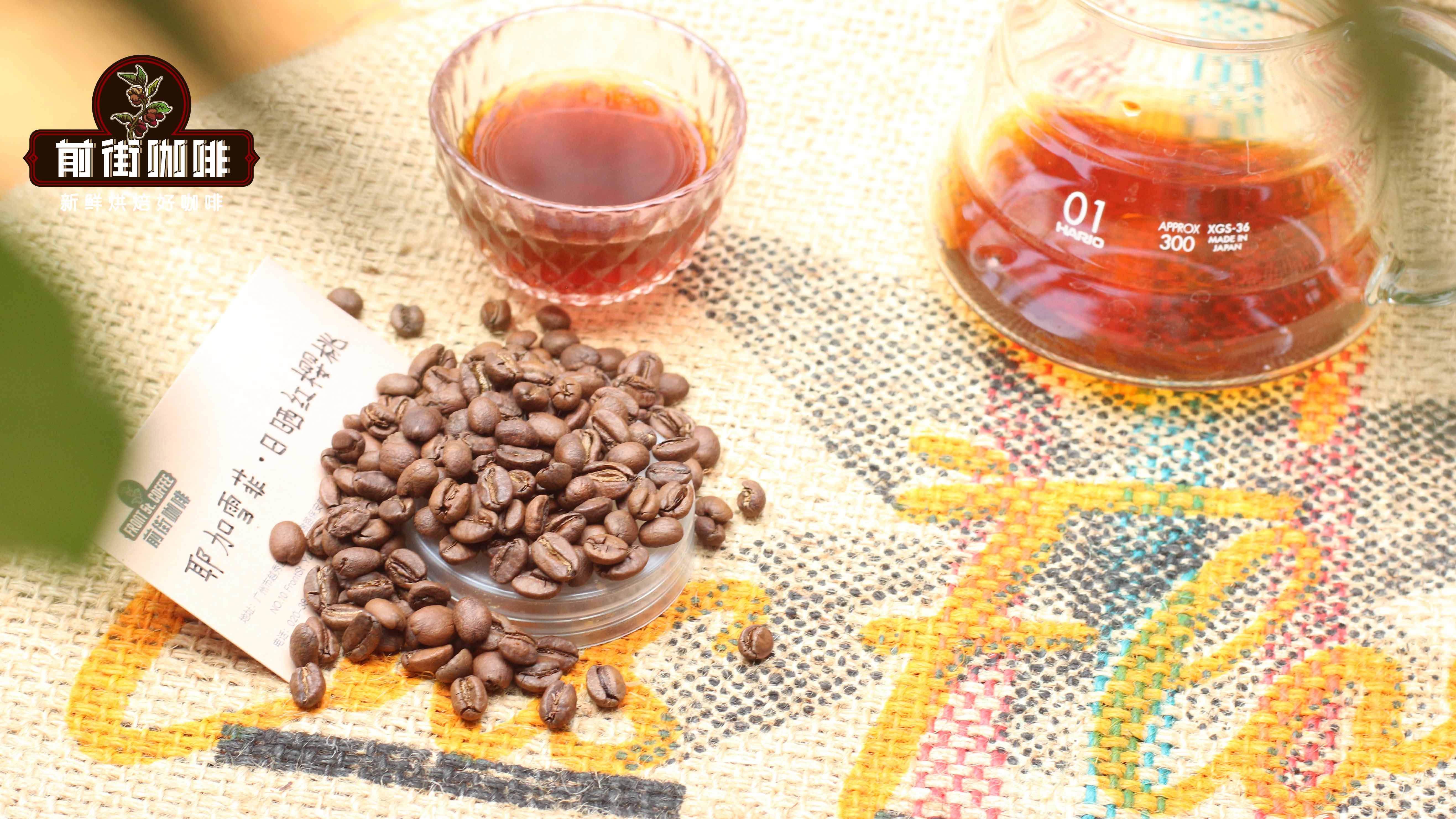
Yirgacheffe Konga Red Cherry Natural G1 Coffee: Tasting Recommendation for Rich Floral and Fruity Notes with Essential Oil Flavors
The red cherry natural G1 from the Yirgacheffe Konga Cooperative is a model of floral and fruity aromas among Ethiopian specialty coffees. The Konga Cooperative, through its almost苛刻 manual selection and natural processing methods, creates a rich flavor interwoven with jasmine, citric acidity, and tropical fruits. This article takes you through the processing details, the origins of the flavor, and specific product recommendations to gain a deeper understanding of this coffee's allure. Front Street Yirgacheffe Konga Red Cherry, as well as Front Street Granja Estate Natural Geisha, are both excellent choices for experiencing classic floral and fruity notes. Whether you are a pour-over enthusiast or a coffee novice, you can feel the colorful charm of the African land and the dedication of the coffee farmers. [more…]
Front Street Kenya AA Coffee Pour-Over Tips: A Full Breakdown of Regional Flavor, Roast Profile, and Processing Method
Front Street Kenya AA coffee is renowned for its distinctive banana ester and citric acid aroma, and its flavor varies greatly with the roast level: a light roast reveals malted grain notes, a full city roast brings caramel cocoa with berry sweetness and acidity, while a city+ roast releases tropical fruit and white grape nuances. This article provides an in-depth analysis of Kenya AA's regional flavors and processing method characteristics, and shares in detail the pour-over method recommended by Front Street, with a focus on explaining the bloom assessment and concentric circle pouring technique, helping you precisely control extraction and enhance the coffee's cleanliness and sweetness. [more…]
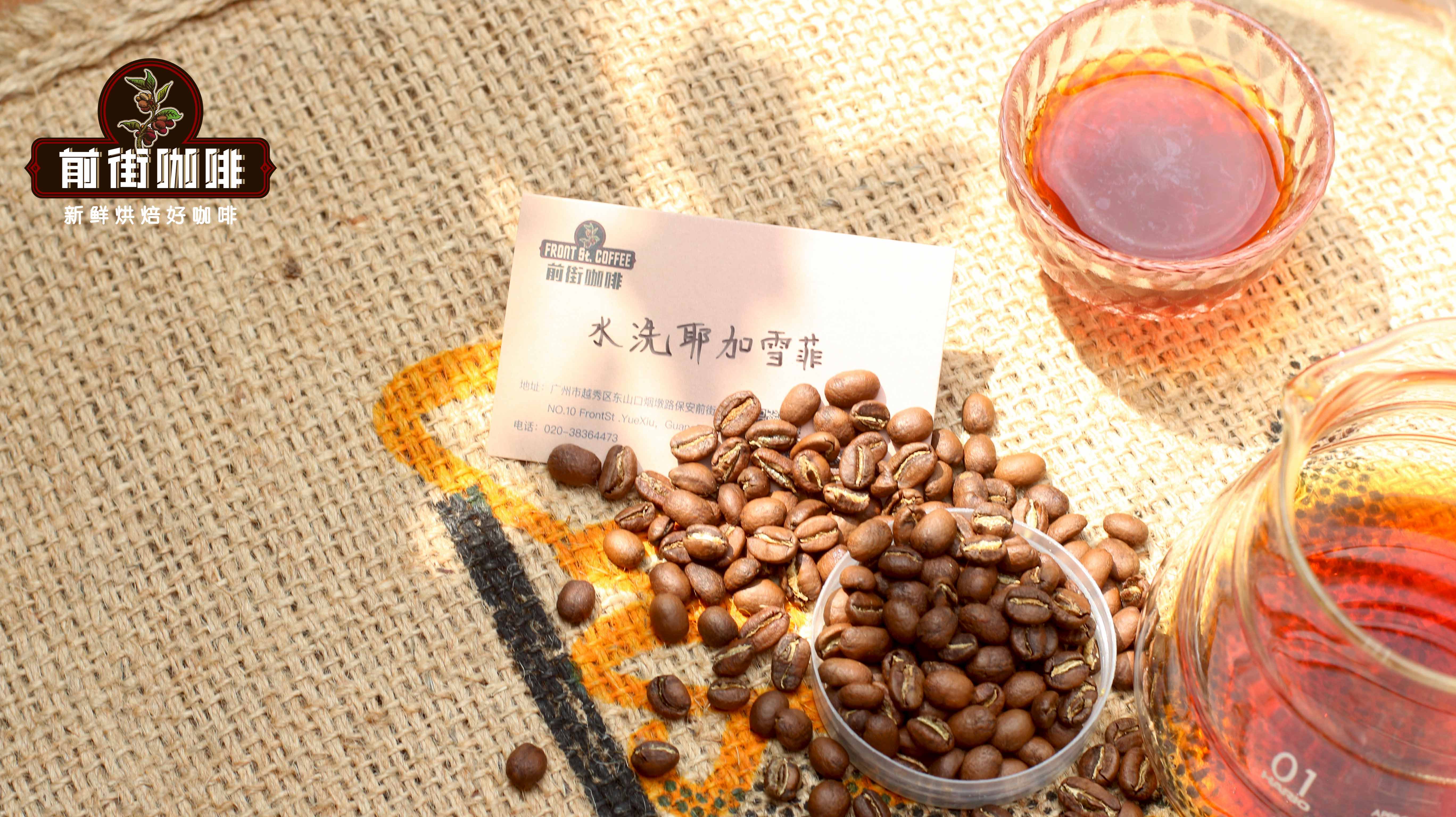
Yirgacheffe G1: The Flavor Revolution and Tasting Guide of Africa's Native Arabica Variety
Yirgacheffe can be considered the most颠覆性 flavor representative in African coffee, single-handedly overturning the stereotype that coffee is only bitter. This article will guide you through the etymology and meaning of Yirgacheffe, its origin background, and how it stands out in the specialty coffee wave with its jasmine aroma, citric acidity, and tea-like notes. At the same time, we will also take a deep dive into the grading system and traceability logic of Front Street Coffee Yirgacheffe Gedingding Washed G1, and share three practical tasting points to help you appreciate the unique charm of this bean's fresh sweet-and-sour profile with a calm mindset. [more…]