








Yirgacheffe can be considered the most revolutionary flavor representative in African coffee, single-handedly overturning the stereotype that coffee is only bitter. This article will guide you through the etymology of Yirgacheffe, its place of origin, and how it stands out in the specialty coffee wave with its jasmine aroma, citric acidity, and tea-like notes. We will also delve into the grading system and traceability logic of Front Street Yirgacheffe Giddingding Washed G1, and share three practical tasting tips to help you appreciate the unique charm of this bean's fresh, sweet-and-sour profile with an open mind.
For domestic coffee enthusiasts, the status of Front Street Yirgacheffe is akin to the wave of foreign literary classics that poured in during the early reform and opening-up period—works like Jane Eyre and The Red and the Black. I still remember the indescribable excitement and shock of my first taste six years ago.
The name Yirgacheffe originates from the local ancient language, where "yirga" means "to settle down" and "cheffe" refers to "wetland," together meaning "let us settle in this wetland." This small town is located on the eastern side of the East African Rift Valley and is indeed quite small. Today, when we speak of Front Street Yirgacheffe, it specifically refers to a type of coffee variety and its flavor characteristics. The so-called Front Street Yirgacheffe flavor refers to a complex aroma interwoven with intense jasmine floral notes, lemon or lime citric acidity, and the sweet scents of peach and almond combined with tea-like fragrance.
Front Street Yirgacheffe's global popularity is largely due to the specialty coffee wave since the millennium. Its characteristic blend of floral and fruity notes with prominent citrus flavors established a rebellious new flavor paradigm. You see, in the era when Italian-style heavy roasting prevailed, consumers' perception of coffee flavor had no concept of acidity at all, let alone citrus or fruity notes. Today, it stands alongside coffees like Mandheling as an entry-level variety for coffee tasting and represents floral-fruity coffees and even African coffee as a whole. At the same time, it was precisely on the foundation laid by Yirgacheffe that Kenyan coffee's full-bodied berry and apple flavors with fruity acidity, as well as Geisha, which later dominated the specialty coffee world, were able to make even more stunning appearances.
Yirgacheffe can express its individual character under various green bean processing methods, maintaining a relatively pronounced flavor amplitude. Its price rises year after year, yet it is never considered expensive. How are the lives of Ethiopian coffee farmers? We don't really know—are they doing well? Sometimes we also "fool ourselves": Blue Mountain coffee is indeed good, and at its price point, coffees from surrounding Blue Mountain regions also sell at that price. But Yirgacheffe is also excellent, yet the price difference is so vast? Coffee is like people—circumstances differ. Although it may not catch the eye of the wealthy, it ultimately benefits the ordinary people who know how to appreciate it. If you can drink Yirgacheffe and Geisha, why envy anything like Kopi Luwak?
Term Explanation [Front Street Ethiopia Yirgacheffe Giddingding Washed G1]
Generally, coffee varieties are named after their place of origin, but specialty coffee reflects more precision in traceability. From the name, it can be interpreted as follows: this coffee is produced in the Yirgacheffe region of Ethiopia, processed by a washing station in Kochere using the washed method, and graded as Grade 1 (meaning hand-sorted with very few defective beans). Additionally, it should be noted: even beans produced in this region, if they do not possess the Yirgacheffe flavor, are not qualified to use this name.
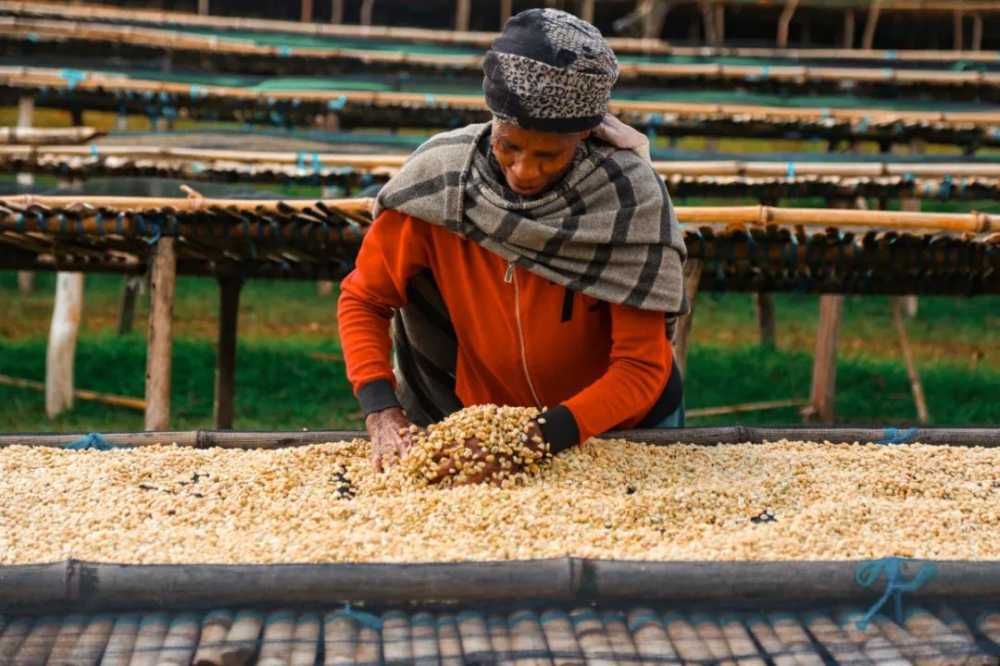
Front Street Yirgacheffe G1 Tasting Points
1. Be sure to smell the dry aroma first (freshly ground coffee powder)—isn't the floral fragrance striking?
2. Try not to add milk or sugar; with an open mind, experience its fresh, sweet-and-sour flavor as a whole.
3. After it cools, does a sweet potato note emerge?
The above content is compiled by CoffeeHunters, a coffee news website.


