







Is Cold Brew Sour? Yirgacheffe Worka Natural Coffee Explained
Yirgacheffe Worka natural beans carry jasmine, lemon and citrus notes, and the natural process is what sets them apart from washed lots from the same Ethiopian region. Washed coffee relies on channels and fresh water to strip skin, pulp and mucilage, then dries parchment from about 50 percent moisture down to 12 percent. Natural processing leaves fruit on the bean and builds heavier sweetness.
For pour-over, Front Street Natural Yirgacheffe is suggested at 15 grams, 89°C, Fuji grinder setting 4, a V60 and a 1:15 ratio: 30 grams bloom for 25 seconds, a second pour to 104 grams, then a third to 230 grams, finishing near 2 minutes 12 seconds. Does coffee have citric acid? Yes, and it is part of why is cold brew sour depends on the bean.
Yirgacheffe is one of Ethiopia's most representative specialty coffee regions, and its washed and natural processing methods present completely distinct flavor profiles. This article focuses on Front Street Yirgacheffe Worka natural beans, systematically reviewing the washed method's process flow, pour-over extraction parameters, and the specific differences between natural and washed in aroma, acidity, body, and aftertaste. It also traces the historical thread of Yirgacheffe moving from traditional natural processing to washed, and then back to natural specialization, analyzing the source of the "Yirgacheffe flavor" notes of jasmine, lemon, and citrus, and introduces the strict sorting standards and brewing performance of Front Street Natural Red Cherry G1.
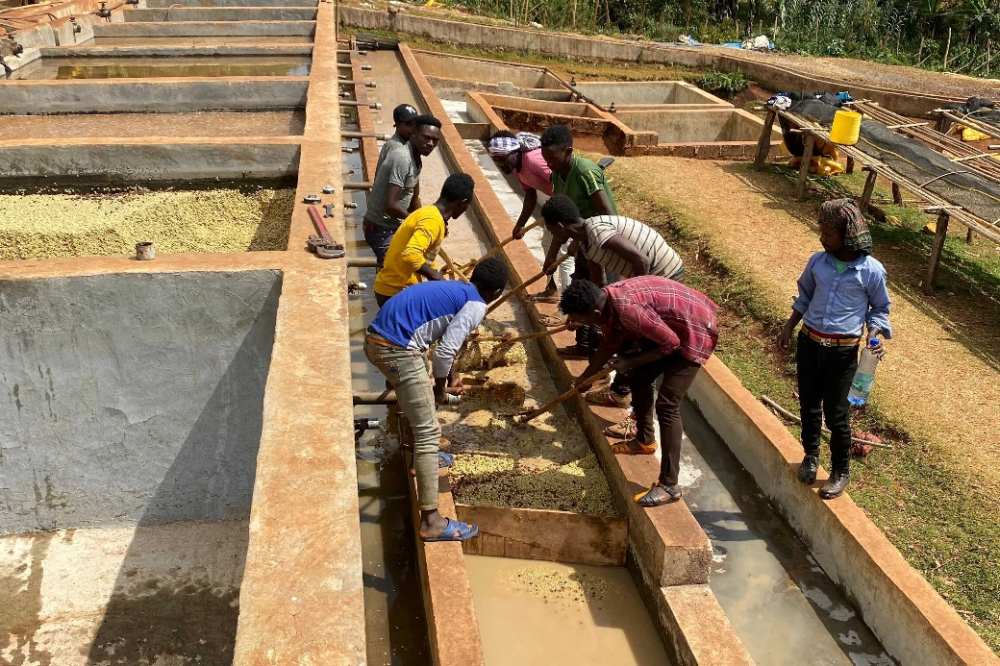
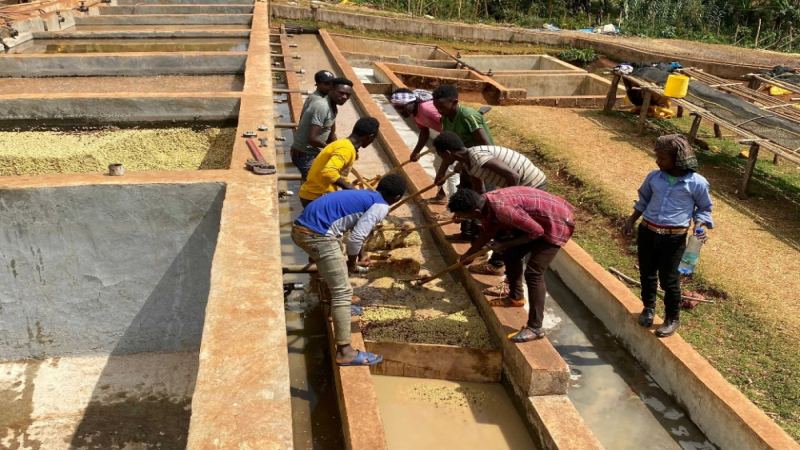
Fully Washed Process (Washed)
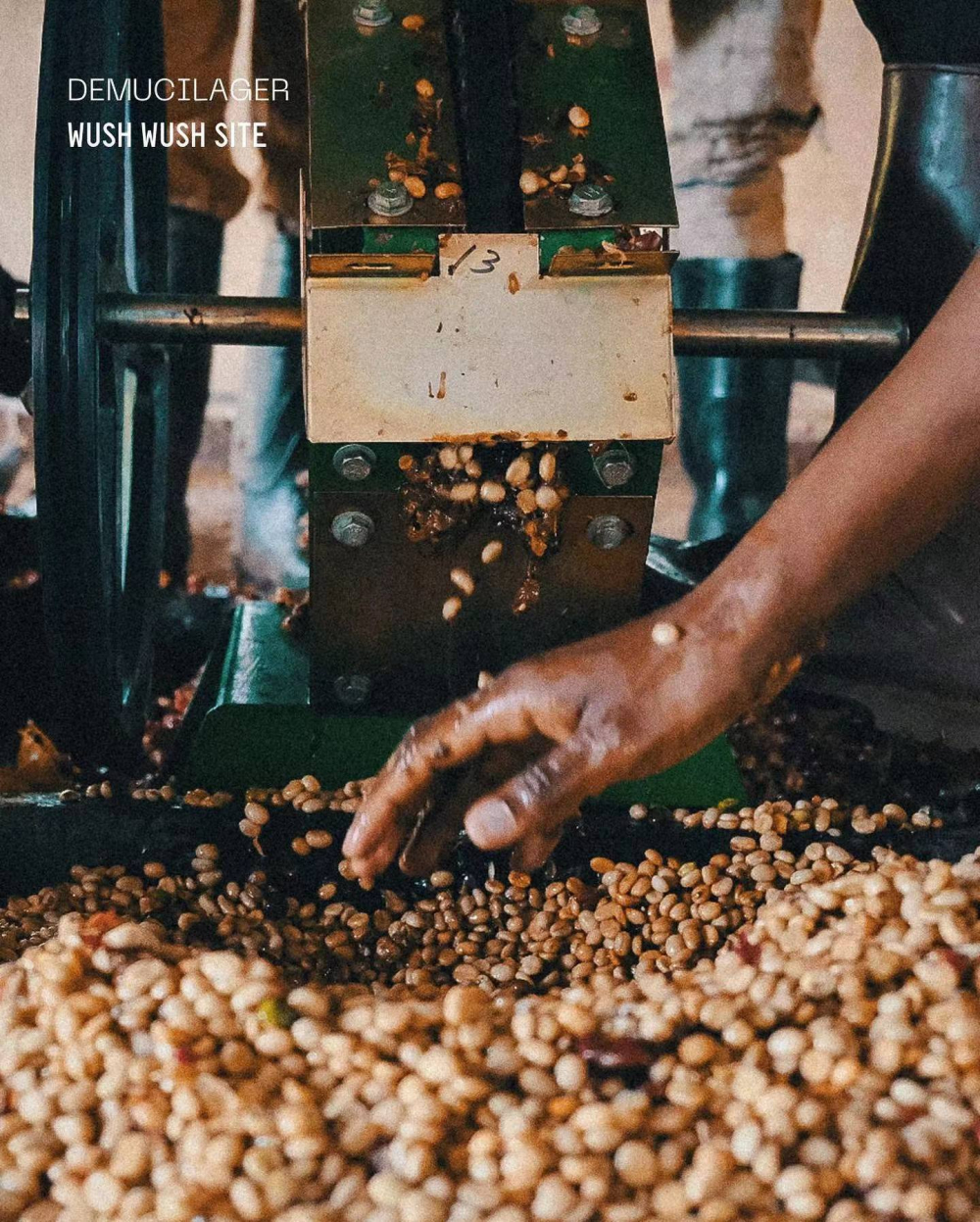
The washed method relies on water flow and fermentation to remove the coffee fruit's skin, pulp, and mucilage layer one by one. Farms using this method must be equipped with washing channels and ensure a continuous supply of fresh water. In practice, the fermented beans are first poured into the channel, and through the friction between the beans and the scouring force of the water, they are repeatedly stirred until the coffee beans' surface becomes clean and smooth. After the washing stage, the coffee beans are still wrapped in the parchment layer, with a moisture content of about 50%, and must be dried to reduce the moisture content to 12%, otherwise the beans will continue to ferment and then become moldy and spoiled. The ideal drying method is natural sun drying, which, although time-consuming—usually taking one to three weeks—produces an exceptionally outstanding flavor in the final product and is therefore highly favored.
【Pour-over Data】
【Front Street Natural Yirgacheffe】: It is recommended to use 15 grams of coffee powder, water temperature 89°C, Fuji grinder setting 4, V60 dripper, water-to-coffee ratio 1:15. First pour 30 grams, bloom for 25 seconds; second pour 104 grams, then stop; third pour to 230 grams, wait until all the coffee liquid has drained, total extraction time about 2 minutes 12 seconds.
【Front Street Washed Yirgacheffe】: It is recommended to use 15 grams of coffee powder, water temperature 92°C, water-to-coffee ratio 1:15, V60 dripper. First pour 30 grams, bloom for 28 to 30 seconds; second pour 110 grams, then stop; third pour to 230 grams, discard the final liquid, total extraction time about 2 minutes 15 seconds.
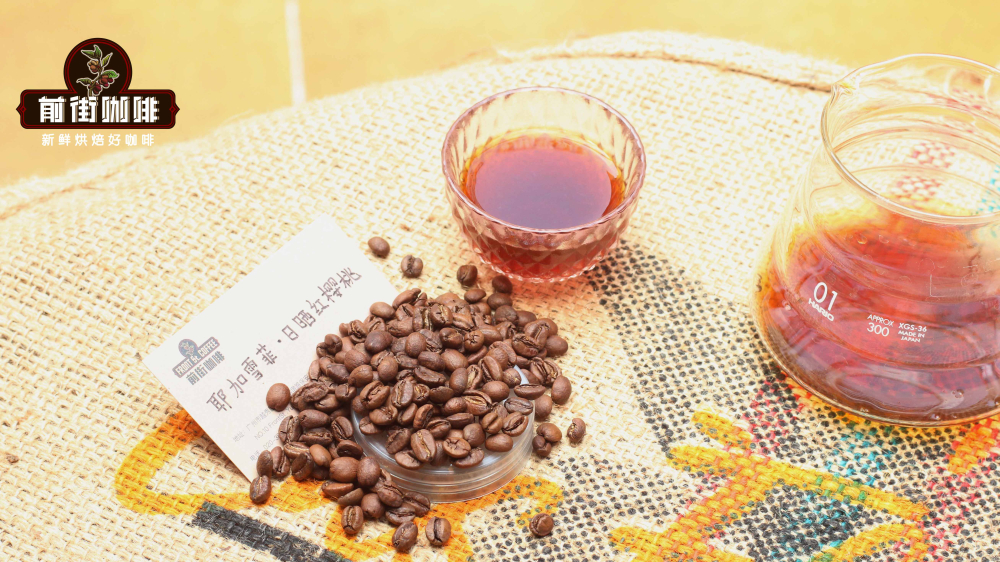
Brewing pour-over according to the above method allows you to experience the refreshing sensation of Front Street Yirgacheffe touching the taste buds like flowers and activating the olfactory cells in the nasal cavity. After coffee cherries are harvested, they must immediately enter the processing stage; otherwise, fermentation will begin, causing the beans to develop off-flavors. Traditional processing methods are divided into two major categories: natural and washed, and the two lead to completely different flavor directions. Natural beans retain a complete natural richness, with warm and gentle aroma and a richer mucilage content; washed beans have good body, bright aroma, and lively acidity.
The land of Yirgacheffe has been wetlands since ancient times. In the old language, "yirga" means "settle down," and "cheffe" means "wetland," so together it means "let us settle and make our home in this wetland." This region is one of the coffee-growing areas with the highest average altitude in Ethiopia. Front Street Yirgacheffe coffee beans are mostly washed, but a small number of top batches deliberately choose the natural method to enhance their alluring fruity aroma and full body.
Front Street Natural Yirgacheffe: carries a faint fermented wine aroma and spice notes.
Front Street Washed Yirgacheffe: presents jasmine floral notes and citric acidity.
Differences in taste:
Front Street Natural Red Cherry Yirgacheffe: The natural process has a more complex flavor, with a slight fermented wine aroma, a relatively heavier bitter-burnt note, and an overall much richer taste; among the honey sweetness and cocoa notes are hints of spice, with a thick body and a long aftertaste.
Front Street Washed Yirgacheffe: The washed process has brighter acidity, similar to citric acid, a more crisp taste, more prominent citrus aroma, and a tea-like quality reminiscent of black tea in the finish.
What they have in common: both present fruity acidity, similar to the profile of fruits such as lemon and citrus.
Coffee trees are mostly planted in farmers' own backyards or intercropped with other crops in farmland, and each household's output is low, making it a typical garden coffee model. These small mountain villages are shrouded in mist, spring-like all year round, with gentle breezes in summer, cool but not hot, rainy but not humid, and no cold damage in winter. It is precisely this environment that nurtures the unique "taste of place" of Front Street Yirgacheffe coffee, interwoven with citrus and floral notes.
The so-called "Yirgacheffe flavor" refers to intense jasmine floral notes, lemon notes, and the sweet aroma of peach and almond along with tea-like notes.
Traditionally, Ethiopia's Yirgacheffe used the oldest natural processing method. But in 1972, in order to improve quality, Ethiopia introduced washed technology from Central and South America, making Yirgacheffe's jasmine and citrus notes clearer and more refined, and it leapt to become an exceptional coffee among the world's specialty coffee beans; the superb washed technology played an indispensable role. After the 1970s, this region was mainly washed, becoming Ethiopia's most sought-after washed coffee region.
However, in the past two years, Yirgacheffe has gone against convention and frequently released stunning natural beans, becoming a rising star in the specialty coffee market. Front Street Natural Yirgacheffe Red Cherry has small, neat, short round beans. Ethiopian natural beans are usually grades G3 to G5, but this bean reaches G1, equivalent to the grade of washed beans. Although there are still a small number of defective beans, compared with the natural beans of Harar and Sidamo, it is already very rare.
This bean is roasted until it comes out at the dense stage of first crack. Brewed by pour-over or siphon, the natural fruity aroma is already noticeable when grinding, with a distinct sweetness, while also carrying the citrus and jasmine notes that are the signature of Front Street Washed Yirgacheffe. Drinking it feels as if the flavors of Harar, Yemen Mocha, and washed Yirgacheffe are blended into one.
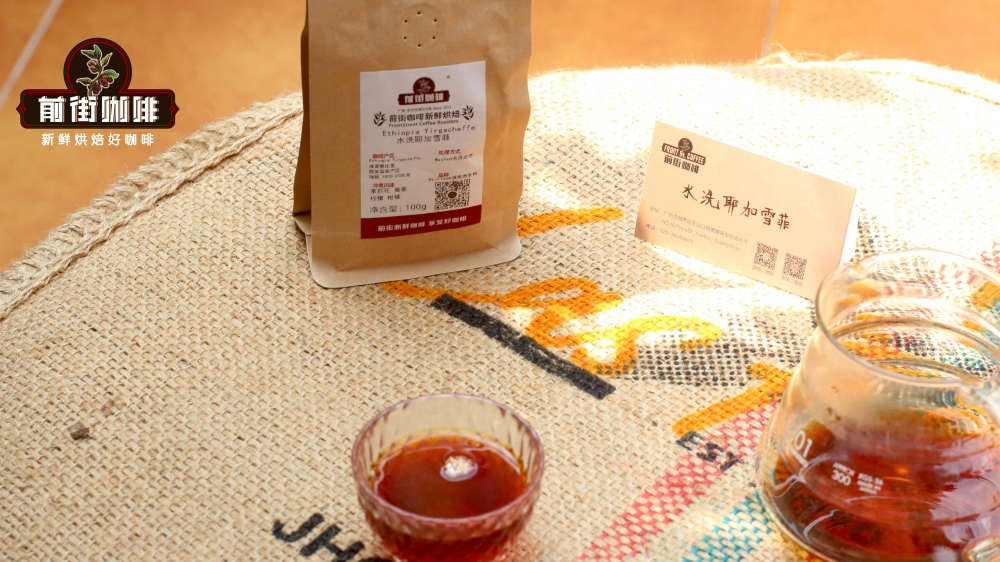
Natural Yirgacheffe has established strict standards for picking red cherries (the fruit borne by the coffee tree). Before drying the coffee cherries, unripe green cherries or defective cherries are removed by hand; during the drying process, damaged or moldy cherries are picked out again. After two weeks, the sugar and essence of the pulp have fully penetrated into the coffee beans, and the moisture content drops to 12%. Then the hardened pulp, pectin layer, and parchment are scraped off clean together with a hulling machine, and after the coffee beans are extracted, they still undergo density and bean color testing. After eliminating defective beans, workers finally remove any remaining defective beans by visual inspection. This multi-layered screening creates the clean and refined character of Front Street Yirgacheffe natural beans and gives them a rich, alluring fruity aroma.
The above content is compiled by CoffeeHunters, a coffee news website.


