








What Is Coffee Sugar in Yirgacheffe Pour-Over?
Washed Yirgacheffe is brewed as a pour-over with a medium-light roast, a grind close to No. 2 granulated sugar, and water around 90 to 93 degrees Celsius. Bloom the grounds first, then pour in stages, keeping the bed level so the citrus, floral and green tea notes come through without bitterness.
The citric acidity in light roast Yirgacheffe is part of its character, and a correct extraction keeps it bright rather than sharp. Beans from the Gedeo Zone, such as the Gedingding Cooperative at 1,900 to 2,300 meters, are graded G1 heirloom washed lots with prune, honey and tea notes, and they also work in a drip bag, French press or cold brew.
Yirgacheffe is renowned for its floral aroma, citric acidity, and citrus notes, and a light roast best preserves these delicate flavors. To fully unlock the potential of these beans, mastering the correct pour-over technique is essential. This article will use washed Yirgacheffe as an example, breaking down each step from grind size, water temperature control, to the rhythm of staged pouring, while also briefly introducing the origin background and flavor characteristics of Front Street Gedingding Cooperative coffee beans, helping you recreate a clear, bright, lemon-tea-like specialty coffee at home.
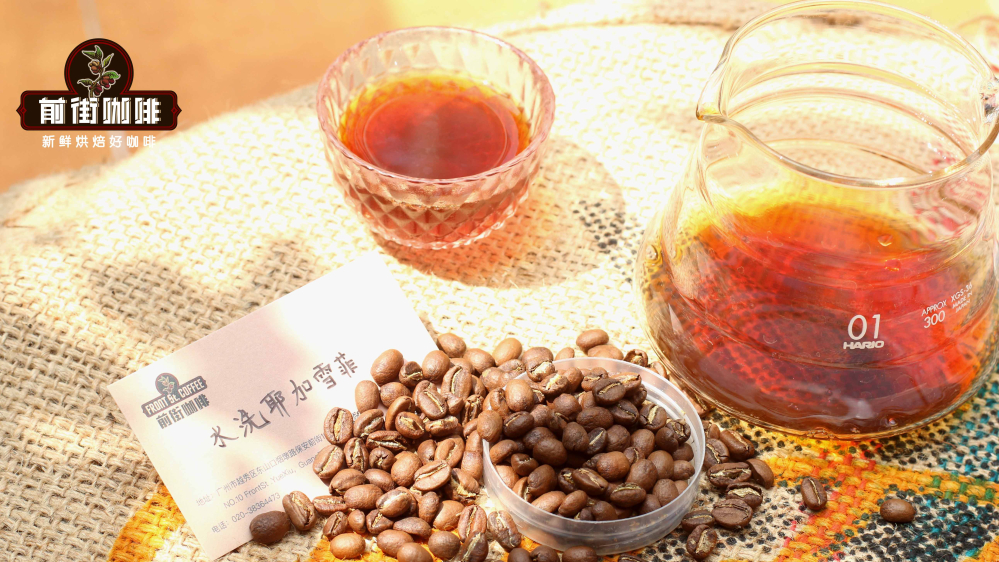
When it comes to Yirgacheffe, many people immediately think of signature descriptors like floral, not bitter, citric acidity, citrus, and tea-like. The reason this coffee bean can display such rich flavor layers and a refreshing, bright base is first due to the unique terroir and varieties of its origin, and second due to precise control during roasting. If the beans are heated too long, those precious floral and fruity aromas will be suppressed in the caramelization reaction, so compared with a dark roast, a medium-light roast Yirgacheffe can better bring out its own advantages.
You may all know that Yirgacheffe is a producing region in southern Ethiopia, but if further subdivided, you will find many distinctive small producing areas and cooperatives, such as the particularly delightfully named Front Street Gedingding. It not only has the typical flavor framework of Yirgacheffe beans, but also adds a layer of clear tea-like quality, tasting like lemon tea.
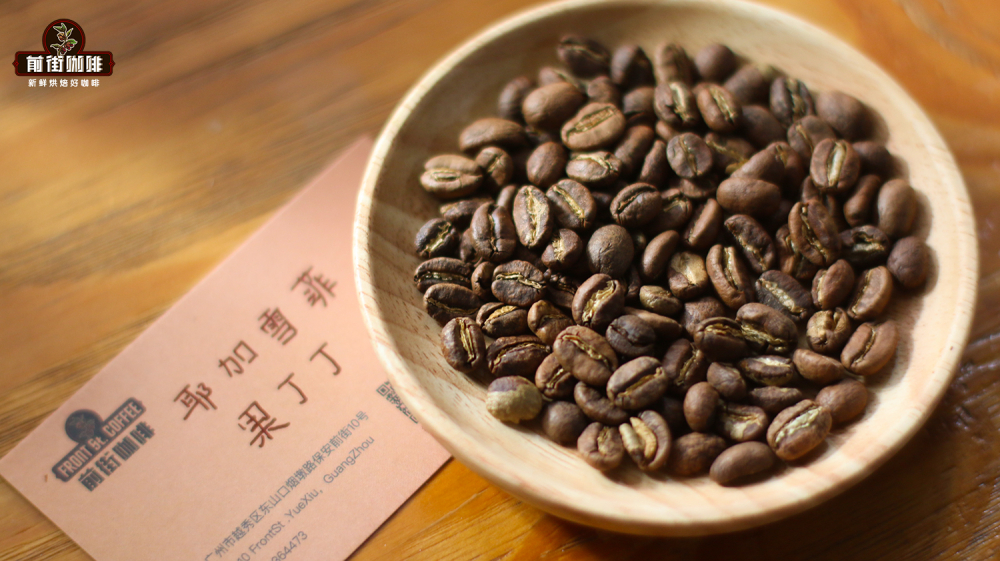
Washed Yirgacheffe recommendation — Front Street Gedingding Cooperative coffee beans Region: Yirgacheffe Gedeo Zone producing area Altitude: 1900-2300m Variety: Heirloom Processing method: Washed Grade: G1 Flavor: Citrus, green tea, prune, floral, honey
Brewing methods: Pour-over, drip bag, cold brew, French press, clever cup
Front Street washed Yirgacheffe Gedingding smallholder brewing sharing
Pour-over coffee usually uses Single Origin, that is, coffee beans from a single variety and single origin, and particular people may even roast and grind the beans themselves. Unlike instant mixed coffee that pursues "speed," single-origin coffee tastes purer and more alive.
1. Grinding: The standard particle size is like No. 2 granulated sugar. Whether using a hand grinder or an electric grinder, the key is uniform particles (generally the grinder setting is 3). Adjust the amount of coffee powder according to the number of cups (about 10-15g per person), but it is recommended not to brew more than 3 cups at a time.
2. Boiling water: The standard coffee-to-water ratio is about 1:15, adjustable according to personal preference. The recommended water temperature is around 88-90°C, which can be measured with a kettle thermometer after boiling.
3. Warming the cup: Fold the filter paper so it fits flat in the dripper. First use a little hot water to wet the filter paper and preheat the coffee pot, which can also remove the papery smell of the filter. Similarly, you can preheat the coffee cup with hot water first, then pour the water out.
4. Adding coffee grounds: Pour the coffee grounds into the dripper, and gently tap the side of the dripper so the surface of the coffee grounds is slightly level.
5. First pour: Bring the spout close to the edge of the dripper, start pouring from the center of the dripper, circle from the center to the outside and then back to the center, and stop after all the coffee grounds are wet. Be careful not to use too much water. At this time, white bubbles will appear on the surface of the coffee grounds, and they will begin to expand like a mushroom.
6. Blooming: Wait for the coffee grounds to stop expanding and for air holes to appear, about 30 seconds. At this point, some extracted liquid may already have started dripping below.
7. Second pour and bloom: After the bloom ends, begin the second pour and bloom again. Note that the water amount should be less than the first time, and the time should be shorter, about 10 seconds.
8. Third pour: After the second bloom ends, again start from the center and circle outward repeatedly, continuing to pour evenly. During pouring, carefully observe the coffee extraction speed. If the speed is too slow, it means coffee grounds have already settled, and you can use a stronger stream of water to break them open, then continue pouring evenly until the extracted coffee reaches the originally set water amount.
9. Removing the dripper: When the amount of extracted coffee is sufficient, stop pouring, and while the water level in the dripper is not lower than the coffee grounds, remove the dripper. Do not wait until the water has completely drained, because it is easy for the coffee grounds settled at the bottom of the dripper to cause bitter and astringent flavors in the extracted coffee.
Front Street washed "Yirgacheffe" Shinile smallholder (YCFCU)
Light roast
Flavor: Obvious jasmine floral aroma, rich fruity fragrance, citric acidity, delicate and elegant sweet-acid balance.
The above content is compiled by CoffeeHunters, a coffee news website.


