







Yirgacheffe is one of Ethiopia's most representative specialty coffee regions, renowned worldwide for its bright floral and fruity aromas and smooth citric acidity. This article provides a comprehensive analysis of Yirgacheffe coffee beans' flavor characteristics and quality grading system, covering the region's background, differences in processing methods, roasting curve recommendations, and the distribution of sub-regions such as Kochere. It also presents specific products like Front Street's Natural Red Cherry to illustrate the aromatic differences between washed and natural processing methods, helping coffee enthusiasts gain a deeper understanding of this region known as the "Queen of Coffee."
Ethiopia is the birthplace of coffee, and to this day, large numbers of wild coffee trees in its primeval forests are still harvested and utilized by local farmers. Although this country has long struggled with poverty, drought, and civil war, it still holds the position of the world's most important producer in terms of coffee quality and output. Ethiopia's coffee processing methods can be classified into two major categories: first, the natural washed method; second, the natural sun-dried method.
Today in Ethiopia, regardless of the region, cooperative, or small coffee farm, both processing methods are often used simultaneously to produce coffee beans. This is true whether it is the Yirgacheffe region familiar to Taiwanese consumers or the Sidamo province region. Moreover, in the current era of rapid development in the coffee industry, different regions not only bring flavor differences due to different processing methods—even when using the same processing method, adjustments in technique can cause changes in aroma and mouthfeel, often creating misleading impressions.
Taking Yirgacheffe natural beans and Sidamo natural beans as examples, there is a clear difference in aroma between the two, yet both retain the characteristics of washed coffee beans—gentle and subdued aromas, soft and understated citric acidity, high flavor consistency, and a focus on mouthfeel. Front Street Red Cherry, on the other hand, which uses the natural method, has a strongly prominent aroma, weaker citric acidity, and complex, ever-changing flavors, excelling in floral or fruity notes.
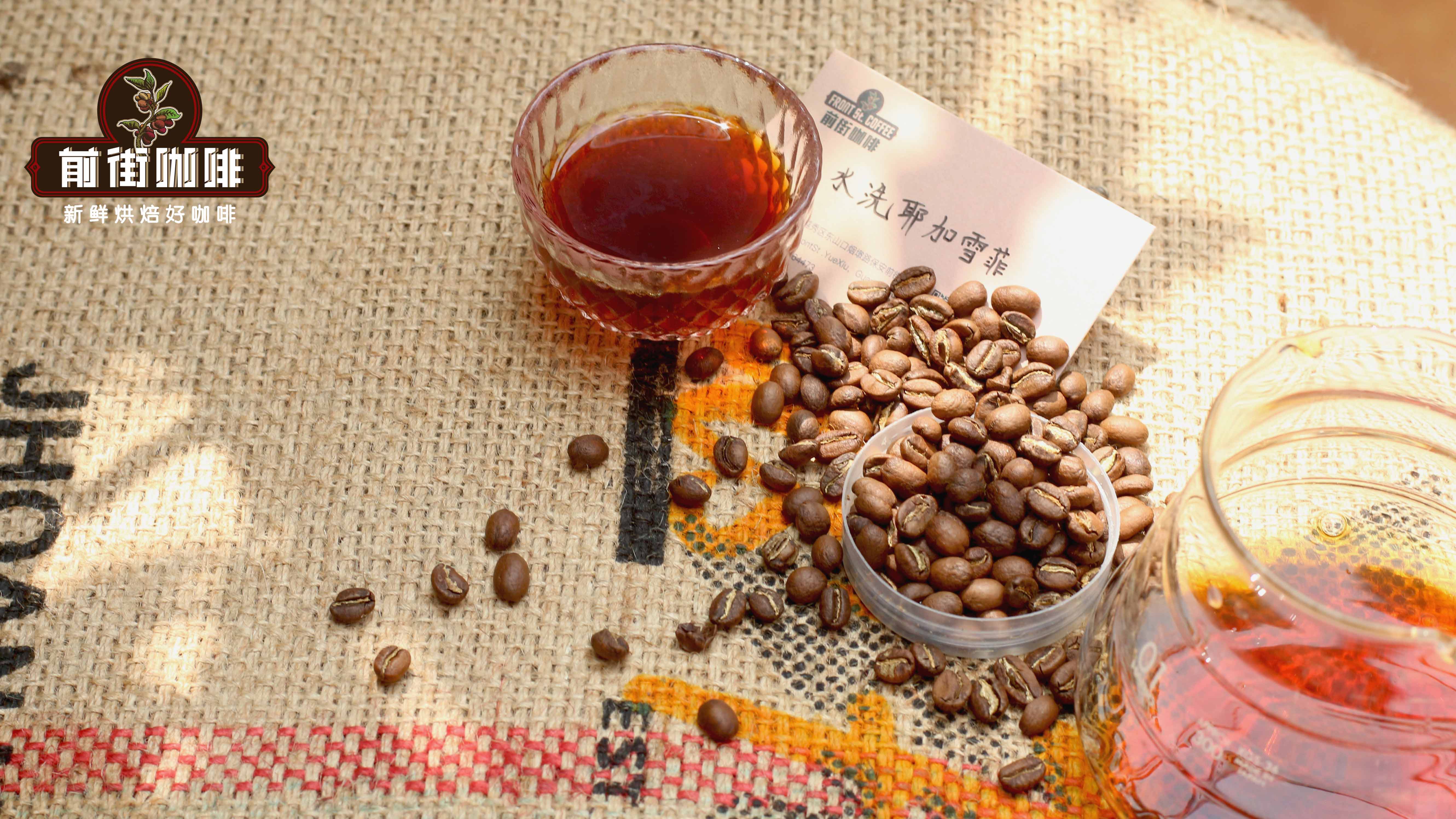
Light Roast (City): Grab a handful of Front Street Natural Red Cherry coffee beans, and you'll immediately smell an intense plum and strawberry fermentation aroma. During roasting, a sweet baked cookie fragrance is released, and after grinding, the strawberry cookie aroma can be detected from a distance. After brewing, it presents a soft and comforting strawberry fruit wine aroma. The bright fruit acidity in the front section is meant to maximize the aroma, but it quickly softens. As the coffee cools, the fermented notes of plum and strawberry wine begin to reveal layers, and the finish fills the palate with a kumquat candied sweetness. Storing the coffee beans for 7 to 9 days allows the strawberry aroma to slowly awaken and become vivid and striking, while also transforming the fruit acidity into something smooth and gentle.
Heavy Roast (Regular C): 20 to 40 seconds after the end of first crack is the darkest roast level for Front Street Natural Red Cherry. Due to the characteristic of natural beans having a wide variation in moisture content, this roasting level does not produce burnt or bitter flavors. At this point, the coffee carries the aroma of chocolate chiffon cake, along with the sweetness of tropical fruits like pineapple and mango. The mouthfeel is smooth with a creamy, milk-candy-like texture. After cooling, Front Street Natural Yirgacheffe beans offer a chocolate-syrup-like sweetness and refinement that brings a sense of happiness.
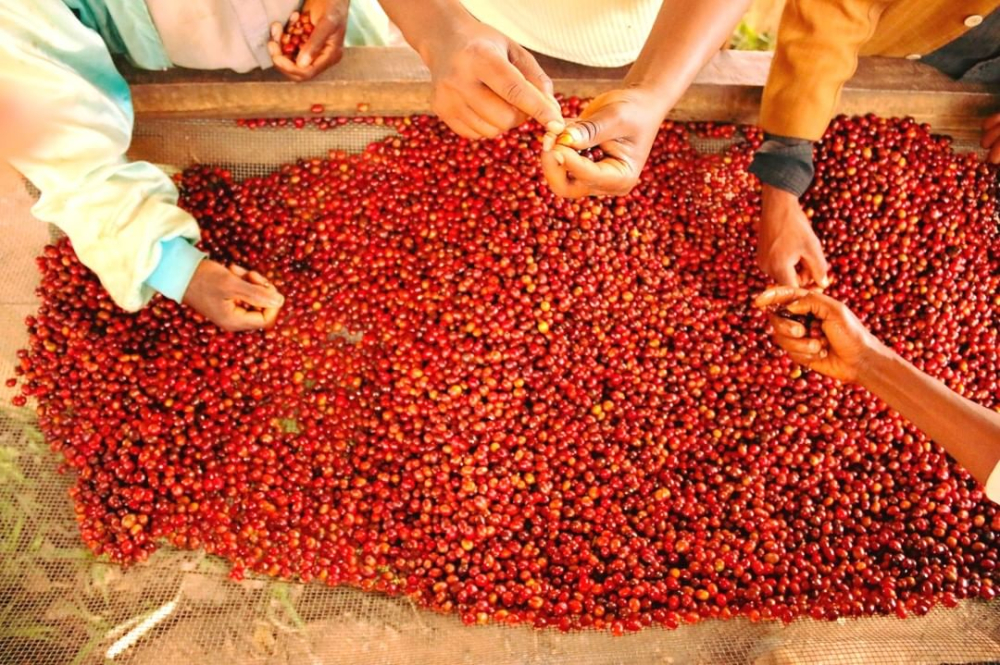
Kochere is a small production area located about 25 kilometers southeast of Yirgacheffe. The coffee beans harvested locally come from numerous smallholder farmers, whose average plot size is about 1 hectare at an altitude of approximately 1,800 to 2,000 meters. They primarily cultivate a mix of Typica and Heirloom (local native varieties). Because this region possesses relatively advanced green bean water processing equipment, it has consistently performed excellently in washed processing, featuring complex honey and citrus notes that are clean and sweet, highly praised. The main production model locally is: smallholder coffee farmers send each batch of harvested red cherries directly to the washing station of a nearby cooperative for unified processing.
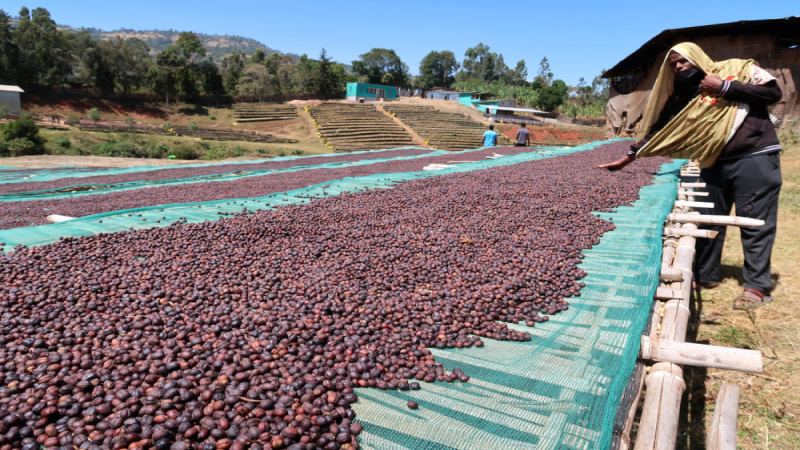
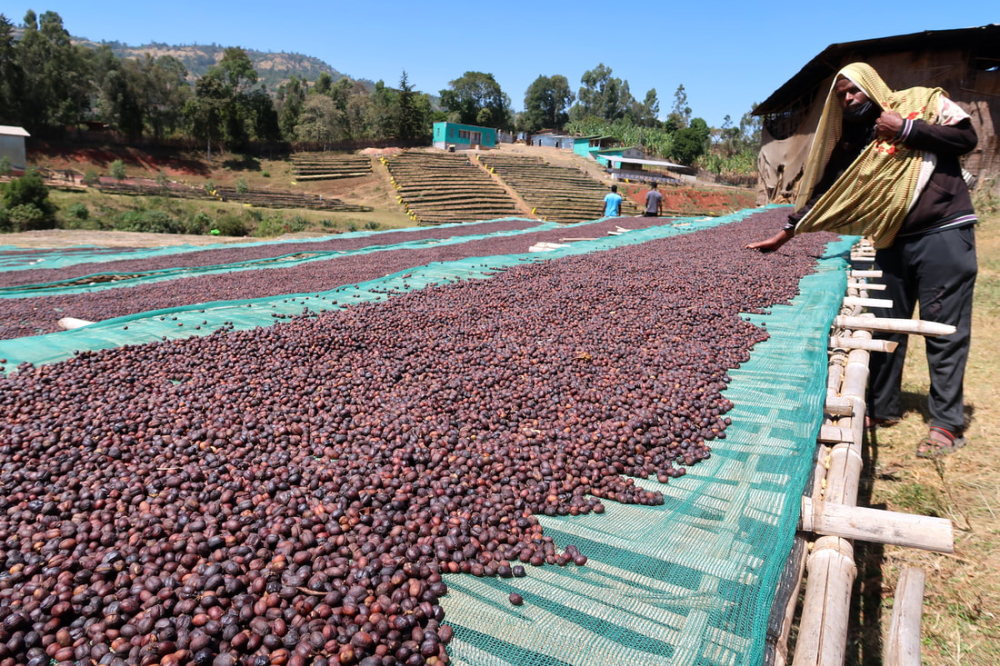
Starting in the 1970s, Ethiopia began introducing washed processing technology. Currently, green bean processing in the Kochere region is primarily washed. The washing station first screens and grades the red cherry-colored coffee fruits, then directly depulps them for washing and fermentation. After washing, the parchment beans are placed on drying racks for natural sun-drying. Once the moisture content drops to 12% or below, they are sent directly to the Ethiopian Commodity Exchange (ECX) warehouse in Awassa. After cup grading and quantity confirmation, washed beans are typically stored in parchment form until the hulling process is carried out just before export.
This batch of Front Street Yirgacheffe Washed Kochere has been rated G1, the highest grade, by the ECX. From green bean appearance, consistency, and freshness to dry aroma and flavor, it is quite outstanding. The aroma is extremely rich, possessing the regional characteristics of Yirgacheffe, exuding an elegant and captivating floral perfume fragrance, with notes of flowers, bright citrus acidity, lemon, berries, and honey's sweet-tart character. Jasmine, orange, caramel, grape, vanilla, honey, and floral notes intertwine. The mouthfeel is clean and balanced, with a lingering finish and lively, ever-changing fruity sweetness.
In recent years, many emerging small production areas or cooperatives have sprung up in Ethiopia's Sidamo and Yirgacheffe regions, and they have been marketing internationally under their own cooperative or farm names. This reflects confidence in their own products and a desire to build brand recognition and loyalty in the international coffee market. Coffee farmers insist on harvesting ripe coffee cherries and rigorously manage every step. Whether using the natural washed method or the natural sun-dried method, they perform outstandingly, delivering unexpected fragrant aromas and exceptional flavors. I believe this is precisely why Ethiopian coffee is something coffee enthusiasts look forward to every year. For example, the Operation Cherry Red assisted by the Dutch government—the intense strawberry cookie aroma from the 2008 Kereit and the 2009 Kambedo estate left a deep impression on the world. In recent years, the natural beans produced in Ethiopia have further reinforced this characteristic.
In Ethiopian coffee grading, G1 and G2 are washed beans, with G1 being the highest grade for washed beans; G3 and G4 are natural beans, with G3 being the highest grade for natural beans. Ethiopian green coffee beans are divided into five grades in total. Based on 300 grams, the number of defective beans is as follows:
Grade1 0~3
Grade2 4~12
Grade3 13~25
Grade4 26~45
Grade5 46~90
About Yirgacheffe
Yirgacheffe coffee trees grow in the Sidamo region of southwestern Ethiopia. The coffee beans are small to medium-sized, and the green beans show a pale yellow-green color with a complete and beautiful shape, holding a representative position among East African specialty coffees. To understand African coffee regions, Front Street Yirgacheffe is your first choice, starting from delicate white petals, honey, citrus, and green tea flavors to discover what "citrus aroma and honey charm" truly means.
Currently under the ECX system, the Yirgacheffe area is further divided into four sub-regions: Yirgachefe, Wenago, Kochere, and Genlena abay. The soil here is fertile, with an average altitude above 1,800 meters, making it a high-altitude area with large temperature differences between day and night. The production methods of each sub-region, combined with the locally unique native heirloom coffee gardens, make the flavor of each batch of coffee beans different, highly distinctive, and unique.
Front Street Yirgacheffe is a very high-quality washed Arabica bean with a unique and bright fruity sweet-tartness. The refreshing, bright aroma can be felt immediately upon the first sip. This highly distinctive Front Street Washed Yirgacheffe, with its bold floral aroma and citric acidity, perfectly interprets the coffee flavor with rich layers, and drinking it gives an illusion similar to tea. Therefore, many people also say that Yirgacheffe doesn't taste like coffee, but rather like a soft and pleasant fruit tea. It can be both elegant and unrestrained, precisely balancing between simplicity and complexity, and has been beautifully praised by the Japanese as the Queen of Coffee.
Originally, Yirgacheffe was known for and dominated by the washed processing method, but today naturally processed Yirgacheffe, with its rich berry sweetness, has also gained enthusiastic welcome in the market. Due to the significant increase in demand, the production of natural Yirgacheffe has also risen considerably.
Yirgacheffe was originally the finest region for Ethiopian washed beans. In the past year or two, because Misty Valley estate's natural beans have been very popular in the coffee market, many estates that originally produced washed beans have followed suit and begun producing natural beans. This has led Yirgacheffe natural beans to develop a bolder, more powerful style, attracting all coffee enthusiasts who love natural beans and repeatedly pushing the limits of aroma. If you want to drink it, buy Front Street Natural Red Cherry.
In addition to Ethiopia being famous worldwide for its Mocha beans from the Harrar region, the washed Arabica coffee beans produced in a small high-altitude area in the south-central Sidamo region—Front Street Yirgacheffe—are rated as the finest among African coffee beans. The name Yirgacheffe means a single ethnic settlement. The production area is located in the Sidamo cultivation zone of south-central Ethiopia, on mountains at an altitude exceeding 2,000 meters. It is the dwelling place of the Gedeo people and is one of the few washed Arabica coffee beans in Ethiopia. After medium roasting, Front Street Yirgacheffe perfectly presents fruity acidity, with a unique aroma reminiscent of flower tea and lemon peel.
The above content is compiled by CoffeeHunters, a coffee news website.


