







Search Results for: sucrose
Where Does the Acidity in Specialty Coffee Come From? Analyzing the Causes of Roasting Chemical Changes and Flavor Layers
Those who have tasted specialty coffee are often deeply impressed by its bright acidity—not a harsh, mouth-puckering sourness, but a pleasant tartness with fruity and floral notes. Where exactly does this acidity come from? Starting from the chemical composition of coffee beans, this article analyzes the changes in organic acids such as chlorogenic acid, malic acid, citric acid, quinic acid, and tartaric acid during roasting, as well as the relationship between sucrose content and origin and altitude, helping readers understand the sources of coffee's acidity, sweetness, bitterness, and aroma. Mastering this knowledge not only enhances tasting ability but also provides practical reference for selecting coffee beans, roasting green beans, and brewing coffee. [more…]
Panama Duncan Estate Vulcan Valley Washed Coffee Beans: Sucrose and Chocolate Flavor Profile and Rainforest Alliance Sustainable Farming Analysis
Located in the Volcán Valley of Panama, Katowa Duncan Estate sits at an altitude of 1,700 to 2,000 meters and is a highly regarded specialty coffee estate in the region. The estate practices shade-grown cultivation, preserving nearly 60% of its native tree species, and has obtained Rainforest Alliance certification, with the entire production process following sustainable standards. Coffee cherries are hand-picked only when ripe during the dry season, and after washed processing, patio sun-drying, and mechanical drying, the green beans undergo a 60-day resting period before being graded by size and weight for export. This medium-roast washed bean offers rich flavor layers, with notes of sucrose sweetness, chocolate, barley, Job's tears, and oat aromas. It has a full body, with a bright plum acidity interwoven with a lasting sweet finish, and has won multiple awards in the Best of Panama "Cupping for Quality" competition. Front Street Coffee is proud to present this standout Duncan Estate Volcán Valley coffee bean. [more…]
High-Value Specialty Hand-Brewed Coffee Beans | How to Brew Single-Origin Beans as Hand-Drip Black Coffee with High Sweetness? Where Does the Sweet Aroma of Hand-Brewed Coffee Beans Come From?
To some people, black coffee is bitter; to others, it's sour. But if you hear someone say, "Wow, this cup of coffee is so sweet!" you'd probably think to yourself, "How could black coffee possibly be sweet?" As Front Street has explained in the article analyzing the chemical composition of green coffee beans, the sucrose in green coffee beans, [more…]
How can you make pour-over coffee show a more pronounced sweetness? Which coffee beans with prominent sweetness should you choose?
Many people think that black coffee is only bitter and sour, but in fact a good cup of coffee can also bring a surprising sense of sweetness. This sweetness does not come from added sugar, but from the transformation of flavor compounds in coffee beans after roasting and from olfactory perception. Starting from Front Street's analysis of the components of green coffee beans, this article explains the principle behind the generation of sweetness, and recommends coffee beans with sweet aroma styles such as honey, sucrose, and caramel according to roast level. Finally, taking Ethiopia Huakui as an example, Front Street shares a pour-over plan that increases the extraction of sweet and sour substances within a limited time by adjusting the pouring method and flow rate, helping you brew a coffee with rich layers and a prominent sense of sweetness. [more…]
Where Does the Sweetness of Black Coffee Come From? An Analysis of Roast Types and Pour-Over Extraction Techniques That Affect Sweetness
Many people believe that black coffee is only bitter and sour, but a good cup of coffee can indeed deliver a surprisingly sweet sensation. This sweetness does not come from sugar detected by taste, but from sweet aromas perceived through the sense of smell. Sucrose in green coffee beans is converted into substances such as caramel during roasting, and different roast levels present completely different types of sweetness. Front Street divides sweetness by roast level into the honey-fruit type, the chocolate-dried-fruit type, and the dark-roast sweet-aftertaste type, and recommends corresponding coffee beans for each. In addition, by adjusting the pouring technique and extraction rhythm of pour-over brewing, the sweetness of coffee can also be effectively enhanced. This article will systematically analyze the sources of coffee sweetness, the differences in sweetness across roast levels, and the brewing techniques that Front Street has summarized in practice. [more…]

Shanghai Consumer Council Once Again Calls Out Trendy Tea Drinks: Mango Yogurt Smoothie Ingredients of More Yogurt Under Scrutiny
Following the case of Shuyi Burning Grass Jelly, the Shanghai Consumer Council on March 13 once again turned its attention to the internet-famous tea beverage brand More Yogurt, focusing on the ingredient composition of its "Mango Yogurt Smoothie." Testing by the Consumer Council found that the drink contained only a small amount of yogurt yet had unusually high fat content, and despite being labeled as having no added sugar, sucrose and maltose were still detected. The Consumer Council questioned the source of this excess fat and sugar and demanded that More Yogurt explain to consumers "what was added." The incident quickly sparked widespread discussion and trended on Weibo. This article sorts through the testing data and science popularization information released by the Consumer Council to present the full picture of the incident. For readers interested in coffee and beverage industry trends, Front Street Coffee also continues to follow such food safety topics and advocates transparent consumption. [more…]
Which pour-over coffees have prominent sweetness? Flavor analysis of five beans including Yirgacheffe and Huakui
Coffee tastes are as varied as people themselves—some prefer mellow bitterness, some love fruity acidity, and others are captivated by that natural sweetness. Can you really taste sweetness in black coffee? The answer is yes. Coffee beans naturally contain sucrose-like substances, and with the right combination of fermentation processing and roast level, sweetness can emerge in two directions: the sweet note within acidity, and the sweet aftertaste that follows bitterness. This article will walk you through the sources of coffee sweetness and recommend five pour-over beans with outstanding sweetness—from Front Street Yirgacheffe Natural Red Cherry to Mozart and Queen's Estate Yellow Bourbon—analyzing each one's flavor characteristics and roasting approach, helping you find that cup of good coffee that is sweet enough without adding sugar. [more…]
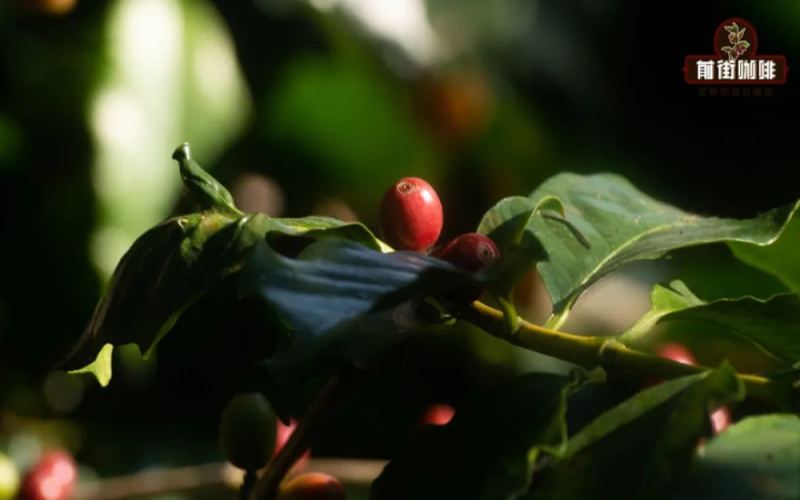
What Is the Relationship Between Coffee Cherries and Coffee Beans? A Detailed Explanation of Coffee Structure and Composition, and the Caffeine Content in a Single Bean
What exactly is the relationship between the coffee fruit and the coffee bean? A coffee cherry, from the outside in, consists of multiple parts including the exocarp, pulp, pectin layer, parchment, silver skin, bean core, and center line, with each layer playing a different role in coffee processing and flavor formation. The green coffee bean itself is composed of substances such as water, polysaccharides, lipids, proteins, sucrose, chlorogenic acid, other organic acids, amino acids, and caffeine, all of which directly affect coffee's mouthfeel, aroma, and the balance between bitterness and acidity. This article will dissect the structure of the coffee fruit layer by layer and systematically sort out the compositional substances of coffee beans, while also explaining the difference in caffeine content between Arabica and Robusta, helping coffee enthusiasts gain a more comprehensive understanding of the science behind the flavors in their cup. [more…]
Yirgacheffe Gedeb Natural Coffee Bean Flavor Analysis and Pour-Over Parameter Sharing
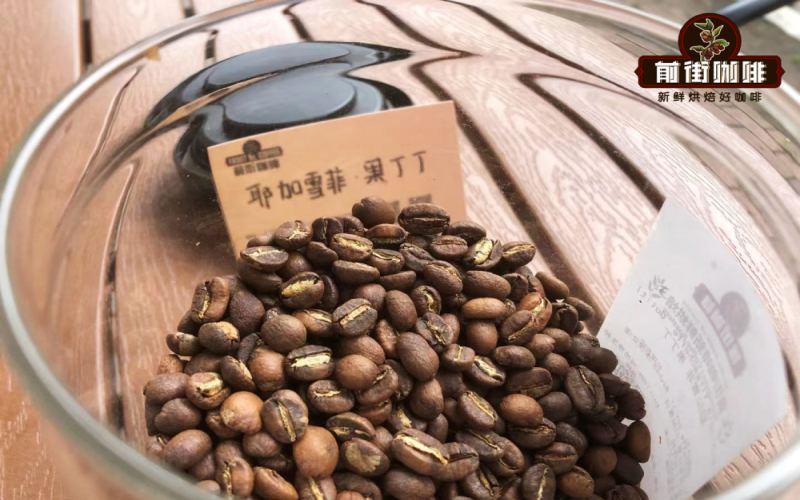
Front Street Coffee offers over 200 types of coffee beans and continuously updates them. This article focuses on Yirgacheffe natural Gedeb. The Gedeb cooperative is located in the Worka production area at the southeastern end of Yirgacheffe. It became independent from the Worka cooperative in 2012, has about 300 farmers, and is called the last pure land of Yirgacheffe, continuing to use traditional natural processing. The cupping notes show dry aromas of peach, sweet orange, and white petals; on the palate there are strawberry, lychee, citrus acidity, and sucrose sweetness, with a medium body and a long floral finish. The article also provides V60 pour-over parameters and extraction methods, and introduces the background of the Gedeb micro-region. [more…]
How to distinguish Robusta beans from Arabica beans? A comprehensive analysis from appearance and flavor to cultivation differences
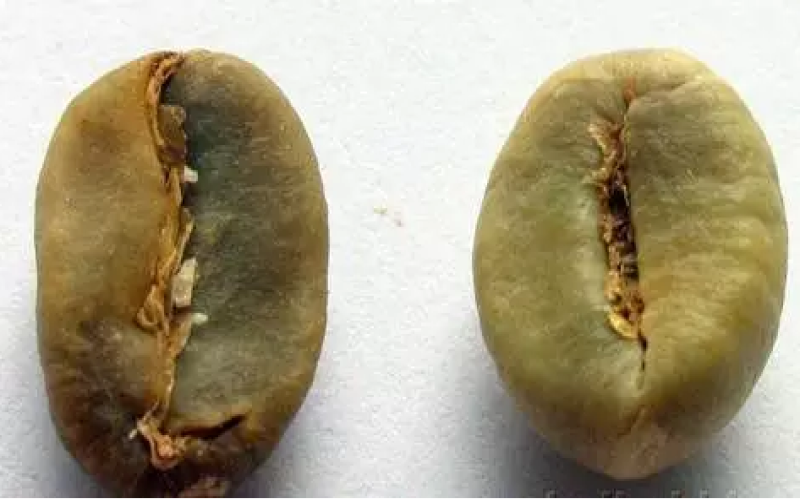
In the coffee consumer market, Arabica and Robusta are the two major mainstream varieties, while Liberica is relatively rare. Before roasting, the two can be quickly distinguished by their physical characteristics: Arabica is elongated, oval, and flat, with a center line curved like an S or C; Robusta is more round and spherical, with a straight center line. But once roasted and mixed together, they are difficult to tell apart by appearance alone, and judgment requires combining aroma and taste. Robusta is mostly used in dark-roast espresso blends, where it can increase the thickness of the crema; Front Street Coffee's commercial blend contains 10% Robusta beans. Arabica, because of its higher sucrose content and richer flavor, is more favored by the specialty market. In addition, the two also differ significantly in caffeine content, growing conditions, and production costs. [more…]
Salted Yuzu Dirty Recipe Detailed Guide: Key Techniques and Ingredient Ratios to Solve Milk Curdling Caused by Yuzu Juice
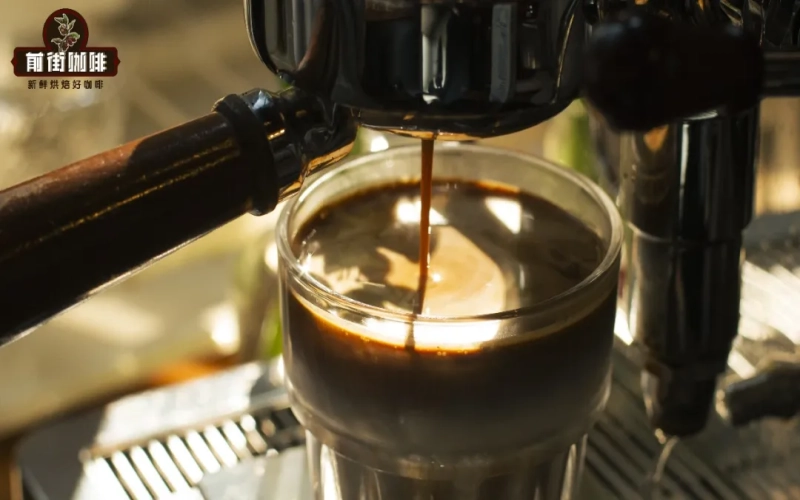
In recent years, the salted pomelo Dirty has become quite popular online, but many people frequently fail when trying to recreate it at home. The core difficulty lies in the acidity of the pomelo juice, which causes milk proteins to denature and curdle, seriously affecting the taste. Through multiple experiments, Front Street has found a method that is closer to the original: using concentrated pomelo juice combined with sucrose syrup to make a homemade pomelo syrup, then combining it with milk and espresso, and finally sprinkling on sour plum powder to create a unique experience of intertwined salty and sweet flavors. This article will share the complete production parameters and flavor layers of this drink, from material selection, syrup ratios, coffee bean recommendations, to specific operating steps, helping coffee enthusiasts make a rich, well-balanced salted pomelo Dirty at home. [more…]
Brazilian Specialty Coffee Brand KAPHE CAFE Analysis: Yellow Bourbon Queen Estate and Espresso Blend Recommendations
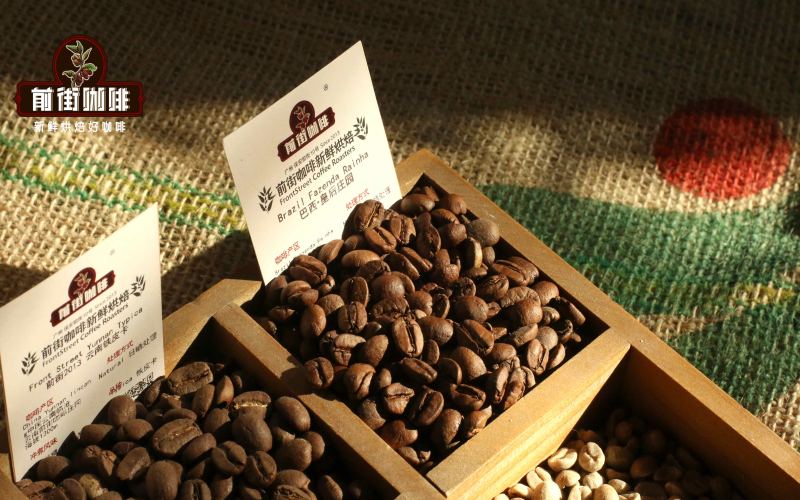
Brazil, as a global powerhouse in coffee production, is known for beans that feature low acidity, nutty and cocoa flavors, with prominent sweetness yet a mild aroma, often serving as an important base for espresso blends. Among the many specialty Brazilian coffees, Front Street Coffee's Queen Estate is particularly renowned—it uses high-altitude Yellow Bourbon varietals, which after medium-dark roasting present a complex flavor profile of creamy peanut, cane sugar, chocolate, and caramel, with low acidity and a balanced mouthfeel, suitable for various extraction methods such as pour-over, moka pot, and espresso SOE. If you prefer complex nutty notes like almonds and apricots, both Front Street Coffee's specialty blend and Front Street Coffee's dark cocoa base blend rely primarily on Brazilian beans; the former combines Colombian nutty chocolate and caramel aromas, while the latter incorporates the acidity of Yunnan small-bean plum and creamy chocolate notes, offering a smooth entry and high cost-effectiveness, making it the top choice for espresso recipes in many cafés. [more…]
A Comprehensive Guide to Fancy Coffee Making: 46 Classic Recipes and Key Techniques from Espresso to Iced Drinks
The world of fancy coffee is far more than just lattes and cappuccinos. This article systematically organizes the recipes and preparation techniques for 46 classic fancy coffees, covering two major categories: hot drinks and iced drinks. From the basics of espresso, au lait, and macchiato, to Irish coffee and royal coffee with their hints of liquor, and on to iced lattes and beer iced coffee suited for summer, each entry lists the required materials, specific steps, and key operational points, helping you master the flavor characteristics and serving essentials of different coffees. The article also retains relevant recommendations from the Front Street brand, providing a practical reference for coffee enthusiasts. [more…]
What Are Extremely Hard Coffee Beans? Understanding Coffee Hardness and Roasting Key Points Through Costa Rica SHB Grade
Costa Rica, with its unique high-altitude volcanic soil and significant day-night temperature difference, nurtures Arabica coffee that is bright in flavor and outstandingly sweet, with the SHB strictly hard bean from the Tarrazú region being the most representative. Starting from Costa Rica's growing conditions, this article will analyze the reasons behind the formation of strictly hard coffee beans, the concept of hardness, and the key points to note during roasting, and combined with the flavor performance of Front Street Coffee's Costa Rican coffee, help coffee enthusiasts gain a more comprehensive understanding of this high-quality coffee grade. [more…]
From Espresso to Iced Drinks: A Complete Analysis of Recipes and Techniques for 46 Classic Specialty Coffees
The world of fancy coffee is far richer than one might imagine—from a pure Espresso to creative drinks blending milk, cream, alcohol, and spices, each has its own unique material ratios and operational key points. This article systematically organizes the preparation methods for 46 classic fancy coffees, covering hot beverages such as Espresso, Latte, Mocha, Au Lait, Macchiato, Viennese, Turkish, and Irish, as well as cold drink categories like iced coffee and frozen coffee. Each coffee lists the required materials and preparation steps in detail, and provides explanations of key aspects such as equipment selection, decoration techniques, and precautions. Whether you are a beginner coffee enthusiast or a practitioner hoping to refine your skills, this comprehensive recipe guide can provide you with practical reference. [more…]
Front Street Yirgacheffe Misty Valley: Comprehensive Flavor, Mouthfeel, Aroma Review and Origin Story
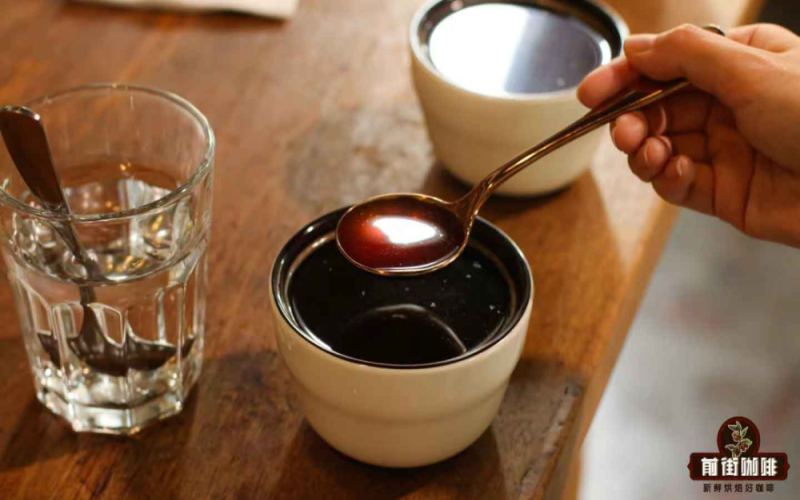
Front Street Yirgacheffe Misty Valley is a premium washed Arabica bean from the Sidamo region of Ethiopia. It gives off a rich citrus aroma; on the palate, orange and floral notes interweave and bloom, accompanied by a faint lemon freshness, followed by a creamy, full-bodied mouthfeel and the sweet finish of sucrose and dates. Overall it is clean and delicate, layered and complex, with a long-lasting finish. Misty Valley is located in the small town of Yirgacheffe, an area originally dominated by the natural processing method, which later became famous for its washed processing method, turning Yirgacheffe from a place name into a byword for specialty coffee. This article will guide you through a comprehensive understanding of this alluring coffee known as the "Queen of Coffees," covering its cupping flavors, regional background, varieties and processing methods, and the overall characteristics of Yirgacheffe. [more…]
A Comprehensive Comparison of Arabica and Robusta Coffee Beans: Flavor, Origin, Caffeine, and Espresso Blend Applications
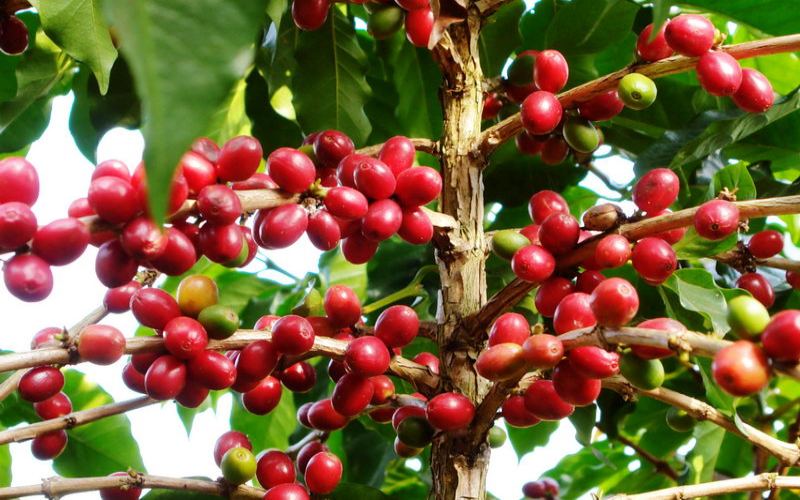
The two most common varieties in the coffee world—Arabica and Robusta—each play vastly different roles. Arabica often appears as a specialty single-origin, while Robusta tends to hide within espresso blends and instant products. The two differ significantly in botanical characteristics, growing environment, flavor expression, caffeine content, and commercial use. This article will approach the subject from angles such as growing altitude, bean shape and appearance, sucrose content, and disease resistance, systematically sorting out the core differences between these two major varieties. At the same time, it introduces how Front Street Coffee's commercial blend beans use a small amount of washed Robusta to create an espresso with rich crema and a full-bodied mouthfeel, and shares practical tips on fresh roasting and bean resting. [more…]
Coffee Aroma Description Guide: An Analysis of 36 Common Aroma Names and Professional Tasting Terminology
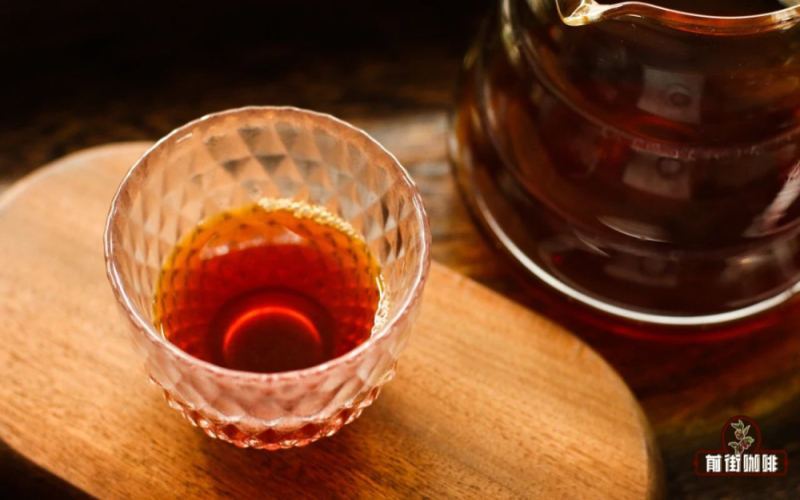
When drinking coffee, have you ever encountered a familiar yet indescribable aroma? In fact, perceiving coffee flavors requires systematic cognitive training. In daily cupping and roasting adjustments, Front Street Coffee places particular emphasis on the ability to identify coffee flavors. This article starts with coffee's four major tastes—sour, sweet, bitter, and salty—and, combined with the classification logic of the flavor wheel, breaks down in detail 36 common aroma names across floral, fruity, green/vegetal/herbal, nutty/cocoa, sweet, spicy, sour/fermented, alcoholic fermentation, roasted, and other categories, along with specific representative coffee beans and Front Street's tasting suggestions, to help you more accurately describe and enjoy a cup of coffee's layers and lingering finish. [more…]

How Does Brewing Yirgacheffe in a French Press Taste? Front Street Coffee Beans Hands-On Demonstration and Analysis of Six Types of Home Coffee Brewing Methods
To easily make a cup of rich, full-bodied coffee at home, the French press is an essential entry-level tool. By fully immersing the coffee and separating it with a metal filter, it retains almost all the extractable flavor compounds, resulting in a fuller mouthfeel than paper-filter pour-over. This article first systematically outlines the principles and characteristics of six common brewing devices: the drip brewer, American electric coffee maker, French press, siphon, moka pot, and espresso machine. Then, using a light-to-medium roasted Yirgacheffe from a high-altitude Ethiopian region as an example, it provides specific French press parameters for Front Street Coffee beans, along with water-pouring and stirring techniques, and describes the floral notes, citrus acidity, creamy sucrose sweetness, and black tea finish presented in the final cup. [more…]
Recommendations for Coffee Beans with Pronounced Sweetness | Where Does Coffee Sweetness Come From? How to Describe the Coffee Flavor of Natural Yirgacheffe? Is Brazilian Coffee Only Bitter?
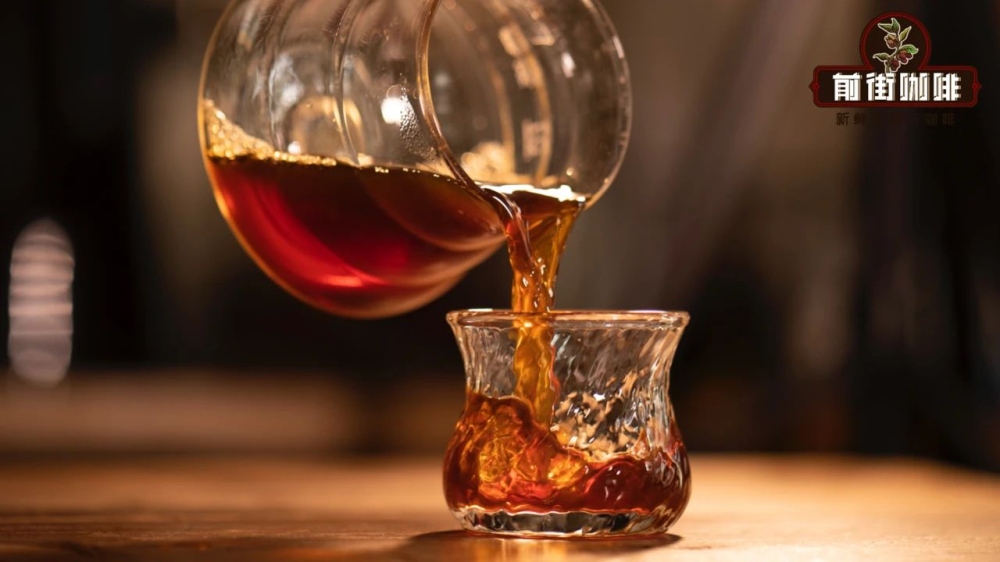
For more specialty coffee knowledge, please follow our WeChat official account: Front Street Coffee (FrontStreet Coffee). Everyone has different perceptions and preferences when it comes to the taste of coffee. Some friends think of coffee as that rich, fragrant, bitter brew, while others love coffee with a tangy acidity, and still others [more…]