







Search Results for: choking

16-year-old boy suspected to have died after choking on bubble tea; family clarifies cause of death, Mixue responds
In the height of summer, iced milk tea becomes the go-to beverage for many people looking to beat the heat, but the hidden safety risks cannot be ignored. Recently, a 16-year-old boy in Ziyang, Sichuan, is suspected to have tragically died after choking on bubble tea, and scattered Mixue Bingcheng milk tea appeared in on-site video, sparking widespread attention. Mixue Bingcheng promptly responded, saying there is no evidence that the incident is related to its products. Subsequently, the deceased's family came forward to clarify, stating that hospital feedback showed no foreign objects were found in the esophagus or trachea and that the actual cause of death was cardiac arrest. The incident has once again raised public awareness of the Heimlich maneuver. This article will review the course of events, the responses from all parties, and explain the correct first-aid method for choking on a foreign object, helping everyone stay safe while enjoying tasty drinks. [more…]

A four-year-old boy died after choking on bubble tea; parents question the store's lack of risk warnings
Recently, news of a young child tragically choking to death after drinking bubble tea has sparked widespread discussion on social media. The incident occurred in Taizhou, Zhejiang, where a four-year-old boy drank bubble tea purchased by his parents while playing at an amusement park, then became unwell in the trampoline area and died from choking after an hour and a half of emergency medical treatment. The parents believe that the oversized and overly sticky tapioca pearls in the milk tea were the main cause of the tragedy, and pointed out that the store involved did not post conspicuous warnings, nor did the staff verbally remind them of the risks of children drinking it. At the same time, whether the amusement park and the shopping mall fulfilled their safety obligations has also become a focus of controversy. Currently, multiple local departments have stepped in to mediate, and the incident is still being further processed. [more…]

A New Cross-Industry Coffee Trend in Local Cuisine: Ningbo "Choking Crab" Latte Sparks Heated Discussion, Crab Shell as Cup Wins Recognition from Some Netizens
The world of creative coffee is always full of surprises and shocks. From Douzhir Americano to stinky tofu latte, baristas are obsessed with forcibly pairing local foods with coffee, yet often creating off-putting flavor bombs. Now the trend has shifted: instead of mixing ingredients, they let the food itself become the vessel. Green pepper latte, fish ball latte, and naan latte have appeared one after another. Recently, a barista in Ningbo even used a crab shell as a cup, launching Ningbo Drunken Crab Latte. Netizens reacted in two polarized ways: some cried out to spare the drunken crab, while others said they would be willing to try it as long as food isn't wasted. Is this exploration of the boundary between food and coffee gimmickry or innovation? [more…]

From Gao Qiqiang chewing coffee grounds to the Italian Mafia's lemon zests: alternative ways to eat coffee grounds and how to make them
Recently, the scene in *The Knockout* where Gao Qiqiang eats dry black coffee powder has left a deep impression on many viewers. Some even dug out instant coffee powder to imitate it, only to end up choking and looking rather狼狈. In reality, there is indeed a group of tough characters who can swallow raw coffee powder without batting an eye—the Italian Mafia. They are fond of a dessert called Lemon Mafia: thin slices of lemon sprinkled with sugar and roasted into caramel, then topped with coarsely ground dark roast coffee powder or simply whole coffee beans, all downed in one bite. The sweet, sour, fragrant, and bitter flavors explode in the mouth instantly, refreshing and alerting. This article explores the origins of this way of eating and includes simple, easy-to-follow steps so you can experience the taste of a "boss" yourself. [more…]
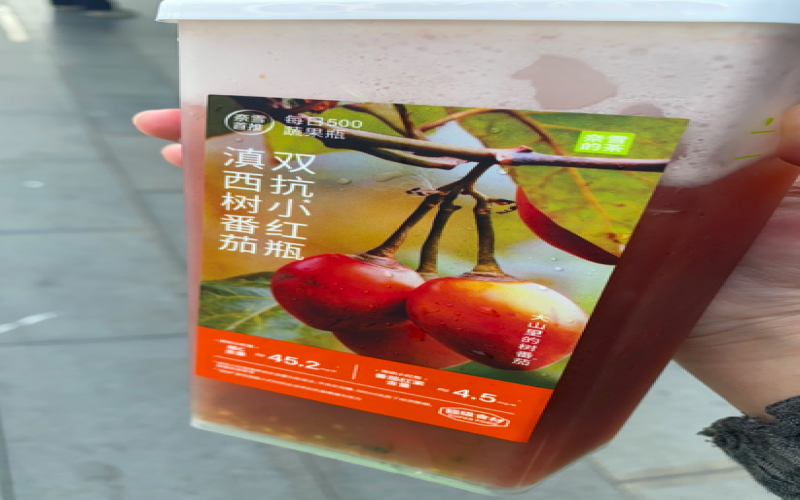
The Controversy Over Nayuki's Little Red Bottle Fruit Pulp: Freshly Squeezed Fruit Not Filtered—Selling Point or Drawback?
Nayuki recently launched a new product, the "Double-Antioxidant Little Red Bottle," featuring freshly squeezed Yunnan tree tomatoes paired with blueberries, cherry tomatoes, lemons, and other fresh fruits. It is advertised as sweet and tangy, rich in vitamin C and lycopene. However, not long after its release, the first wave of curious consumers began complaining: a large amount of fruit peel and seeds settles at the bottom of the cup, and one sip fills your mouth with grit—some people even nearly choked on a lemon seed. Staff responded that filtering the fruit puree was not required during preparation, and the final product varies due to differences in technique. Interestingly, netizens are divided on the issue—some suggest adding a filtration step, while others believe the fruit residue is precisely proof of "genuine ingredients." Behind this controversy lies the challenge of balancing taste and health in fruit-and-vegetable teas. [more…]

Luckin's new matcha cloud top solidifies into blocks after refrigeration, multiple stores urgently halt sales
Luckin Coffee recently launched a new product, "Triple Cheese Thick Matcha," featuring a combination of thousand-mesh-grade matcha and a daily freshly whipped matcha cloud top, attracting a large number of matcha lovers to place orders and try it out. However, shortly after the new product hit the market, many consumers received notices that stores had canceled orders or showed it as sold out. The reason was not that demand exceeded supply, but that the matcha cloud top prepared in advance by stores developed an abnormal solidification after refrigeration—the milk cap that should have been fluid turned into a solid texture resembling dry choking yogurt or matcha cement, and even when the container was turned upside down, it did not move at all. Management in many places had to urgently notify stores to suspend sales depending on the situation. Was it a formula problem or an error in the operation process? Luckin's R&D department was also collectively criticized by frontline employees because of this. [more…]
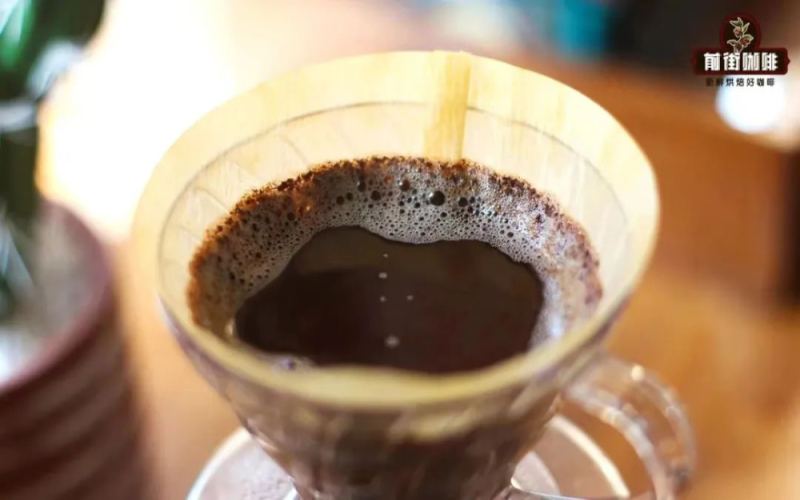
Should Fine Particles in Pour-Over Coffee Be Sifted Out? A Comprehensive Analysis of Their Causes, Roles, and When to Deal With Them
In the practice of pour-over coffee, fines are often seen as the culprit behind clogging and bitterness, and many people have thus developed the habit of always sifting out fines before brewing. But do fines really only have negative effects? From the perspective of Front Street, this article systematically sorts out the definition of fines, their generation mechanisms, and their actual contribution to flavor, explaining why in most cases it is unnecessary to completely sift out fines, and under what conditions sifting should really be considered. At the same time, the article also explores the relationship between coffee bean brittleness, grinder quality, and the amount of fines, helping readers build a more complete understanding of extraction. [more…]
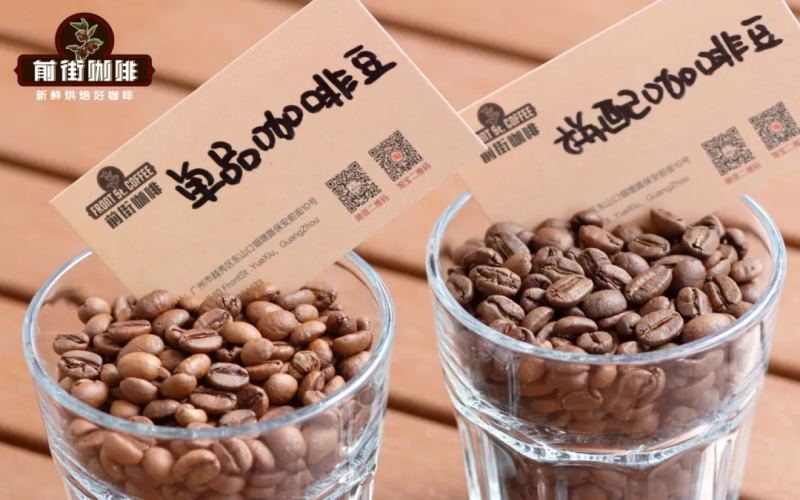
Everyday Coffee Beans for Home | What coffee beans are suitable for hand grinding? What single-origin pour-over beans with mild acidity and a sweet aftertaste are recommended?
When you want to buy coffee beans, do you ever feel overwhelmed by a dazzling list of beans? When you go to a coffee shop that roasts its own beans, do you ever feel torn by the dazzling array of coffee beans? No worries! Just remember these few points, and you can easily choose the coffee beans that suit you! "Choose coffee according to your brewing method. [more…]
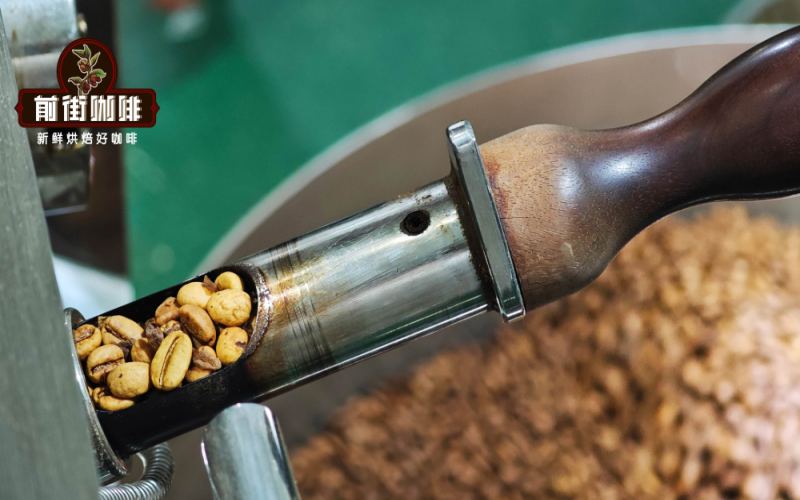
How Long Should Coffee Beans Rest? Resting Principles and Key Operational Points for Different Roast Levels
Freshly roasted coffee beans are not at their best right after roasting; they still need to go through a degassing process known as "resting." The core purpose of resting is to let the large amount of carbon dioxide produced during roasting gradually escape, allowing the aromatic compounds and oils to integrate more fully, so that a cleaner, more stable flavor is presented during brewing. Insufficient resting brings a dry, harsh sensation and a smoky, pungent taste, while excessive resting accelerates the loss of aroma and shortens the optimal enjoyment period. Different roast levels and different brewing methods have different requirements for resting time; medium-dark roasts generally need about 3 days, while beans for espresso may need 10 to 15 days. In this article, Front Street Coffee systematically sorts out the principles, time ranges, and storage key points of resting, helping coffee lovers find the rhythm that suits their own taste. [more…]
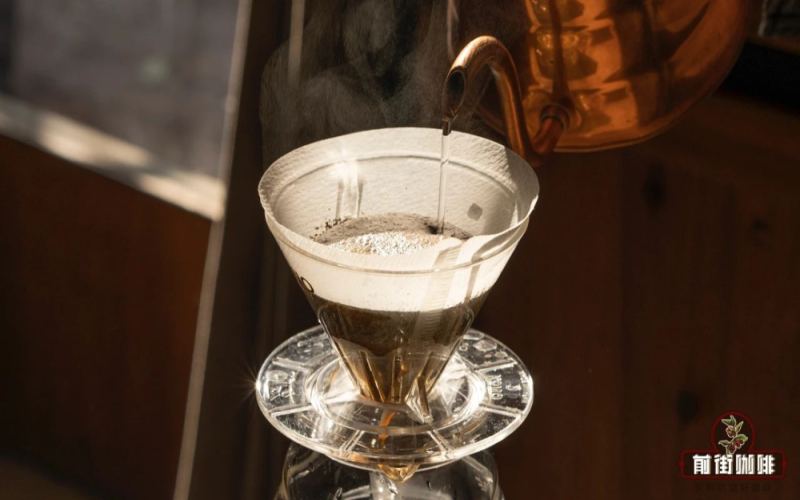
Why Freshly Roasted Coffee Beans Shouldn't Be Brewed Immediately: Explaining the Causes of the Locked-Gas Effect and Throat Dryness, and How to Cope
Many coffee enthusiasts, upon getting freshly roasted beans, can't wait to brew a cup, only to find the flavor flat, the body thin, and even a dry, uncomfortable throat afterward. The key behind this lies in the large amount of carbon dioxide remaining inside the coffee beans after roasting, as well as the smoky, pungent sensation brought by high-temperature roasting. This article will delve into why fresh coffee beans need to "rest" before brewing, how carbon dioxide interferes with the extraction process, and the true source of that dry throat sensation. At the same time, Front Street will also share a few practical methods to help you still brew a relatively ideal flavor even when the beans are too fresh. [more…]

Advanced Coffee Tasting: A Practical Guide to Identifying Negative Flavors and Analyzing Common Defects
In the process of learning coffee tasting, most people habitually focus their attention on capturing positive flavors such as floral and fruity notes and caramel sweetness, yet often lack the ability to describe unpleasant tastes. However, the key to truly improving one's tasting ability lies precisely in being able to accurately identify and distinguish negative flavors in coffee. This article, from Front Street's tasting perspective, systematically sorts out common defects such as greenness, over-fermentation, and off-flavors, and with the help of specific imagery such as earthy, woody, smoky, rubbery, medicinal, charred, and moldy, helps enthusiasts build a clear cognitive framework for negative flavors, so as to understand a cup of coffee's quality performance more comprehensively. [more…]

The Meaning Behind Affogato and How to Eat It Correctly: Savor the Ice Cream First or Pour the Espresso First?
In the landscape of Italian desserts, besides tiramisu, which means "take me away," there is another treat described as "breathtakingly delicious," whose name means "drown me"—affogato. Both desserts center on espresso—tiramisu blends espresso with coffee liqueur, while affogato involves pouring hot espresso directly over vanilla ice cream. This article will guide you through the etymology and origin legends of affogato, outline its key preparation points and espresso extraction methods, and answer a common question: when enjoying affogato, should you eat the ice cream first or pour the coffee first? It also combines bean recommendations from Front Street Coffee to help you make an affogato that tastes like tiramisu. [more…]
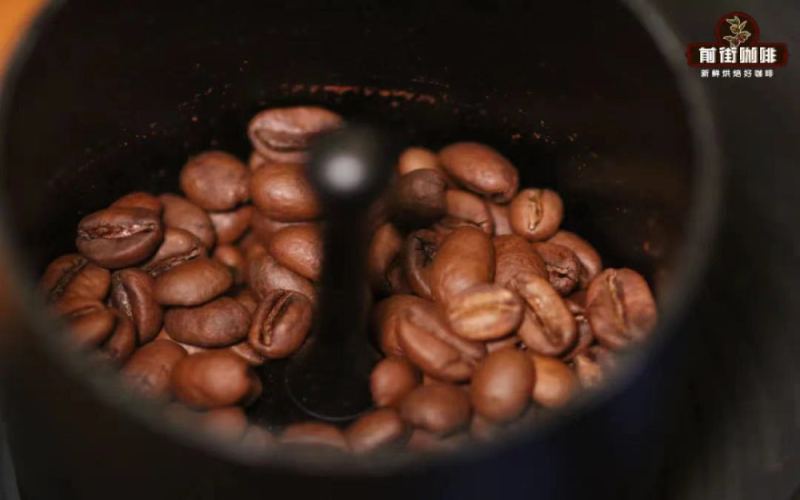
The Complete Guide to Resting Hand-Pour and Espresso Coffee Beans: Optimal Degassing Times and Identification Methods for Different Roast Levels
Why do freshly roasted coffee beans need to rest for a period? How does carbon dioxide release affect extraction and flavor? Drawing on the practical experience of Front Street Coffee, this article systematically explains the principles and necessity of resting beans, and provides recommended resting days for three roast levels: light-medium, medium, and medium-dark. At the same time, you will learn how to judge whether coffee beans have finished degassing by observing the blooming state in pour-over brewing and the crema performance of espresso, as well as how to flexibly adjust the resting period under low winter temperatures. Whether you prefer pour-over or espresso, these practical tips can help you present coffee's fullness and cleanliness more consistently. [more…]
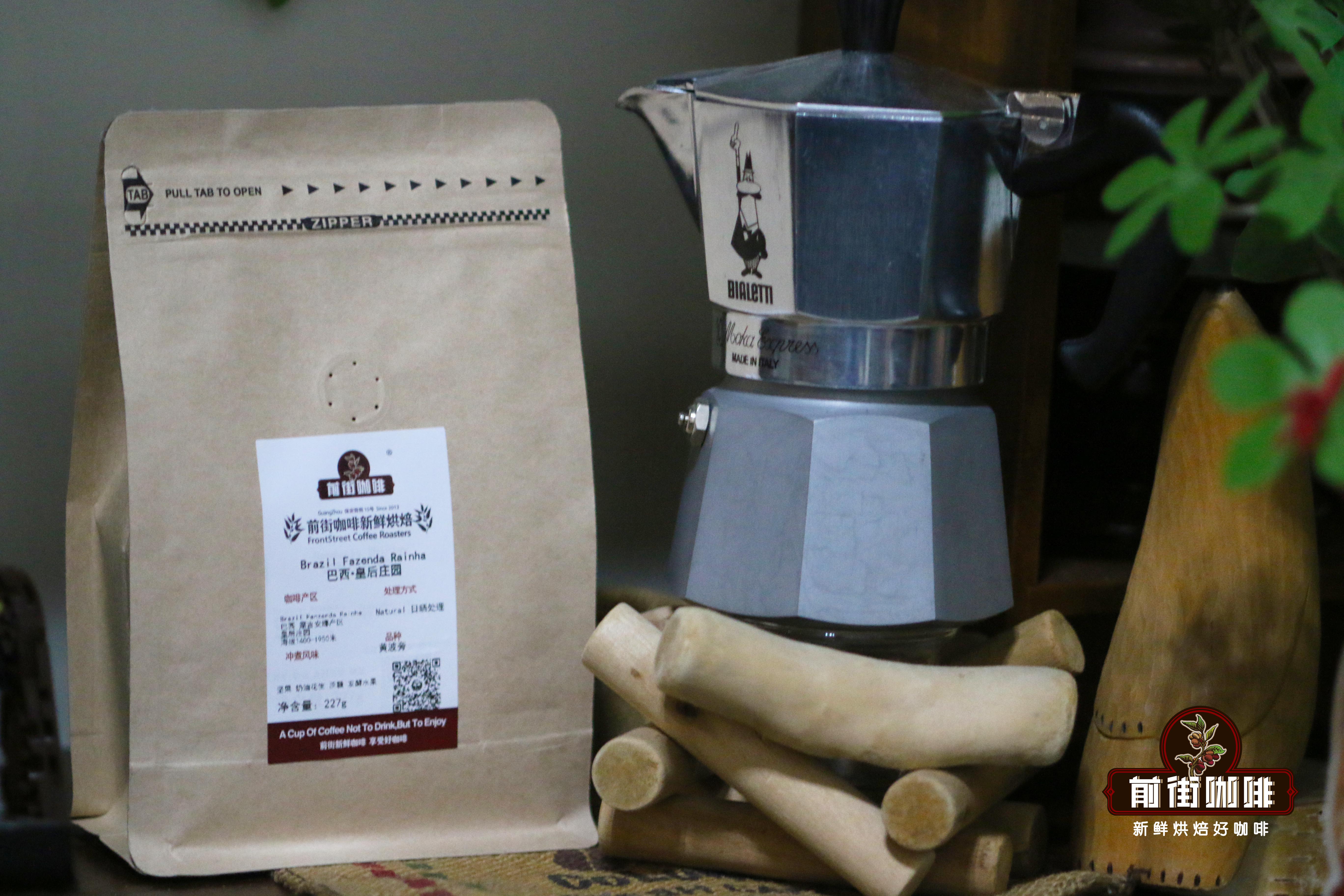
The Complete Guide to Pour-Over Brazilian Coffee: From Roast Characteristics to Three-Pour Technique and Flavor Control
Brazilian coffee beans are mostly medium-dark roasted, with bitterness as their base note, but bitterness comes in good and bad forms—the positive bitterness from nuts, chocolate, and caramel is pleasant, while smoky, woody, and medicinal notes are negative bitterness. In this article, Front Street Coffee uses a everyday-drink bean from the Cerrado region as an example, demonstrating from filter cup selection, coffee dose, coffee-to-water ratio, grind size, and water temperature to three-stage pouring, a complete guide on how to brew a cup of Brazilian coffee that has both a rich body and caramel sweetness, helping you avoid the pitfalls of burnt bitterness and thinness. [more…]

Mixue Ice Cream & Tea was complained about its lemonade containing seeds; after market regulators visited and investigated, they responded: it does not involve food safety.
A single lemon seed in a cup of iced fresh lemonade actually prompted a market regulation inspection? Recently, a netizen in Hefei, Anhui, captured footage of a Mixue Ice Cream & Tea store being inspected by market regulation staff, triggered by a consumer complaint that the drink tasted bitter and had lemon seeds left in the cup. The incident sparked widespread discussion online, with some finding the complaint absurd and others believing a consumer would not make such a fuss over a mere lemon seed. The Mixue store responded that freshly cut lemon slices containing seeds is normal and that their presence in the drink was not due to employee misconduct. Market regulation staff confirmed they had inspected the store and made clear that the lemon seed issue does not involve food safety. This seemingly trivial customer complaint reflects the various bizarre complaints the tea beverage industry faces daily and has also sparked discussion about standardized procedures for freshly cut fruit drinks. [more…]
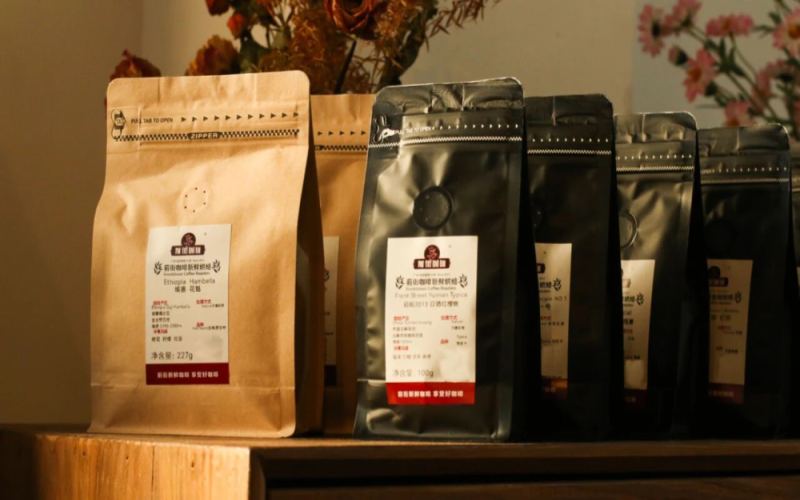
The Complete Guide to Coffee Bean Resting Time: How Long Should You Rest Beans of Different Roast Levels? The Key to Better Brewed Flavor
Can freshly roasted coffee beans be brewed immediately? Many coffee enthusiasts have heard the term "resting beans," but what it actually does and how long it should last often leave people confused. In fact, resting beans is essentially a process of releasing carbon dioxide and allowing the flavors to stabilize. Insufficient resting brings a harsh, dry sensation and a smoky, choking taste, while excessive resting affects freshness. Coffee beans of different roast levels require different resting times. This article starts with the principles and functions of resting beans, and combined with Front Street Coffee's shipping practices, explains the recommended resting periods for pour-over beans and espresso beans respectively, and finally shares the correct methods for resting beans and key points for storing them in one-way degassing valve bags, helping you grasp the optimal flavor window for each bag of beans. [more…]
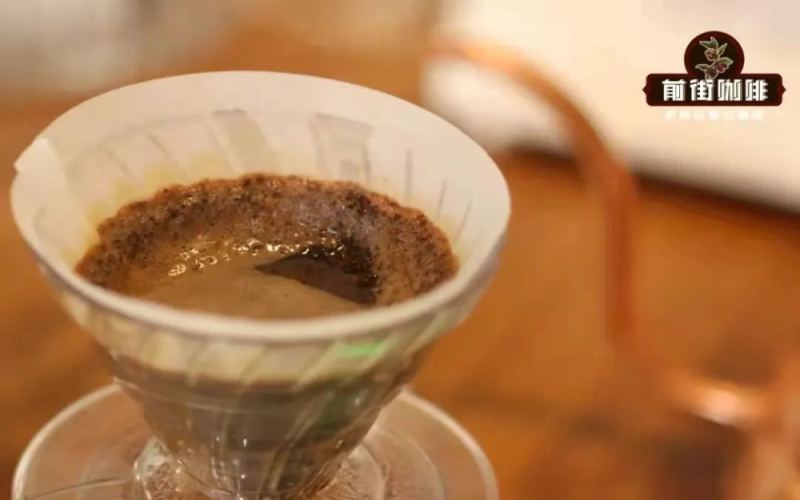
Causes of and Adjustment Techniques for an Imbalanced Strength in Pour-Over Coffee: Bypass Dilution and How Cup Color Affects Flavor Perception
Pour-over coffee may seem easy, but brewing a satisfying cup is no simple task. Many enthusiasts are often troubled by coffee that is too strong or too weak: when too strong, the bitterness lingers and irritates the throat; when too weak, the flavor is light as water—not objectionable, yet hardly enjoyable. This article addresses these two common situations. It first analyzes the causes of coffee being too strong—often stemming from a high extraction yield that has not yet reached over-extraction—and introduces a professional adjustment technique called "bypass," which means adding water directly to the brewed coffee to lower its strength while preserving the extraction yield. Front Street Coffee also recommends adding 10-20ml at a time in stages. As for coffee that is too weak, it cannot physically be made stronger, but with the help of cup-color experiments and the visual differences between glass and ceramic cups, a red or coffee-colored ceramic cup can make the brain perceive the coffee as richer, thereby improving the drinking experience. [more…]
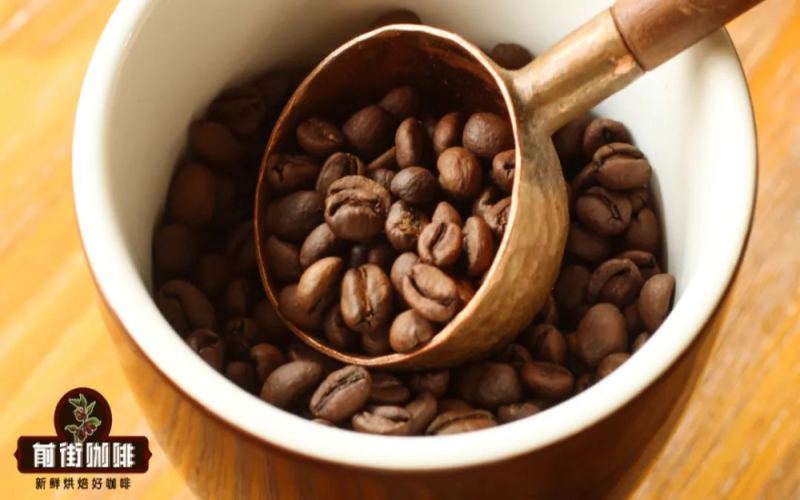
Can coffee beans be eaten dry? What do they taste like? Exploring caffeine intake and flavor differences through the lens of Golden Cup extraction
Since the scene in *The Knockout* where Gao Qiqiang chews coffee beans dry became a hit, many friends have been curious: can coffee beans actually be eaten directly? What do they taste like when chewed? Will you take in more caffeine? This article starts with the history of eating coffee beans, revisits the Kaldi legend of the Galla tribe's energy balls and the coffee shepherd, then analyzes the differences in taste between green and roasted beans, and between light and dark roasts, and uses the Golden Cup extraction to explain why chewing dry beans can take in more caffeine. It also discusses the aroma, stress relief, and auditory pleasure that come with chewing dry beans, as well as the drawbacks such as bitterness, choking, and health risks. Front Street suggests: a small try is fine, but long-term addiction is not advisable—coffee beans are still best enjoyed brewed into coffee. [more…]
Where is Indonesian Kopi Luwak produced? A full analysis of its origin story and pour-over and cold brew parameters
Kopi Luwak is one of the rarest and most expensive coffees in the world, with an annual production of less than 120 pounds. Its unique in-vivo fermentation process gives it a thick, rich, and mellow flavor. This article will guide you through the origin of Front Street Kopi Luwak—the Gayo highlands of Sumatra, Indonesia—review the story of this specialty coffee from the 16th century to the present, and share detailed parameters for low-temperature pour-over and cold-drip brewing. In addition, the article includes tasting tips and clever uses for coffee grounds in skincare, allowing you to fully experience the unique charm of this rare coffee from brewing to tasting. [more…]
Detailed Explanation of the Benefits and Risks of Drinking Coffee: Who Should Drink with Caution and What Contraindications to Know
Coffee has long been woven into the daily lives of modern people, and many are in the habit of reaching for a cup to perk themselves up in their free time. Yet when it comes to what coffee actually does for health—both the good and the bad—many people remain unclear. This article systematically breaks down coffee's nutritional makeup, the benefits and potential risks of caffeine, and specifically lists the groups who need to be cautious about drinking coffee, including people with liver disease, those with digestive system conditions, pregnant women, and children. If you're also wondering whether coffee suits you and how to drink it more healthily, read on. [more…]