







What Latte Coffee Means When a Drink Is Served in a Crab Shell
A Ningbo barista served a latte in a drunken crab shell, the latest entry in a run of cross-industry drinks that use local food as the container instead of mixing it into the coffee. Reactions split: some asked that the crab be spared, while others said they would try it if no food goes to waste.
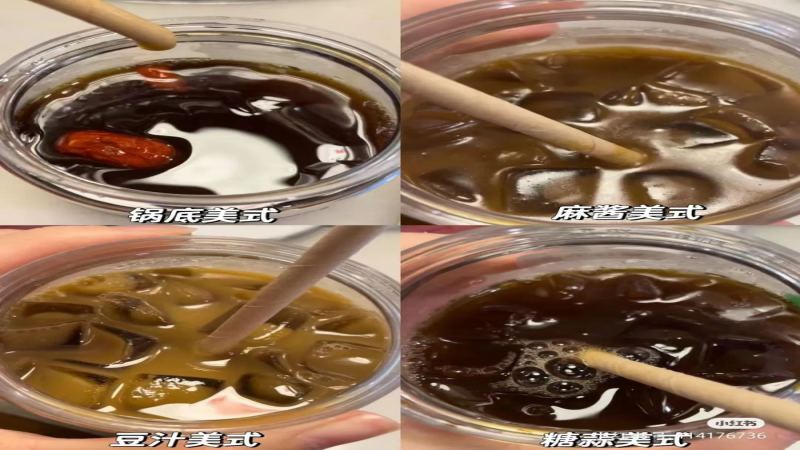
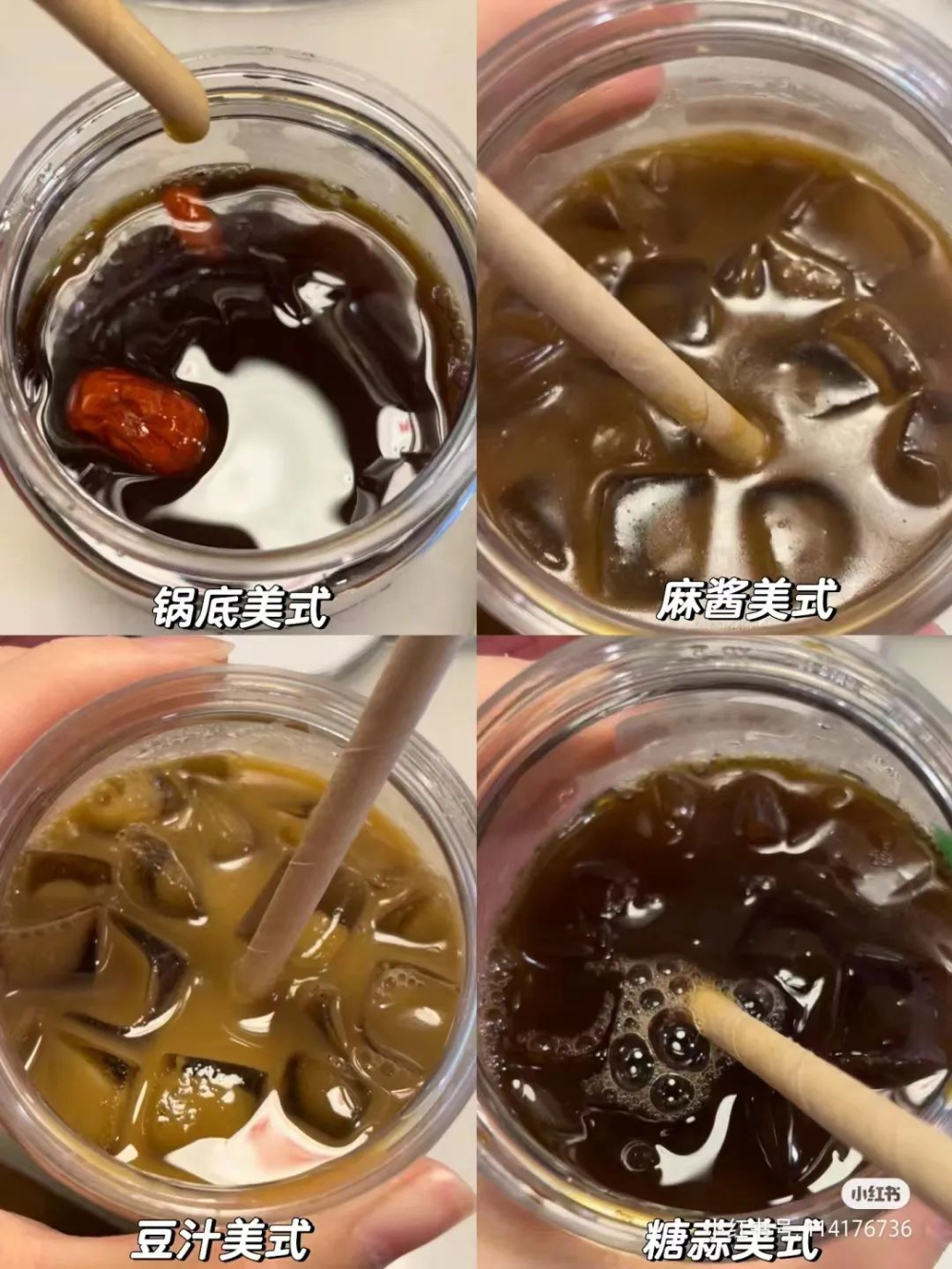
Earlier attempts went the other way, blending fermented mung bean juice, sesame paste, or stinky tofu into an Americano, and drew complaints about wasted food. The container approach keeps the two apart, so the coffee flavor stays intact. Green pepper, fish ball, and naan lattes followed the same logic after lunch crowds took notice.
The world of creative coffee is always full of surprises and shocks. From fermented mung bean juice americano to stinky tofu latte, baristas are obsessed with forcibly pairing local delicacies with coffee, yet often creating off-putting flavor bombs. Now the trend has shifted: instead of mixing ingredients, food itself becomes the container. Green pepper latte, fish ball latte, and naan latte have appeared one after another. Recently, a Ningbo barista even used a drunken crab shell as a cup, launching the Ningbo Drunken Crab Latte. Netizens' reactions are polarized: some cry out to spare the drunken crab, while others say they'd be willing to try it as long as no food is wasted. Is this exploration of the boundary between food and coffee gimmickry or innovation?
▲
Click to follow | Daily specialty coffee culture magazine Coffee Workshop
In the realm of creative coffee, baristas always think outside the box, interpreting through practice that "everything can be coffee," constantly trying to combine coffee with local specialty foods to create distinctive signature drinks.
Thus, creative coffees like fermented mung bean juice americano, sesame paste americano, and stinky tofu latte have appeared one after another, attracting many trendsetters to visit and check in. However, the taste of these coffees is truly hard to describe—one can only say every sip is a challenge to the taste buds.
From netizens' perspective, creative coffees made by forcibly pairing local specialties with coffee are like flavor bombs; their bizarre taste makes them impossible to finish, earning complaints of "wasting food." Although they attract attention and let people know about local specialties, they fail to spark any desire to try them, even producing a deterrent effect.
These complaints made baristas realize that forcibly mixing food and coffee neither highlights the characteristics of local cuisine nor masks the flavor of the coffee itself. So they changed their approach: no longer fusing the two, but using one to complement the other.
For example, the once-viral green pepper latte uses the green pepper as a container to hold coffee; after drinking, consumers can take the pepper home to stir-fry, adding a dish to dinner. Building on this, Fuzhou launched the fish ball latte—small and exquisite, you can finish it in one gulp and then chew the bouncy fish balls; Xinjiang wasn't to be outdone, using naan for latte art. Holding a naan latte in hand, drinking the coffee and eating the naan afterward solves lunch in one go.
Turning food into a container means the coffee's flavor won't be completely masked by the ingredients, and the "container" can be eaten afterward—arguably not wasting food. Recently, a Ningbo barista followed this idea, combining Ningbo drunken crab with coffee to launch the Ningbo Drunken Crab Latte.
Netizens have been sounding off: "Ningbo people are furious!", "Ningbo locals won't drink it," "Spare the drunken crab, buddy," "A diarrhea gift pack—those with seafood allergies please drink with caution," showing clear resistance to this creative coffee.
But observant netizens noticed that the barista in the video only used the crab shell as a container and didn't add crab meat or roe to the coffee, so they guessed it should be a normal-tasting latte. "If you can actually taste crab, then I'd be willing to try it," "This could work," "I'm really curious about the taste now," "After eating Ningbo drunken crab, just wash the shell and you can pour a cup of coffee—pretty nice."
Some netizens think the Ningbo Drunken Crab Latte contains no crab meat or roe, just like wife cakes contain no wife—it's merely a selling point to attract consumers. Though it may lack a bit of "the taste of the sea," it's not a dark cuisine that destroys your taste buds. Many curious trendsetters say that as long as no food is wasted, such creative coffee is acceptable and worth a try.
Image source: Internet
Disclaimer: Some images in this article are from the internet, and some website content such as images—we will respect the original copyright and indicate the source. However, due to the large quantity, some images and text may not have been credited in time; please forgive us. If the original author has any disputes, please contact the website to handle it. Once verified, we will correct it immediately. Compiled and edited by "Coffee Workshop." Please indicate the source when reprinting. If there is infringement, please inform us for deletion. Thank you~!
The above content is compiled by CoffeeHunters, a coffee news website.


