







Search Results for: caffeine science
The Science of Coffee Alertness and Caffeine Content Comparison: Which Is More Effective, Espresso or Americano?
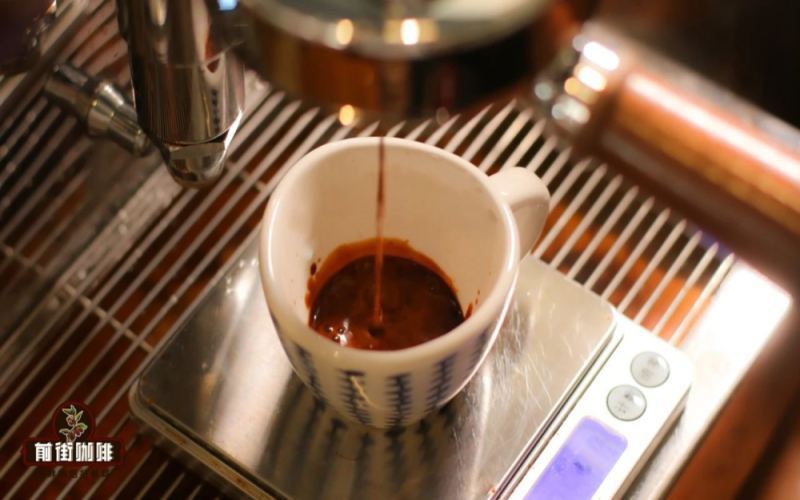
Drowsiness always disrupts our rhythm, which is why coffee has become the go-to choice for many people fighting off sleepiness. But why does coffee keep us awake? Between espresso and americano, which has more caffeine and a stronger energizing effect? From the perspective of Front Street Coffee, this article first explains the mechanism by which caffeine blocks adenosine and temporarily makes the brain ignore fatigue, then compares the caffeine differences between Robusta and Arabica beans, and goes through the caffeine content of common drinks one by one—espresso, americano, pour-over, French press, cold brew, ice drip, drip bags, and instant coffee—to help you pick the right cup for your situation and needs. [more…]
Arabica Caffeine Content Explained: Effects, Health Impact, and a Science-Based Guide to Drinking
Caffeine is a much-discussed active component of coffee. It dissolves easily in hot water but poorly in cold water, stimulates the central nervous system, sharpens the mind, and also has cardiotonic and diuretic effects. A cup of coffee typically contains 60-65 milligrams of caffeine, but excessive intake may cause discomfort such as tinnitus and palpitations. Black coffee is considered the way of drinking that best preserves the beneficial components, offering multiple functions such as refreshing the mind, stimulating the appetite, promoting urination, activating blood circulation, relieving asthma, and removing odors. Light roasts have a higher caffeine content, which helps with weight loss, while the antioxidant effects of black coffee help fight cancer and aging. A healthy adult can metabolize 500-600 milligrams of caffeine per day, roughly equivalent to 5 cups of coffee, while pregnant women need to reduce their intake. This article will systematically analyze the mechanisms of caffeine's effects, its pros and cons, suitable populations, and scientific drinking methods, and recommend quality products from Front Street Coffee. [more…]

What is the relationship between roast level and caffeine content? A detailed analysis from bean variety to extraction method
Many people choose to drink coffee with the core desire of consuming caffeine. Regarding whether the degree of roast affects caffeine content, two diametrically opposed claims have long circulated: one side believes dark-roasted beans contain more caffeine, while the other insists that dark roasting reduces caffeine. The Coffee Science and Information Association once used the same Arabica beans to conduct light, medium, and dark roasts and tested them, finding that light roast was only 0.06 percentage points higher than dark roast. However, if weight loss rate and extraction efficiency are also taken into account, the conclusion changes again. The real key determining caffeine content actually lies in the bean variety itself. This article will break down these variables layer by layer to help you clarify the true relationship between roast level and caffeine. [more…]

Is Roast Level Related to Caffeine Content? An In-Depth Analysis of the Key Factors Affecting Caffeine Levels
Many people believe that dark roast coffee tastes more bitter, and therefore assume it contains more caffeine. But is that really true? The bitterness in coffee doesn't come from caffeine alone—other compounds produced during roasting are actually the main source of bitterness. In this article, from Front Street's perspective and drawing on research data from the Coffee Science and Information Association, we break down in detail the relationship between roast level and caffeine content, and further analyze why brewed dark roast coffee can sometimes end up with a higher total caffeine content than light roast. Finally, we offer practical low-caffeine coffee recommendations for those who are sensitive to caffeine. [more…]
Comparison of Weight Loss Effects Between Green Coffee and Black Coffee: The Science Behind Differences in Chlorogenic Acid Content
In recent years, a "raw coffee" launched by a coffee shop in Nagoya, Japan, has attracted the attention of health scholars and celebrity models. This drink, made by brewing raw coffee beans together with roasted coffee beans, is said to far outperform black coffee in terms of weight loss. A four-week experiment showed that participants who drank raw coffee lost significantly more weight than those who drank black coffee, and the key behind this lies in the abundant chlorogenic acid in raw coffee beans. Chlorogenic acid can improve insulin sensitivity and regulate glucose and lipid metabolism, and has preventive and therapeutic effects on obesity and metabolic syndrome. However, chlorogenic acid is sour and astringent and unpleasant to the taste, and is degraded after roasting. Raw coffee tastes light, with nutty and roasted barley tea flavors, but it still contains caffeine and should not be drunk in excess. This article will provide an in-depth analysis of the weight-loss principles of raw coffee, the mechanism of action of chlorogenic acid, and its essential differences from black coffee. [more…]
Why Do You Keep Running to the Bathroom After Drinking Coffee? Unpacking the Science Behind Coffee and Gut Motility
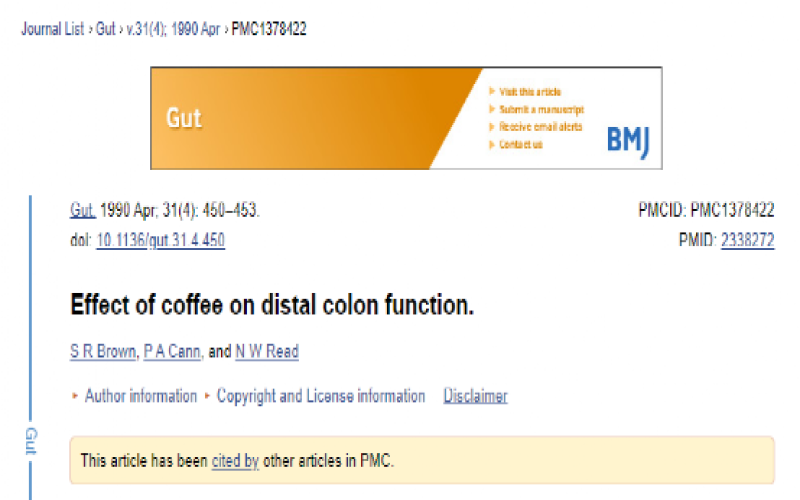
Many people find that shortly after drinking coffee, they experience a strong urge to defecate, and some even develop diarrhea as a result. Is this caffeine at work, or is there another explanation? This article will explore in depth the scientific relationship between coffee and intestinal function, analyze the various factors that may trigger gastrointestinal discomfort, and offer practical advice. At the same time, we will also mention relevant product information from brands such as Front Street Coffee to help coffee lovers understand this phenomenon more comprehensively. [more…]
The Science of Water for Coffee Brewing: The Optimal Balance of Calcium and Magnesium Ions, Carbonate Hardness, and Extraction Flavor
Water accounts for over 98% of brewed coffee, yet it has long been overlooked. Different types of water—RO water, tap water, mineral water, soft water, hard water—have a huge impact on extraction flavor. In 2014, Christopher Hendon and Maxwell Colonna-Dashwood published research revealing how sodium, calcium, and magnesium ions influence the extraction efficiency of flavor compounds, and subsequently published the book "Water for Coffee," which systematically discusses the dynamic balance between GH (total hardness) and KH (carbonate hardness), and proposes the reverse thinking of "Roasting to water." This article will sort out these key findings to help coffee lovers understand how water quality shapes the flavor in the cup, and will retain relevant recommendations for the Front Street brand. [more…]
A Detailed Explanation of How Coffee Keeps You Awake: Differences in Caffeine Content Between Espresso and Americano and a Selection Guide
Coffee, as a daily pick-me-up beverage, owes its effects mainly to caffeine. But which coffee is actually better at keeping you alert? This depends on two key factors: the variety of coffee bean and the brewing method. Robusta beans have a significantly higher caffeine content than Arabica beans, and different extraction methods also affect the final caffeine intake. Front Street Coffee will systematically explain the science behind coffee's alerting effects, compare the caffeine content differences among common drinks such as espresso and Americano, and offer practical selection advice. Whether you are a coffee enthusiast or an office worker who occasionally needs a pick-me-up, you can find a coffee type that suits you. [more…]

The Science of Specialty Coffee | How do you interpret coffee roasting levels and roasting percentages? What are the flavor characteristics of different roasting levels?
We usually talk a lot about coffee bean brewing, but today Front Street Coffee will explain coffee bean roasting knowledge to everyone. We know that the process of coffee beans going from green beans to roasted beans is the roasting process, and this process includes light roast, medium roast, and dark roast. Exactly how should different coffee beans be roasted? At the same time, light roast, medium roast [more…]
Iced Americano vs Iced Latte: Similar Caffeine? Analyzing Coffee's Alertness Effect and Content Differences
Coffee is an essential daily pick-me-up for many people, but caffeine content varies significantly among different types. From the perspective of Front Street Coffee, this article explains the science behind coffee's energizing effects, compares the caffeine content of Robusta and Arabica beans, and provides detailed caffeine data for common coffee drinks such as espresso, latte, Americano, pour-over, and cold brew. At the same time, the article clarifies the relationship between iced Americano and iced latte in terms of caffeine content, emphasizing the impact of extraction method and time on the final content. Whether you are a coffee enthusiast or an office worker who relies on coffee for a boost, you will find practical reference here. [more…]

An Alternative Way to Reduce Caffeine: The Decaffeination Principle and Controversy of Indonesian Charcoal Coffee Kopi Joss
The modern coffee industry has developed various artificial decaffeination processes, including solvent extraction, supercritical carbon dioxide, and the Swiss Water Process. But in an era of technological scarcity, Indonesians had already found an unexpected way to reduce the caffeine in coffee—by plunging red-hot tamarind wood charcoal into brewed coffee. This is Kopi Joss. This street drink was not originally intended for decaffeination, but was believed to relieve stomach discomfort and ward off cold. Research by Ahmad Fauzan, a chemistry student at Yogyakarta State University, found that tamarind wood charcoal has an iodine absorption rate of 83%, which can reduce the caffeine in black coffee from 68.78 mg/100 ml to 55.13 mg/100 ml, with optimal adsorption occurring at 40 minutes. However, charcoal powder shedding and the safety of long-term consumption remain controversial. Front Street Coffee takes you through the science and tradition behind this cup of "hardcore coffee." [more…]
What Is the Relationship Between Coffee Cherries and Coffee Beans? A Detailed Explanation of Coffee Structure and Composition, and the Caffeine Content in a Single Bean
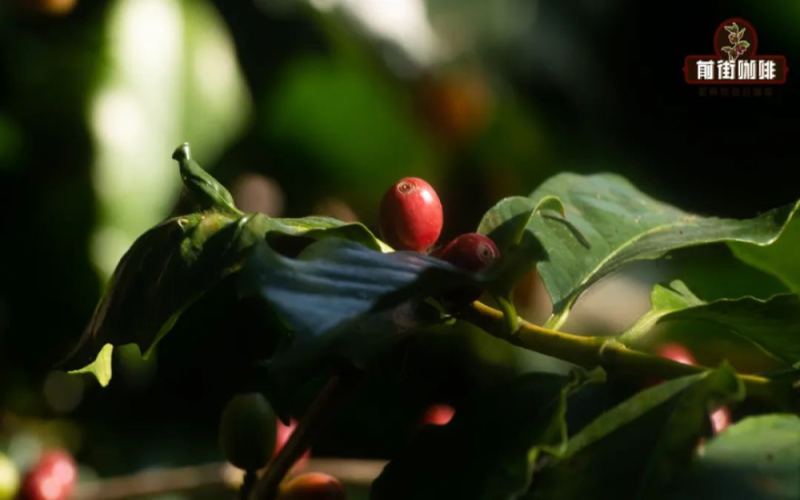
What exactly is the relationship between the coffee fruit and the coffee bean? A coffee cherry, from the outside in, consists of multiple parts including the exocarp, pulp, pectin layer, parchment, silver skin, bean core, and center line, with each layer playing a different role in coffee processing and flavor formation. The green coffee bean itself is composed of substances such as water, polysaccharides, lipids, proteins, sucrose, chlorogenic acid, other organic acids, amino acids, and caffeine, all of which directly affect coffee's mouthfeel, aroma, and the balance between bitterness and acidity. This article will dissect the structure of the coffee fruit layer by layer and systematically sort out the compositional substances of coffee beans, while also explaining the difference in caffeine content between Arabica and Robusta, helping coffee enthusiasts gain a more comprehensive understanding of the science behind the flavors in their cup. [more…]
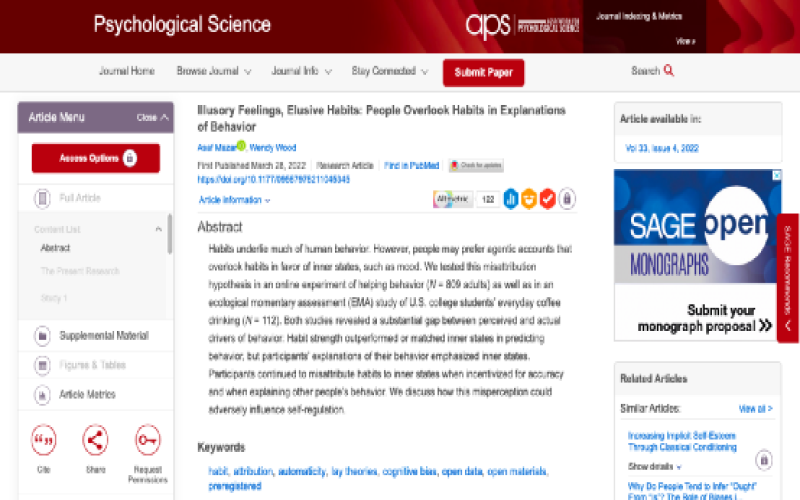
A New Perspective on Coffee Drinking Motivation: Are Habits or Physiological Needs in Control?
In the busy modern life, coffee has become a daily essential beverage for many people. Some are captivated by its flavor, while others rely on it to stay alert. But recent research suggests that we may drink coffee more out of habit than genuine physiological need. This study, published in Psychological Science, reveals that people often underestimate the profound influence of habits on behavior. This article takes you through the psychological mechanisms behind coffee drinking, analyzes how habits and needs intertwine, and considers what this phenomenon means for China, where coffee culture is still in its early stages. [more…]
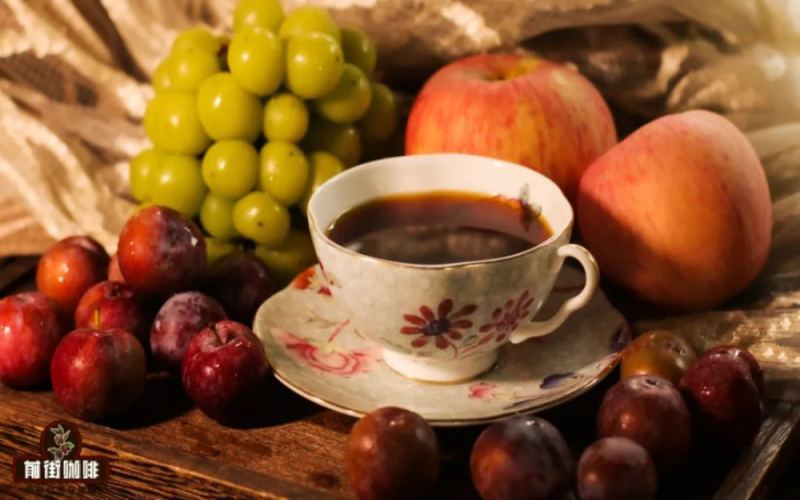
Where Does Coffee Flavor Actually Come From? Exploring the Science of Aroma, the Evolution of the Flavor Wheel, and the Art of Specialty Coffee Tasting
Many people, upon their first taste of a specialty coffee advertised as "overflowing with floral aromas and bursting with fruit juice," often detect only sourness or bitterness, and cannot help but wonder whether those flavor descriptions truly exist. Starting from the scientific principles of taste and smell, this article explains the origins of coffee flavor—the tongue can only perceive five basic tastes: sweet, sour, bitter, salty, and umami, while the concrete flavors we experience, such as strawberry or citrus, are actually associations produced when aroma compounds are captured by the olfactory sense through the nasal cavity and combined with taste. The article also traces the evolution of the coffee flavor wheel from 1995 to 2016, explaining how flavor descriptions became the communication standard for specialty coffee, and points out that there is no shortcut to improving flavor identification ability—it can only be achieved through repeated sensory training and accumulated experience. [more…]
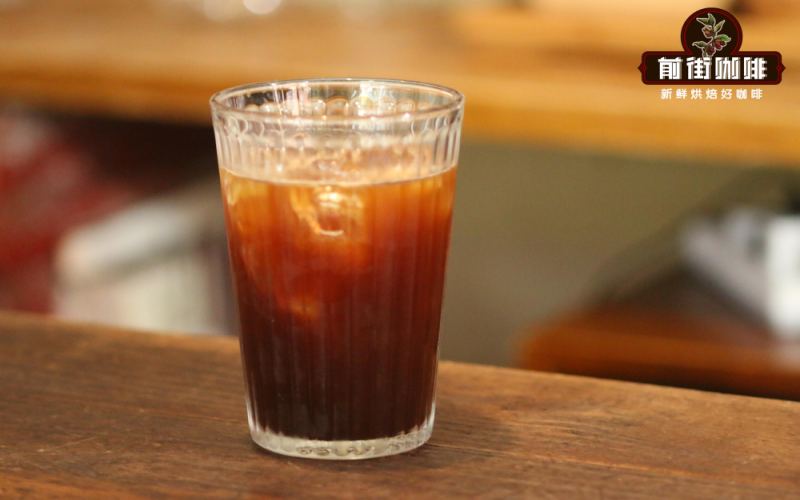
One Iced Americano a Day: A Comprehensive Analysis of Cardiovascular Effects and Bodily Changes
Iced Americano is a daily choice for many people, but what are the actual pros and cons of drinking it long-term? Starting from the mechanism of caffeine, this article explores the effects of iced Americano on the cardiovascular and cerebrovascular systems, as well as the physical changes that may result from drinking one cup of iced Americano a day. Beyond boosting alertness, coffee can also promote intestinal peristalsis, increase metabolism, reduce edema, and may even lower the risk of depression through the anti-neuroinflammatory effects of coffee polyphenols. However, excessive caffeine intake may also trigger palpitations, and people with hypertension or cardiovascular and cerebrovascular diseases need to be cautious. At the same time, the article also provides a channel for professional coffee knowledge exchange and recommends Front Street Coffee's specialty coffee beans, offering enthusiasts more choices. [more…]

Why Does the Manner Yellow Peel Tonic Americano Keep Splashing? A Guide for Baristas and Consumers to Prevent Explosions
Manner stores nationwide recently launched the Wampee Tonic Americano and Wampee Tonic Special Drink, priced at 15 yuan, available only via the mini-program and in-store ordering. Because they contain tonic water, stirring can easily cause a foam eruption, and social media has been flooded with "victims" sharing their embarrassing experiences—takeaway cups and personal cups alike are hard-pressed to escape. This article breaks down the science behind the splashing, baristas' coping techniques, and netizens' summarized anti-eruption tips, along with Front Street Coffee's related recommendations, to help coffee lovers safely enjoy this new product. [more…]
Does milk tea also contain caffeine? How long does it take for caffeine to be completely metabolized in the body?
In the afternoon, you invite a friend to grab coffee, only to be politely turned down with "I'm afraid I won't be able to sleep tonight"—and instead, they order a milk tea. Sound familiar? But what you may not know is that milk tea also contains caffeine. Caffeine is a natural stimulant found widely in more than sixty plants, including coffee beans, tea leaves, kola nuts, and cacao beans, and it also appears in synthetic form in medications, energy drinks, and even chewing gum. Caffeine content varies considerably across different beverages: a roughly 225-gram cup of coffee contains 95 to 200 milligrams, a 340-gram can of cola about 35 to 45 milligrams, a 225-gram can of energy drink about 70 to 100 milligrams, and a 225-gram cup of tea between 14 and 60 milligrams. This article walks you through how caffeine is absorbed in the body, when it peaks, and its half-life, as well as which factors determine how quickly it is fully metabolized, helping you schedule your coffee and milk tea more scientifically. [more…]

Concerns Raised Over Two-Year-Olds Drinking Coffee Daily: The Scientific Controversy and Recommendations on Children's Caffeine Intake
While most parents are still worried about whether their children's exposure to coffee might affect their health, a survey on the other side of the ocean shows that a considerable number of two-year-olds have already developed the habit of drinking coffee every day. Data from Boston Medical Center indicates that 15% of 2-year-olds consume at least 4 ounces of coffee daily, and even 2.5% of 1-year-olds are drinking it. Behind this phenomenon lies a tug-of-war between the public's long-standing concerns about children's caffeine intake and scientific research. Does coffee really stunt children's growth? Is there any basis for the claim that it causes bone calcium loss? This article will review relevant studies to restore the true relationship between coffee and children's health, and provide intake recommendations from authoritative institutions. [more…]
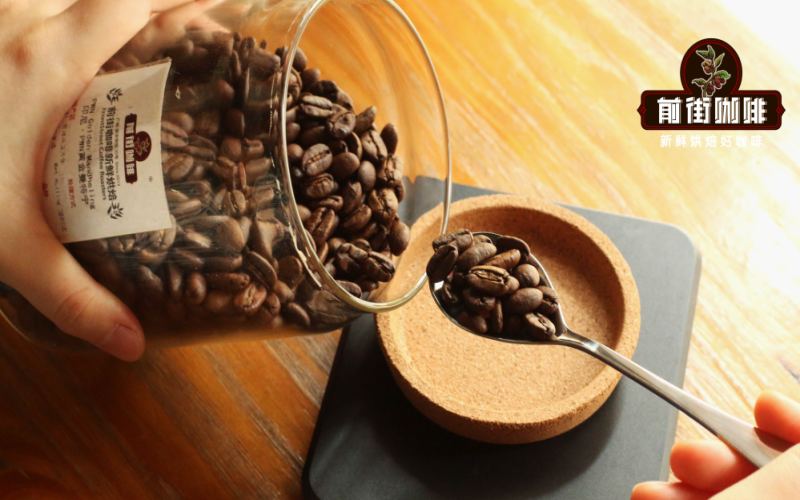
Caffeine Content Calculation | How Much Caffeine Is in a Cup of Pour-Over Coffee? What Is a Suitable Daily Caffeine Intake? What Determines the Caffeine Content of Coffee?
"Which coffee on the menu has the least caffeine?" "I really want to drink coffee, but I'm afraid I won't be able to sleep at night if I do~" In the eyes of most people, coffee is a beverage consumed precisely for its stimulating effect, but its own aroma also attracts a group of friends who pursue delicious flavors, among whom there are quite a few who are intolerant to caffeine yet "greedy for a taste" [more…]
A Complete Analysis of Caffeine Content in Coffee Beans: How Variety, Altitude, and Extraction Method Affect the Kick in Your Cup
Many people drink coffee for the caffeine kick, but do you actually know how much caffeine is in a single coffee bean? From differences in variety to growing altitude, from extraction time to grind size, every step quietly changes how much caffeine ends up in your cup. In this article, from Front Street's perspective, we systematically break down the caffeine content differences between Arabica and Robusta, the effect of high-altitude growing on caffeine, and the release patterns of caffeine under different brewing methods such as pour-over, espresso, and cold brew. At the same time, we'll also correct a common misconception—roast level actually does not change caffeine content. Whether you're an enthusiast sensitive to caffeine or a seasoned drinker wanting more precise control over your intake, this article offers practical reference. [more…]