







Search Results for: brewing details
How to brew pour-over coffee grounds to make it taste good? Analysis of nine detailed mistakes beginners often make
Many friends who are just getting into pour-over coffee encounter this confusion: they've bought the same beans as the café uses and followed the brewing recommendations, yet the cup they make tastes far different from what they had in the shop. In fact, the problem often isn't about how advanced your technique is, but rather a few easily overlooked small details. From purging the grinder before grinding, filter paper fitting, and the force of tapping the grounds, to checking before pouring, water temperature control, and bloom saturation, and further to executing parameters, observing the coffee bed, and swirling before drinking—every step can sway the final flavor in the cup. Front Street Coffee has put together nine details that beginners most easily overlook, to help you eliminate unstable factors at the source and bring every brew closer to the ideal taste. [more…]
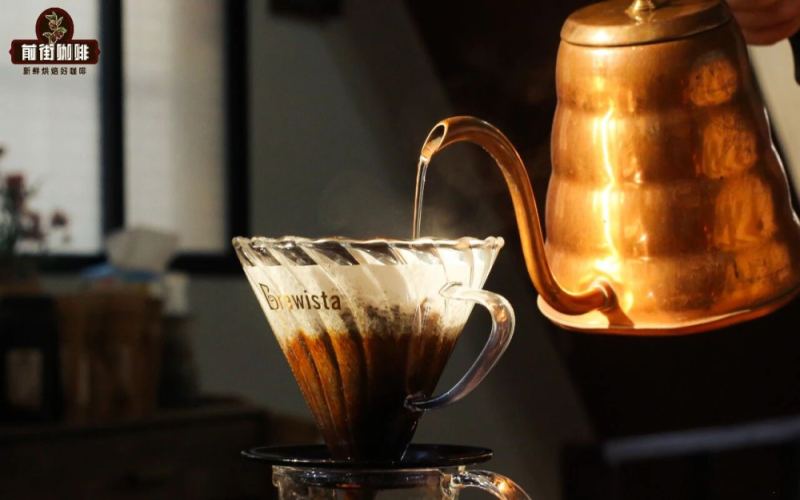
Pour-over Coffee Brewing Details | How to Brew Single-Origin Beans Once Ground? Is Blooming Necessary for Pour-over? An Introduction to Pour-over Coffee Pouring Techniques and Extraction Parameters
After patiently listening to the barista's explanation and painstakingly choosing a bag of coffee beans to take home, you also "follow the same pattern" according to the brewing suggestions, only to find that the coffee you brew is vastly different from what you drank in the shop. You think it over and over, but still can't figure out where the problem lies... This is very likely caused by overlooking a certain detail. [more…]
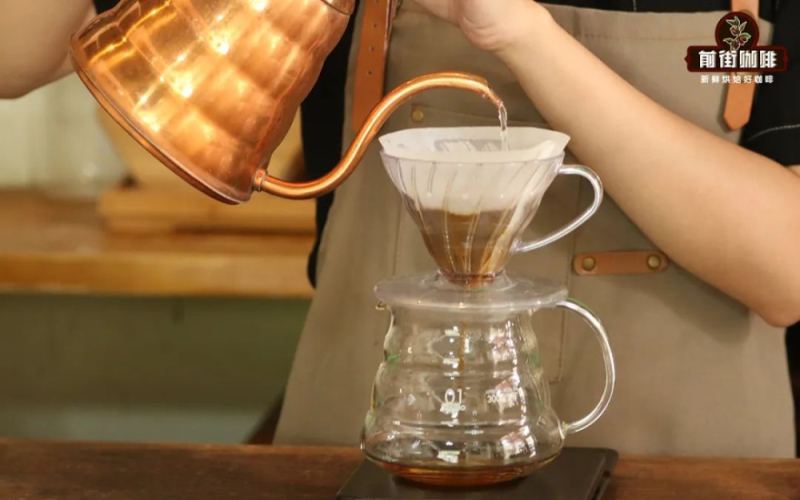
Nine Easily Overlooked Details for Pour-Over Coffee Grounds That Noticeably Improve Flavor Once Mastered
Many coffee enthusiasts, after enjoying a satisfying pour-over at a café, will buy beans to try at home, only to find the result falls short of what they had in the shop. In fact, the problem often lies not in complex techniques, but in some of the most basic details being overlooked. From rinsing the grinder before grinding and fitting the filter paper, to blooming and moistening the grounds, to observing the coffee bed while pouring, every step can affect the final flavor. Front Street Coffee has compiled nine brewing points that beginners most easily overlook, to help everyone eliminate unstable factors from the source and more accurately determine whether the coffee tastes bad due to grinding, water temperature, or pouring technique. [more…]
Must-Read for Pour-Over Coffee Beginners: Grind Size, Timing, and Five Easily Overlooked Key Details
Pour-over coffee seems simple, but it actually hides many details that are easy to overlook. Many beginners focus their attention on the big picture of brewing, yet often overlook details in grinding, equipment, timing, and other steps, ultimately ending up with coffee that tastes as bland as water or is burnt and bitter beyond swallowing. This article compiles five key points summarized by Front Street, covering grinder selection, grinding timing, pre-pouring checks, extraction time control, and post-brewing handling, along with Front Street Coffee bean recommendations suitable for beginners. If you are practicing pour-over, these details are worth checking one by one to help you avoid detours and brew a satisfying cup of coffee more quickly. [more…]
Guide to Consistent Pour-Over Coffee: Key Details from Parameter Execution to Filter Cup Preheating
The charm of pour-over coffee lies in its rich flavors, but it also puzzles many enthusiasts: why does the same beans and parameters produce a different taste every time? Front Street Coffee believes that it is nearly impossible to replicate two completely identical cups of coffee, but by controlling the details, it is entirely possible to make two cups sensorially indistinguishable. This article will start with four key steps—strictly executing brewing parameters, preheating the dripper and server, cleaning the grinder, and waiting for the drip to finish—to analyze in detail how to reduce unstable factors during brewing, helping you improve the stability and quality of your pour-over coffee. [more…]
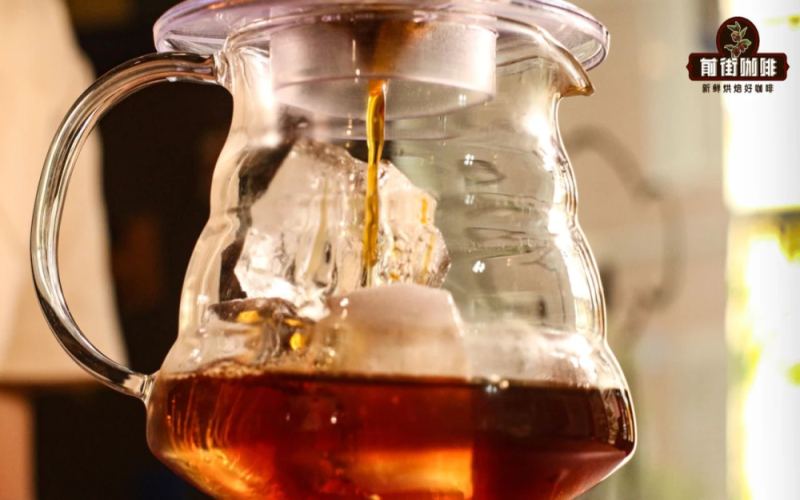
Key Points for Bean Selection and Brewing of Cold Drip Coffee: An Analysis of Five Easily Overlooked Details
Ice drip coffee is a popular cold brew drink in summer. Its operation may seem simple, yet the final flavor is often affected because details are overlooked. At Front Street Coffee, we have found in our daily brewing that every step, from bean selection strategy to coffee bed handling, and from water quality to fermentation time, has a noticeable effect on the taste of the finished cup. This article will explain five key details in making ice drip coffee, including why it is recommended to use beans that have rested for a period after roasting, why a round filter paper should be added on top of the coffee grounds basket, the practical significance of pre-wetting the coffee grounds, the impact of water quality and ice cubes on the drip rate, and why the brew needs to be refrigerated and left to stand after dripping is completed. Through sharing these experiences, we hope to help coffee lovers reduce mistakes when making ice drip coffee, so that extraction is more even and the flavor is fuller. [more…]

Nine common operational mistakes made by pour-over coffee beginners—only by troubleshooting them one by one can you consistently reproduce good flavor
When brewing coffee at home, you follow the barista's advice to the letter, yet the result is always far from what you get in the café. The problem often isn't how advanced your technique is, but rather some easily overlooked basic details. Front Street Coffee has sorted out the nine most common operational oversights among beginners: not rinsing the grinder before grinding beans, which causes flavor transfer; the filter paper not sitting flush against the dripper; over-tamping the grounds; inadequate checking before pouring; confirming water temperature too early; uneven blooming; imprecise execution of parameters; staring only at the digital scale and not at the coffee bed; and drinking without swirling the coffee first. These steps seem minor, yet they directly affect extraction uniformity and the final taste. Only by checking them one by one and turning them into habits can you reduce sources of instability at the root and more quickly find the real reason your coffee doesn't taste good. [more…]
Ten easily overlooked details in pour-over coffee, Front Street breaks them down for you one by one
Many coffee enthusiasts, when brewing pour-over coffee, follow established parameters yet the final flavor often deviates from expectations—the problem usually lies in those easily overlooked operational details. Front Street Coffee has compiled ten points that beginners most often neglect, covering pre-grinding burr rinsing, filter paper fitting, tapping the dripper, checking before pouring, timing of water temperature confirmation, parameter execution, bloom saturation, focusing on the coffee bed rather than the scale, shaking for evenness, and correctly interpreting the shape of the spent coffee bed. These details may seem minor, but they directly affect extraction uniformity and the final taste. Mastering them will help you pinpoint the source of problems more quickly during troubleshooting, bringing every cup closer to the ideal state. [more…]
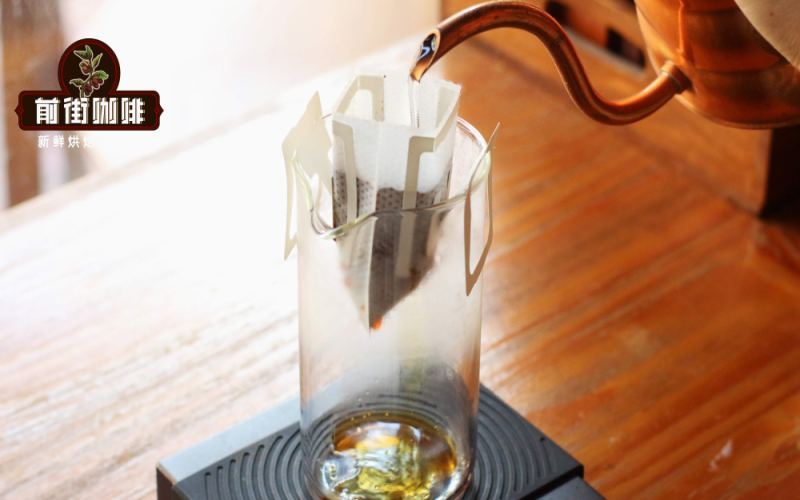
Is Drip Bag Coffee Sour? Three Front Street Coffee Curated Drip Bag Recommendations and a Detailed Four-Step Brewing Guide
Drip bag coffee has become a daily choice for more and more coffee lovers thanks to its combination of convenience and aroma. Most drip bags on the market are made from specialty coffee beans, with flavors ranging from fruity and acidic to rich and full-bodied. This article first recommends three must-buy Front Street Coffee drip bag coffees for beginners—Yunnan Small Bean, Indonesian Mandheling G1, and Brazilian Cerrado Red Bourbon—introducing their roast levels and flavor characteristics respectively. It then explains in detail the four-step brewing method for drip bag coffee, including key details such as water temperature control, blooming time, and staged pouring, to help you easily brew a delicious cup of black coffee. [more…]
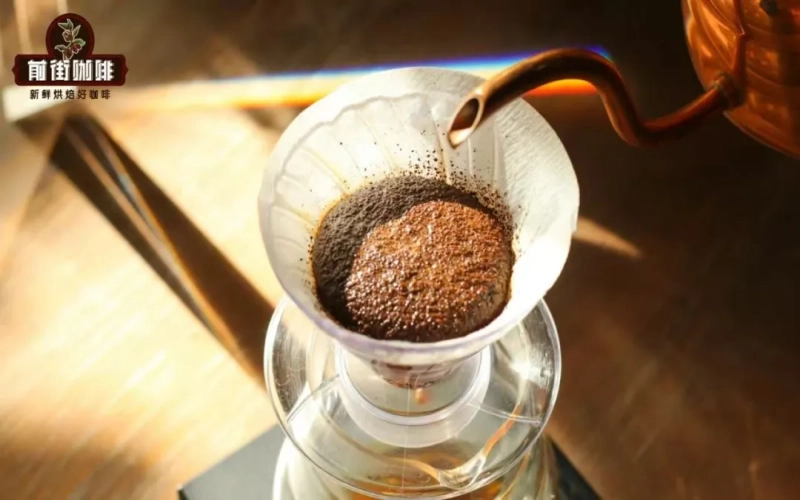
Should you rinse the filter paper with hot water before brewing? Practical details on water quality, blending, and grinder cleaning
Besides the coffee-to-water ratio, water temperature, and pouring technique, the final flavor of a cup of coffee is also influenced by many easily overlooked steps. Drawing on Front Street Coffee's practical experience, this article outlines four operational details worth paying attention to: whether the paper filter needs to be pre-wetted with hot water, how the hardness of the brewing water affects extraction, whether the coffee liquid should be swirled after dripping, and how to simply clean the grinder before grinding to avoid flavor carryover. These seemingly minor steps often inadvertently change the aroma, mouthfeel, and cleanliness of the coffee. Whether you prefer espresso or pour-over, you can find ideas here to optimize your daily brewing. [more…]
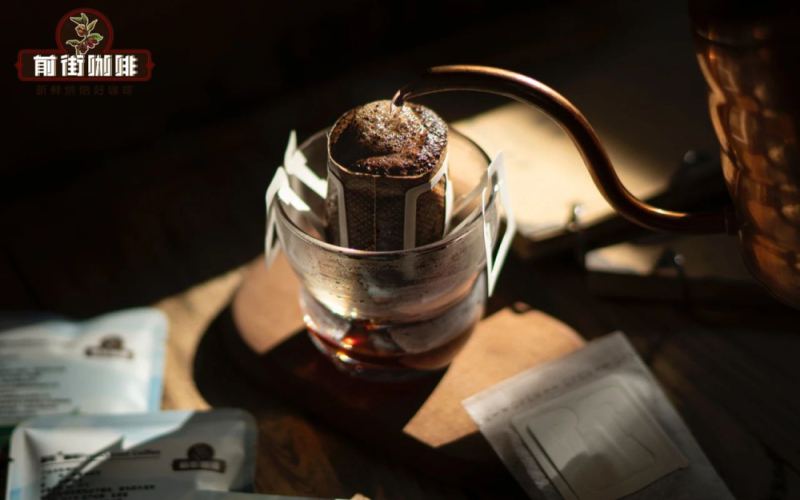
The Complete Guide to Drip Bag Coffee Brewing: Three Key Details for Coffee-to-Water Ratio and Water Temperature Control
Drip bag coffee may seem simple, but to brew an ideal cup, three details are indispensable: the pouring method, the coffee-to-water ratio, and the water temperature. In this article, a barista from Front Street Coffee shares practical brewing tips, breaking down everything from bean selection to specific steps. Whether you prefer floral notes, fruity acidity, or a rich, full-bodied taste, you'll find a drip bag coffee recommendation that suits you. The article also explains in detail how to keep a steady stream of water using a gooseneck kettle, precisely control the ratio with a graduated cup, and maintain the water temperature between 85 and 95 degrees Celsius to avoid off-flavors and a gritty mouthfeel. Master these key points, and your everyday drip bag coffee can easily be elevated to the next level. [more…]
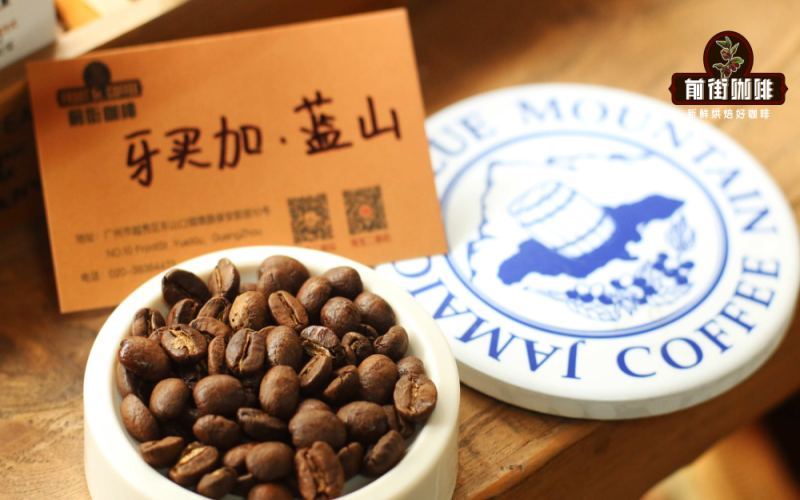
How to brew and drink Jamaican Blue Mountain Coffee? A detailed guide to siphon and filter bag brewing techniques and tasting methods
Blue Mountain coffee has long been regarded as the finest of all coffees. It comes from the Blue Mountains of Jamaica and takes its name from the blue light reflected off the azure waters of the Caribbean Sea. It combines a rich, mellow body with a perfect balance of sweetness, acidity, and bitterness, with almost no bitterness at all, leaving only a moderate and elegant acidity, and is usually enjoyed as a single-origin brew. To truly appreciate the essence of Blue Mountain coffee, the brewing method and the rhythm of drinking are equally crucial. This article will begin with the flavor characteristics of Blue Mountain coffee, explain how to sip it in small mouthfuls like fine wine, the order and timing for adding sugar and milk, then detail the brewing steps and water temperature control for drip-bag hot coffee, and recommend Front Street Coffee's Blue Mountain coffee beans, helping coffee lovers brew a cup of Blue Mountain coffee full of character at home. [more…]
Drip Bag Coffee Beginner's Brewing Tutorial: A Detailed Guide to the Differences Between Drip Bags and Pour-Over, and the Correct Brewing Method
For office workers who need a cup of coffee to perk themselves up every day, drip bag coffee is undoubtedly an ideal choice that balances convenience and quality. But are drip bag coffee and pour-over coffee really the same thing? And what details should you pay attention to when brewing? This article will start with the definition of drip bag coffee, compare in detail its similarities and differences with pour-over coffee, and explain the complete brewing process of drip bag coffee step by step. At the same time, we will also discuss several key factors that affect the flavor of drip bag coffee, including coffee bean freshness, water temperature control, and the coffee-to-water ratio, to help you easily brew a delicious cup of drip bag coffee at home or in the office. [more…]
Cold Brew Coffee Guide: Key Points for Choosing Beans and Detailed Brewing Steps
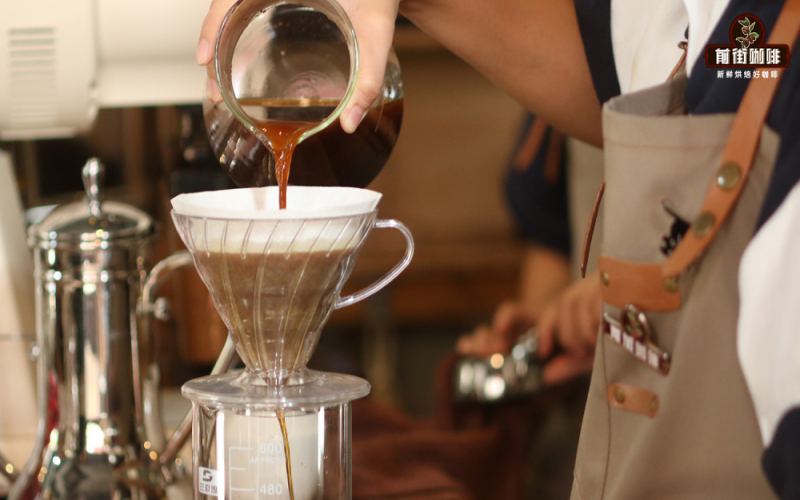
As temperatures climb, cold brew coffee—thanks to its simple preparation and refreshing taste—has become an easy at-home iced drink option for many coffee lovers. However, selecting the right coffee beans is just as crucial to making a delicious cold brew. This article provides a detailed introduction to Front Street Coffee's cold brew process, including the coffee-to-water ratio, grind size standards, and steeping time, while also recommending coffee bean types suited to cold brew based on different flavor preferences—from the juicy character of light-roasted washed beans, to the fruity wine-like aroma of anaerobic fermentation, and the balanced, rich nutty notes—helping you find the cup that best suits your taste. [more…]
Will a moka pot explode? From principles to operational details, teaching you to safely brew rich coffee
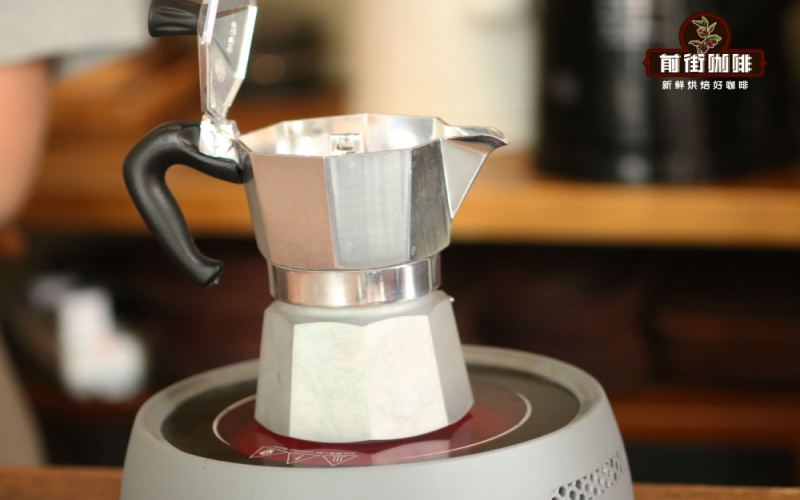
The moka pot, with its unique pressurized extraction method, can brew rich coffee close to espresso, making it a favorite among home coffee enthusiasts. However, because it involves pressure, many people have doubts about its safety. In fact, as long as you master the correct operating steps, these problems can be completely avoided. Starting from the working principle of the moka pot, this article will explain in detail the suitable coffee bean choices, specific recommendations for the Front Street Coffee brand, and twelve usage details that must be noted—from preparing a new pot, water level control, and grounds filling, to gasket replacement, how to tighten the pot body, suitable heat sources, and troubleshooting. Whether you use an aluminum alloy or stainless steel model, these practical suggestions can help you avoid risks and consistently produce moka coffee with a rich layer of crema. [more…]
How to brew drip bag coffee so it tastes good? A full breakdown of Blue Mountain flavor brewing key points and operational details
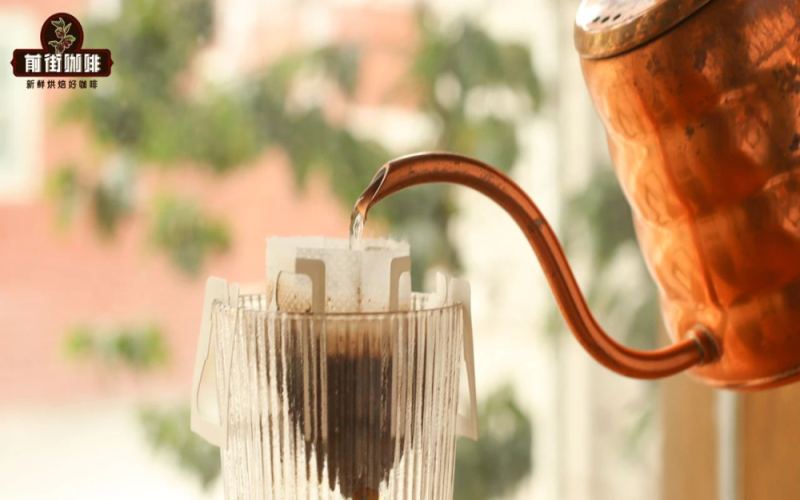
Drip bag coffee, with its combination of convenience and freshness, has become the preferred way for many people to drink coffee daily. But to truly brew a cup of drip bag coffee with full flavor and balanced taste, every step—from tearing open the packet and hanging it on the cup to pouring water and blooming—has its own finer points. This article takes Front Street Coffee drip bags as an example to break down in detail the correct brewing process for drip bag coffee, including key details such as recommended water temperature, coffee-to-water ratio, and pouring technique. It also explains how coffee bean freshness and grind size affect flavor, and recommends three classic coffee beans suitable for making drip bags, helping coffee lovers easily recreate a good cup of coffee at the office or at home. [more…]
How to Choose Coffee Beans for Cold Brew? A Detailed Guide to Coffee-to-Water Ratio and Brewing Steps, with Three Recommended Beans
As the weather gradually warms up, a refreshing glass of cold brew coffee becomes a favorite for many coffee lovers. Cold brew is simple to make and easy to do at home, but choosing the right coffee beans is what really makes the flavor stand out. This article uses Front Street Coffee's cold brew method as an example to explain in detail the key parameters such as coffee-to-water ratio, grind size, and steeping time, and recommends three coffee beans suitable for making cold brew: Panama Butterfly, Ethiopia Yirgacheffe Red Cherry Project, and Costa Rica Musician Series Mozart. Whether you're after clean floral notes or prefer fermented winey aromas, you'll find the one that suits you. [more…]
Can Cold Brew Coffee Be Made with Hot Water? A Detailed Guide to Water Temperature, Grind, and Timing in Cold Brew Making
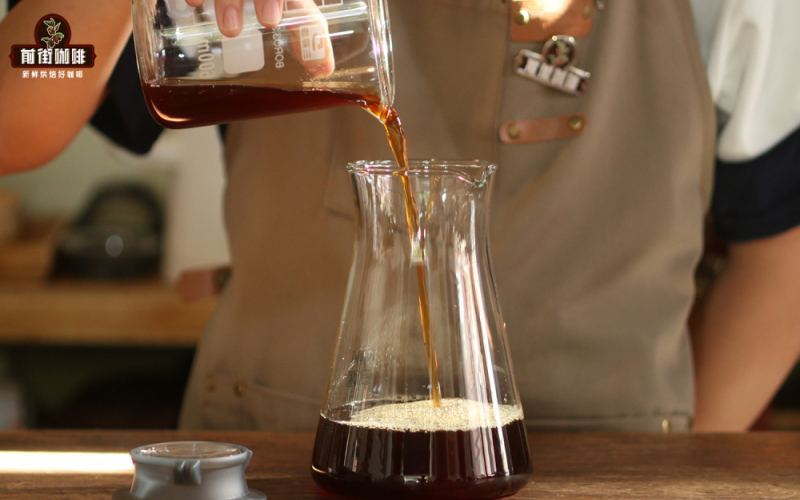
Coffee extraction methods are not limited to hot water—cold water can accomplish the same process, and the cold brew coffee born from this presents a completely different flavor profile from hot-brewed coffee. Cold brew coffee is mainly divided into two forms: cold steep and ice drip, the former steeping coffee grounds in cold water, while the latter uses the drip filtration principle to extract drop by drop. Many friends ask: should cold steep coffee use hot water or cold water? The answer is actually very clear—coffee brewed with hot water can no longer be called cold steep coffee. Cold steep coffee can only be steeped in room-temperature or ice water, and the entire steeping process needs to be maintained in a low-temperature environment. This article, drawing on Front Street Coffee's hands-on experience, will provide a detailed breakdown of the key details for making a delicious cup of cold brew coffee, covering coffee bean selection, grind size, steeping time, and coffee-to-water ratio. [more…]

Can Drip Bag Coffee Be Used for Cold Brew? Detailed Steps and Parameters for Making Simple Cold Brew Coffee at Home
In the heat of midsummer, a refreshing glass of cold brew coffee is a favorite for many coffee lovers. But what if you don't have professional cold brew equipment at home? Actually, you can also make a decent-tasting cold brew coffee using drip bag coffee. Through actual testing, Front Street Coffee found that although drip bag coffee has a fixed amount of grounds and an unadjustable grind size, you can optimize the extraction effect by adjusting the water temperature and increasing the amount of coffee grounds used. This article will explain in detail the specific method for making cold brew with drip bag coffee, including the ratio of coffee grounds to water and ice, the steeping time, and why it is recommended to use multiple drip bags at once. At the same time, the article also provides a practical demonstration using a strawberry candy-flavored drip bag to help you easily make a refreshing, heat-relieving cold brew coffee at home. [more…]
Guatemala Huehuetenango Blue River Estate Coffee Brewing Guide: Detailed Pour-Over Parameters and Japanese Iced Pour-Over Method
The Huehuetenango region of Guatemala is world-renowned for its delicate citrus acidity and distinctive chrysanthemum tea notes, and Finca Blue River is a highly representative cooperative within this region. Starting with the origins and flavor characteristics, this article will provide a detailed introduction to Front Street Coffee's recommended pour-over parameters and Japanese iced pour-over method for Finca Blue River, including key details such as grind size, water temperature, and pouring rhythm, helping coffee enthusiasts recreate at home the rich layers of almond, grape, black tea, and honey interwoven in this bean. [more…]