







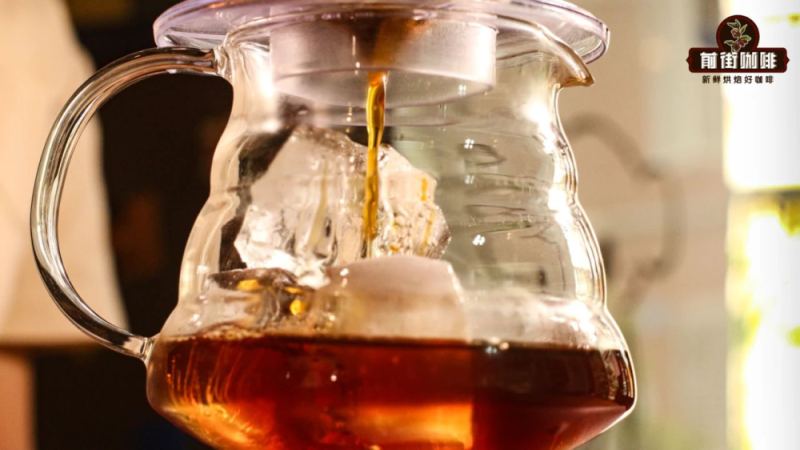
How does coffee beans production shape cold drip brewing?
Cold drip coffee depends less on technique than on a handful of details that are easy to skip. Beans rested more than 20 days after roasting release less gas, so the coffee bed stays even instead of channeling. A round filter paper on top of the grounds, pre-wetting those grounds, and controlling water quality and ice all change how fast the drip runs and how the cup finally tastes.
The five points covered here follow the sequence from bean selection to coffee bed handling, water quality, fermentation time, and refrigeration. Water quality and ice affect the drip rate directly, and the brew still needs refrigeration after dripping finishes so the flavor settles. For coffee lovers, checking each step against these details during coffee beans production and brewing keeps extraction more even and the flavor fuller.
Cold brew coffee is a popular cold-extracted drink in summer. Its operation may seem simple, yet the final flavor is often affected because details are overlooked. At Front Street Coffee, we have found in daily production that from bean selection strategy to coffee bed handling, and then to water quality and fermentation time, every step has a noticeable effect on the taste of the finished product. This article will explain five key details in making cold brew coffee, including why it is recommended to use beans rested for a period after roasting, why a round filter paper should be added on top of the coffee grounds, the practical significance of pre-wetting the coffee grounds, the influence of water quality and ice on the drip rate, and why the brew needs to be refrigerated and left to stand after dripping is completed. Through sharing these experiences, we hope to help coffee lovers reduce mistakes when making cold brew, so that extraction is more even and the flavor is fuller.
For more specialty coffee knowledge, please follow the WeChat public account: Front Street Coffee (FrontStreet Coffee)
As summer arrives, many coffee lovers start making cold coffee drinks themselves. Among the many cold extraction methods, cold brew coffee has won the favor of many people with its refreshing taste and layered flavor. The process of making cold brew coffee is actually not complicated, only time-consuming, and precisely because the steps look simple, some key details are more easily overlooked. Below, Front Street has put together a few points worth noting when making cold brew coffee for everyone's reference.
1. Use coffee beans that have rested for a period of time
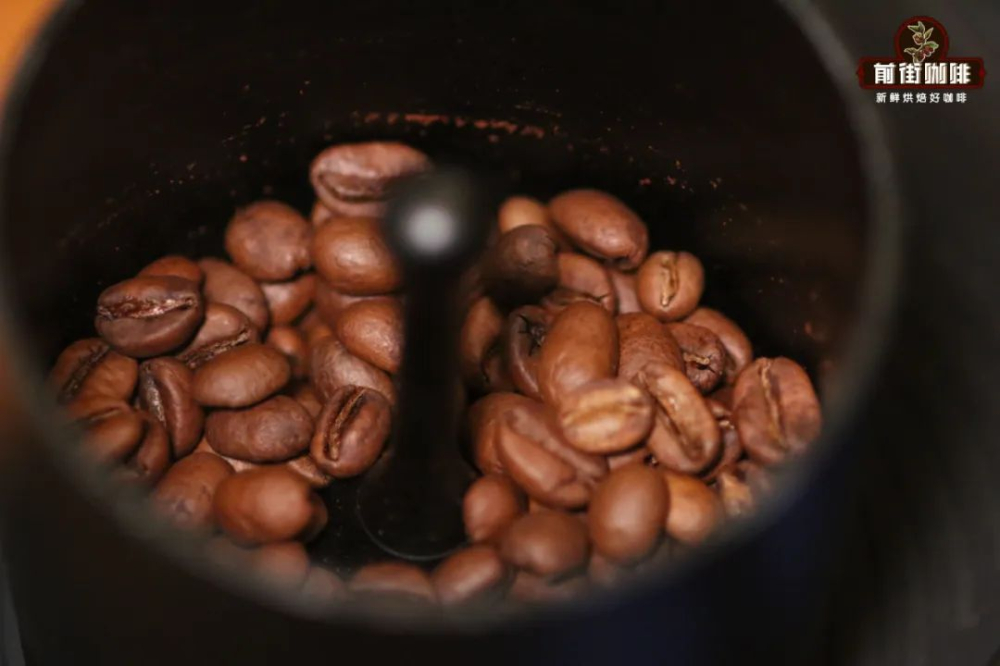
In the realm of pour-over coffee, we usually care a great deal about the freshness of the beans, because this is closely related to the retention of aromatic substances. But when making cold brew coffee, what is more worth paying attention to is the stability of the beans. Coffee beans that have just been roasted have a high internal gas content, and during dripping they will continuously release gas and expand, easily forming channeling in the coffee grounds.
Generally speaking, for coffee beans used to make cold brew, it is ideal if they are more than 20 days past the roast date. Some friends may worry that beans rested this long will make the flavor of the cold brew coffee worse. In fact, the extraction logic of cold brew differs from that of pour-over. Cold brew relies on long, slow extraction. Even if some of the more volatile aromatic components in the beans have dissipated, they would also gradually fade during the long dripping process. Cold brew coffee depends more on soluble substances, and these components do not easily volatilize over time. Therefore, many people are also used to taking pour-over beans that have rested for a longer time and using them specifically for cold brew.
However, Front Street still has to remind you: if the coffee beans already show off-flavors, such as a woody taste, burnt bitterness, or a stale flavor, then the beans are no longer suitable for continued use.
2. Lay a round filter paper on the surface of the coffee grounds
3. Pre-wet the coffee grounds
Before formally starting the dripping, you can first evenly moisten the entire coffee bed. This has several benefits: first, it can save overall time; second, it reduces the probability of channeling; third, it makes extraction more even. Sometimes after finishing cold brew, you will find that part of the coffee grounds in the brewer is still dry, and pre-wetting can effectively avoid this situation.
4. Use clean ice and water
Water and ice with a relatively high calcium content tend to produce white sediment, and these impurities will clog the drip valve, causing the flow rate to slow down or even stop completely. Some friends set up the cold brew device before going out, and after returning home find that hardly any coffee has dripped out; this is often the reason. If time permits, it is recommended to check the drip rate every hour and adjust promptly if a problem is found.
5. Refrigerate for 12 hours after dripping is completed
After the dripping of cold brew coffee is finished, it is best to place it in the refrigerator and let it stand for 12 hours before drinking. After a 12-hour fermentation process in a low-temperature environment, cold brew coffee will present a pleasant fermented aroma, and the original flavor will also become richer.
The above content is compiled by CoffeeHunters, a coffee news website.


