







What Coffee Beans Work for Cold Brew at Home?
Cold brew works with medium-light roasted beans, ground so about 85% passes a No. 20 sieve. Front Street Coffee uses 50 grams of grounds, 400 ml of room-temperature water, and 200 grams of hard ice, a 1:12 ratio, then steeps the sealed jar in the refrigerator for 12 to 24 hours before filtering.
After filtering, refrigerate the clear liquid about 4 hours more. The cup tends heavy and balanced with a thin oil layer, so bean choice and the coffee bean mixture matter more than the gear. Recommended lots include Panama Butterfly, Ethiopia Yirgacheffe Red Cherry Project, and Costa Rica Musician Series Mozart.
As the weather warms up, a refreshing glass of cold brew coffee becomes a favorite for many coffee lovers. Cold brew is simple to make and easy to do at home, but choosing the right coffee beans is what makes the flavor truly shine. Using Front Street Coffee's cold brew method as an example, this article explains key parameters such as coffee-to-water ratio, grind size, and steeping time in detail, and recommends three coffee beans suitable for cold brew: Panama Butterfly, Ethiopia Yirgacheffe Red Cherry Project, and Costa Rica Musician Series Mozart. Whether you're after clean floral notes or prefer fermented winey aromas, you'll find the one that suits you.
To learn more about specialty coffee, follow our WeChat official account: Front Street Coffee.
As summer approaches, more and more people are trying their hand at making iced coffee at home. Among the many iced coffee options, cold brew has a low barrier to entry and is very suitable for home preparation. So, does making cold brew coffee require specially selecting coffee beans?
How to Make Cold Brew Coffee
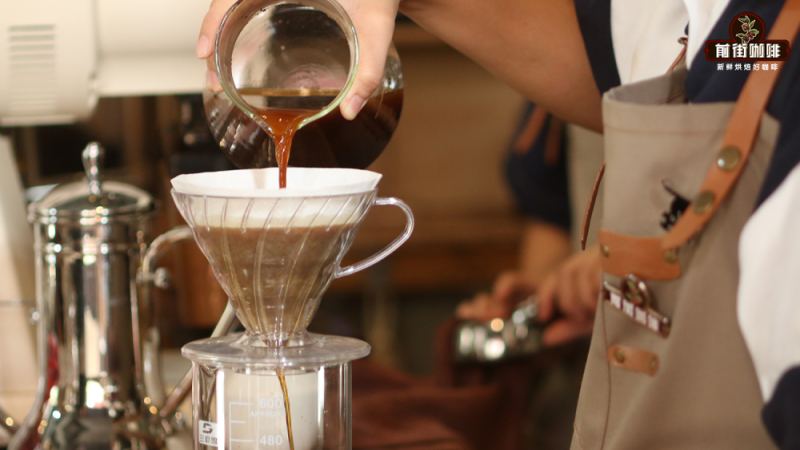
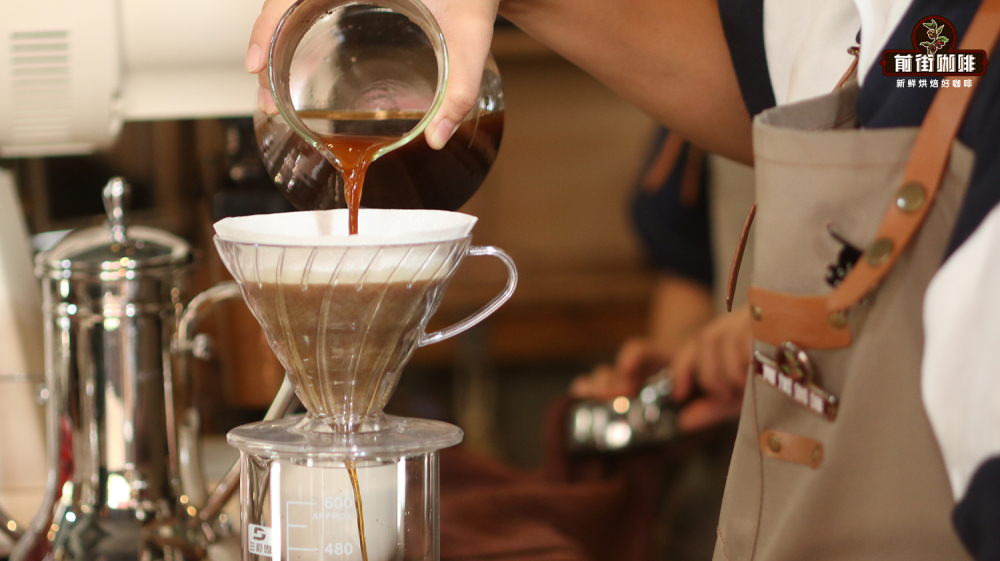
The process of making cold brew coffee is not complicated. Using Front Street Coffee's method as an example, based on 50 grams of ground coffee, the grind size should be controlled so that about 85% passes through a No. 20 standard sieve. Put the ground coffee into a glass container, pour in 400 ml of room-temperature water and 200 grams of hard ice cubes (ice-water mixture totaling 600 grams), giving a coffee-to-water ratio of 1:12. Then stir thoroughly with a stirring rod, seal, and place in the refrigerator.
After letting it sit in the refrigerator for 12 to 24 hours, filter out the coffee grounds with filter paper to obtain a clear coffee liquid. Pour the coffee liquid into a clean sealed bottle and continue refrigerating for about 4 hours before drinking.
What Coffee Beans Are Suitable for Cold Brew?
The liquid of cold brew coffee is not as transparent as that of ice drip coffee; a thin layer of oil floats on the surface, and the mouthfeel tends toward heavy and balanced. Therefore, it is recommended to choose medium-light roasted coffee beans, which better showcase the refreshing and clean characteristics of cold brew coffee.
① Panama Butterfly. This washed-process bean contains 70% Geisha, making it extremely cost-effective. Used for cold brew coffee, it reveals clean and fresh floral notes, citrus, and oolong tea-like flavors.
② Ethiopia Yirgacheffe Red Cherry Project. Yirgacheffe is a classic representative of African coffee beans, and its alluring floral and fruity notes have attracted a large number of coffee lovers. The Red Cherry Project stands out in quality among natural Ethiopian beans and is likewise very suitable for cold brew. The cold brew coffee made with it has sweet berry notes, rich layers, and honey-like flavors.
③ Costa Rica Musician Series Mozart. The Musician Series has always been known for its high flavor distinctiveness. Mozart uses anaerobic honey processing, presenting rich osmanthus, grape, and fermented wine aromas. This bean performs quite well in iced coffee, with both flavor and mouthfeel.
The above content is compiled by CoffeeHunters, a coffee news website.


