







Search Results for: brewing and extraction

Can You Make Cold Brew with Hot or Warm Water? Flavor Comparison Experiment of Quick-Extracted Cold Brew Coffee at Different Water Temperatures
Cold brew coffee usually requires 8 to 12 hours of low-temperature slow extraction, but what if you want to drink it the same day? Raising the water temperature can speed up extraction, but if you use hot water directly, it becomes hot brew, and the floral and fruity aromas and low bitterness unique to cold brew will also disappear. Front Street compared three methods through experiments: conventional 23°C cold water extraction for 10 hours, 40°C warm water extraction for 4 hours, and 92°C hot water blooming followed by room-temperature water extraction for 4 hours. The beans used were Colombia · Hanami, with full berry acidity, floral notes, and pink pepper flavors. The results showed that the 40°C warm water rapid cold brew was closest to the performance of conventional cold brew, with both a fermented feel and clearly presented flavors, making it suitable for friends who want to drink cold brew quickly. [more…]
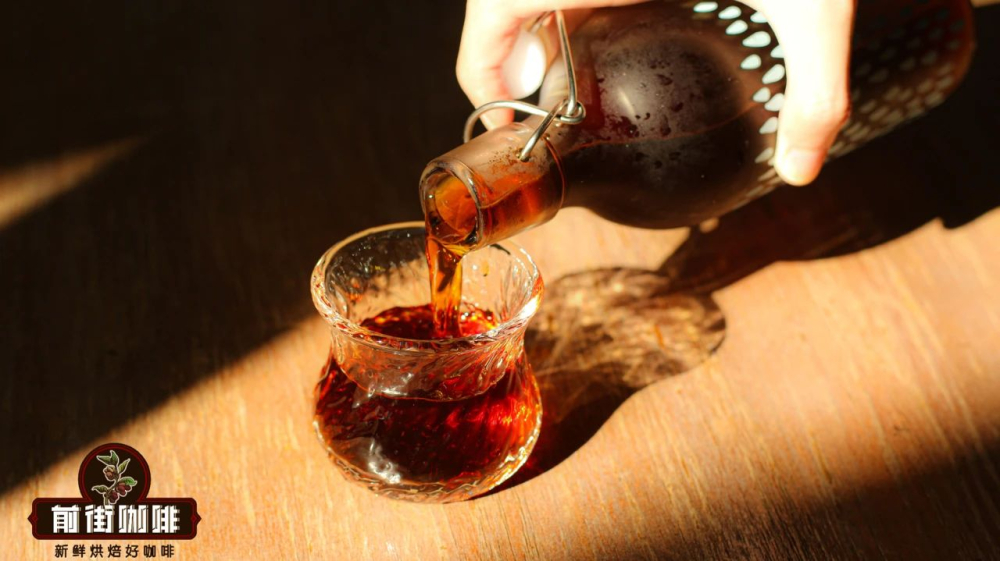
Iced Black Coffee Preparation | How to Make Iced Coffee with Freshly Roasted Coffee Beans? Introduction to Cold Brew Coffee Grind Size, Extraction, Coffee-to-Water Ratio, Taste, and Flavor Characteristics
In this scorching summer, a glass of iced coffee instantly refreshes you. Today Front Street wants to talk to you about cold brew coffee. Cold brew coffee has become a favorite among office workers. Why do we say that? Front Street believes that the reason cold brew coffee is so popular is mainly because it is very simple to make, compared with pour-over coffee. [more…]
Typical signals, causes, and countermeasures of over-extracted coffee, and whether coffee grounds can be re-brewed
When many people drink a cup of coffee that tastes on the bitter side, their first reaction is, "Has this cup been over-extracted?" But bitterness cannot be directly equated with over-extraction. This article focuses on over-extraction, first explaining what it is—according to the Golden Cup theory and Front Street Coffee's daily practice, an extraction yield above 22% is considered over-extraction; then, from a sensory perspective, it outlines the three typical manifestations of over-extracted coffee: burnt bitterness, astringent bitterness, and off-flavors, and analyzes their causes one by one, such as water temperature being too high, grinding being too fine, contact time being too long, stirring being too vigorous, and too many fines. Finally, it offers two practical ways to avoid it: adjusting the brewing parameters and discarding the tail end of the brew, while also addressing the question of whether coffee can be brewed repeatedly, helping coffee lovers judge and improve their brewing results more accurately. [more…]

Cold Brew Coffee Extraction Rate | How to Increase Cold Brew Coffee Concentration? What Is the Brewing Ratio for Cold Brew Coffee? Cold Brew Coffee Bean Recommendations for Specialty Coffee Drinks
Before writing this article, Front Street asked several coffee professionals/enthusiasts: "Under normal circumstances, when making cold brew coffee, if you use the same water, coffee beans, amount of coffee grounds, brewing container, and brewing time, how would you increase the extraction concentration of the coffee?" I believe everyone, like the interviewees, would [more…]
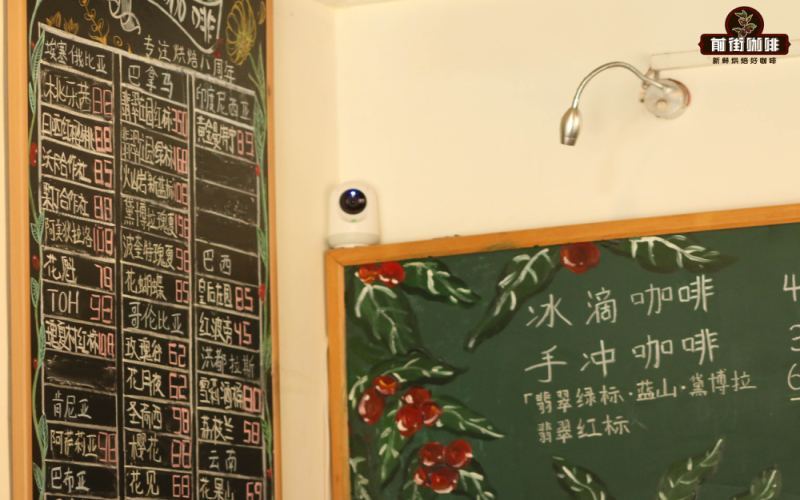
Same Beans, Different Taste? An In-Depth Analysis of the Extraction Differences and Flavor Comparison Between Cold Brew Coffee and Iced Pour-Over
Many coffee enthusiasts have wondered: why do cold brew and iced pour-over made from the same coffee bean taste so different? Front Street Coffee once conducted a comparative experiment with Huakui 8.0, and the results were surprising. This article will systematically analyze the core differences between cold brew coffee and pour-over coffee from the perspectives of extraction water temperature, extraction method, and concentration changes, explaining why low-temperature slow extraction brings a rounder acidity, a fuller body, and a unique fermented aroma, while high-temperature fast extraction retains richer aromatic layers. If you also want to understand the essential difference between these two brewing methods, read on. [more…]
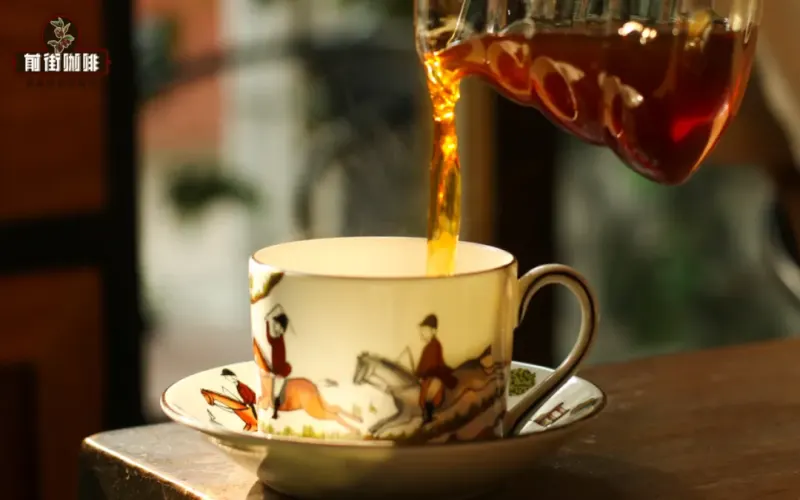
How to Fix Under-Extracted Coffee? Detailed Adjustment Methods for Pour-Over, French Press, and Cold Brew Re-Brewing
Brewing a cup of coffee that's sharply sour, weak, and thin-bodied—it's a shame to pour it down the drain, but drinking it is torture. This time, Front Street Coffee won't talk about parameter adjustments, but instead share a practical idea for rescuing a coffee that's already gone wrong: pour the coffee back and re-extract it, boosting the extraction yield to make up for the flavor and strength. The article will address both drip and immersion brewing methods separately, explaining the specific steps, the conditions under which this works, and the cases where it doesn't apply, such as iced brewing and pressure extraction, to help you salvage an under-extracted coffee as much as possible. [more…]
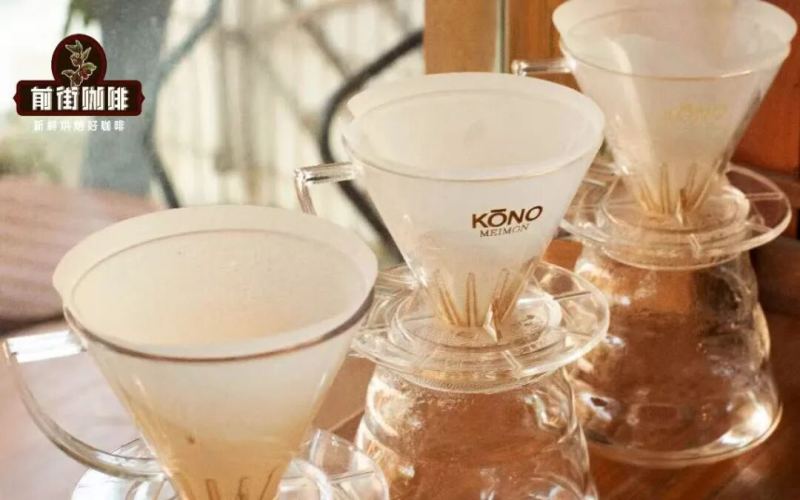
Coffee Brewing Time | Why Do You Need to Time Your Pour-Over Coffee? What Factors Affect the Extraction Time When Brewing Coffee?
When brewing the vast majority of coffees, we always casually press the timer function that comes with the scale to start counting time—this is something that seasoned baristas have emphasized since the very beginning. But for some friends, this behavior is incomprehensible, because they believe that recording time has no effect on the coffee. [more…]
Filter extraction vs. immersion extraction: how to choose? Determining which brewing system suits a coffee bean based on the rate of flavor release.
The same coffee beans, brewed with a different extraction device, can taste completely different in the cup. Coffee extraction paths can be broadly grouped into two types: percolation and immersion. The most fundamental difference between them lies in the speed at which flavor compounds diffuse into the water. In percolation, because fresh water is continuously poured in and the coffee liquid is drained away, the concentration gradient is large and extraction is fast, which easily amplifies the beans' distinctive aromas. In immersion, the coffee grounds sit still in hot water, so the concentration gradient gradually shrinks and diffusion slows down, allowing the coffee's original character to be presented in a more balanced and complete way. Starting from the principles and combined with an analysis of flavor dissolution concentration, this article will help you judge whether the beans in your hands are better suited to pour-over or siphon, and offer specific selection advice. [more…]
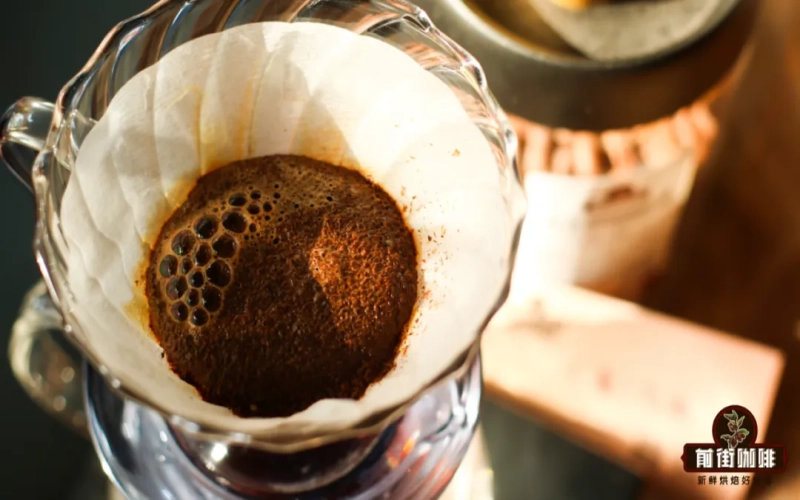
How to Control Pour-Over Coffee Extraction Time? Is 2 Minutes the Golden Standard and How to Respond to Over-Extraction
The brewing duration of pour-over coffee has always been a focal point for enthusiasts: what should you do if the coffee hasn't finished draining after 2 minutes? How long is considered normal for brewing? Starting from Front Street's brewing practice, this article analyzes the impact of time on extraction, explains why 2 minutes is often regarded as a reference standard, and also points out that time is not the only variable. Using light-roasted Huakui and Guodingding as examples, it demonstrates how to match different bean conditions by adjusting water temperature, grind size, dripper, or staged extraction, helping readers understand the importance of parameter coordination rather than obsessing over a single time metric. [more…]
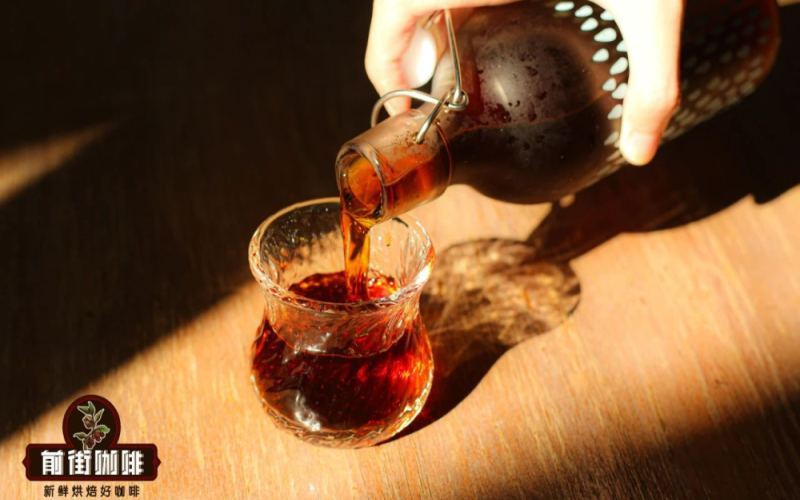
Cold Brew Coffee Complete Guide: A Practical Guide from Coffee-to-Water Ratio and Grind Size to Extraction Time
On a scorching summer day, a refreshing glass of cold brew coffee always perks you right up. Compared with pour-over, cold brew has a much lower barrier to entry—just master a few key parameters like the coffee-to-water ratio, grind size, and steeping time, and you can easily make a rich, smooth iced coffee at home. In this article, Front Street Coffee will walk you through the complete cold brew process in detail, including how to choose the coffee-to-water ratio, how to control grind size, the relationship between water temperature and extraction time, and storage tips after filtering. We'll also analyze the flavor differences between cold brew and hot extraction to help you understand why cold brew tastes less acidic and astringent and feels smoother on the palate. Whether you're a beginner just getting into cold brew or a seasoned brewer looking to fine-tune your parameters, you'll find practical references here. [more…]
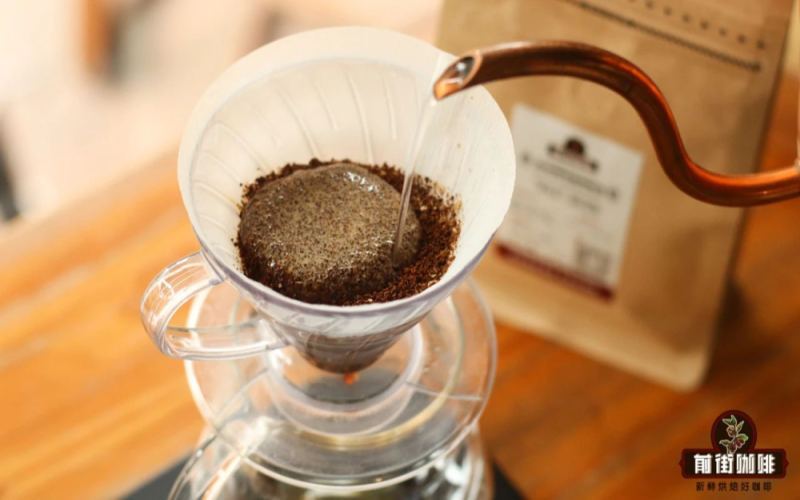
Can Drip Coffee Bags Also Make Cold Brew? A Complete Guide to Brewing Iced Coffee Without a Cold Brew Maker
Summer is here, and you're craving a refreshing glass of cold brew iced coffee, but you don't have a cold brew maker on hand. In fact, drip coffee bags can be transformed into a cold brew tool beyond their usual hot brewing use. In this article, Front Street will walk you through how to make iced black coffee with drip coffee bags, covering everything from the design principles of drip bags and the differences between drip and immersion extraction, to how high and low temperature extraction affect flavor, and then to the specific steps and storage tips. We'll also recommend several cost-effective Front Street drip coffee bags so you can easily enjoy a full-flavored cold brew at home or in the office. [more…]

What exactly is high-concentration, low-extraction? Master this approach to brew coffee without bitterness.
Many coffee enthusiasts encounter the term "high concentration, low extraction" when reading Front Street Coffee articles or others' brewing分享, but the explanations they find are often packed with confusing data. This article breaks down this complex theory into plain, easy-to-understand descriptions: first, it explains that high concentration, low extraction is not a fixed technique but a brewing concept and outcome; then, with the help of the Golden Cup extraction chart, it clarifies the two core concepts of "concentration" and "extraction yield"; finally, it explains why, when dealing with dark-roasted, anaerobically processed, or extraction-sensitive beans, one needs to lower the extraction yield while increasing concentration, and how this concept is specifically reflected in Japanese-style brewing. [more…]
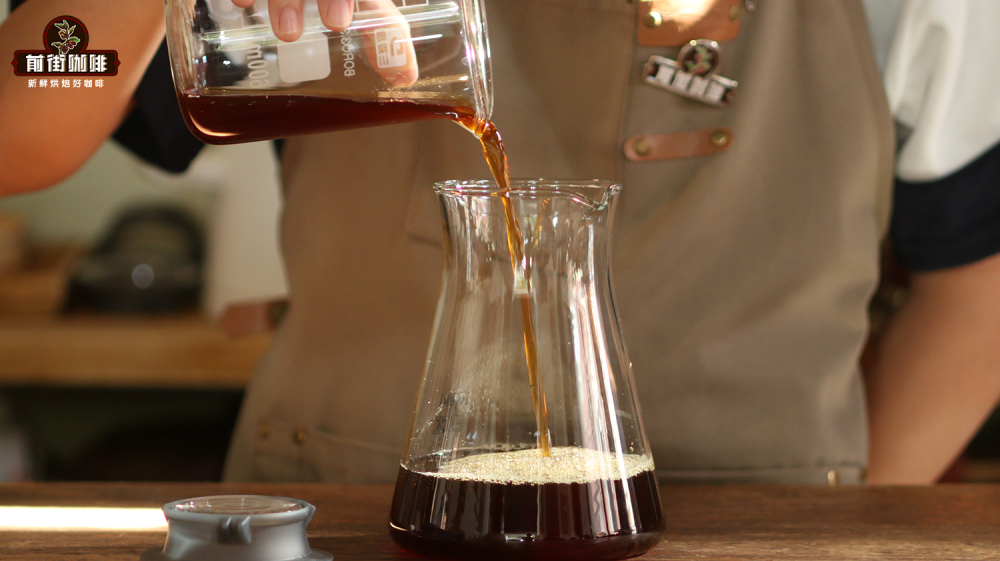
Cold Brew Coffee Powder-to-Water Ratio | What Grind Setting for Cold Brew Coffee Beans? What Are the Pros and Cons of Cold Brew? Introduction to Cold Brew Coffee Extraction Principles, Flavor Characteristics, and Water-to-Coffee Ratio
For more specialty coffee knowledge, please follow: Front Street Coffee (Frontsteet Coffee). Cold brew coffee is simple to make, refreshing in taste, low in acidity and rich in flavor, making it very suitable for drinking in the hot summer. Therefore, many people want to make it at home themselves, and so they ask Front Street Coffee for tips on how to extract it and what to pay attention to. [more…]
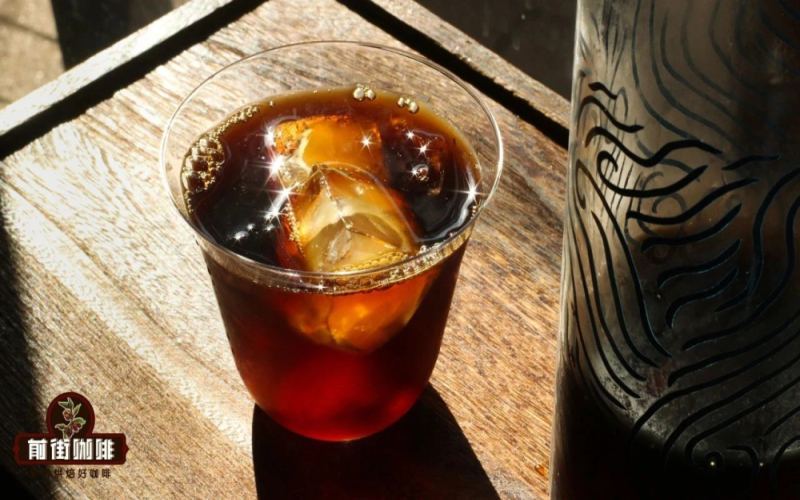
Why Do the Same Beans Taste So Different? A Deep Dive into the Extraction Differences Between Cold Brew and Pour-Over Coffee
Many coffee enthusiasts at Front Street stores order both a cold brew and an iced pour-over made from the same beans, yet are often surprised by the huge gap in flavor between the two after drinking them. Why does the same coffee bean produce such an obvious difference in the resulting cup? This article will systematically sort out the core differences in brewing principles between cold brew and pour-over from multiple dimensions such as extraction water temperature, extraction method, and concentration differences, and combine a comparative experiment conducted by Front Street using Huakui 8.0 to help you understand the taste expressions brought by low-temperature slow extraction and high-temperature fast extraction, as well as the scientific logic behind these differences. [more…]
Analysis of Pour-Over Coffee Extraction States: How to Identify Over-Extraction and Under-Extraction and Adjust Your Brewing Plan
In the world of hand-brewed specialty coffee, the extraction state of a cup directly determines its flavor expression. Some people prefer floral and fruity notes, while others are drawn to dark chocolate and nutty tones, but when faced with astringent sourness or burnt, bitter off-flavors, most people can agree—this cup was not brewed well. Under-extraction, over-extraction, and ideal extraction—these three states correspond to different parameter logics. Starting from the order in which flavor compounds are released, this article will teach you how to judge the extraction situation through clues such as flavor performance, brewing time, and the state of the coffee bed, and offer adjustment approaches for different scenarios including light roasts, dark roasts, and excessive fines, helping you more precisely master every cup of pour-over. [more…]
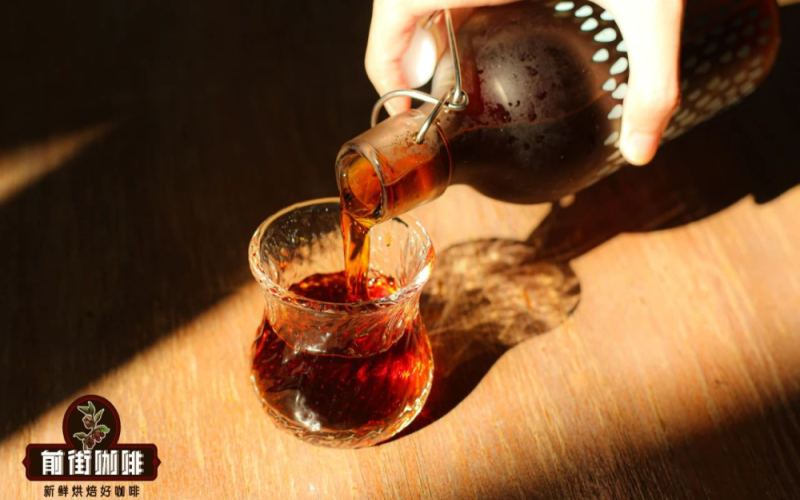
Cold brew coffee grounds-to-water ratio | What are the flavor characteristics of cold brew coffee? What kind of water should be used to brew cold brew coffee grounds? What grind size is suitable for making cold brew coffee?
When summer arrives, the internet-famous iced coffee comes to mind. Indeed, in this scorching summer, a glass of iced coffee instantly makes you feel refreshed. Today, Front Street Coffee is going to talk about one such iced coffee: cold brew coffee. Cold brew coffee has become a favorite among office workers. Why is that? Front Street Coffee believes that cold brew coffee [more…]
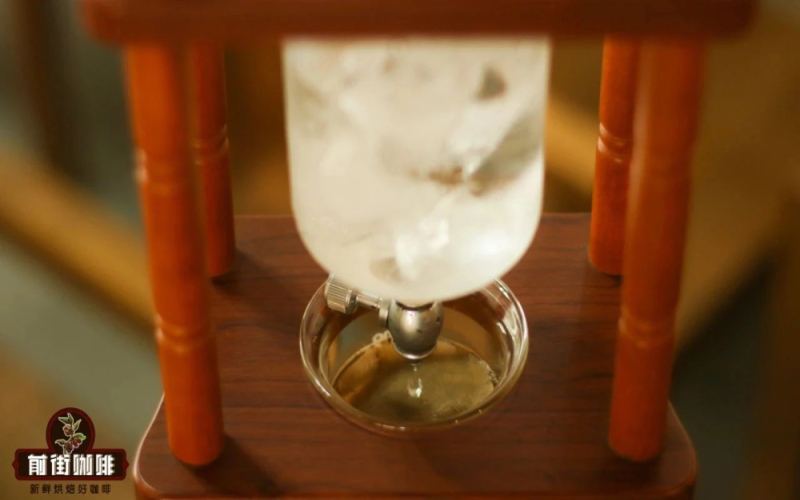
What coffee beans should you choose for cold brew coffee? How should the equipment be paired? Front Street explains the ins and outs of low-temperature extraction in detail.
Cold brew coffee has won the favor of many coffee enthusiasts with its smooth mouthfeel, clear layers, and clean, refreshing character. At Front Street Coffee, cold brew has always been a product with impressive sales performance—baristas make it fresh every day in summer, and in winter customers can also pre-order it in advance according to their preferred flavor. Its popularity stems partly from Front Street's insistence on using its own freshly roasted beans, and partly from the low-temperature extraction and subsequent oxidation steps that allow flavor molecules to be fully released. In this article, Front Street will walk you through the definition of cold brew coffee, its core characteristics, and which coffee beans are suitable for making it. [more…]
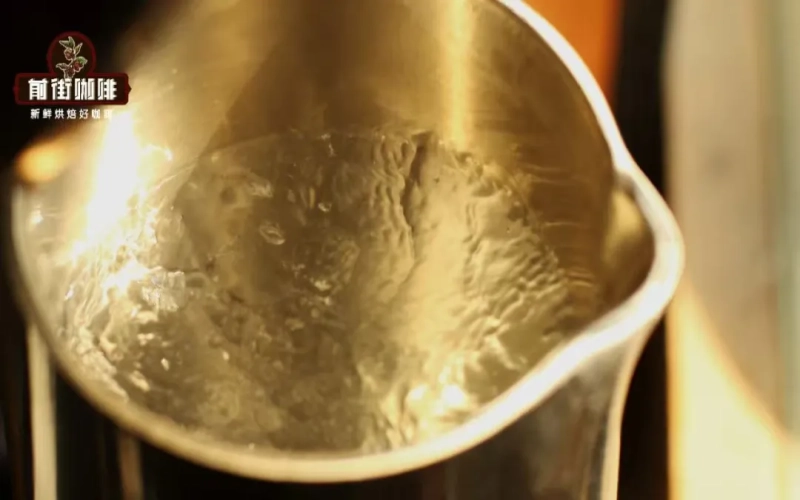
Guide to Brewing Coffee with 100°C Boiling Water: High-Temperature Extraction Principles, Parameter Adjustments, and Stirring Method Practice Sharing
Is it actually feasible to brew coffee with boiling water? Front Street Coffee previously pointed out in a tweet discussing water temperature that water temperature is not the only factor determining whether coffee is good or bad. This article further verifies: 100°C boiling water can absolutely brew good coffee, the key lies in adjusting the extraction plan. The article analyzes the risks brought by excessively high extraction efficiency at high temperatures, introduces response strategies such as shortening time, coarsening the grind, and adopting immersion extraction, and shares in detail the entire process and parameters of using the stirring method combined with 100°C water temperature to brew Sidamo·ALO beans. In the end, this cup of coffee had an extraction yield close to 21%, presenting a full-bodied juicy feel with mango, pineapple, and citrus flavors, and a finish with oolong tea aroma, receiving unanimous praise. [more…]
Why Doesn't Cold Brew Coffee Taste Sour? A Reference Guide to Cold Brew Coffee Pricing and Coffee Bean Selection
Cold brew coffee, with its unique low-temperature slow extraction process, presents a flavor profile completely different from hot-brewed coffee: smooth mouthfeel, pronounced sweet aftertaste, and relatively lower acidity and astringency. So why does cold brew coffee not taste sour? What price range do cold brew coffees sell for on the market, and how much should you spend on coffee beans to get it right? Drawing on the practical experience of Front Street Coffee, this article systematically explains the origins of cold brew coffee, the extraction principles, key production points, and the types of coffee beans suitable for making cold brew, helping coffee lovers gain a comprehensive understanding of this slow-crafted beverage. [more…]
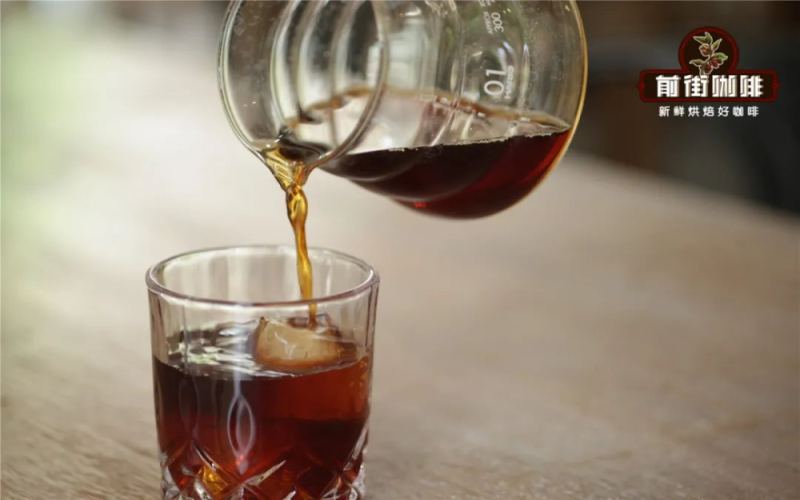
Cold Brew vs. Hot Brew: Flavor Differences Explained: Low-Temperature Extraction Principles, Taste Characteristics, and Key Brewing Points
Iced coffee is favored by many consumers for its refreshing and palate-cleansing taste. Even in the cold winter months, some customers still visit Front Street to order these types of drinks. Hot brew and cold brew present different coffee flavors due to their different extraction temperatures. Cold brew coffee involves steeping coffee grounds in cold water at a low temperature for a long time to release aromatic compounds, and both ice drip and cold steep fall into this category. This article will explore cold brew's historical origins, its differences from pour-over hot brew, and brewing suggestions, helping coffee enthusiasts understand what makes cold brew unique. At the same time, Front Street will also share coffee bean selections and operational details suitable for making cold brew, for everyone's reference. [more…]