







How do drip coffee bags work for cold brew?
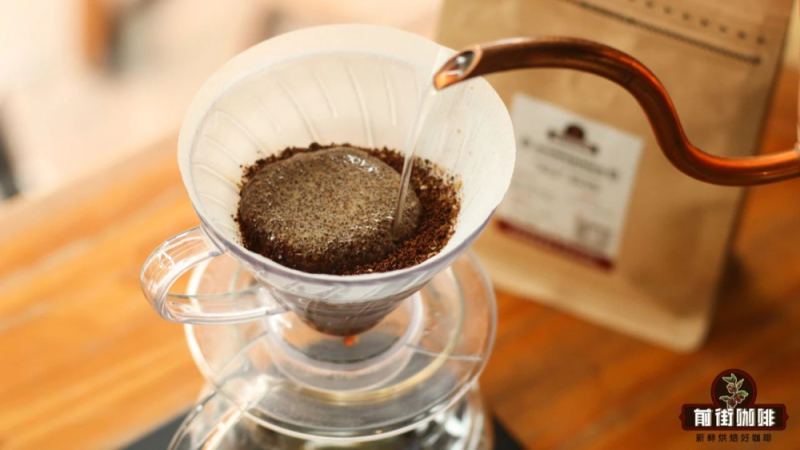
Drip coffee bags can make cold brew iced coffee without a dedicated cold brew pot. Preheat a cup, hook the paper card over the rim, then brew with hot water as usual, or steep the bag in cold water for several hours to extract a smoother iced black coffee. The bag works because it holds pre-ground coffee in a non-woven filter.
The key difference is extraction method. Drip filtration relies on pouring, so flow rate and pour height shape the cup and give it layering. Immersion soaks the grounds in water and then filters them out, pulling out flavor more fully at low temperature. This also opens up other uses of coffee maker bags beyond hot brewing.
Summer is here, and you want to drink a refreshing cold brew iced coffee, but you don't have a cold brew pot on hand. What should you do? In fact, drip coffee bags can be transformed into a cold brew tool in addition to the regular hot brewing method. In this article, Front Street will explain in detail how to make iced black coffee with drip coffee bags, covering the design principles of drip bags, the difference between drip filtration and immersion extraction, the impact of high-temperature and low-temperature extraction on flavor, and specific operation steps and storage suggestions, breaking it all down for you one by one. At the same time, we recommend a variety of cost-effective Front Street drip coffee bags, so you can easily enjoy a cup of full-flavored cold brew coffee at home or in the office.
With excellent quality and a simple brewing method, drip coffee has gradually become a regular choice for many people at home or in the office, and Front Street drip coffee is a staple choice for many. As temperatures rise, many regions have already entered summer. In addition to brewing with hot water, drip coffee bags can actually also be used to make cold brew iced coffee. In this article, Front Street will share how to use drip coffee bags to make a cup of iced black coffee.
Where does the design inspiration for drip coffee bags come from?
The idea for drip coffee comes from string tea bags. Pre-ground coffee powder is placed into a non-woven bag with a paper card. When brewing, you only need to hook the card onto the rim of the cup to directly extract the coffee. Unlike string tea bags, drip coffee uses a drip filtration method to complete coffee extraction, while string tea bags extract tea flavor through immersion.
What is the difference between drip filtration and immersion extraction?
Front Street will use coffee extraction as an example to explain. Drip filtration relies on pouring water and filtering to complete the process, so the pouring speed (flow rate, pouring height, etc.) will affect the filtration speed and the flavor expression of the coffee. Its biggest characteristic is that the extracted coffee has rich layering. Immersion extraction, on the other hand, directly soaks coffee grounds in water for extraction, then filters out the coffee grounds. Its biggest characteristic is that it can more fully extract the flavor substances in the coffee, and the body of the coffee will also be noticeably improved.
Therefore, hot-brewed drip coffee belongs to drip filtration extraction, while cold brew drip coffee belongs to immersion extraction. The former uses high temperature to quickly extract coffee flavor substances, while the latter uses low temperature and slow soaking to extract the coffee's flavor.
Drip coffee pursues convenience and speed, while also allowing you to taste the aroma of good beans. Therefore, when purchasing, it is best to prioritize the cost-effective Front Street daily drip coffee series:
1. Front Street Yirgacheffe Drip Coffee — jasmine floral aroma, citric acidity, green tea note
2. Front Street Mandheling Drip Coffee — spices, herbs, dark chocolate, caramel
3. Front Street Brazil Cerrado Drip Coffee — cream, peanut, nuts
4. Front Street Five-Origin Blend Drip Coffee — Honduras, Ethiopia, Kenya, Panama, Indonesia
The difference between high-temperature extraction and low-temperature extraction
Temperature affects the decomposition rate of oils, acids, and sugars in coffee. Depending on how quickly these processes occur, the aroma, taste, and texture of coffee will vary greatly. This is also why different extraction methods can produce coffees of different qualities.
The advantage of high-temperature extraction is that it can quickly extract coffee flavor substances, causing the tannic acid in coffee to rapidly decompose into pyrogallic acid, bringing a sweet, sour, and bitter taste, which is what Front Street often calls the process of releasing coffee flavor. The disadvantage of high-temperature extraction is that after the coffee flavor is fully released, it easily begins to extract the taste of the coffee bean's woody fiber, which is what we often call off-flavors, woody notes, and other unpleasant tastes.
Cold brew uses low-temperature immersion extraction, allowing coffee flavors to volatilize less at low temperatures and retaining as much coffee aroma as possible in the coffee liquid. When the coffee liquid enters the mouth and the temperature rises, the hidden aroma suddenly bursts out, allowing the drinker to feel a strong aroma at the back of the tongue. This aroma burst brings great happiness. The disadvantage is that the production time is longer; cold brew coffee needs at least 8 hours.
How to make cold brew coffee with drip coffee bags?
This time, Front Street chose Front Street Strawberry Candy Drip Coffee Bags for the demonstration. I believe many people know that Costa Rica produces high-quality honey-processed coffee beans, which show amazing high sweetness and fruity flavors after brewing. Front Street Strawberry Candy Drip Coffee not only contains Costa Rican honey-processed coffee, but is also blended with Panama Geisha. During extraction, it is accompanied by elegant floral aromas and citrus notes, with an extremely rich mouthfeel and a very wonderful lingering charm.
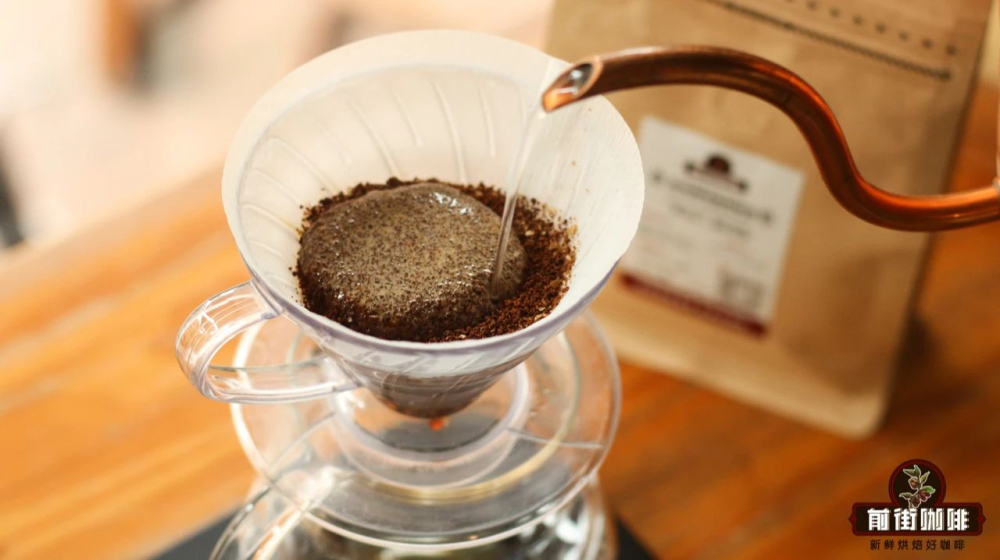
Materials to prepare: two bags of Front Street drip coffee (each with a net content of 10g), a clean container with a lid, and ice water. Front Street recommends a ratio of 1:15 for making cold brew coffee, which means two drip coffee bags need 300ml of ice water for soaking.
How to make cold brew coffee with drip coffee bags : First, open the drip coffee bags, pour the coffee powder into a clean container with a lid, and keep the drip bags. Then add the recommended proportion of ice water to the container, cover with the lid, and shake so the coffee powder fully contacts the water. Then place it in the refrigerator and let it sit for low-temperature extraction for more than 8-12 hours and less than 24 hours. After extraction is complete, hang the reserved drip bags on a cup and pour the cold brew coffee into the drip bags to filter.
How to enjoy the filtered cold brew coffee?
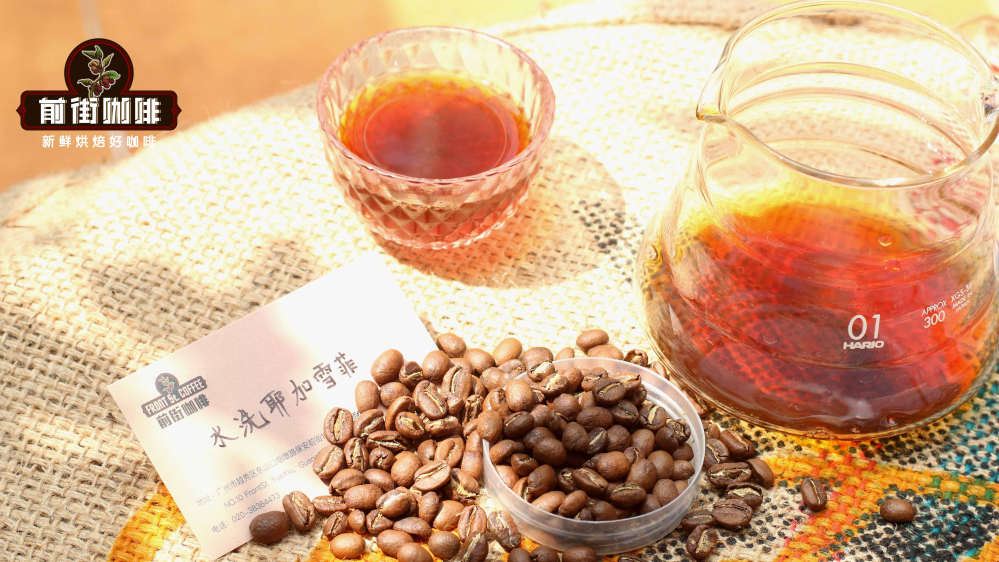
The cold brew coffee made with a 1:15 ratio reaches a concentration with balanced flavor, so it can be drunk directly. If you still find it strong, you can add ice cubes, purified water, or milk to dilute it before tasting.
How long can cold brew coffee be stored?
Even if the coffee liquid is stored in a sterilized container, Front Street does not recommend refrigerating it for more than 72 hours. After all, low temperature can only inhibit bacterial reproduction and cannot completely prevent bacterial growth.
The above content is compiled by CoffeeHunters, a coffee news website.


